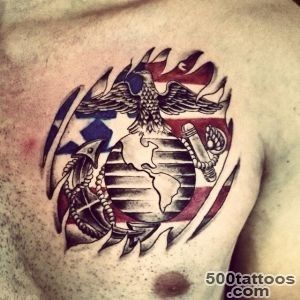
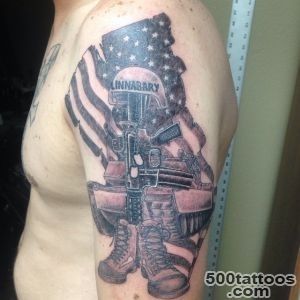
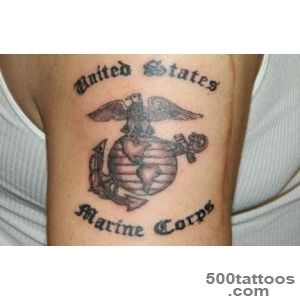
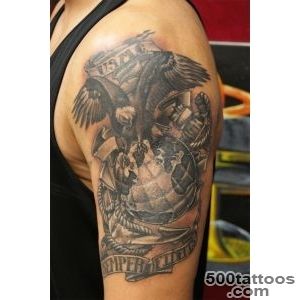
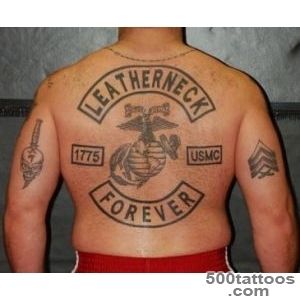
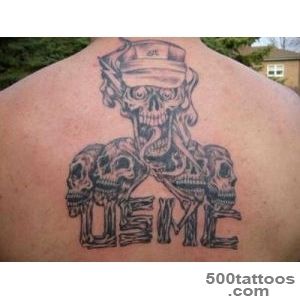
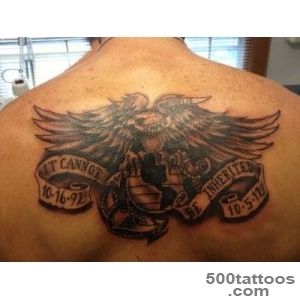
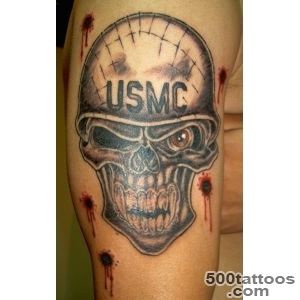
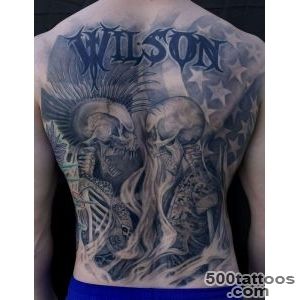
Marine tattoo
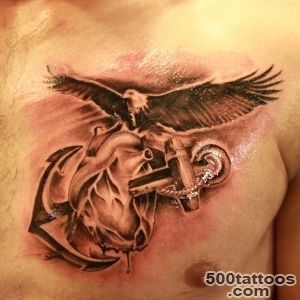
Marine tattoos draw from centuries of seafaring tradition, turning the tools, creatures, and symbols of ocean life into permanent marks of experience, respect for the sea, and personal identity. The imagery connects to real danger, real skill, and a way of living that most people only read about.
Anchors, Compasses, and Navigation Symbols
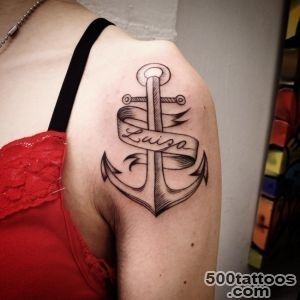
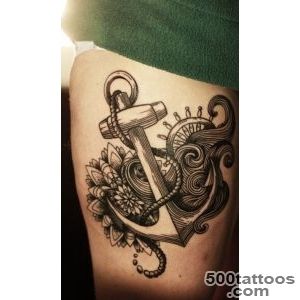
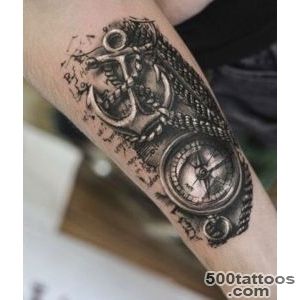
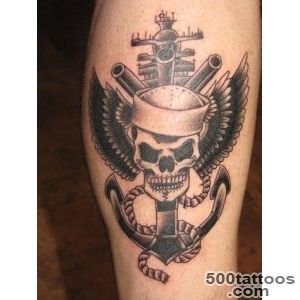
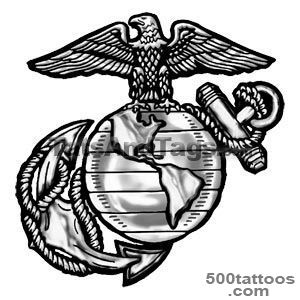
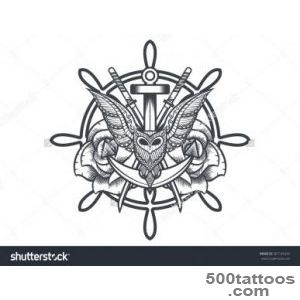
The anchor is perhaps the most universal nautical emblem, representing stability, hope, and a safe return to port. Early Christians also used it as a covert symbol of faith, combining it with a cross shape. Compasses and nautical stars reference guidance and the ability to find your way, literally or metaphorically. A ship's wheel suggests command and responsibility, while a sextant or astrolabe adds a historical dimension that sets the piece apart from more common designs.
Ships, Sails, and the Open Water
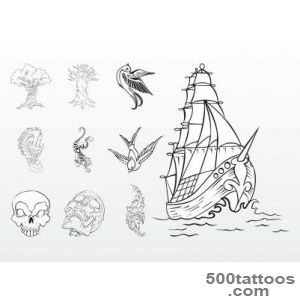
A fully rigged clipper ship with billowing sails is a classic subject that never goes out of style. In old-school tradition, a ship under full sail meant the wearer had rounded Cape Horn, one of the most dangerous passages in the world. Modern interpretations range from hyper-realistic galleons to minimalist line drawings of sailboats, but the underlying theme remains the same: courage in the face of the unknown.
Sea Creatures and Their Meanings
Sharks represent fearlessness and apex confidence. Octopuses suggest intelligence, adaptability, and mystery. Whales carry associations with depth, song, and ancient wisdom. Koi, though freshwater, often appear in nautical-adjacent compositions because of their symbolism of perseverance. A sea dragon or serpent adds mythological danger and visual drama, wrapping naturally around arms and legs.
Old-School Traditions and Earned Marks
Historically, specific images were earned rather than chosen. A swallow meant five thousand nautical miles sailed, a shellback turtle marked crossing the equator, and a full-rigged ship on the chest indicated rounding the Horn. Roosters and pigs on the feet were believed to protect against drowning. While modern wearers are not bound by these rules, knowing the traditions adds depth to your choice.
Styles That Honor the Theme
American traditional, with its bold outlines and limited color palette, is the original home of nautical ink and still looks powerful decades later. Neo-traditional adds more color range and detail while keeping the strong outline structure. Realistic black-and-gray work suits detailed ship portraits, and trash polka can give the theme an aggressive modern edge.
Placement and Longevity
Forearms, calves, and chests are traditional locations that give nautical elements room to breathe. Smaller symbols like a single anchor or star fit well on the wrist or behind the ear. Bold outlines and solid fills are the most durable approaches for designs that may be exposed to sun and salt water regularly, so discuss line weight with your artist if you spend time outdoors.
Marine tattoo designs and images