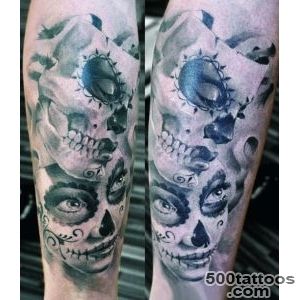
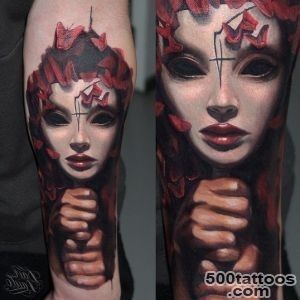
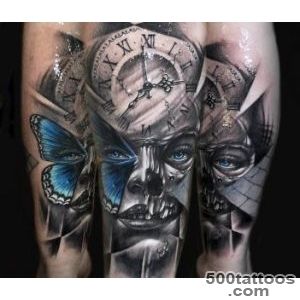
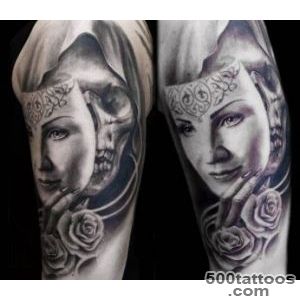
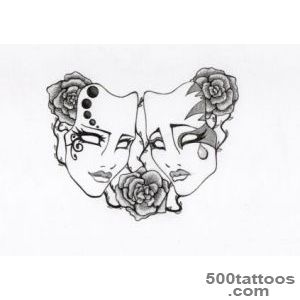
Mask tattoo
Masks have fascinated humans for millennia because they sit at the intersection of identity and illusion, revealing as much as they conceal. As body art, a mask design raises questions about who we are underneath, who we perform as in public, and whether the difference between the two even matters.
Theatre Masks and the Duality of Emotion
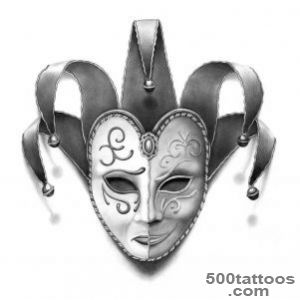
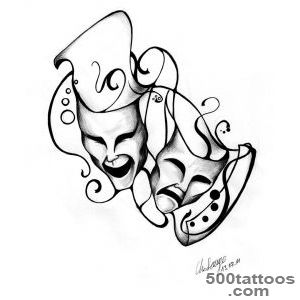
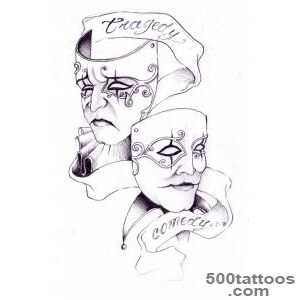
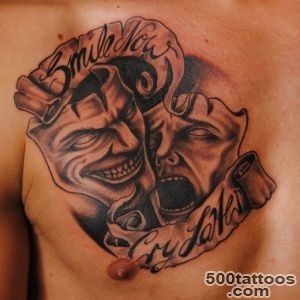
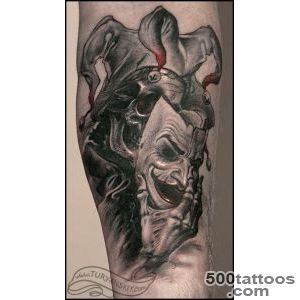
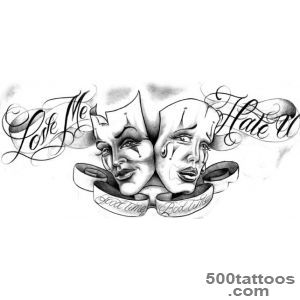
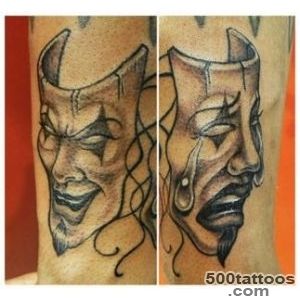
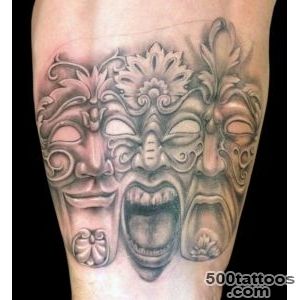
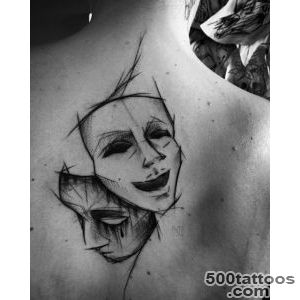
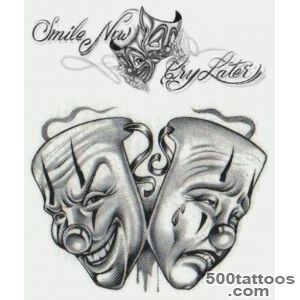
The classic comedy and tragedy pair, one laughing and one weeping, originated in ancient Greek theatre and has become a universal symbol of emotional range. Wearing both on your skin suggests that you have experienced highs and lows and accept them as inseparable parts of the same story. Actors, writers, and performers often choose this motif, but anyone who values emotional honesty can connect with it.
Venetian Carnival and Elegant Mystery
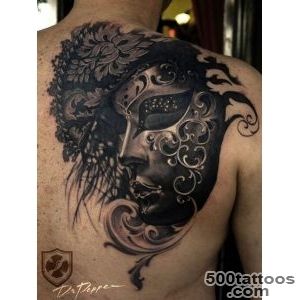
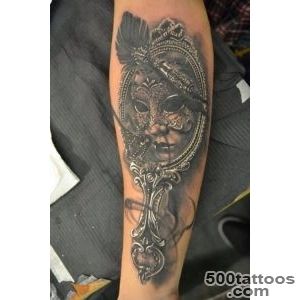
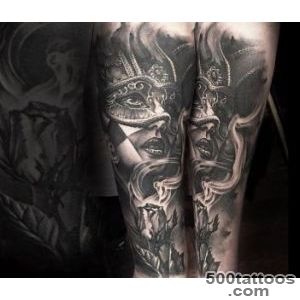
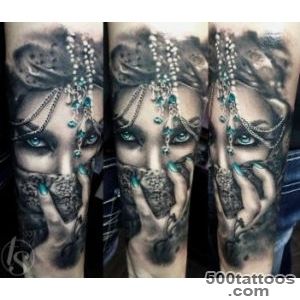
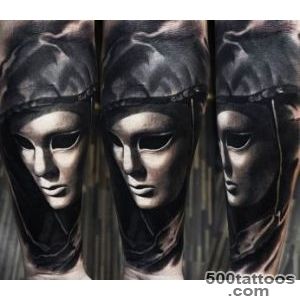
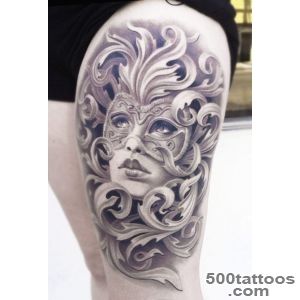
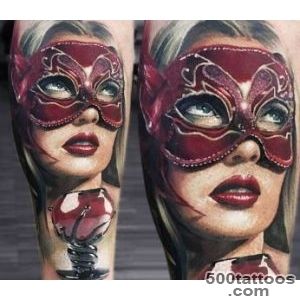
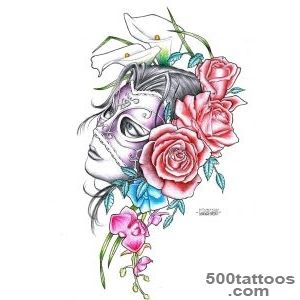
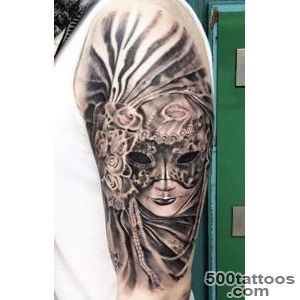
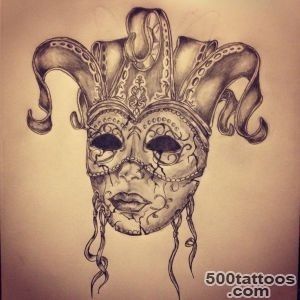
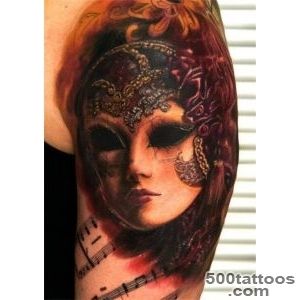
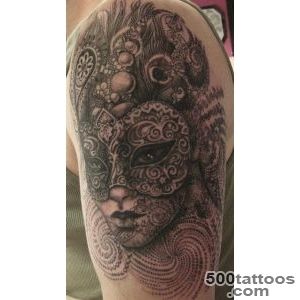
Venetian masks were designed to erase social rank during carnival, allowing nobles and commoners to interact as equals. Ornate feathers, gold leaf, and intricate lacework make these designs visually rich and well-suited to color realism or neo-traditional styles. The underlying theme of hidden identity and temporary freedom from expectation resonates with people who feel they wear a social mask every day.
Japanese Hannya and Oni Faces
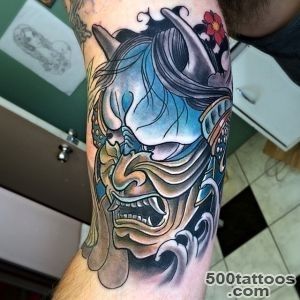
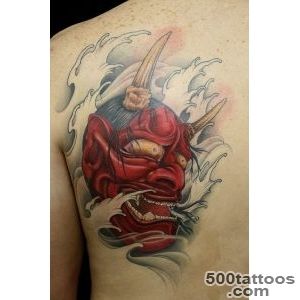
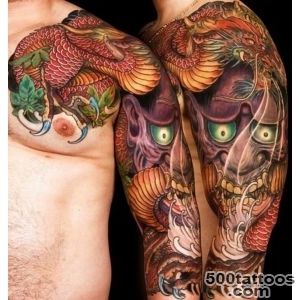
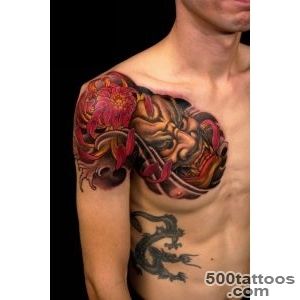
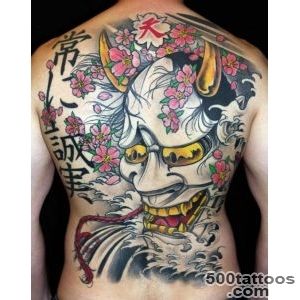
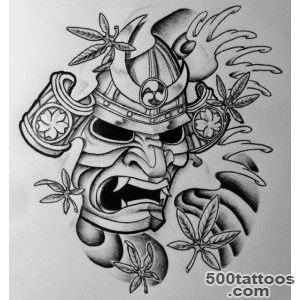
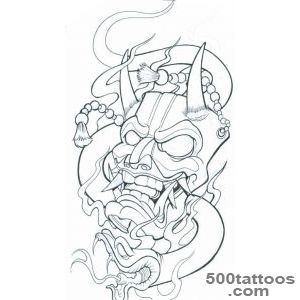
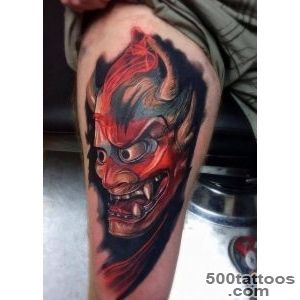
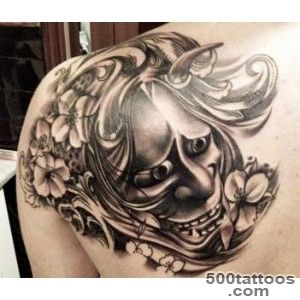
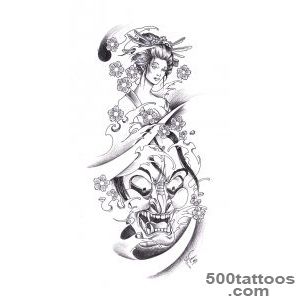
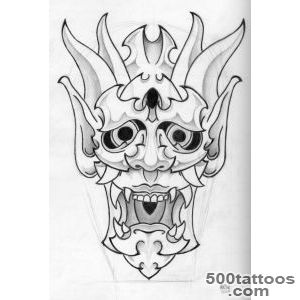
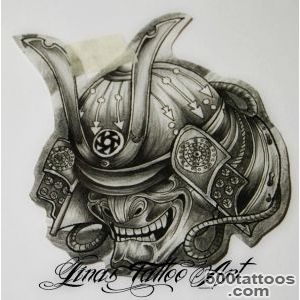
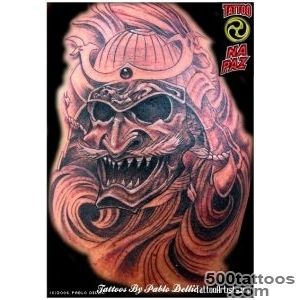
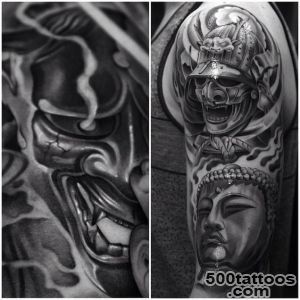
The Hannya mask from Noh theatre depicts a woman transformed by jealousy and rage into a demon, embodying passion pushed past its limit. Oni masks represent supernatural enforcers of cosmic justice, punishing the wicked. Both carry intense visual impact with their horns, sharp fangs, and exaggerated expressions, and they work beautifully in Japanese traditional or neo-Japanese styles with bold color and dynamic shading.
Ethnic and Tribal Protective Masks
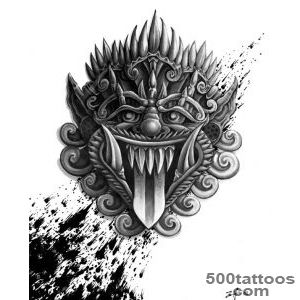
African, Polynesian, and indigenous American mask traditions often served spiritual purposes: communicating with ancestors, warding off evil, or invoking animal spirits during ceremony. These designs demand cultural sensitivity and research, but when approached respectfully, they produce striking compositions rich in texture, pattern, and meaning.
Placement and Style Considerations
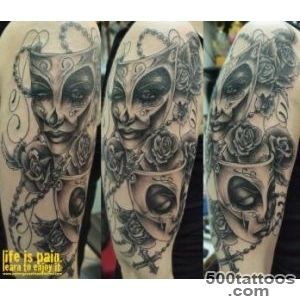
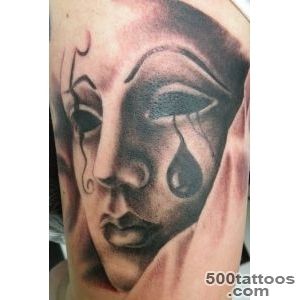
A single mask works well on the upper arm, thigh, or calf where there is enough surface area for expressive detail. Paired masks fit naturally across the chest or upper back. Fine-line work keeps the piece subtle, while bold color and shading give it theatrical presence. Whatever style you choose, ensure the facial features remain legible at the chosen size, because the expression is the entire point.
Mask tattoo designs and images