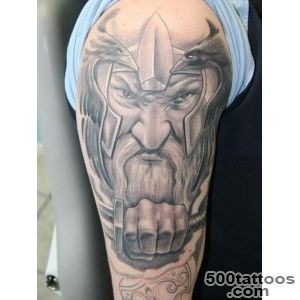
Vikings tattoo
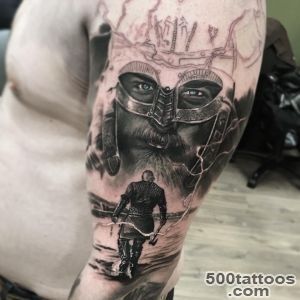
Viking tattoos draw from the history and mythology of the Norse seafarers who shaped Northern Europe between the eighth and eleventh centuries. These warriors were known for courage, exploration, and a rich symbolic culture that translates powerfully into body art. Whether you connect with Scandinavian heritage or simply admire the bold visual language of runes, longships, and battle scenes, a Viking tattoo carries weight and narrative depth.
Historical context
The Norse peoples traveled vast distances - reaching Iceland, Greenland, and the coast of North America - establishing trade routes and settlements along the way. Archaeological evidence, including the Ibn Fadlan account from the tenth century, suggests that many Vikings decorated their skin with dark patterns from the fingertips to the neck. While the exact designs remain debated, the cultural importance of body marking among the Norsemen is well documented.
Common symbols and themes
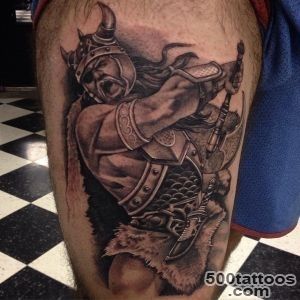
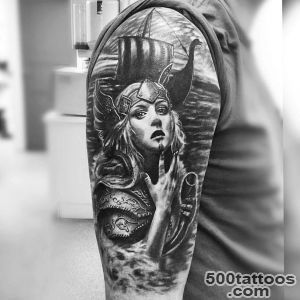
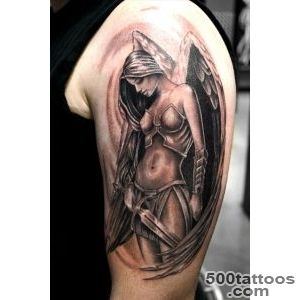
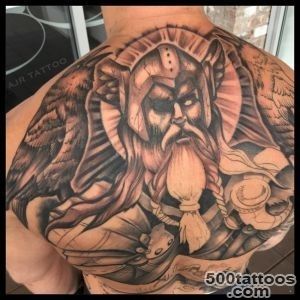
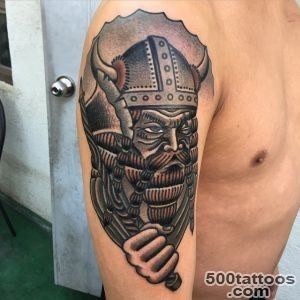
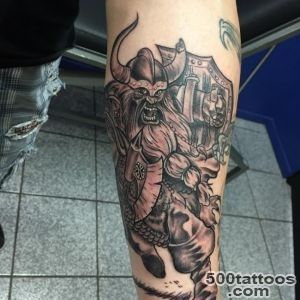
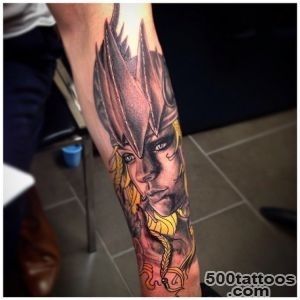
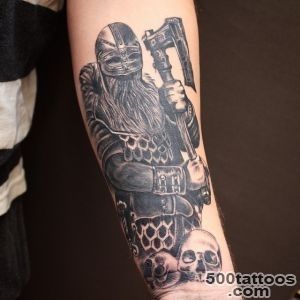
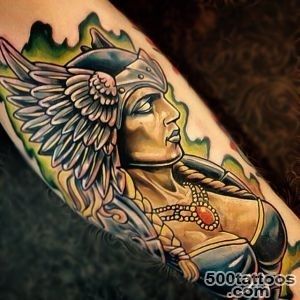
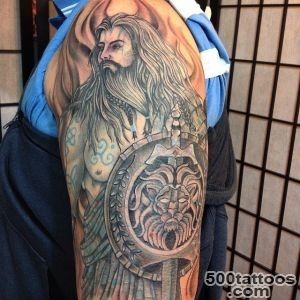
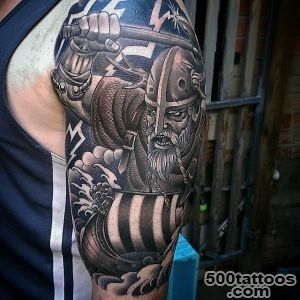
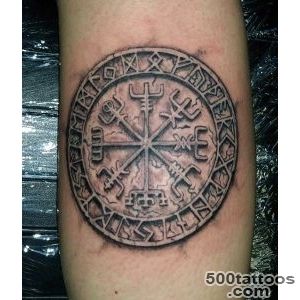
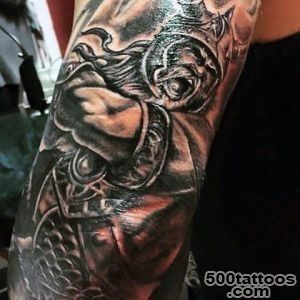
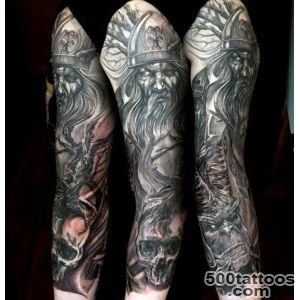
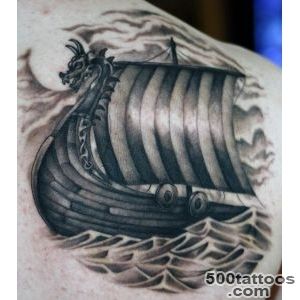
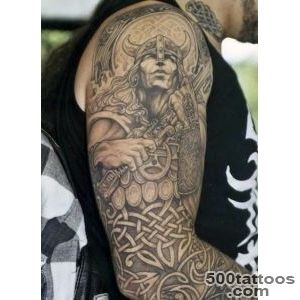
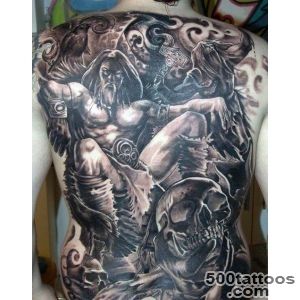
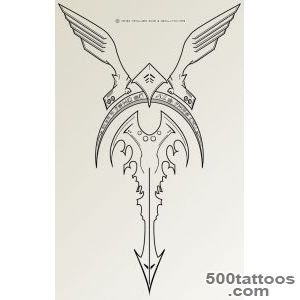
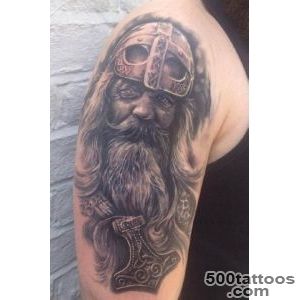
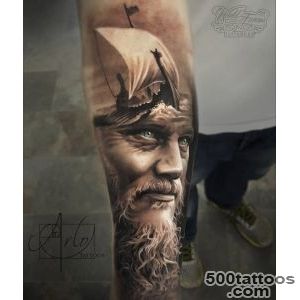
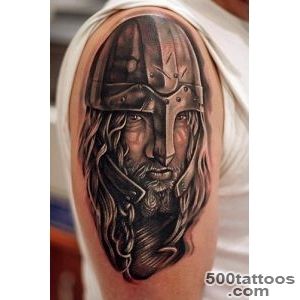
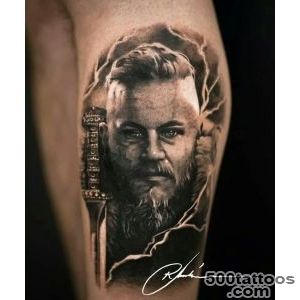
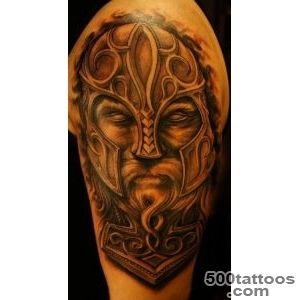
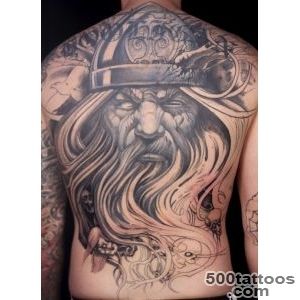
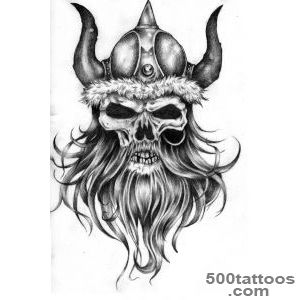
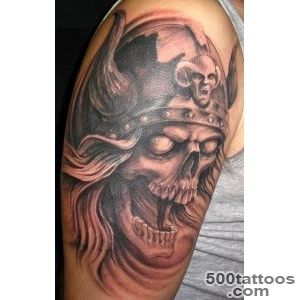
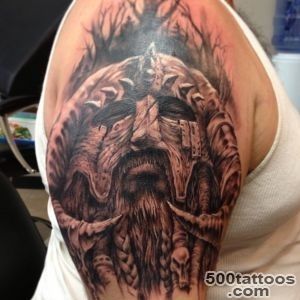
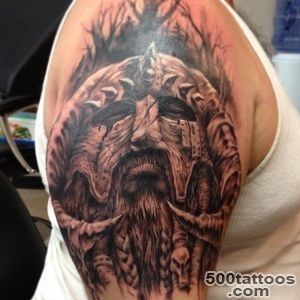
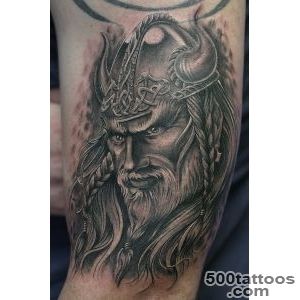
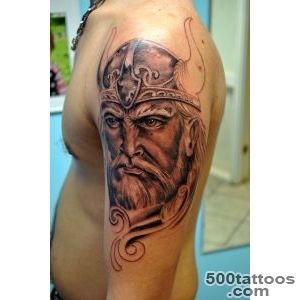
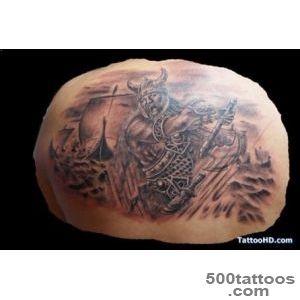
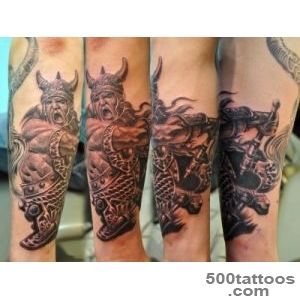
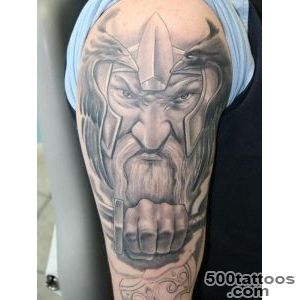
Longships are among the most requested Viking motifs, representing exploration, bravery, and the willingness to venture into the unknown. Warrior portraits - a bearded figure in a horned or winged helmet, holding an axe or sword - emphasize martial courage. Valkyrie imagery connects the wearer to the myth of fallen warriors carried to Valhalla. Runic alphabets, the Vegvisir compass, Yggdrasil (the world tree), and the Valknut knot each carry specific symbolic weight and can serve as standalone pieces or background elements.
Geometric and ornamental patterns
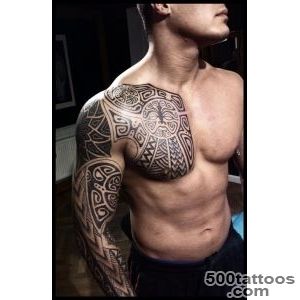
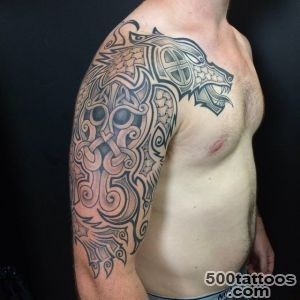
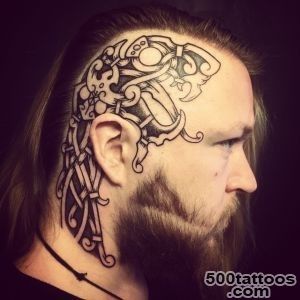
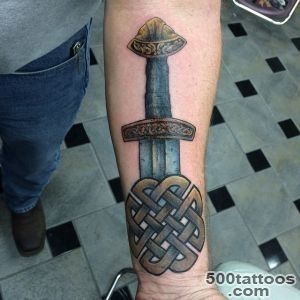
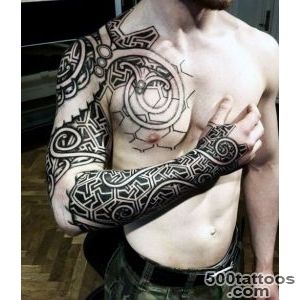
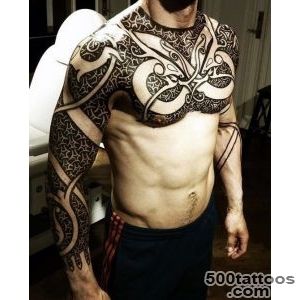
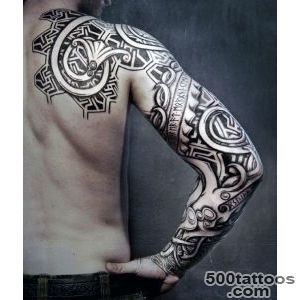
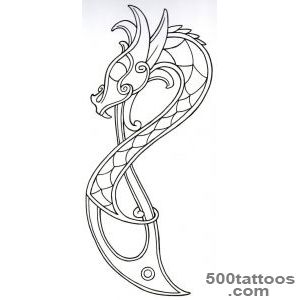
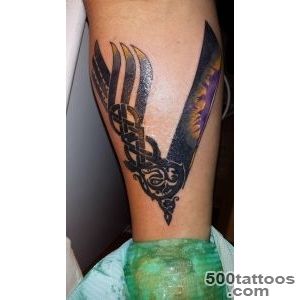
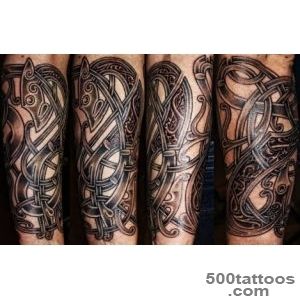
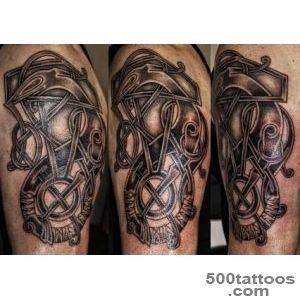
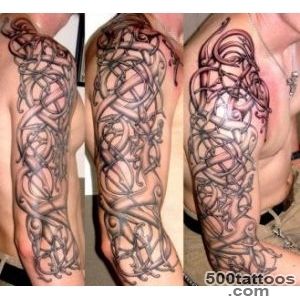
Norse art featured intricate knotwork, interlacing animals, and repeating geometric motifs such as triangles, spirals, and braided borders. These patterns work well as sleeve fillers, band tattoos around the bicep or forearm, or framing devices around a central portrait. The Urnes and Mammen styles from late Viking-age woodcarving translate especially well into blackwork tattoo designs.
Style directions
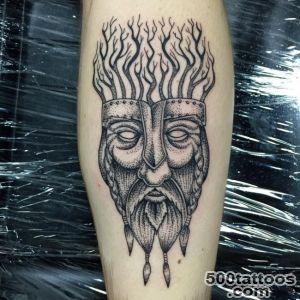
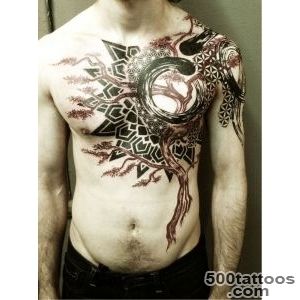
Blackwork and dotwork suit the angular, carved quality of Norse art. Realistic portraits bring a warrior or Valkyrie face to life with full tonal range. Trash polka mixes bold black strokes with red accents for a raw, aggressive feel. Woodcut-style linework mimics the look of carved runestones and gives the tattoo an antique, artifact-like quality.
Placement ideas
The shoulder and upper arm are the most popular spots - they provide a broad canvas for a warrior portrait surrounded by knotwork borders. A full sleeve can tell a visual saga from shoulder to wrist: longship at the top, sea waves through the forearm, runes at the wrist. The chest suits a symmetrical Vegvisir or Yggdrasil centered on the sternum. The calf works for a standalone longship or a vertical Mjolnir (Thor's hammer) design.
Planning your Viking tattoo
Research specific symbols before your session so you understand their historical meaning and avoid common misattributions. Bring reference images from museum artifacts, runestones, or manuscript illustrations to your artist. Large pieces with knotwork detail often require multiple sessions - plan for three to five hours per sitting. Aftercare is standard: keep the area clean, moisturized, and out of direct sunlight while healing.
Vikings tattoo designs and images