Maya tattoo
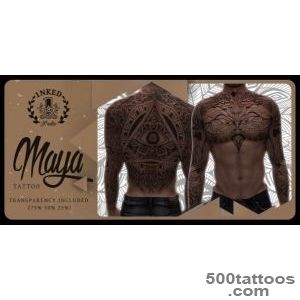
Mayan civilization produced one of the most visually complex artistic traditions in human history, and its imagery translates into body art that is intricate, powerful, and steeped in meaning. From carved stone glyphs to painted codices, every Mayan design element originally carried specific spiritual, calendrical, or political significance.
Historical Context and Warrior Tradition
The Maya were accomplished astronomers, mathematicians, and warriors who built monumental cities across present-day Mexico, Guatemala, Belize, and Honduras. Body modification, including scarification and permanent pigment, was a mark of status and bravery. The most decorated warriors covered themselves in elaborate designs that recorded victories and invoked the protection of deities. Acat, the patron deity of body marking, was honored specifically for overseeing this practice.
Glyphs, Calendar Symbols, and Writing
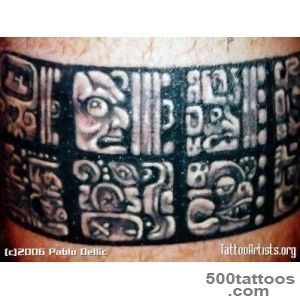
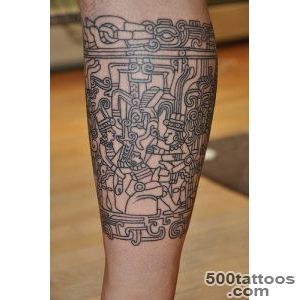
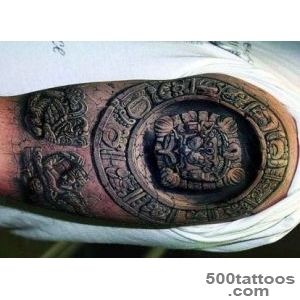
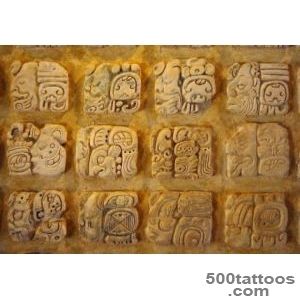
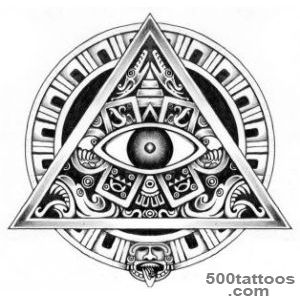
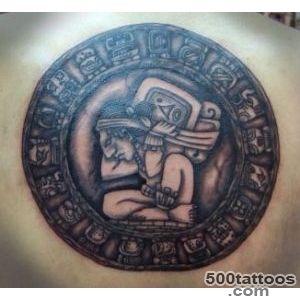
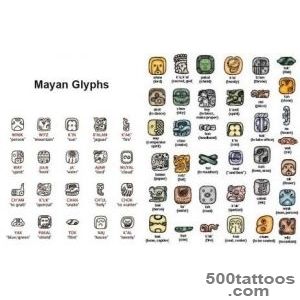
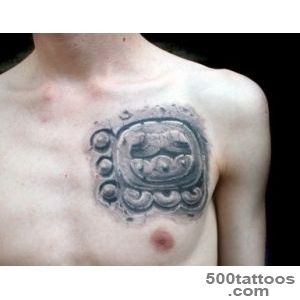
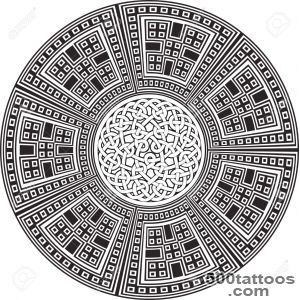
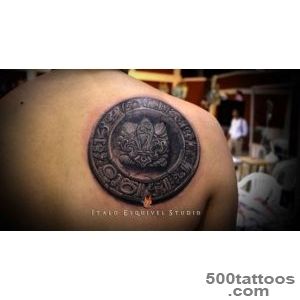
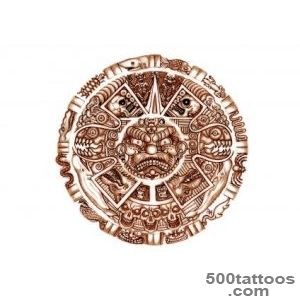
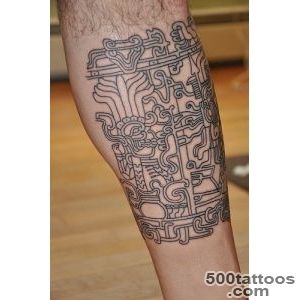
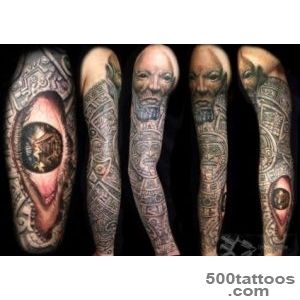
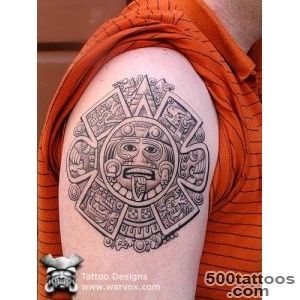
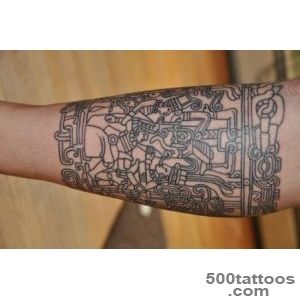
Mayan hieroglyphs are a fully developed writing system with hundreds of signs, each combining phonetic and logographic elements. A single glyph block can represent a word, a date, or a name, making it possible to encode personal meaning with historical accuracy if you work with a knowledgeable designer. The Tzolkin and Haab calendar rounds offer visually compelling circular compositions that reference cycles of time, rebirth, and cosmic order.
Totemic Animals and Deity Figures
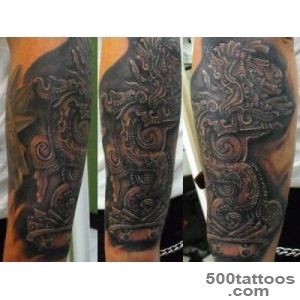
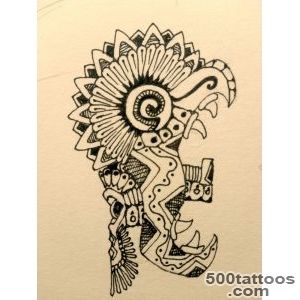
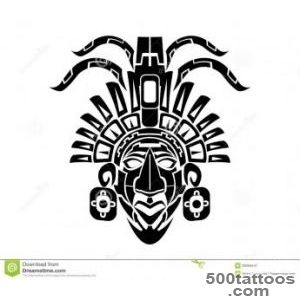
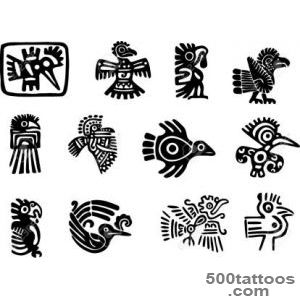
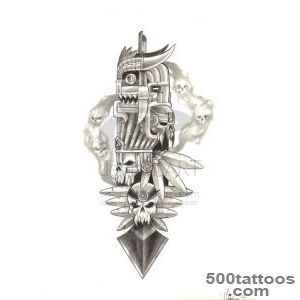
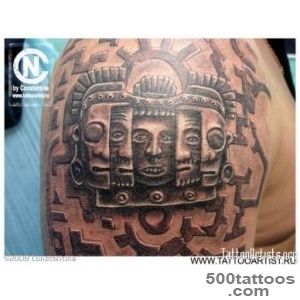
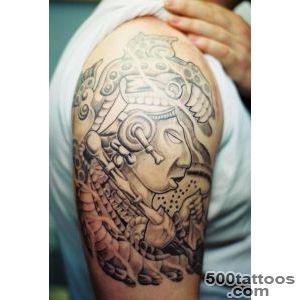
Jaguars symbolized power and the underworld, eagles represented the sky and warrior prowess, and serpents connected the earthly and divine realms. Kukulkan, the feathered serpent, is one of the most popular subjects because its flowing form wraps naturally around limbs. Deity portraits like Itzamna or Chaac carry detailed headdresses and regalia that reward close viewing and skilled line work.
Pyramids, Skulls, and Iconic Imagery
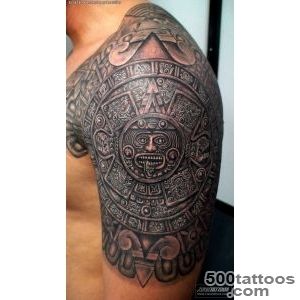
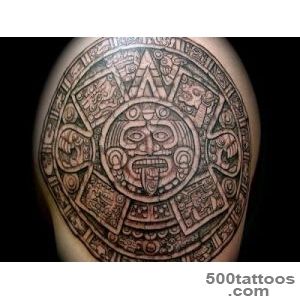
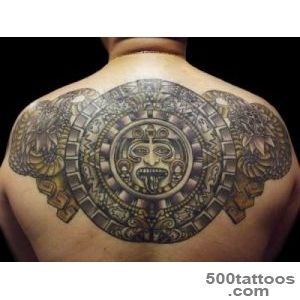
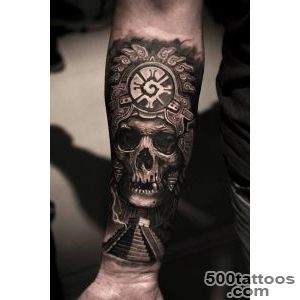
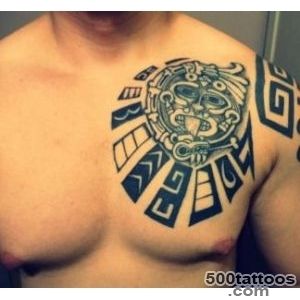
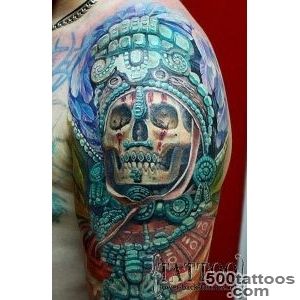
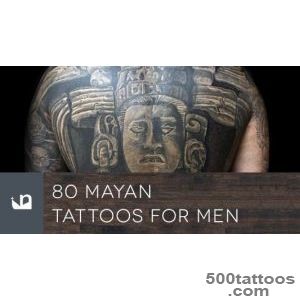
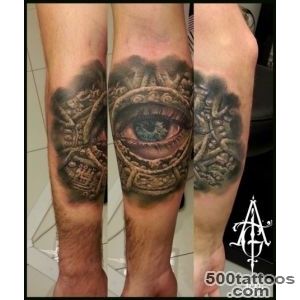
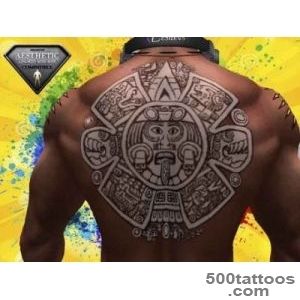
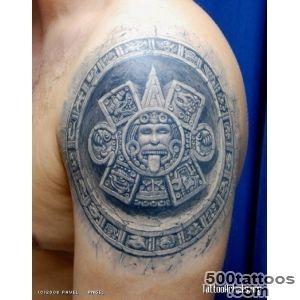
Stepped pyramids like those at Chichen Itza or Tikal create strong geometric compositions that anchor a larger piece. Crystal skulls, popularized by archaeology and cinema, add a dramatic element that bridges ancient mystery and modern pop culture. Sun stones and circular calendar disks work well as centerpieces for chest or back panels.
Style and Execution
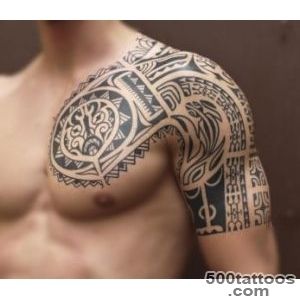
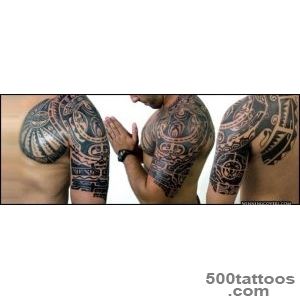
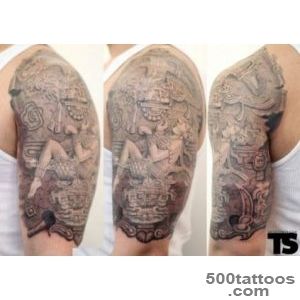
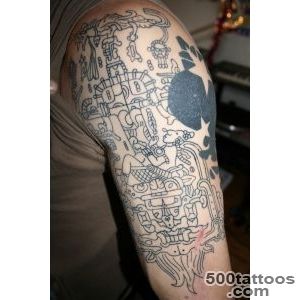
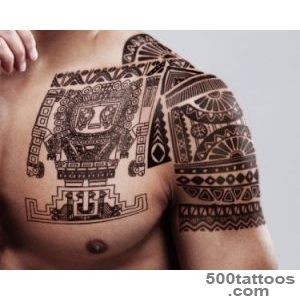
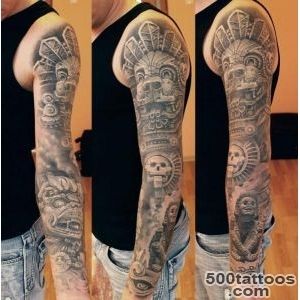
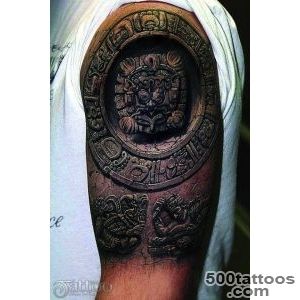
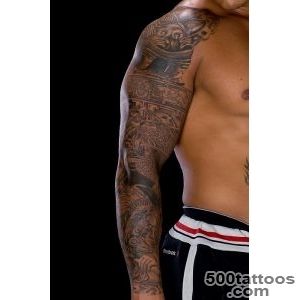
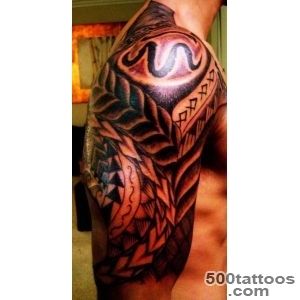
The dense line work of Mayan art demands precision. Black and gray ink with fine detailing replicates the look of carved stone, while adding selective color can highlight specific elements like jade ornaments or quetzal feathers. The intricate patterns benefit from larger scale, so this style works best on surfaces that allow room: upper arms, full sleeves, backs, and thighs.
Respecting the Source Material
Because only a fraction of Mayan texts survived colonial destruction, accuracy matters. Work with references from reputable archaeological sources rather than generic clip art, and if you include glyphs, verify their meaning with a specialist. The result is worth the effort: a piece that connects you to one of the most sophisticated civilizations in human history.
Maya tattoo designs and images