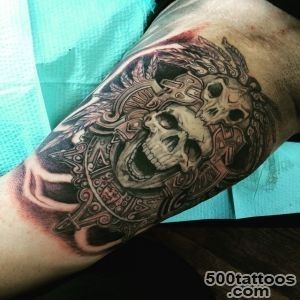
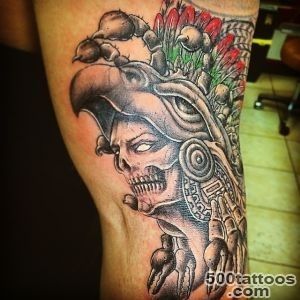
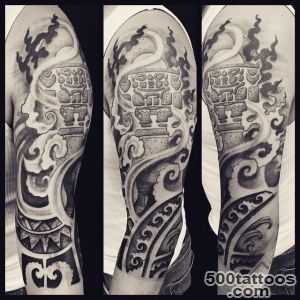
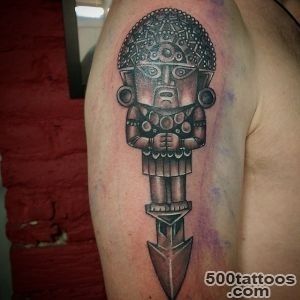
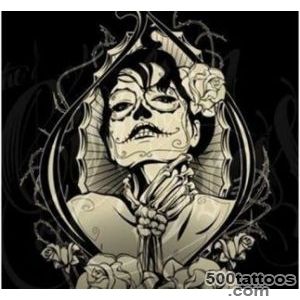
Mexican tattoo
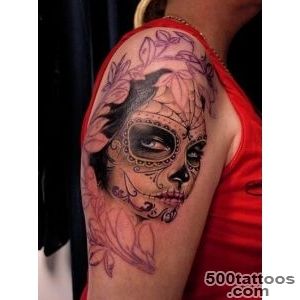
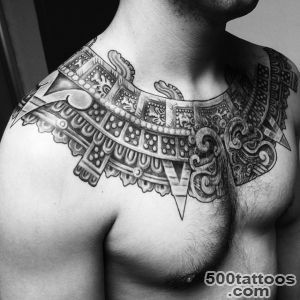
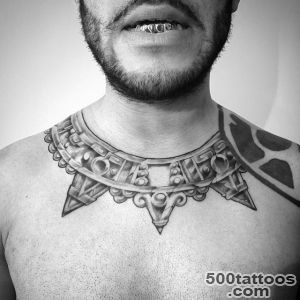
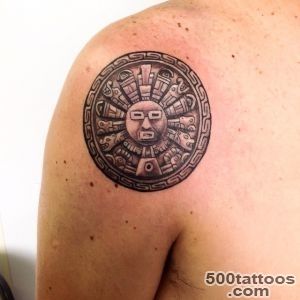
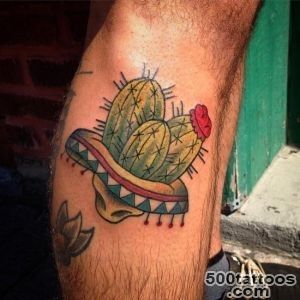
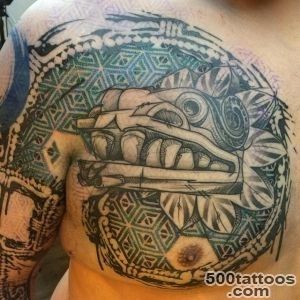
Mexican-inspired body art draws from one of the richest visual cultures in the Americas, blending indigenous roots, colonial history, and vibrant modern traditions into designs that are immediately recognizable and deeply symbolic.
Sugar Skulls and Dia de los Muertos
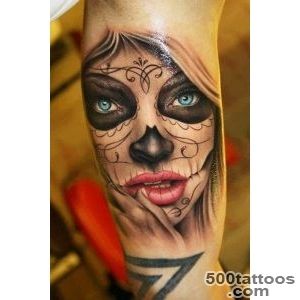
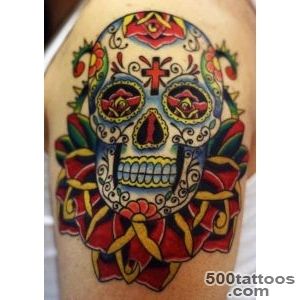
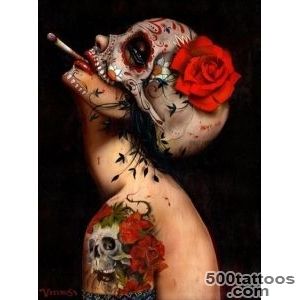
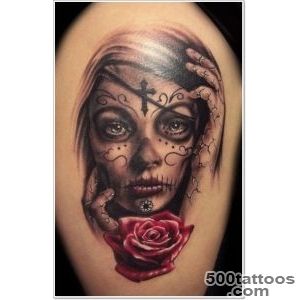
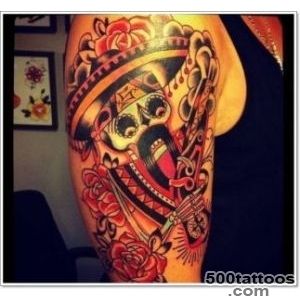
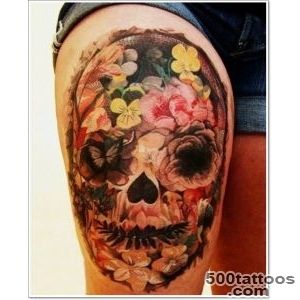
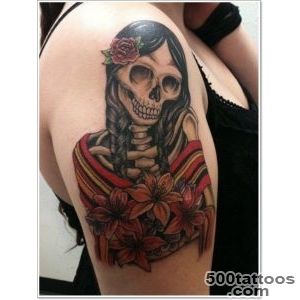
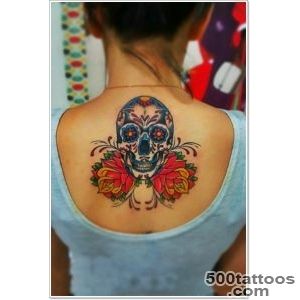
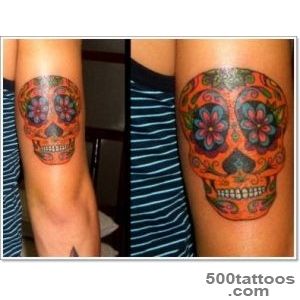
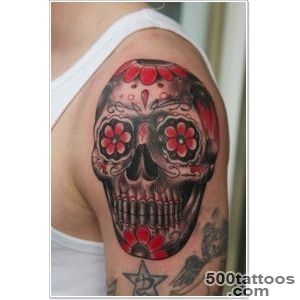
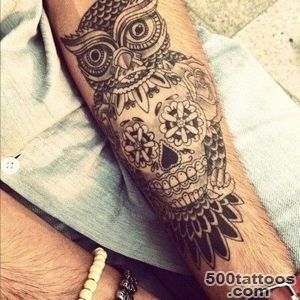
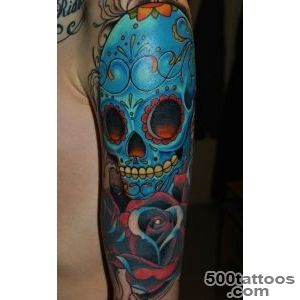
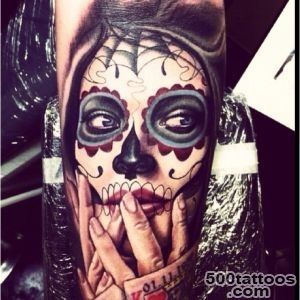
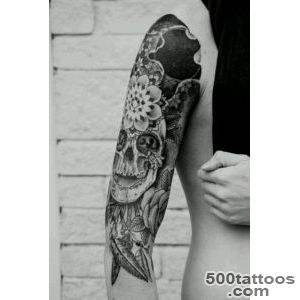
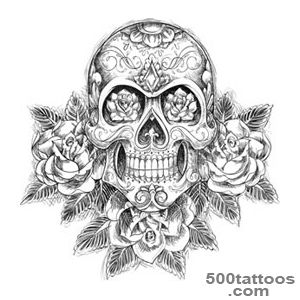
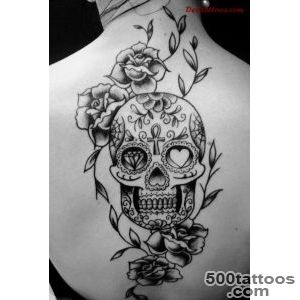
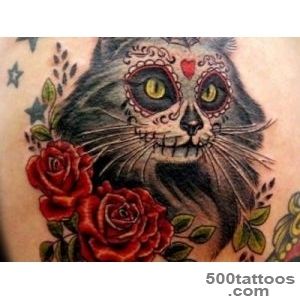
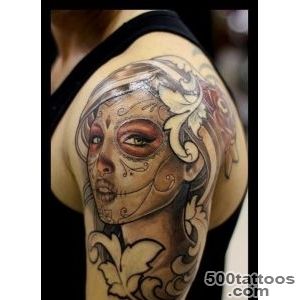
The calavera, or decorated sugar skull, is the most iconic image from the Day of the Dead celebration held on November first and second. Far from morbid, the holiday honors departed loved ones with color, music, food, and joy. A sugar skull with marigold flowers, candles, and ornate patterns serves as both a memorial and a celebration of the ongoing bond between the living and the dead. Each decorative element, from the flower petals in the eye sockets to the web patterns on the forehead, carries specific meaning.
Roses, Crosses, and Sacred Imagery
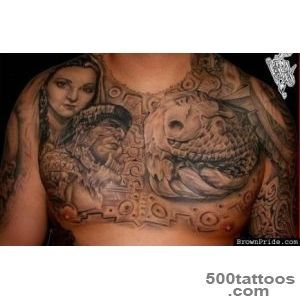
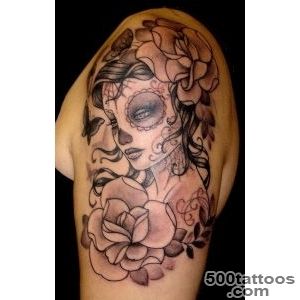
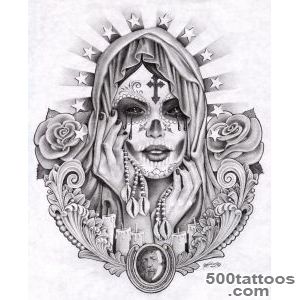
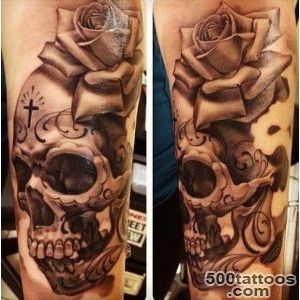
Catholic imagery fused with indigenous symbolism during the colonial era, producing a visual language unique to Mexico. The Virgin of Guadalupe, sacred hearts wrapped in thorns, rosary beads, and ornate crosses appear frequently in Chicano and Mexican-style ink. Roses represent love and sacrifice, and their layered petals give artists room for rich shading and color transitions that add depth to any composition.
Style, Color, and Placement
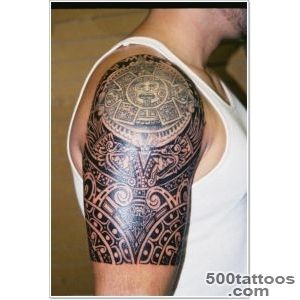
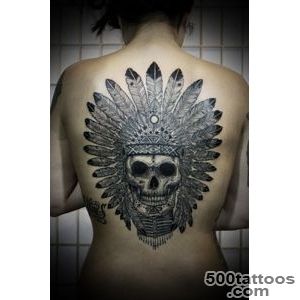
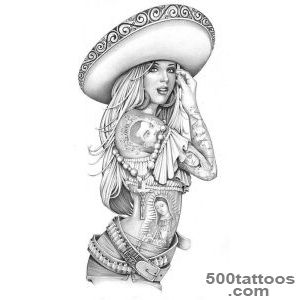
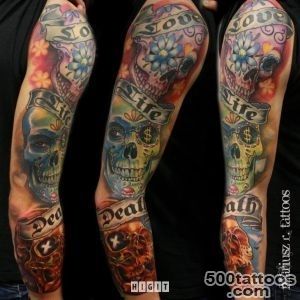
Black and gray fine-line work in the Chicano tradition creates elegant, detailed pieces that age gracefully. Full-color realism brings sugar skulls and floral arrangements to vivid life. The upper arm, chest, and back provide canvas for larger compositions, while a single rose or small calavera works on the forearm or wrist. Bright reds, oranges, and yellows are central to the palette but will need periodic refreshing to stay vibrant over the years.
Mexican tattoo designs and images