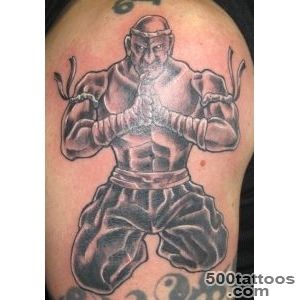
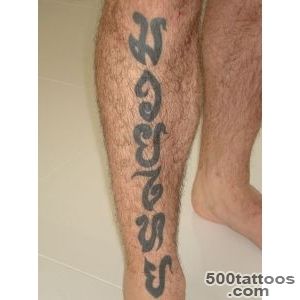
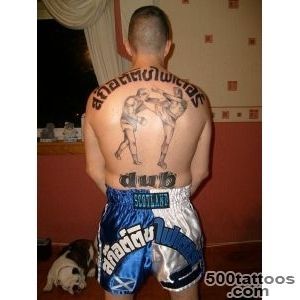
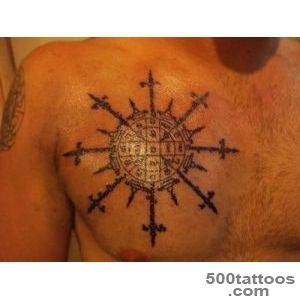
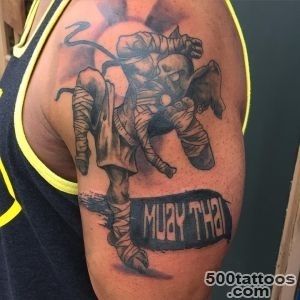
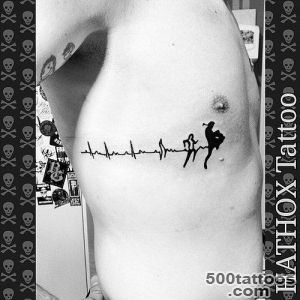
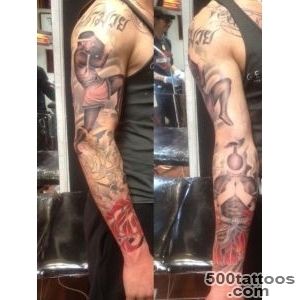
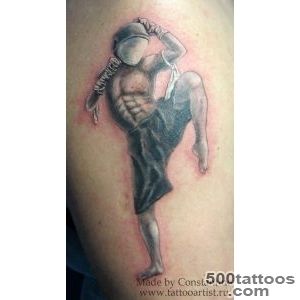
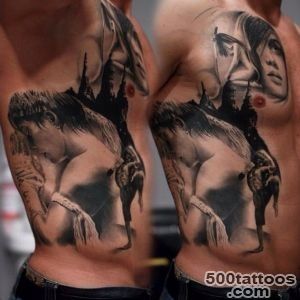
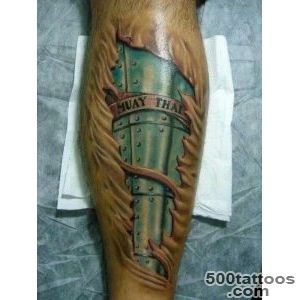
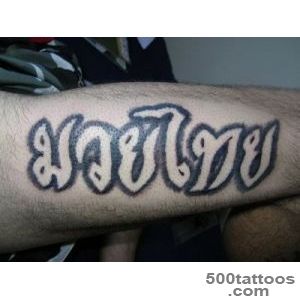
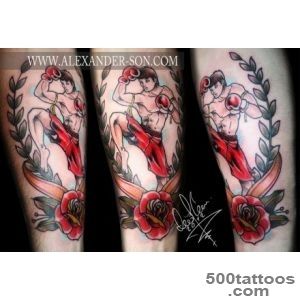
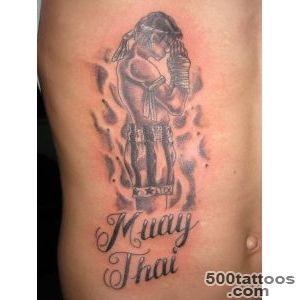
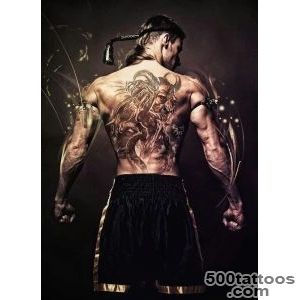
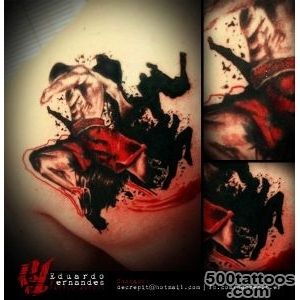
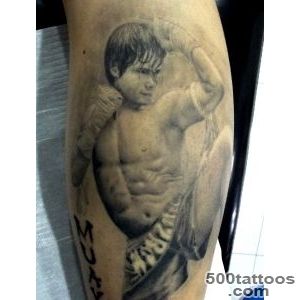
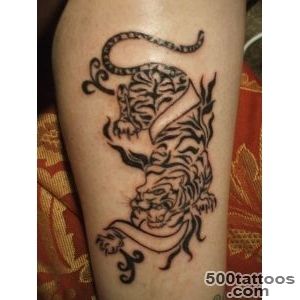
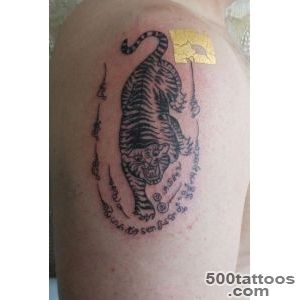
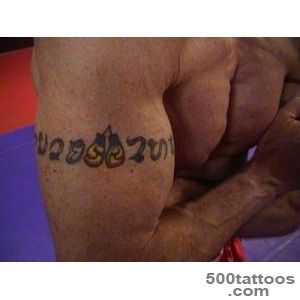
Muay thai tattoo
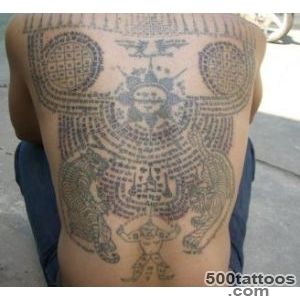
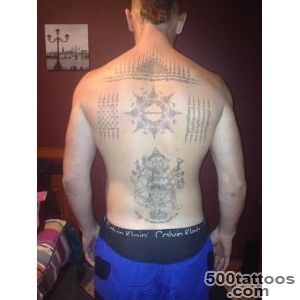
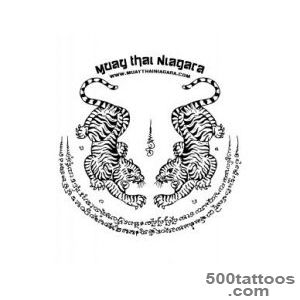
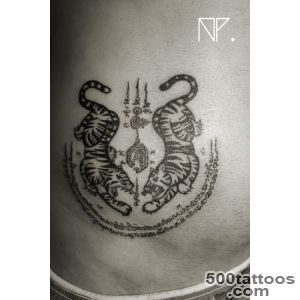
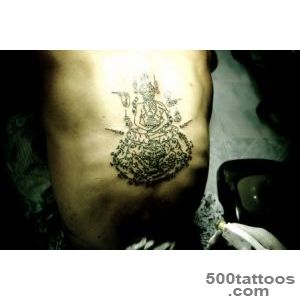
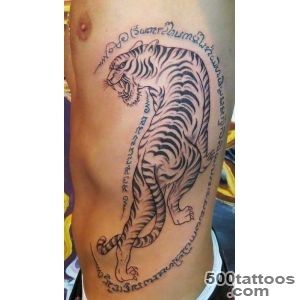
Sak Yant, the sacred geometric and script designs worn by Muay Thai fighters and Thai warriors for centuries, represents one of the most spiritually charged traditions in the world of body art. These are not decorative choices but functional spiritual tools believed to confer protection, strength, and supernatural advantage in combat and daily life.
Ancient Origins and Spiritual Foundation
The tradition dates back over a thousand years to the Khmer Empire, where soldiers inscribed prayers, mantras, and magical formulas into their skin before battle. Thai warriors adopted and evolved the practice, combining Buddhist scripture, Hindu imagery, and animist beliefs into a system of protection that was taken as seriously as physical armor. King Naresuan's soldiers actively sought Sak Yant as spiritual preparation for war.
The Role in Muay Thai Fighting
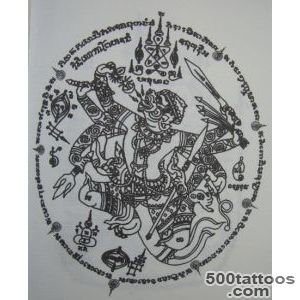
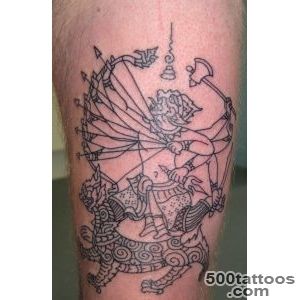
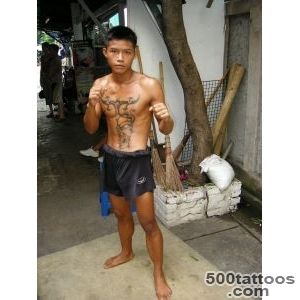
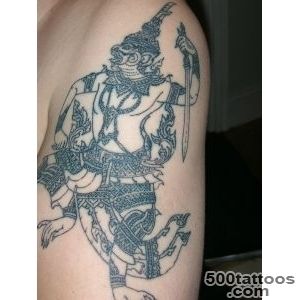
Muay Thai boxers believe that properly applied sacred markings make the skin, muscles, and joints more resistant to strikes. Hanuman, the monkey god from the Ramakien, is one of the most common figures inked on fighters because he embodies agility, strength, endurance, and divine protection. The image is typically placed on the chest, back, hands, or feet, locations that correspond to the body's primary offensive and defensive tools in the ring.
Common Patterns and Their Powers
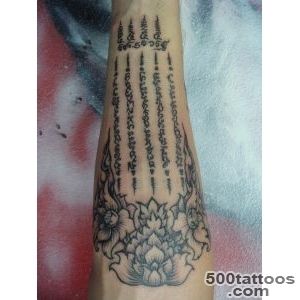
The Hah Taew, or five-line design, is one of the most recognized Sak Yant patterns, with each line conferring a specific blessing such as protection from unjust punishment, reversal of bad fortune, or success in endeavors. The Gao Yord, or nine-spire design, represents the nine peaks of Mount Meru and offers comprehensive protection. Paed Tidt, the eight-direction design, provides safety during travel. Each pattern follows strict geometric rules and must include correctly written Khom script to be considered authentic.
The Ajarn and the Ritual Process
Traditionally, Sak Yant is applied by an Ajarn, a spiritual master who uses a long metal or bamboo rod called a mai sak to hand-poke the ink into the skin. The process includes chanting, prayer, and a blessing that activates the protective power of the design. Receiving Sak Yant from a machine in a commercial shop, while visually similar, is considered spiritually inert by practitioners who follow the tradition seriously.
Rules and Obligations for Wearers
Authentic Sak Yant comes with a set of behavioral rules called sila, which typically include prohibitions against lying, stealing, and harming others. Breaking these rules is believed to void the protective power of the designs. This ethical framework makes Sak Yant more than body art: it is a commitment to a way of living that the wearer is expected to honor daily.
Respectful Approach for Non-Thai Wearers
If you are drawn to Sak Yant but are not part of the Thai or Khmer cultural tradition, seeking out a recognized Ajarn or a deeply knowledgeable practitioner is the respectful path. Understanding the spiritual weight of each design, the rules that accompany it, and the history behind the practice ensures that your piece carries meaning rather than just visual appeal. Many Ajarns welcome sincere foreign students, but authenticity requires commitment beyond aesthetics.
Muay thai tattoo designs and images