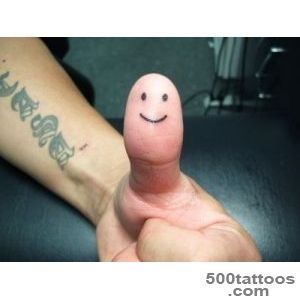
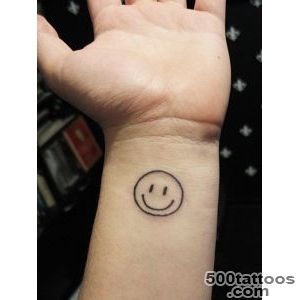
Smiley face tattoo
The smiley face is a deceptively simple icon with a rich countercultural history. From its origins as a 1960s graphic design commission to its adoption by acid house ravers and grunge musicians, the yellow circle with two dots and a curve has meant optimism, irony, and resistance in different decades.
From Harvey Ball to acid house culture
Graphic designer Harvey Ball created the original smiley face in 1963 for an insurance company's morale campaign. By the late 1980s, the symbol had been co-opted by the acid house rave scene in the UK, where it appeared on flyers, ecstasy pills, and T-shirts. A smiley face tattoo from this tradition signals connection to electronic music culture and the Second Summer of Love.
Nirvana, irony, and subversive smileys
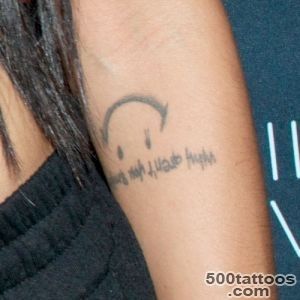
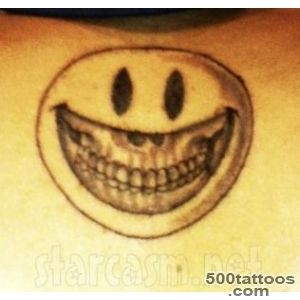
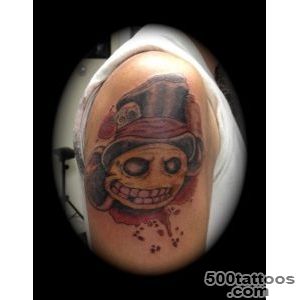
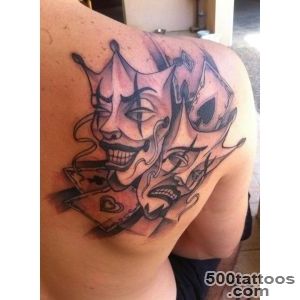
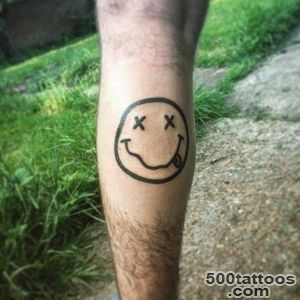
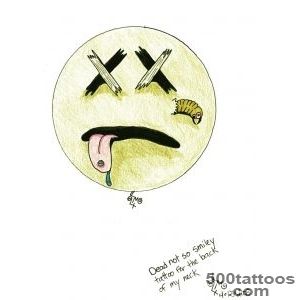
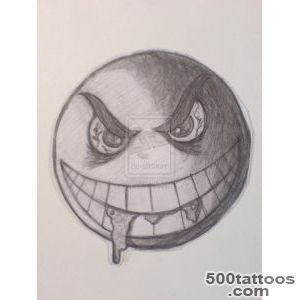
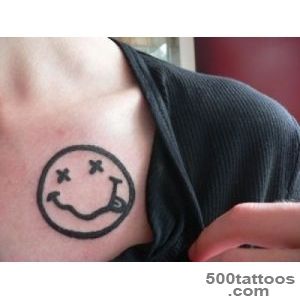
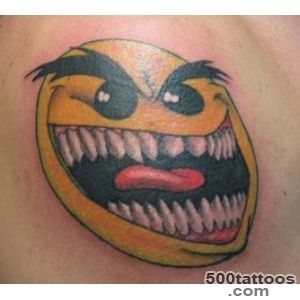
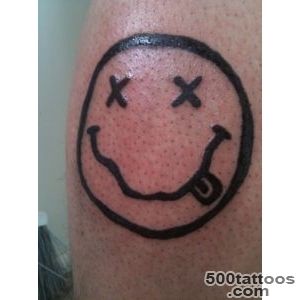
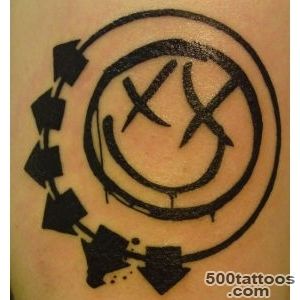
Kurt Cobain's hand-drawn smiley with crossed-out eyes and a drooling tongue became Nirvana's unofficial logo. This subverted version carries grunge-era irony-happiness distorted by disillusionment. Melting smileys, cracked smileys, and smileys with stitched mouths continue this tradition of using a positive symbol to express darker emotions.
Classic, warped, and artistic variations
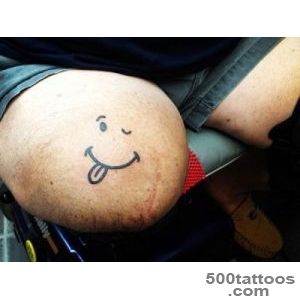
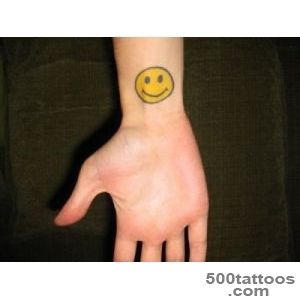
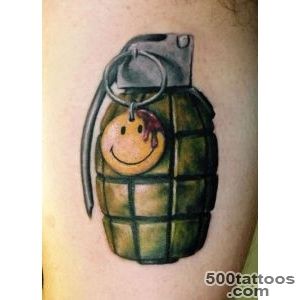
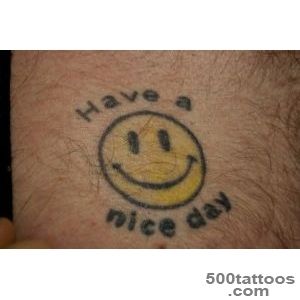
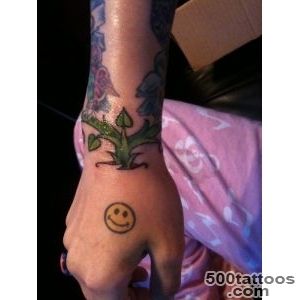
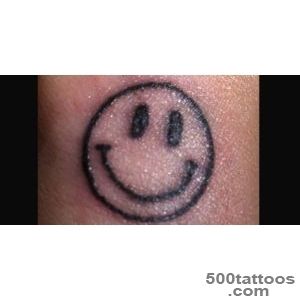
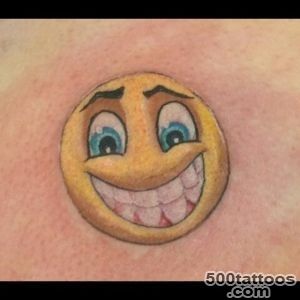
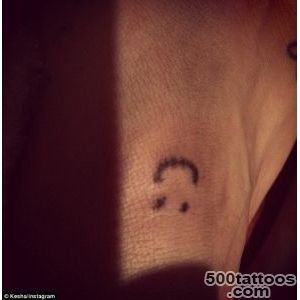
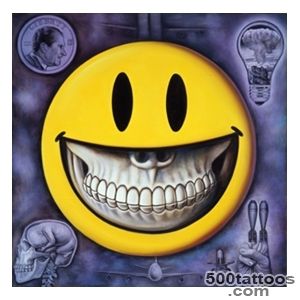
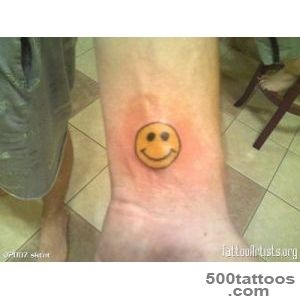
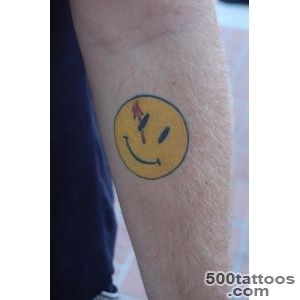
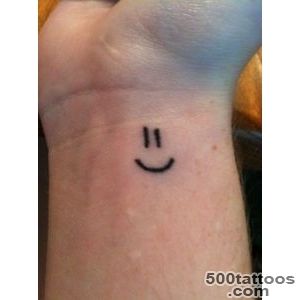
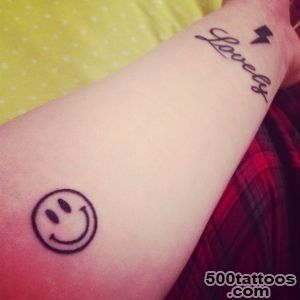
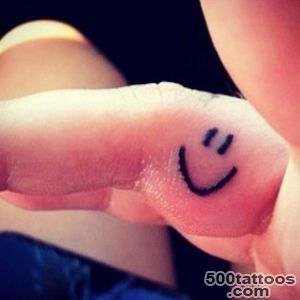
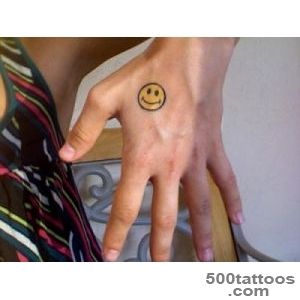
The clean yellow smiley appeals to those who want a straightforward symbol of positivity. Warped and dripping versions lean psychedelic. Realistic three-dimensional smileys use shading to make the face appear as a physical badge pinned to the skin. Line-art smileys in fine single-needle work create a subtle, minimalist take on the icon.
Color choices and styling decisions
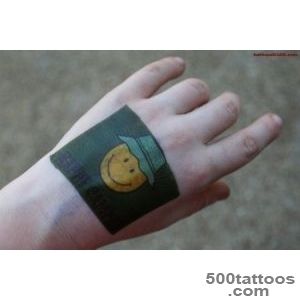
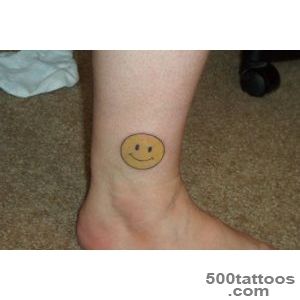
Classic yellow and black honors the original palette. Neon pink, green, or blue links the design to rave culture. All-black smileys in bold outlines or dotwork create a graphic, punk-influenced look. Adding a bandana, sunglasses, or crown to the smiley gives it personality and character beyond the standard template.
Placement for smiley face tattoos
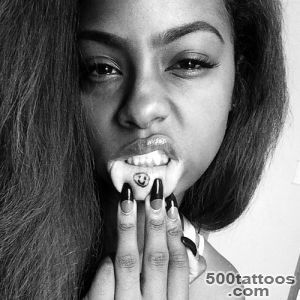
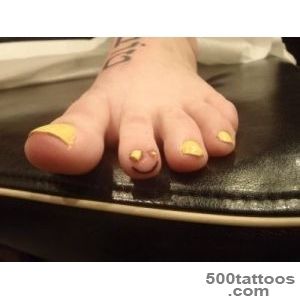
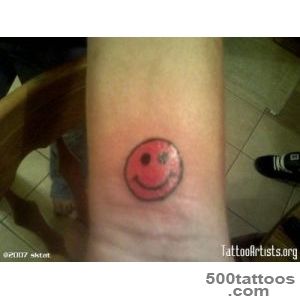
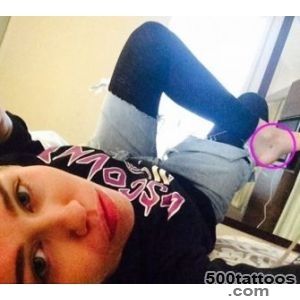
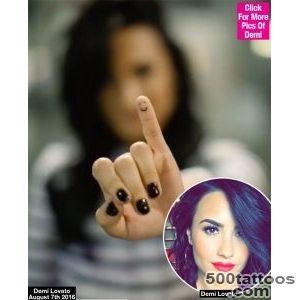
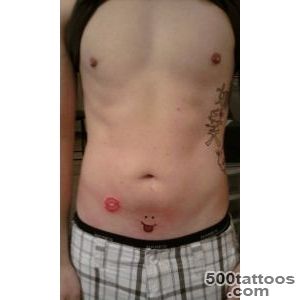
The compact circular shape fits almost anywhere: behind the ear, on the finger, at the wrist, or on the ankle. A medium-sized smiley on the forearm or calf allows for detail additions like drip effects or surrounding text. Larger compositions on the chest or back can feature multiple smileys in different states-happy, melting, cracked-telling a visual story.
Smiley face tattoo designs and images