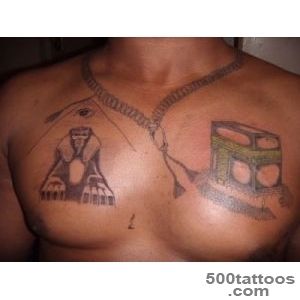
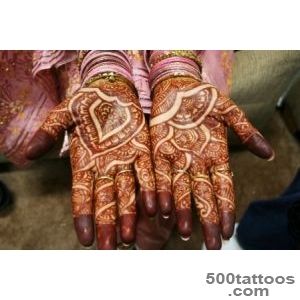
Muslim tattoos
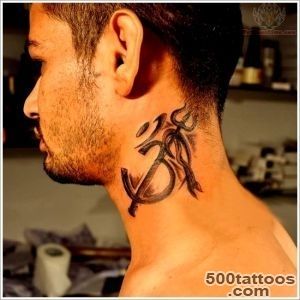
Muslim tattoos are often approached as a reflection of identity, heritage, and personal spirituality, but beliefs about tattooing can vary widely across communities and individuals. If faith is central to you, the most meaningful design is one that feels respectful, intentional, and aligned with your own values.
Navigating Faith and Personal Expression
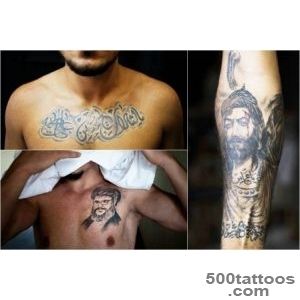
Islamic scholarship traditionally considers permanent body modification haram, but perspectives differ among Sunni, Shia, and Sufi communities, as well as among secular Muslims who see ink as cultural rather than religious. Some choose calligraphic art that references poetry or proverbs rather than direct Quranic text, finding a space between devotion and self-expression. Talking with people you trust, whether scholars, family, or friends, can help you decide what feels right for your situation.
Design Themes and Visual Language
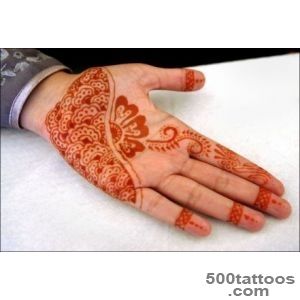
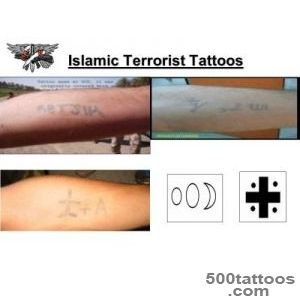
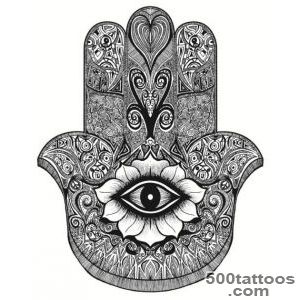
Fine-line work is popular for elegant script-inspired designs, while blackwork suits geometric motifs with strong contrast. Islamic geometric patterns, arabesques, and mashrabiya-inspired lattice work translate beautifully into skin art because their precision rewards close viewing. Watercolor can be used sparingly for a gentle accent, and realism works best for non-religious elements like nature details when you want a softer, illustrative feel.
Calligraphy and Language Accuracy
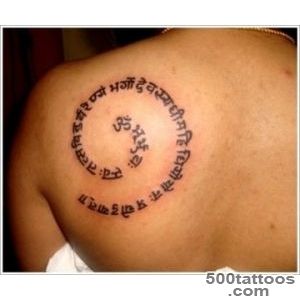
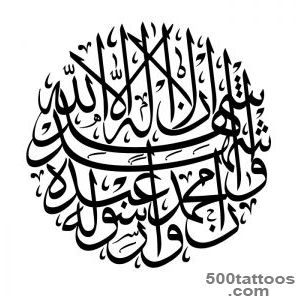
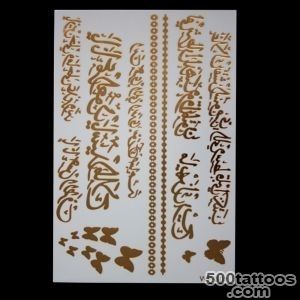
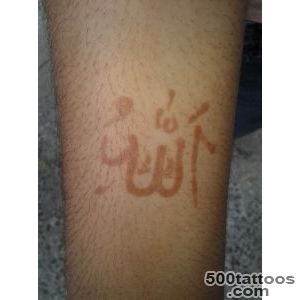
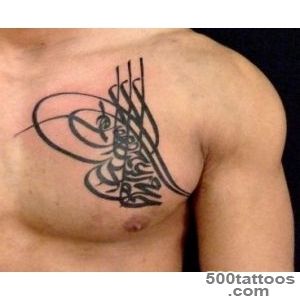
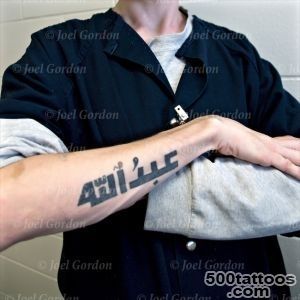
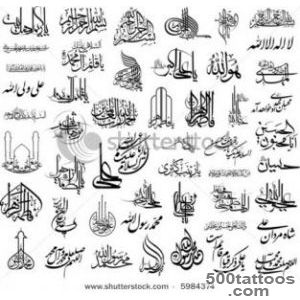
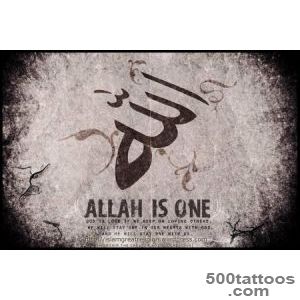
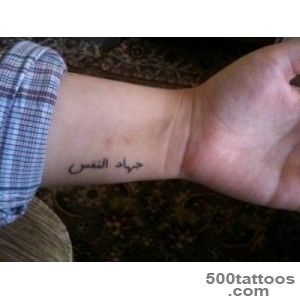
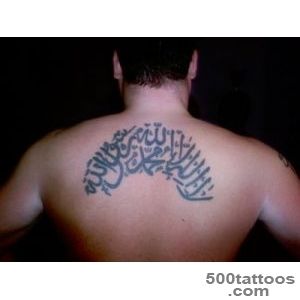
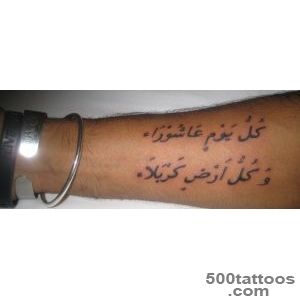
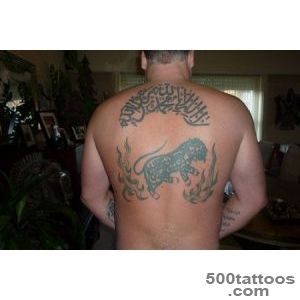
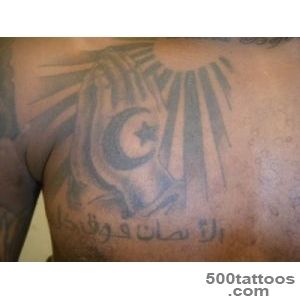
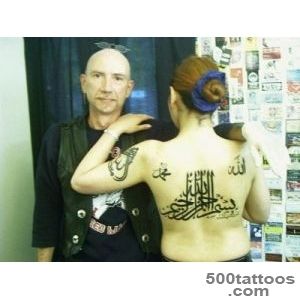
Arabic script flows from right to left and changes shape depending on letter position, which means a single misplaced connector can alter meaning entirely. Always verify text with a native speaker who understands both classical and modern usage. A skilled calligraphy artist can help you select a script style, from Naskh to Diwani, that matches the emotional tone you want.
Placement and Privacy
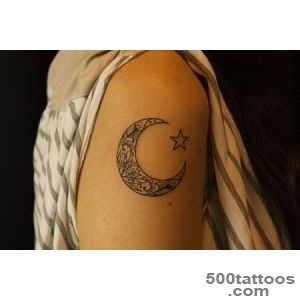
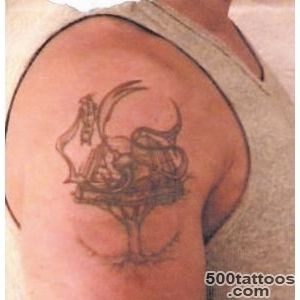
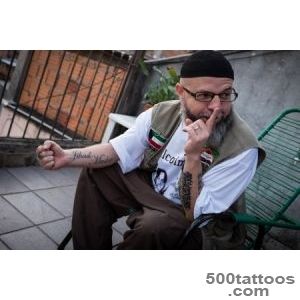
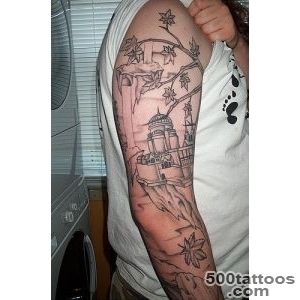
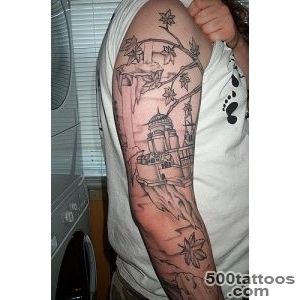
The upper arm or shoulder can keep the piece more private, while the forearm offers a visible canvas for longer designs; the wrist fits a small symbol but is harder to hide. Placement choices often depend on how public you want the design to be in everyday life and how it interacts with prayer or workplace expectations.
Aftercare and Practical Notes
Keep script and details large enough to stay readable, expect the wrist to feel more sensitive, and commit to aftercare so lines heal clean. If you are unsure about cultural or religious implications, taking extra time before the session is always better than rushing a decision you will carry permanently.
Muslim tattoos designs and images