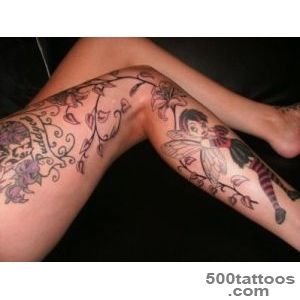
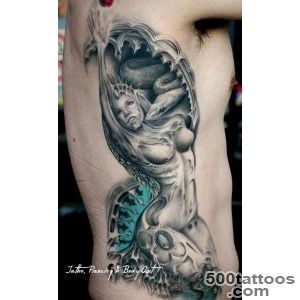
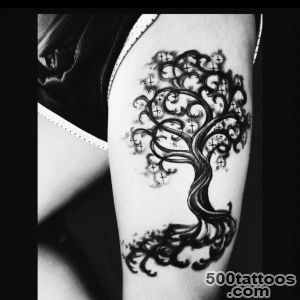
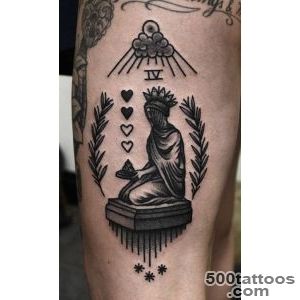
Mystical tattoo
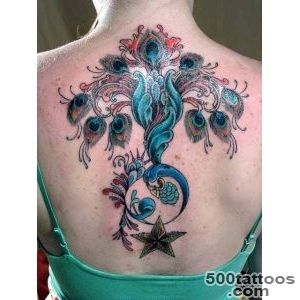
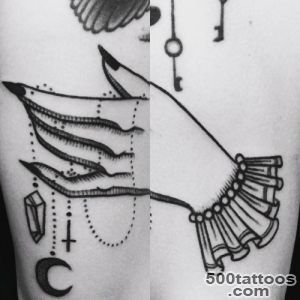
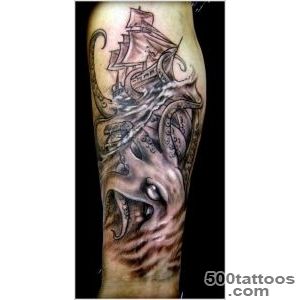
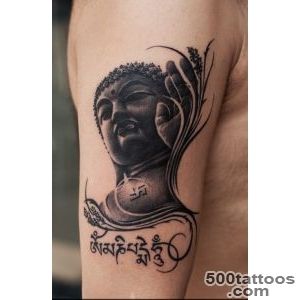
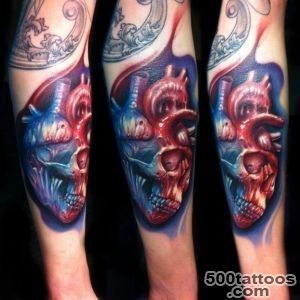
Mystical body art occupies the space where spirituality, the occult, and personal imagination overlap. Angels, demons, alchemical symbols, celestial maps, and figures from esoteric traditions all fall under this broad umbrella, united by the idea that the visible world is not the only one that matters.
Angels, Guardians, and Celestial Beings
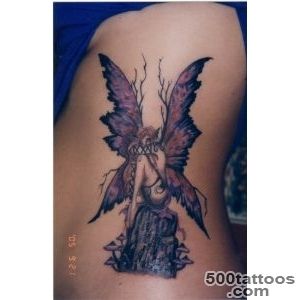
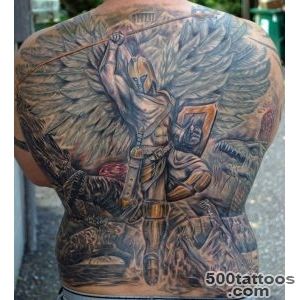
Angelic imagery ranges from Renaissance-style winged figures to abstract representations of light and energy. Guardian angels suggest protection and divine oversight, while fallen angels explore themes of rebellion, independence, and the complexity of moral choice. Seraphim, with their multiple wings and burning light, offer a more dramatic and theologically specific alternative to the standard winged humanoid. The emotional tone shifts significantly depending on whether the figure appears serene, fierce, or sorrowful.
Dark Mysticism and Gothic Themes
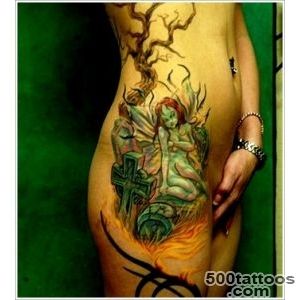
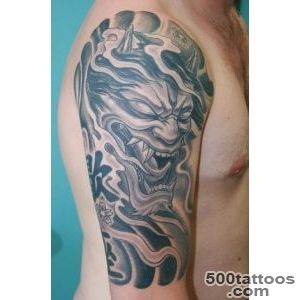
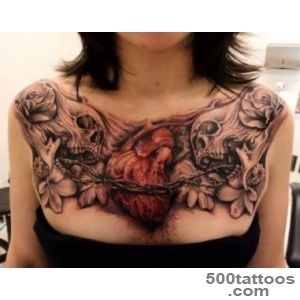
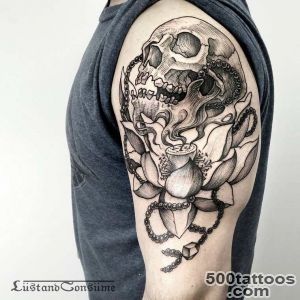
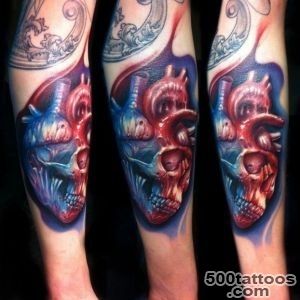
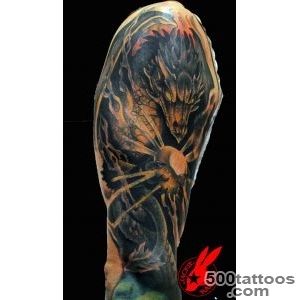
Vampires, demons, reapers, and spectral figures appeal to people drawn to the shadow side of spiritual imagery. These designs are not necessarily about evil but about acknowledging that darkness is part of the human experience. A well-executed demon portrait or a cloaked reaper with a lantern can be as contemplative as any angelic piece, exploring mortality, fear, and the unknown with honesty rather than horror.
Occult Symbols and Esoteric Systems
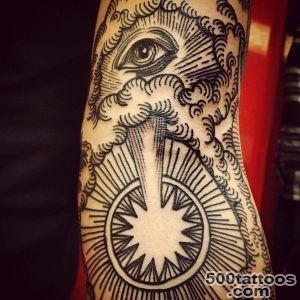
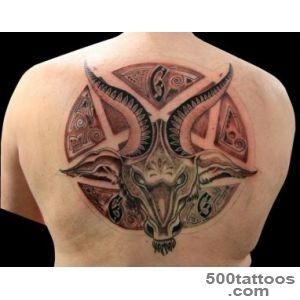
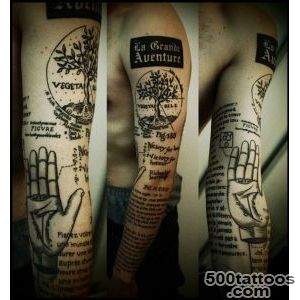
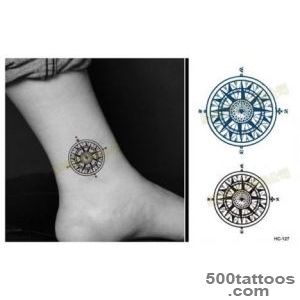
Alchemy symbols, the Tree of Life, tarot card imagery, pentagrams, sigils, and astrological charts all draw from structured esoteric traditions with centuries of documented meaning. A Hermetic diagram or a Kabbalistic glyph communicates differently than a generic mystical scene because it references a specific philosophical framework. Research the system behind the symbol to ensure your design is accurate and intentional.
Magical Protection and Warding Designs
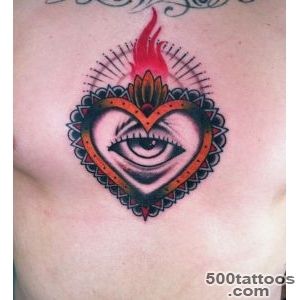
Throughout history, people have marked their bodies with symbols believed to ward off harm, attract good fortune, or bind spiritual forces. The Evil Eye, the Hamsa, Nordic runes, and Eastern European protective patterns all serve this function. Whether you believe in literal protection or simply value the cultural tradition, these designs connect you to thousands of years of human attempts to make the invisible world respond to intention.
Composition and Atmosphere
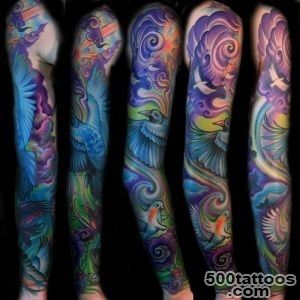
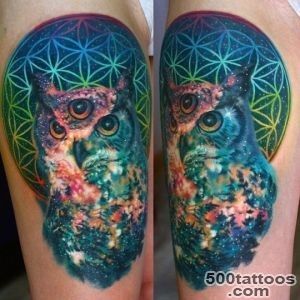
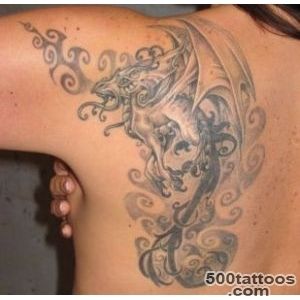
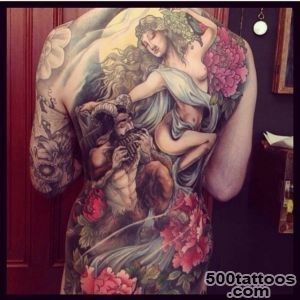
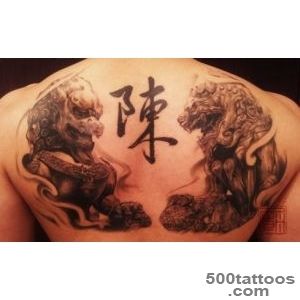
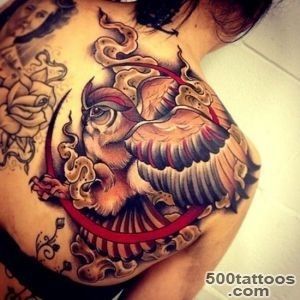
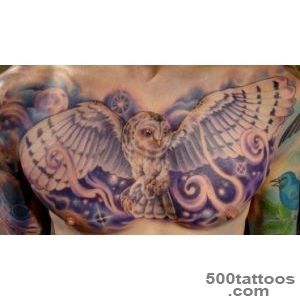
Mystical designs benefit from atmosphere: smoke, light rays, celestial backgrounds, and dramatic contrast between light and shadow. Combining a central figure with environmental elements like clouds, flames, forests, or starfields creates depth and mood. Negative space can represent the void or the unknown, adding conceptual weight without visual clutter.
Style, Placement, and Scale
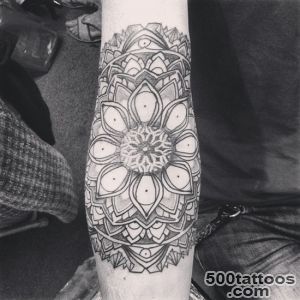
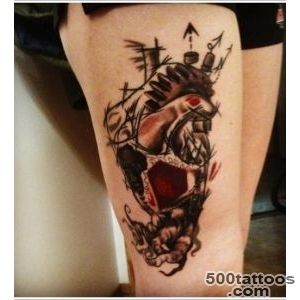
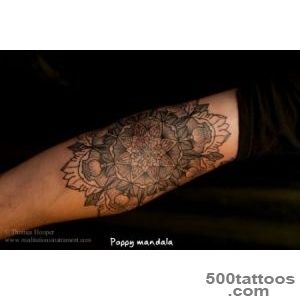
Black and gray realism suits portraits and detailed scenes. Illustrative and neo-traditional approaches allow more stylization and color freedom. Fine-line work excels at intricate symbols and geometric diagrams. The back, chest, and full sleeve are ideal for complex compositions, while a single symbol on the wrist, forearm, or behind the ear provides a subtle, personal connection to the mystical without committing to a large piece.
Mystical tattoo designs and images