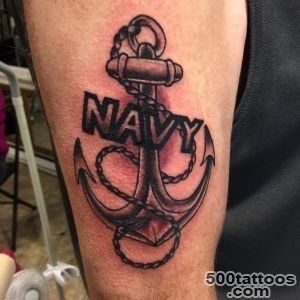
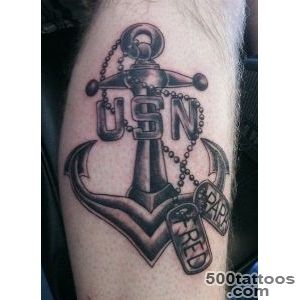
Navy tattoo

Navy tattoo meaning and symbolism
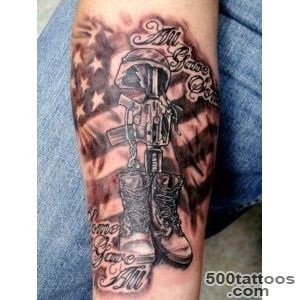
Navy tattoos can represent service, duty, and the bond of shipmates, but they can also celebrate travel, oceans, or a family history tied to the sea. Many people choose them as reminders of discipline and perseverance, or as memorials for a sailor or veteran. For others, the imagery stands for guidance, steady leadership, and the ability to stay calm through rough conditions.
Classic navy motifs
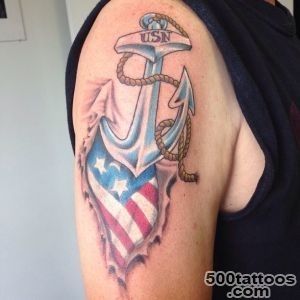
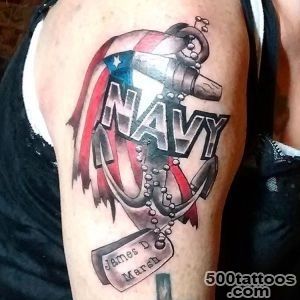
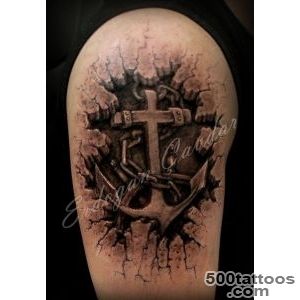
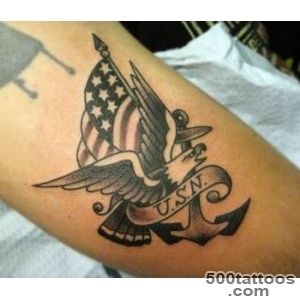
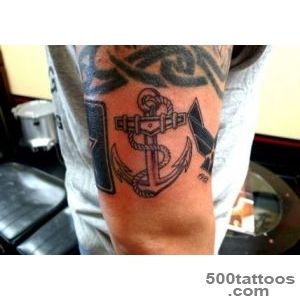
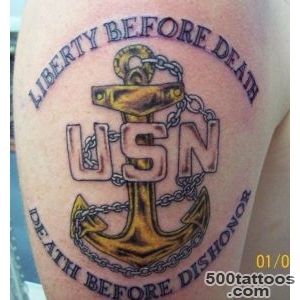
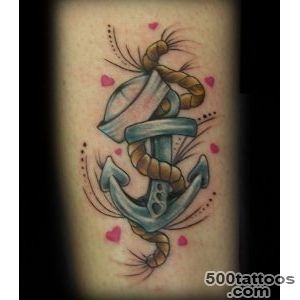
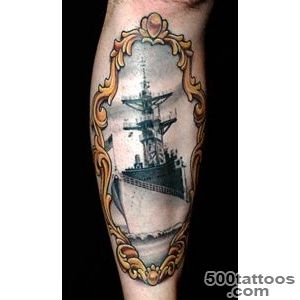
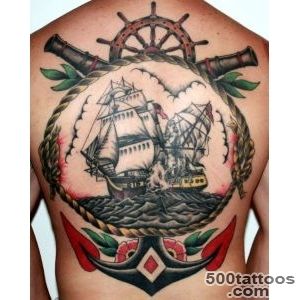
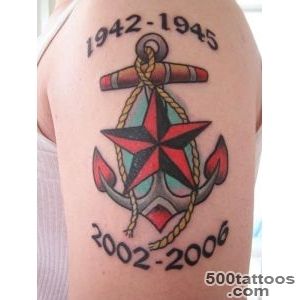
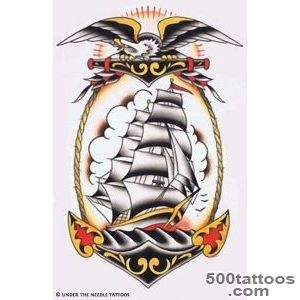
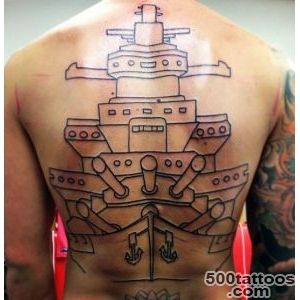
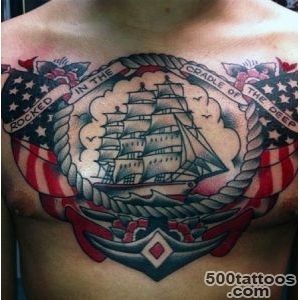
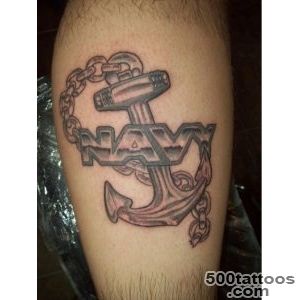
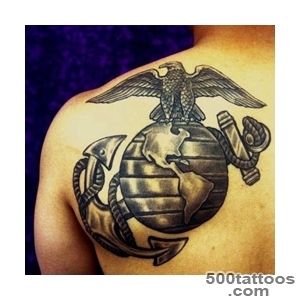
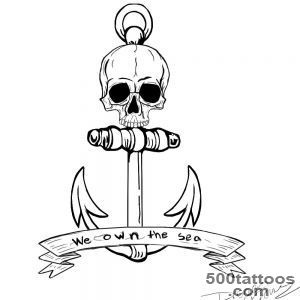
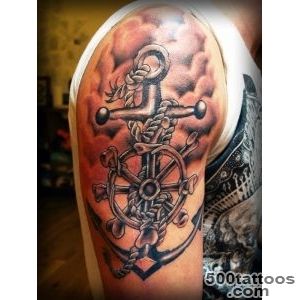
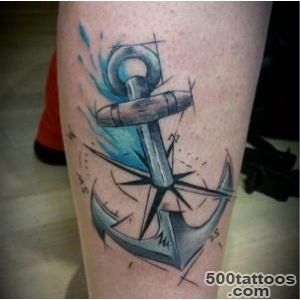
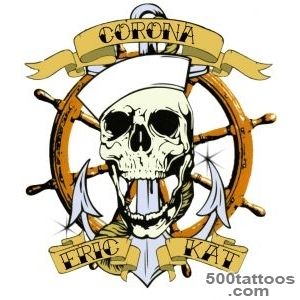
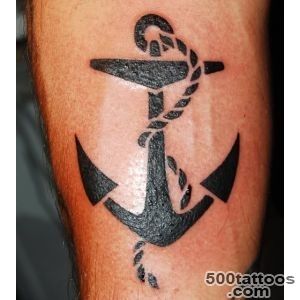
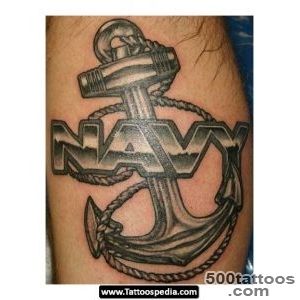
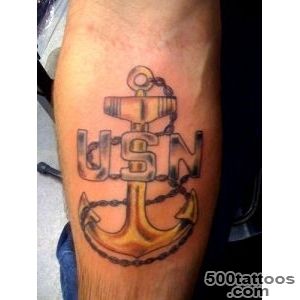
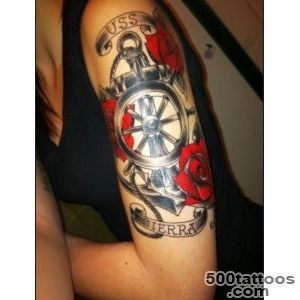
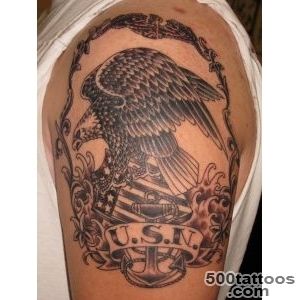
Anchors, ships, nautical stars, compasses, ropes, and waves are the most recognizable elements. You can keep the design minimal with a single anchor, or build a larger scene with a vessel, horizon line, and weather details for a more story-driven piece. Swallows, knots, and signal flags can add extra meaning about travel, return, or communication.
Style and color choices
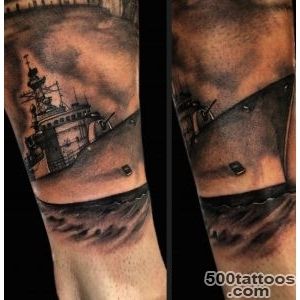
Traditional and neo-traditional styles work well because bold outlines keep the design readable, especially for ropes and small lettering. Realism fits portraits or ship details, while blackwork or dotwork can create a clean, emblem-like look if you want something understated. A muted palette of navy, gold, and red keeps the theme classic without overpowering the linework.
Placement and scale
Forearm, upper arm, chest, shoulder, and calf are common because they give enough space for crisp linework. Small placements like wrist or ankle suit simple anchors or stars, but complex ship scenes need larger areas to avoid muddy detail. A chest or back layout is ideal for full ships, banners, and layered waves.
Personalization without misrepresentation
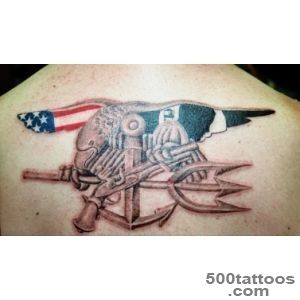
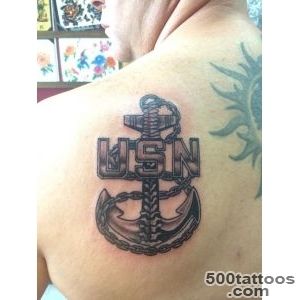
If you did not serve, avoid official unit crests or rank insignia; instead use neutral maritime symbols or personal travel references. Dates, coordinates, ship names, or a short motto can make the piece personal without claiming service. If you are honoring family, initials or a service date can carry meaning without copying formal emblems.
Navy tattoo designs and images