Samoan tattoo
Samoan tattooing is one of the oldest continuous tattoo traditions in the world. Known as tatau, the practice carries deep cultural meaning tied to identity, rank, and community service. The bold geometric patterns and rituals surrounding the process set Samoan ink apart from every other tattoo style.
Pe'a and malu: traditional Samoan tattoo forms
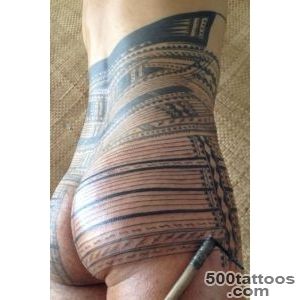
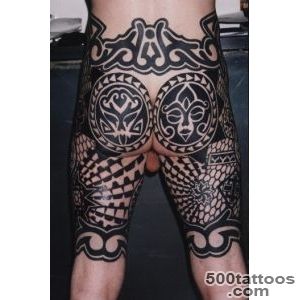
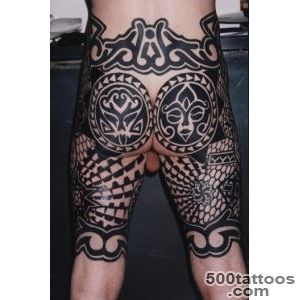
The pe'a is a male tattoo covering the body from waist to knee in dense black geometric patterns. The malu, its female equivalent, uses finer lines and lighter motifs on the thighs. Both are applied with hand-tapping tools made from bone and tusk, a painful process that can take weeks. Receiving a pe'a or malu marks a person's readiness to serve their community.
Geometric patterns and their meanings
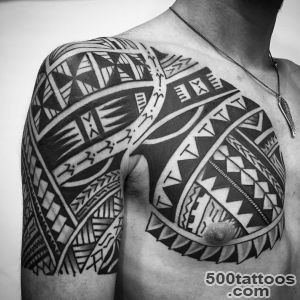
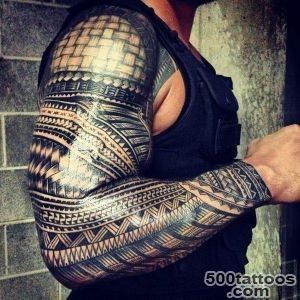
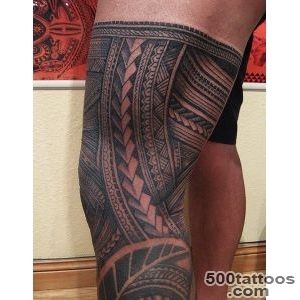
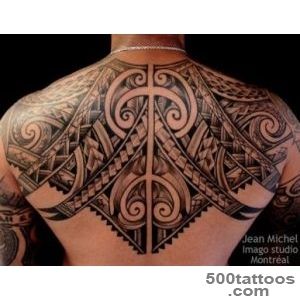
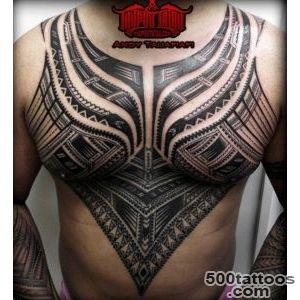
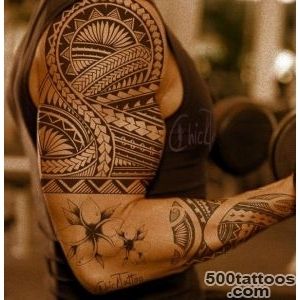
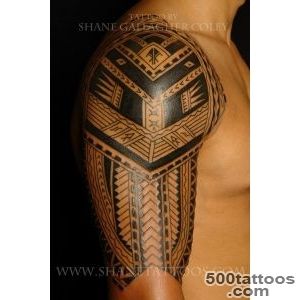
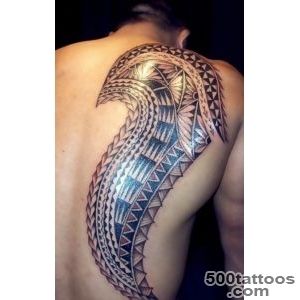
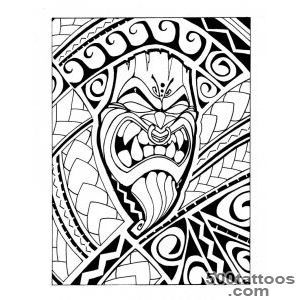
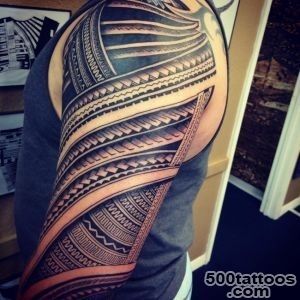
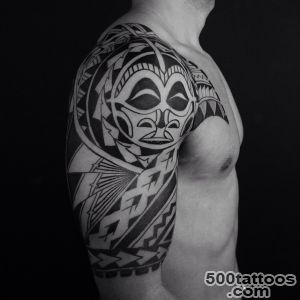
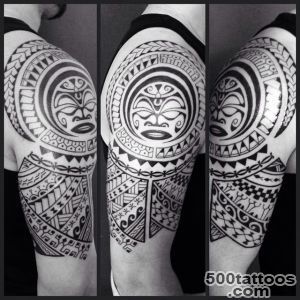
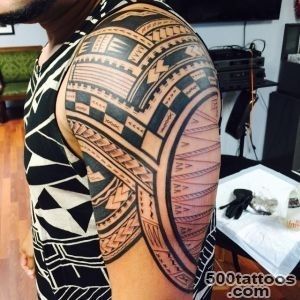
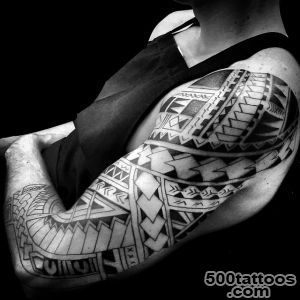
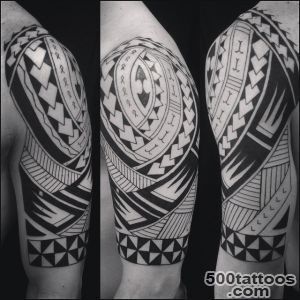
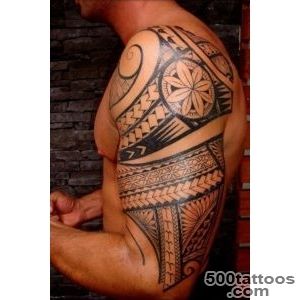
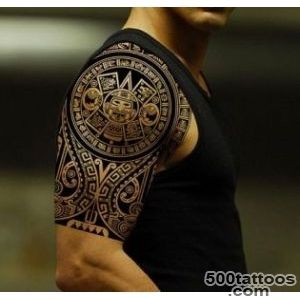
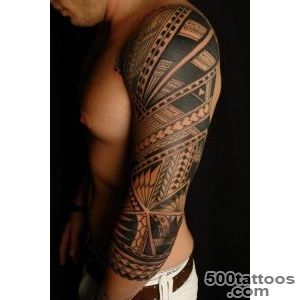
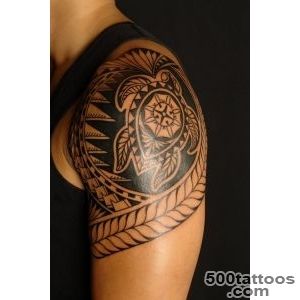
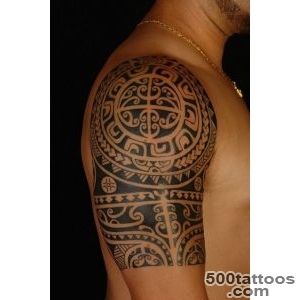
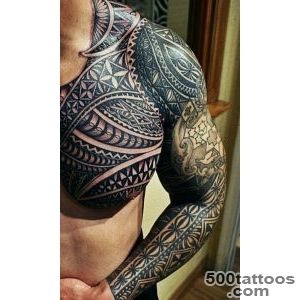
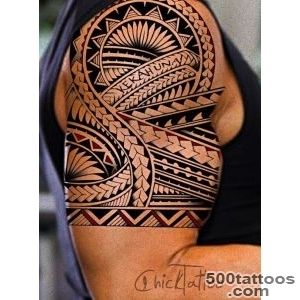
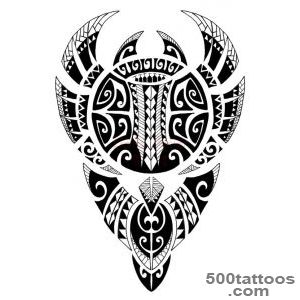
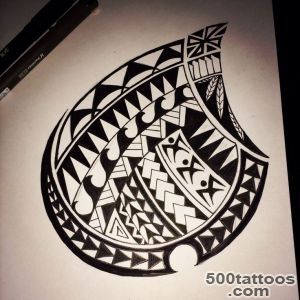
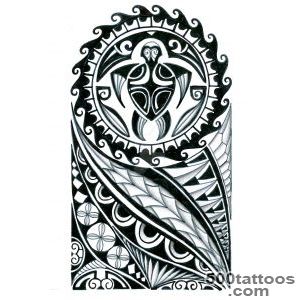
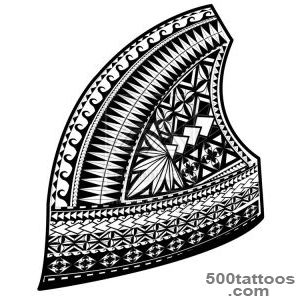
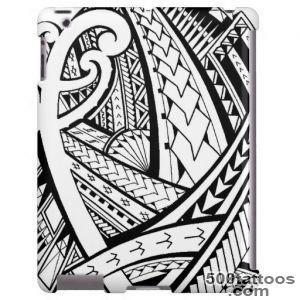
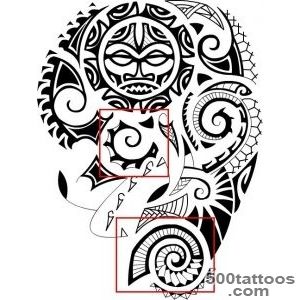
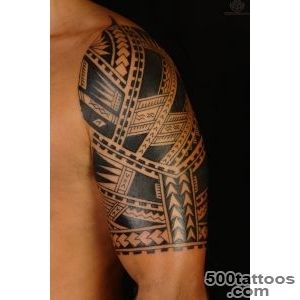
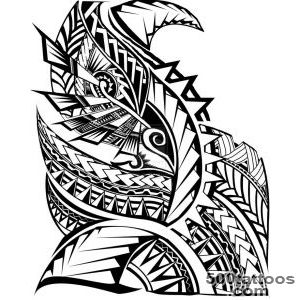
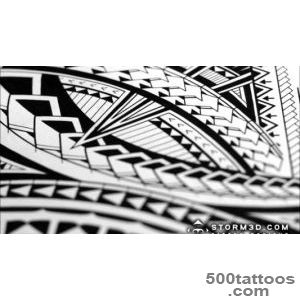
Samoan patterns use repeated motifs like the centipede (representing courage), ocean waves (adaptability), and the sun (leadership). Triangular teeth patterns called nifo oti symbolize warrior strength. Each section of the tattoo corresponds to a specific body area and carries layered cultural significance that the tufuga (master tattooer) selects based on the recipient's family and role.
Modern adaptations and cultural respect
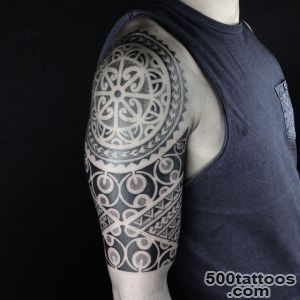
Many people of Samoan descent commission modern interpretations that blend traditional motifs with contemporary blackwork techniques. Non-Polynesian clients should research the cultural weight of these designs and work with artists who understand their origins. Using sacred patterns purely as decoration can cause offense within Pacific Islander communities.
Placement and body flow in Polynesian design
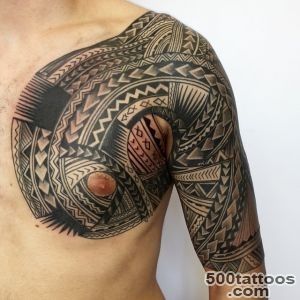
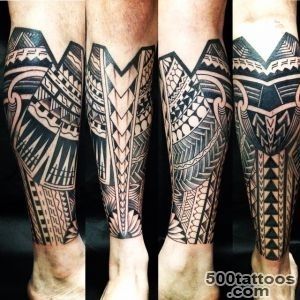
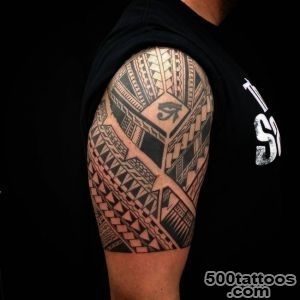
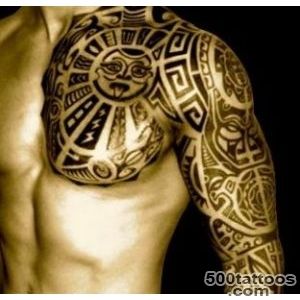
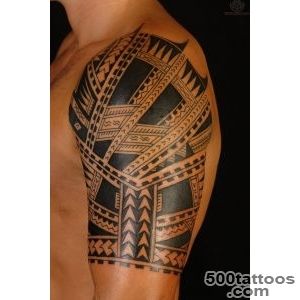
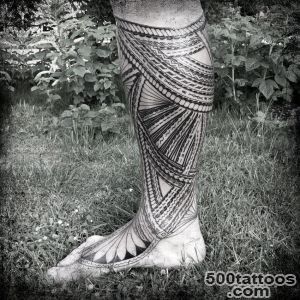
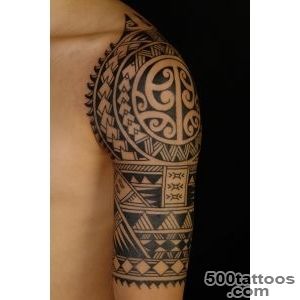
Traditional Samoan tattoos follow the body's contours, wrapping around muscle groups and joints. Modern placements include the upper arm, chest panel, and calf. The designs typically flow from broader patterns at the top to finer detail at the edges, creating a visual hierarchy that complements the body's natural shape.
Samoan tattoo designs and images