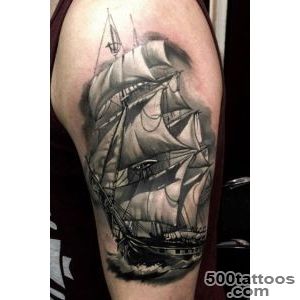
Ship tattoo
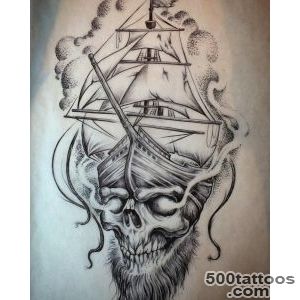
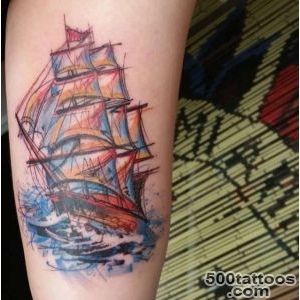
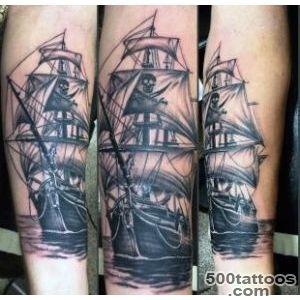
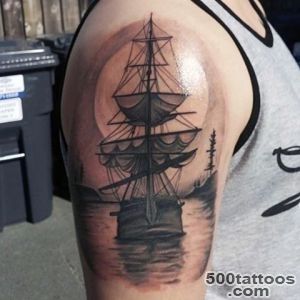
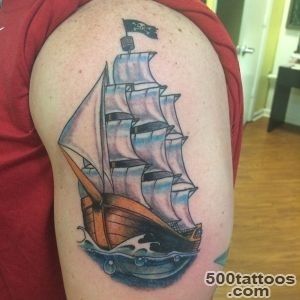
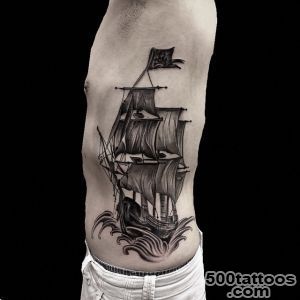
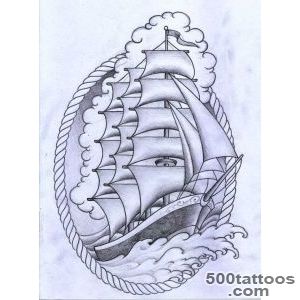
Ship tattoos have sailed through every era of Western tattoo history. From 18th-century sailor marks to modern nautical sleeves, the ship represents adventure, freedom, and the courage to navigate unknown waters. The vessel type-galleon, clipper, ghost ship, or Viking longship-shapes the design's personality.
Nautical tradition and sailor origins
Sailors tattooed fully rigged ships to mark their passage around Cape Horn or to document completed voyages. A ship under full sail meant the wearer had survived dangerous waters. The tradition lives on among maritime workers, navy veterans, and anyone who identifies with the idea of charting their own course through life.
Vessel types and their distinct moods
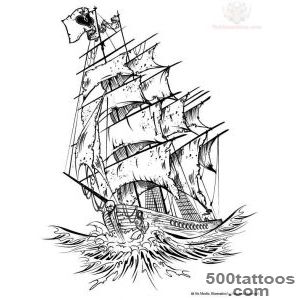
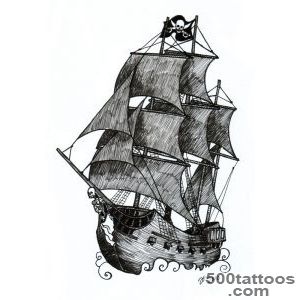
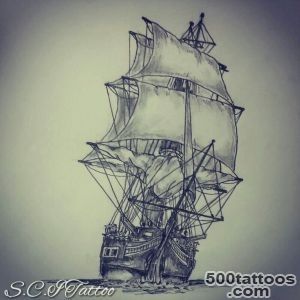
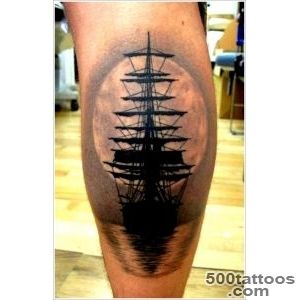
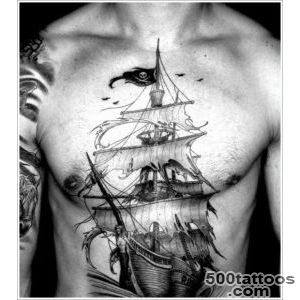
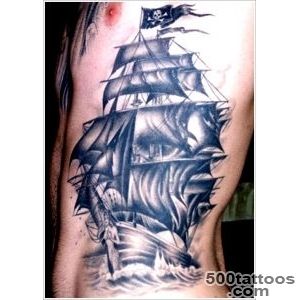
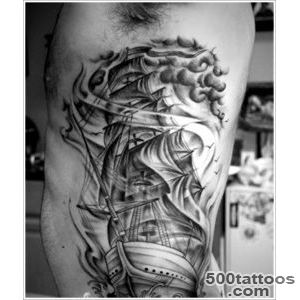
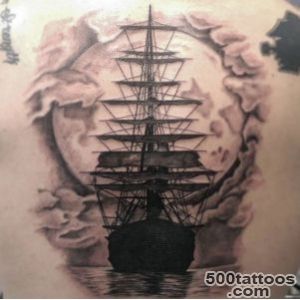
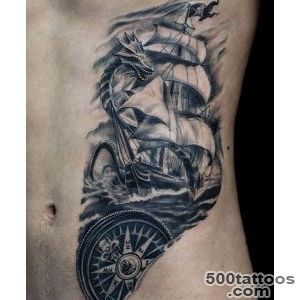
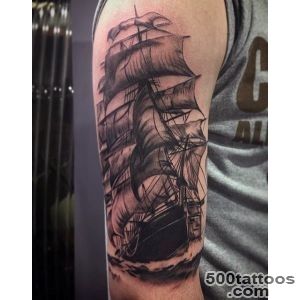
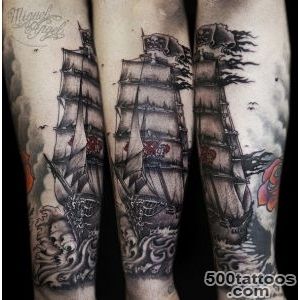
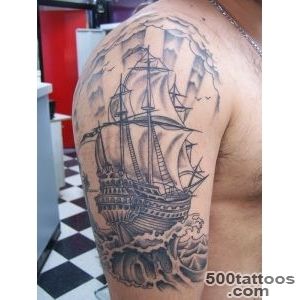
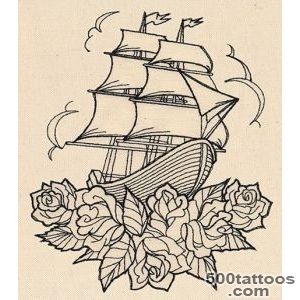
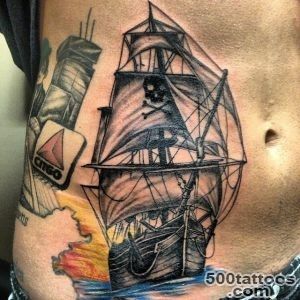
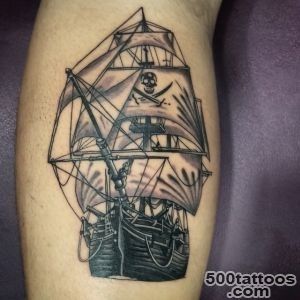
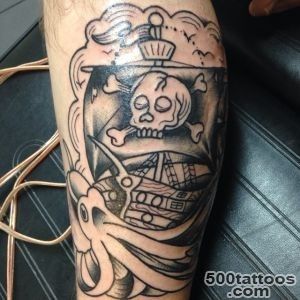
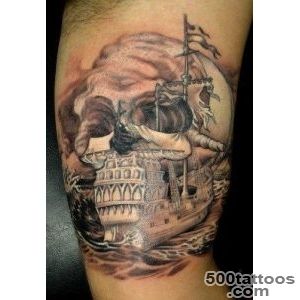
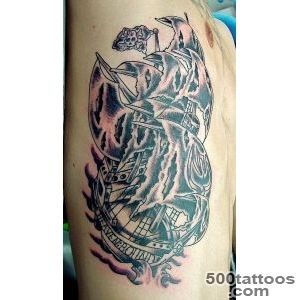
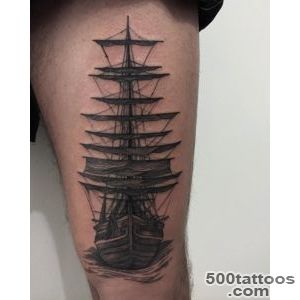
Tall ships and galleons with billowing sails project grandeur and classical adventure. Clipper ships emphasize speed and sleek lines. Ghost ships with tattered sails and skeletal crews introduce a supernatural edge. Viking longships with dragon prows connect to Norse exploration heritage. Each vessel carries different cultural weight and visual drama.
Storm scenes, calm seas, and composition depth
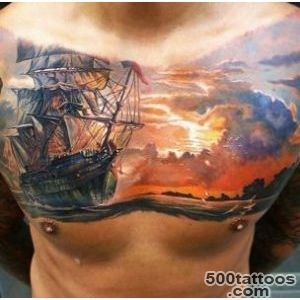
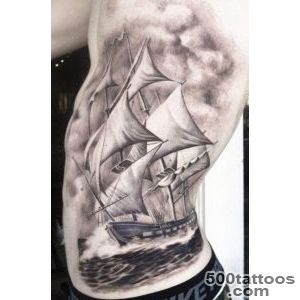
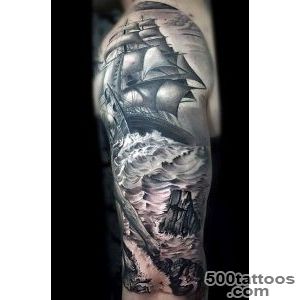
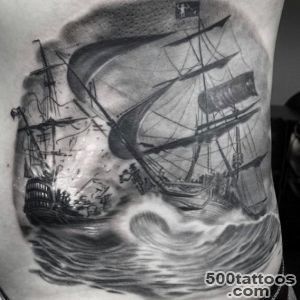
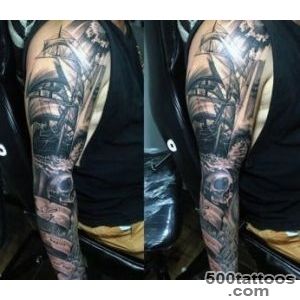
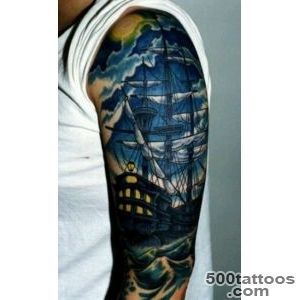
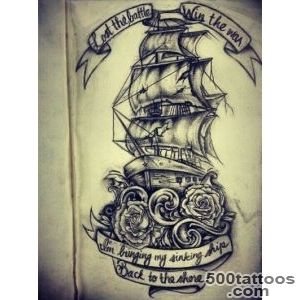
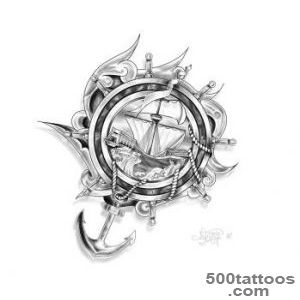
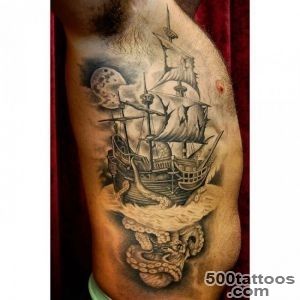
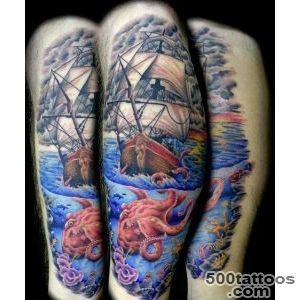
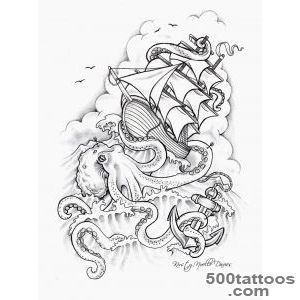
Surrounding the ship with crashing waves, lightning, and dark clouds creates a scene of survival against the odds. Calm-sea compositions with a sunset horizon convey peaceful journeys and reflection. Adding a compass rose, kraken tentacles, or a lighthouse in the background builds narrative layers. Ships in bottles create a whimsical twist on the traditional format.
Style and placement for ship tattoos
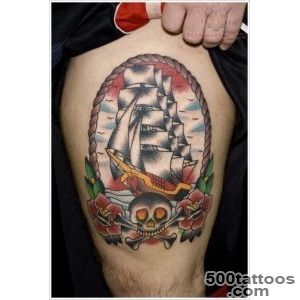
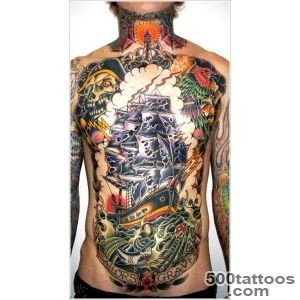
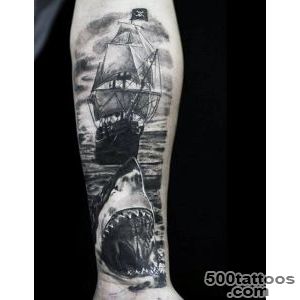
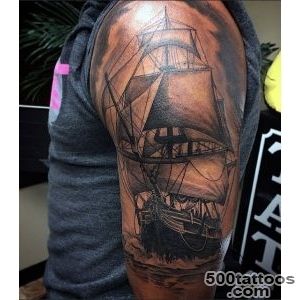
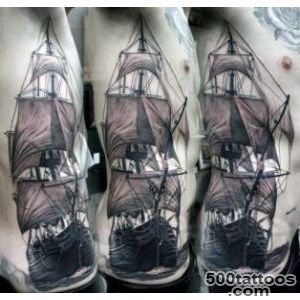
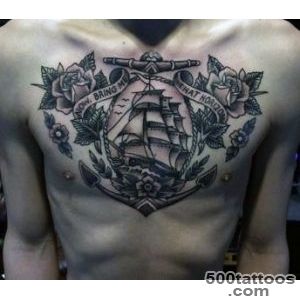
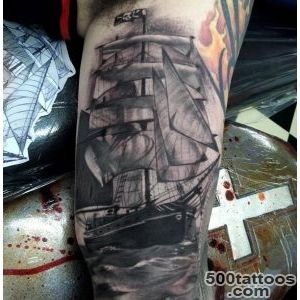
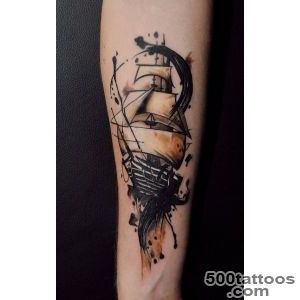
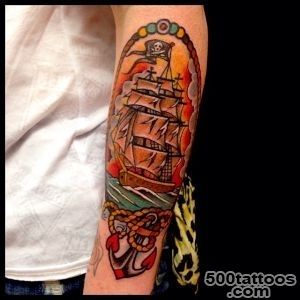
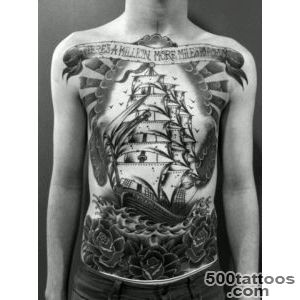
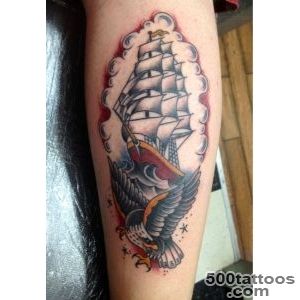
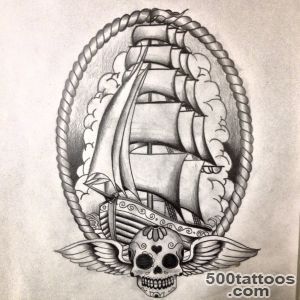
American traditional ships use bold outlines, limited color, and flat perspective. Realistic ships demand detailed rigging, wood-grain texture, and atmospheric ocean rendering. The chest and back provide wide canvases for broadside ship views with full scenery. Forearm placements suit vertical compositions with the ship sailing upward. Calf tattoos allow wraparound ocean scenes.
Ship tattoo designs and images