Skinhead tattoo

Skinhead tattoos sit within one of the most misunderstood subcultures in modern history. Originating in 1960s British working-class culture with roots in Jamaican rude boy fashion and ska music, the skinhead movement later fractured into sharply opposing factions. Understanding this context matters for anyone considering or studying these designs.
Origins in ska, reggae, and working-class Britain
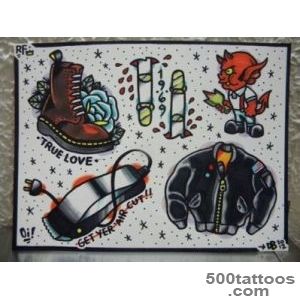
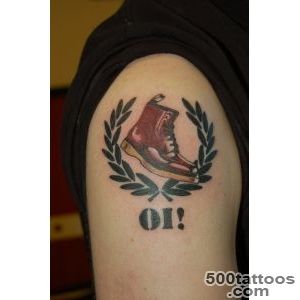
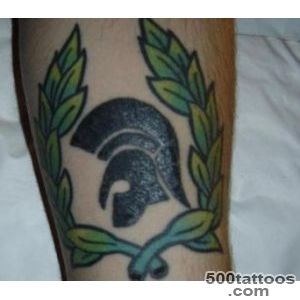
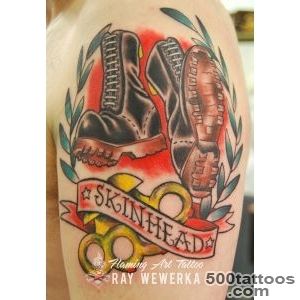
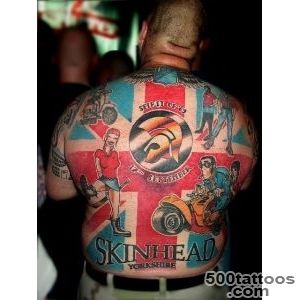
The original skinhead movement blended British mod culture with Jamaican immigrant music and fashion. Doc Martens boots, braces, and close-cropped hair became the uniform. Tattoos from this era reference ska bands, Trojan Records logos, and union-jack imagery tied to working-class pride rather than political extremism. Many modern skinheads-particularly SHARP (Skinheads Against Racial Prejudice)-actively reclaim these apolitical roots.
Common motifs and their loaded meanings
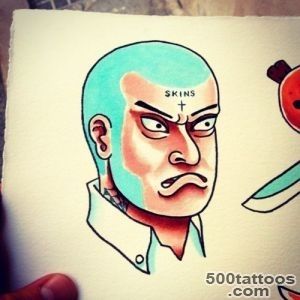
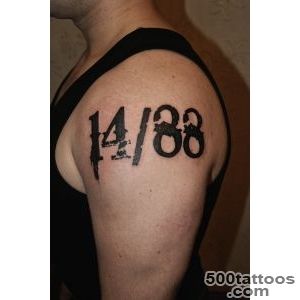
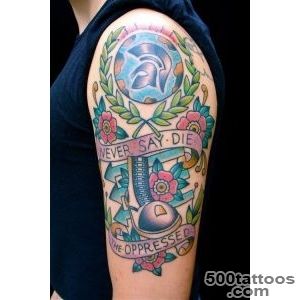
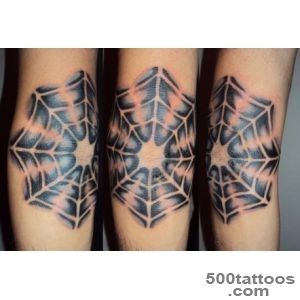
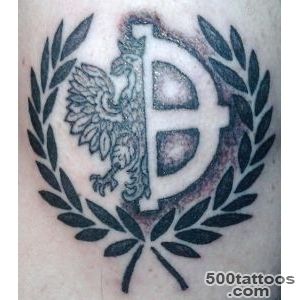
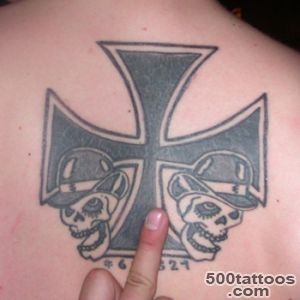
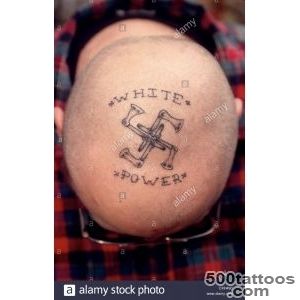
Crucified skinhead figures, spider webs, and boot prints appear across the subculture. Some symbols carry specific political weight depending on context: certain number codes, eagle variations, and Celtic crosses have been adopted by extremist groups. Other motifs-like the Trojan helmet, two-tone checkerboard, and laurel wreaths-remain firmly within the anti-racist and traditional skinhead camp.
The importance of context and research
A symbol's meaning shifts depending on regional context, accompanying imagery, and the wearer's declared affiliation. What reads as working-class heritage in London may be interpreted as a hate symbol in another country. Artists and clients should research thoroughly and consider how a design will be perceived across different audiences.
Style approaches for subculture tattoos
Traditional bold-line techniques suit the graphic, high-contrast nature of skinhead imagery. Black-and-grey realism works for portrait-style pieces of musicians or cultural figures. Lettering in block or stencil fonts carries slogans and band names. Keeping compositions clean and uncluttered reflects the subculture's no-nonsense aesthetic.
Placement patterns within the subculture
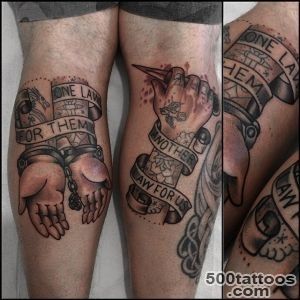
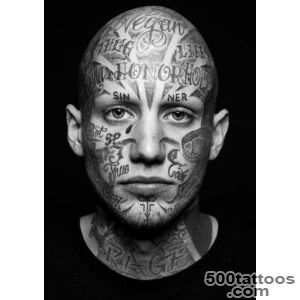
Historically skinhead tattoos appear on the forearms, hands, and neck-visible locations that publicly declare identity. Chest and back placements offer more space for detailed compositions. Modern clients may choose less visible spots like the upper arm or calf, allowing the design to be shared selectively.
Skinhead tattoo designs and images