Slavic tattoos
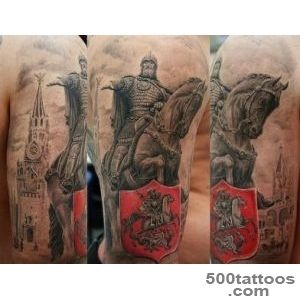
Slavic tattoos connect wearers to the pre-Christian spiritual world of Eastern Europe. From the thunder god Perun to the solar wheel of Svarog, Slavic mythology offers a rich catalogue of protective symbols, nature spirits, and geometric patterns rooted in folk embroidery and wood carving traditions.
Slavic pagan gods and mythological figures
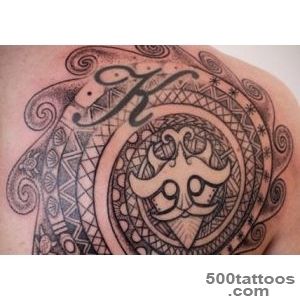
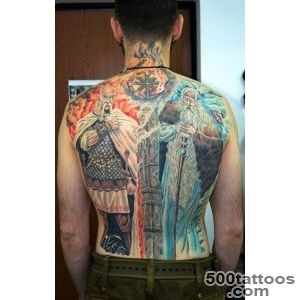
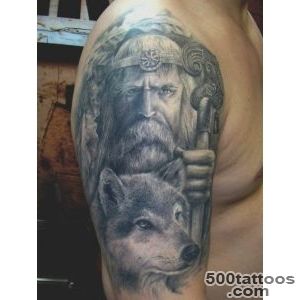
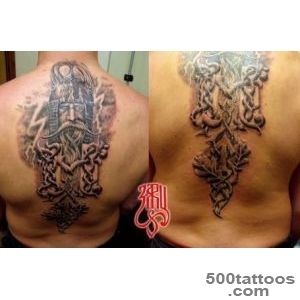
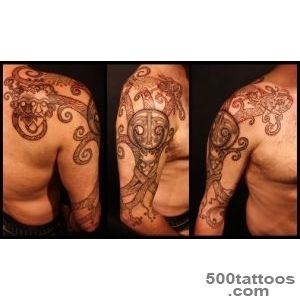
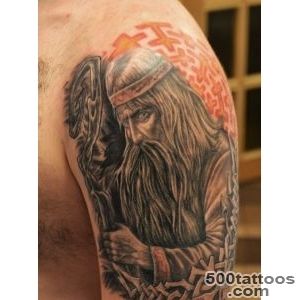
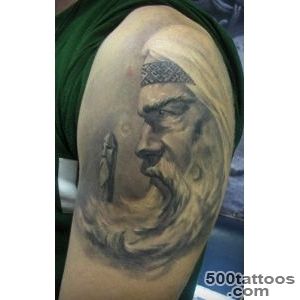
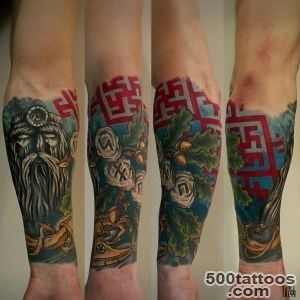
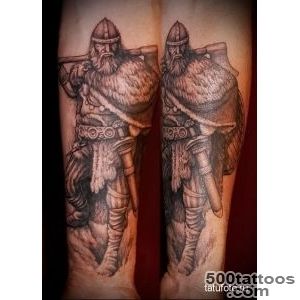
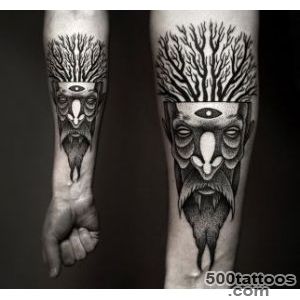
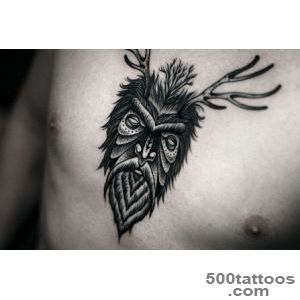
Perun, the god of thunder and war, appears as a bearded warrior with a lightning bolt or axe. Veles, lord of the underworld and cattle, is depicted as a serpent or horned figure. Mokosh, the earth goddess, represents fertility and weaving. Tattoos of these deities often use a carved-wood aesthetic with deep black lines and stippled shading.
Protective symbols and solar wheels
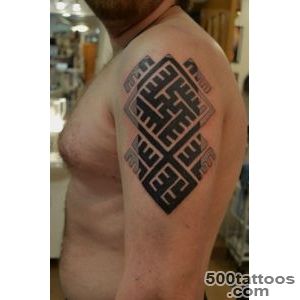
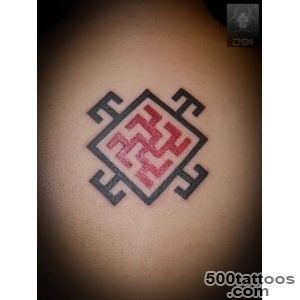
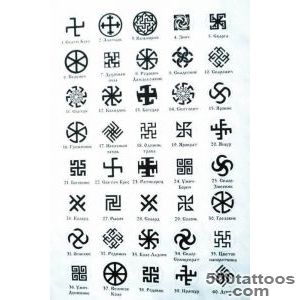
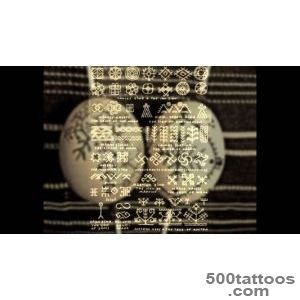
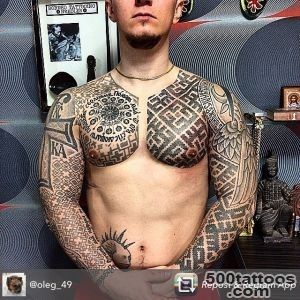
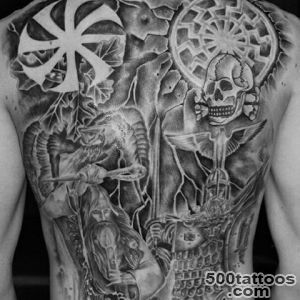
The kolovrat, a spinning solar symbol with multiple arms, represents the cycle of life and the sun's journey. Rods and rozhanitsy signs reference ancestral guardians. Star-shaped amulets like the star of Lada offer protection to families. These geometric patterns translate cleanly into tattoo art and work well as standalone pieces or borders around larger compositions.
Folk embroidery patterns as tattoo motifs
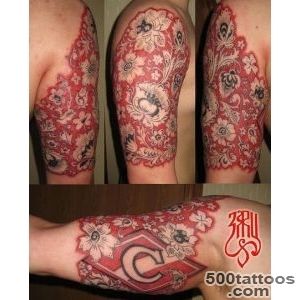
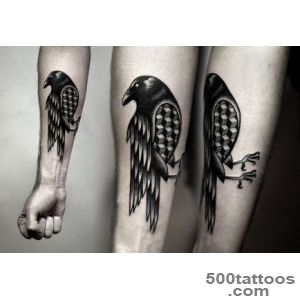
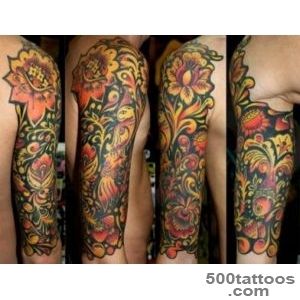
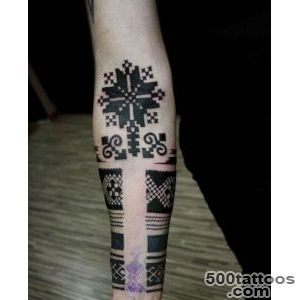
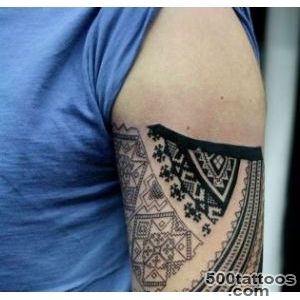
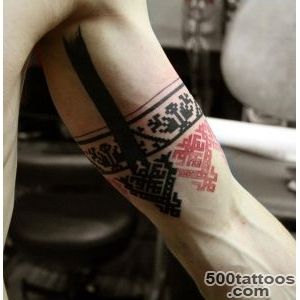
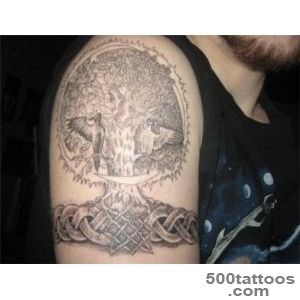
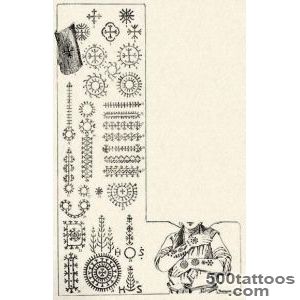
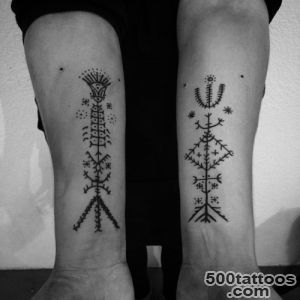
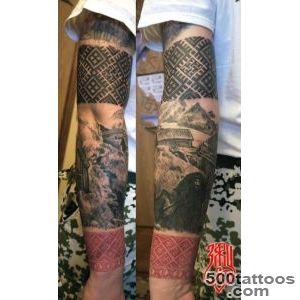
Traditional Slavic embroidery uses red thread on white linen to stitch protective patterns into clothing. Tattoo artists replicate these cross-stitch motifs with fine lines and dotwork, preserving the textile aesthetic on skin. Common embroidery elements include the tree of life, deer, birds, and diamond-shaped fertility marks.
Placement and composition for Slavic designs
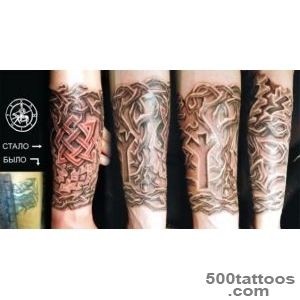
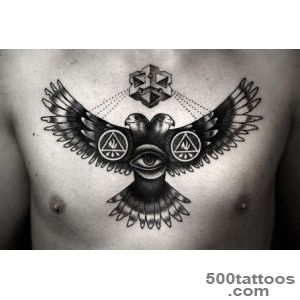
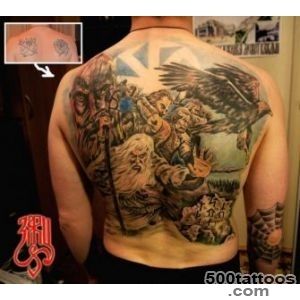
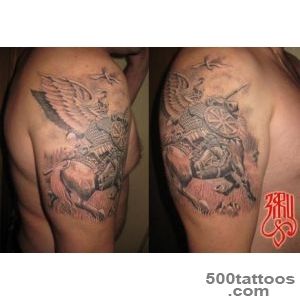
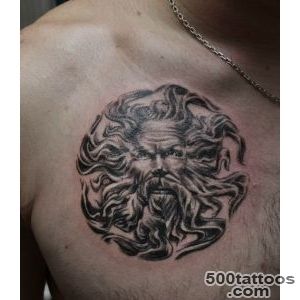
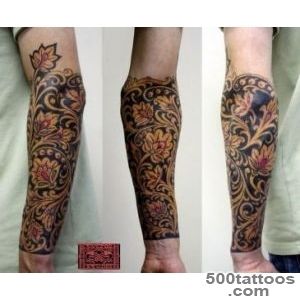
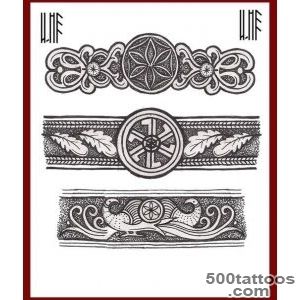
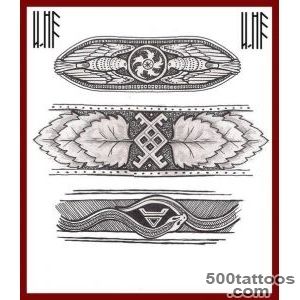
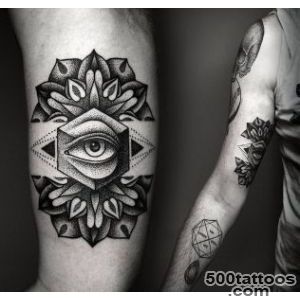
Forearm bands of repeating folk patterns mimic embroidered sleeve cuffs. Chest panels centered on a solar wheel or deity portrait suit symmetrical layouts. Full-back compositions can depict narrative scenes from Slavic epics. Small amulet tattoos on the wrist or inner arm serve as discreet protective talismans.
Slavic tattoos designs and images