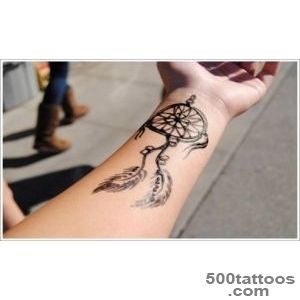
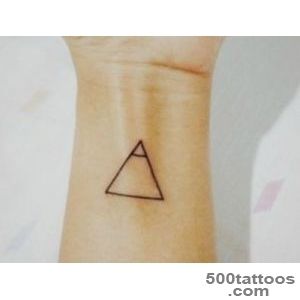
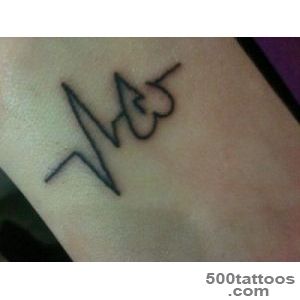
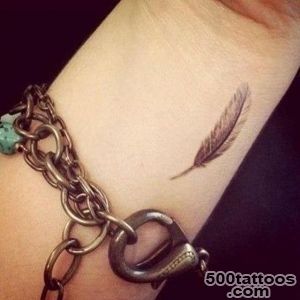
Small tattoo
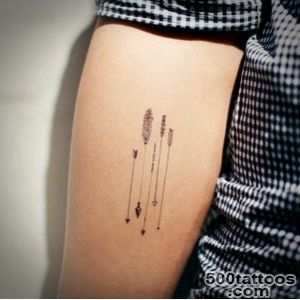
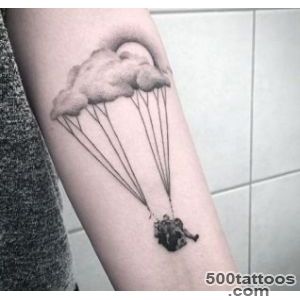
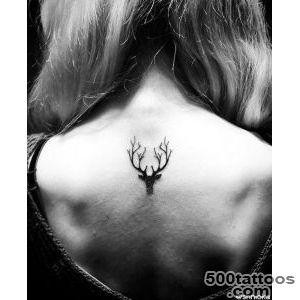
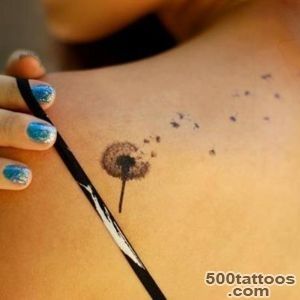
Small tattoos prove that size has nothing to do with impact. A well-placed minimal design can carry as much meaning as a full sleeve. The key is choosing a symbol that reads clearly at a reduced scale and placing it where proportions feel natural.
Why small tattoos work
Fine needles and modern machines allow artists to render crisp details at tiny scales. Single-needle techniques produce hairline strokes suited to miniature portraits, text, and geometric shapes. The result is a tattoo that looks intentional rather than incomplete. Small designs also heal faster and cost less, making them ideal for first-timers testing the experience.
Popular motifs at micro scale
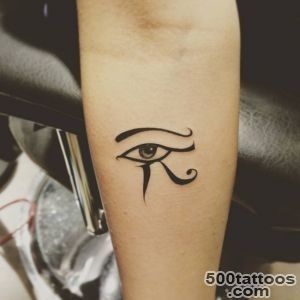
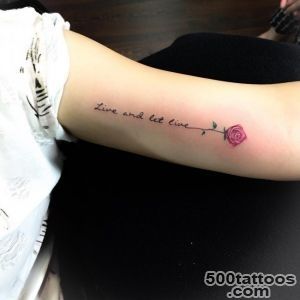
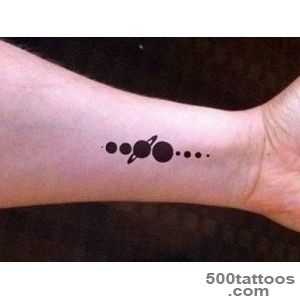
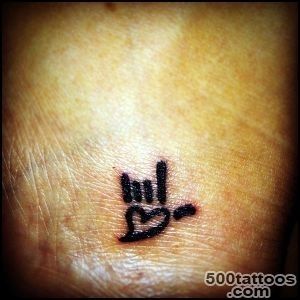
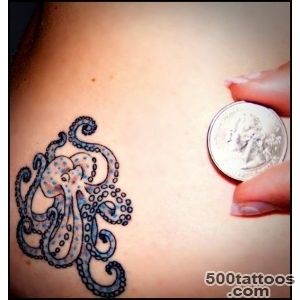
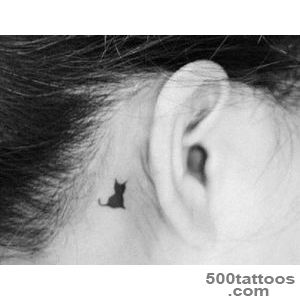
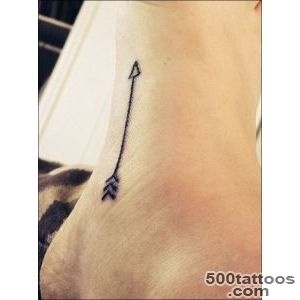
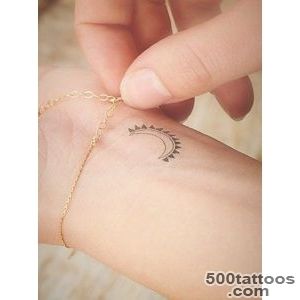
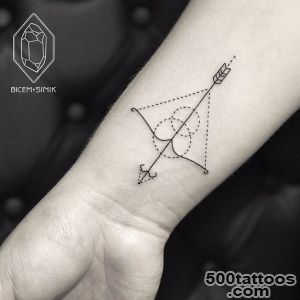
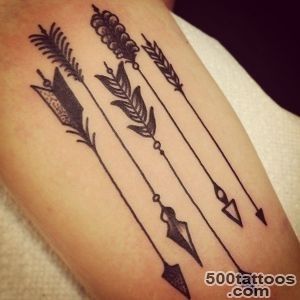
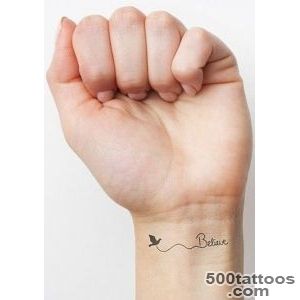
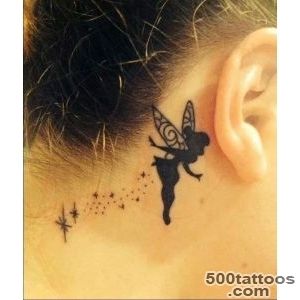
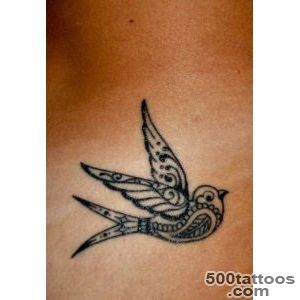
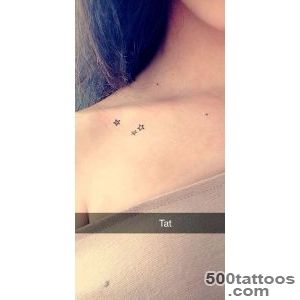
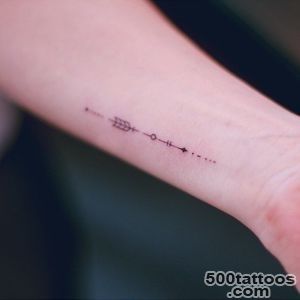
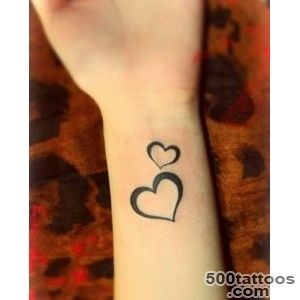
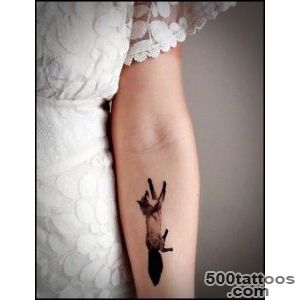
Hearts, stars, moons, arrows, and initials dominate the small tattoo category. Tiny animals-a bee, a cat silhouette, a bird in flight-add personality. Roman numerals and meaningful dates encode private significance. Symbols from astrology, music, and mathematics appeal to niche interests without needing explanation.
Placement for maximum effect
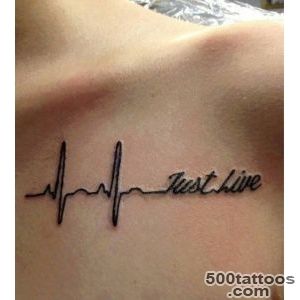
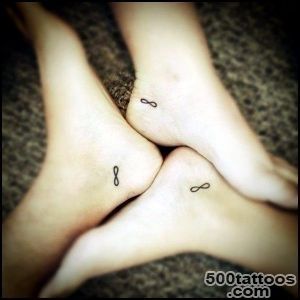
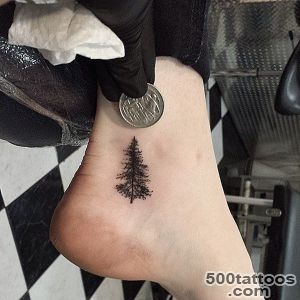
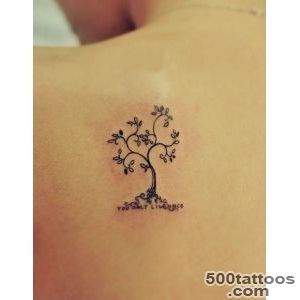
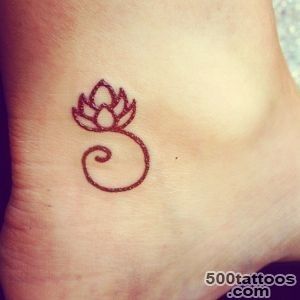
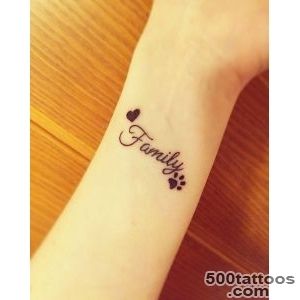
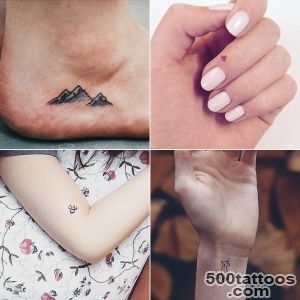
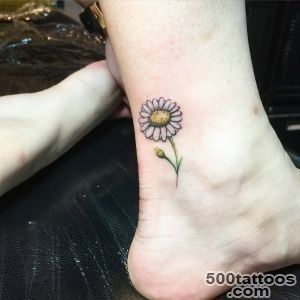
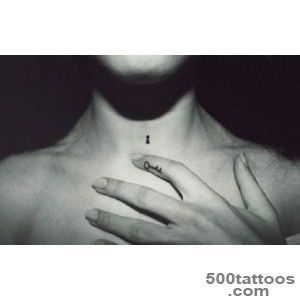
The inner wrist, behind the ear, and the base of the finger are classic small-tattoo spots. The ankle, collarbone, and nape of the neck offer slightly more canvas for designs with two or three elements. Placement near joints or bony areas can be more sensitive, so discuss comfort expectations with the artist beforehand.
Longevity and touch-up tips
Fine-line tattoos fade faster in areas exposed to sun or friction. Apply sunscreen regularly and moisturize the skin to preserve detail. Plan for a touch-up session one to two years after the initial appointment to restore any lost crispness. Choosing bold, simple outlines over intricate micro-detail improves long-term readability. Avoid placing very fine work on the palms, soles, or inner fingers, as these high-friction zones cause ink to spread and blur within months regardless of aftercare routine.
Small tattoo designs and images