Simple tattoo
A simple tattoo can speak volumes through restraint. Whether it is a single fine line or a small geometric shape, the power lies in choosing one clear idea and letting the design breathe. Below you will find guidance on motifs, style, aging, and placement.
What defines the style
A simple tattoo often carries ideas of clarity and restraint, but the meaning is strongest when it connects to your story. Pick one core idea and let the design support it. Many wearers choose concepts like resilience, freedom, or connection to family, then strip the visual down to its essence. The result is a piece that communicates instantly without needing explanation.
Motifs that suit the look
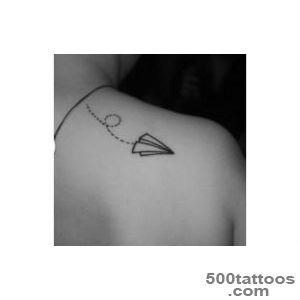
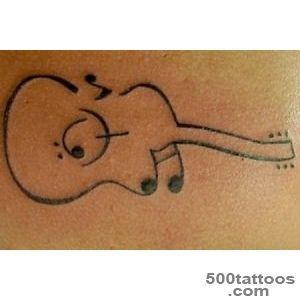
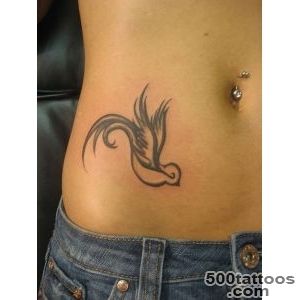
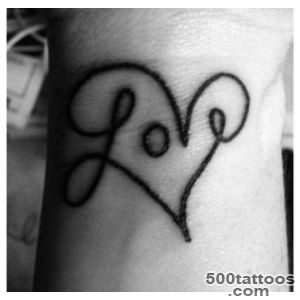
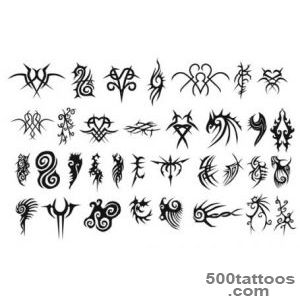
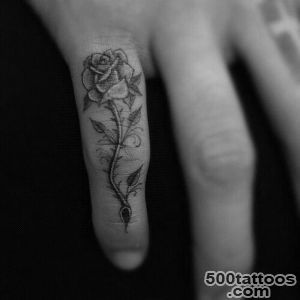
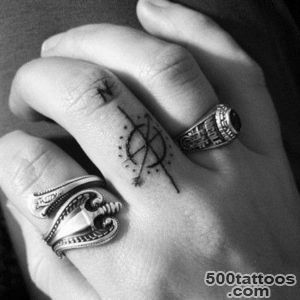
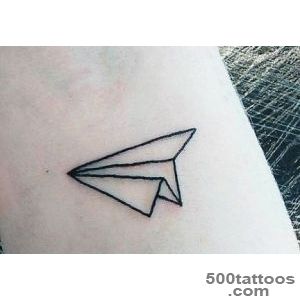
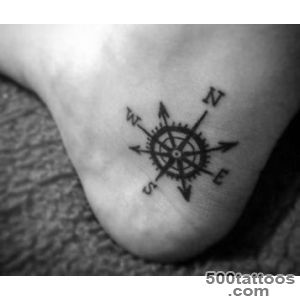
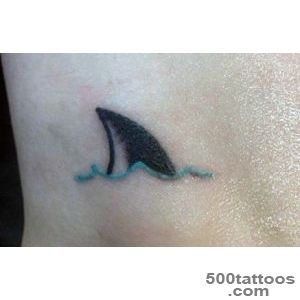
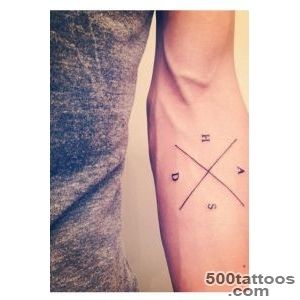
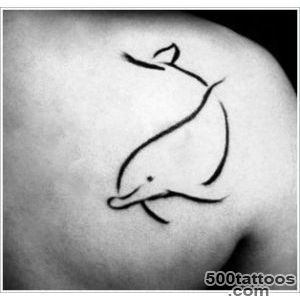
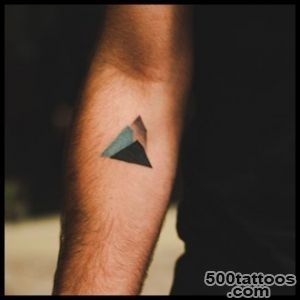
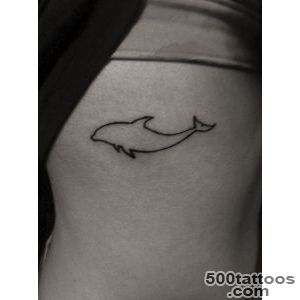
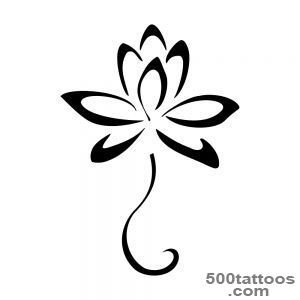
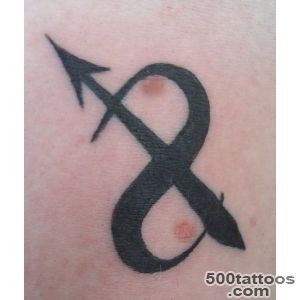
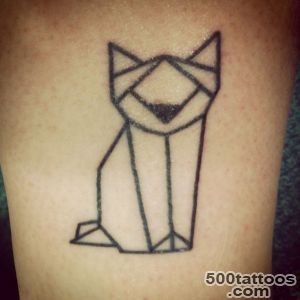
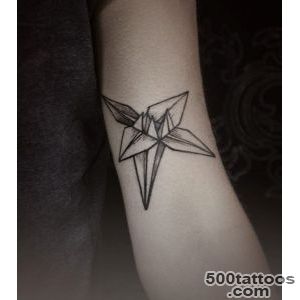
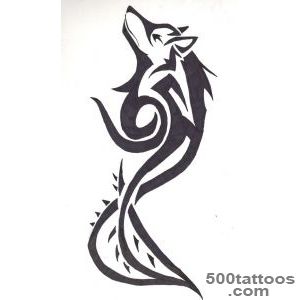
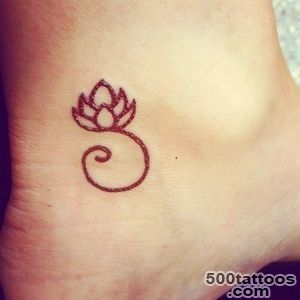
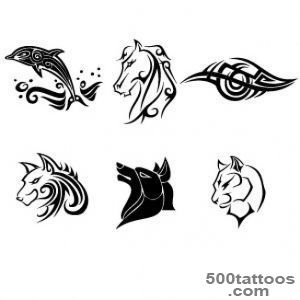
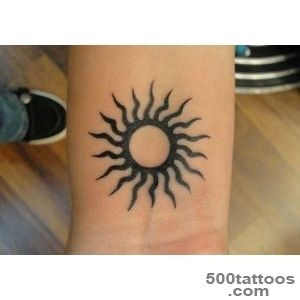
Designs can be minimal with clean outlines or detailed with texture and shading. Decide whether you want a single focal element or a small set of supporting motifs. Popular choices include geometric shapes, small animals, botanical line drawings, and single-word scripts. Arrows, mountains, waves, and compass roses all translate well into simple compositions because their silhouettes remain readable at any scale.
Linework, shading, and color
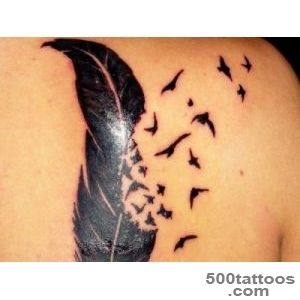
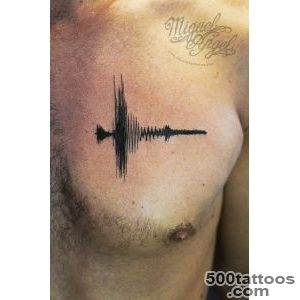
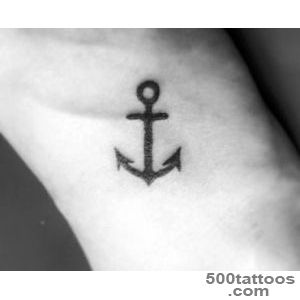
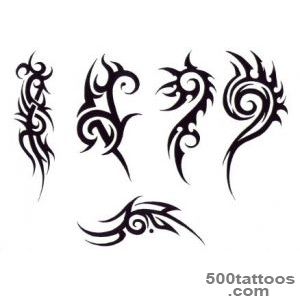
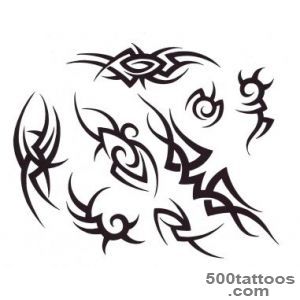
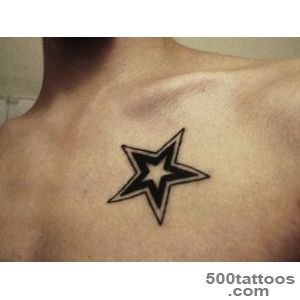
Blackwork and fine line keep the look crisp, while realism and illustrative styles add depth. Match the style to the mood you want the piece to carry. Single-needle work creates delicate hairline strokes suited for micro designs. If you prefer contrast, bold outlines with minimal negative space deliver a graphic punch that ages well and stays legible over time.
How simple tattoos age over time
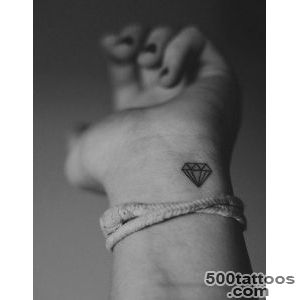
Fine-line tattoos can blur slightly as ink migrates beneath the skin, so choosing slightly thicker strokes helps preserve clarity. Areas with less sun exposure and friction, such as the inner arm or upper back, tend to hold detail longer. Plan a brief touch-up session after one to two years to restore any fading, especially on high-contact spots like the wrist or finger.
Placement and size tips
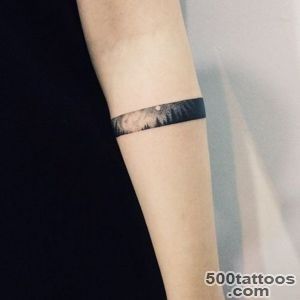
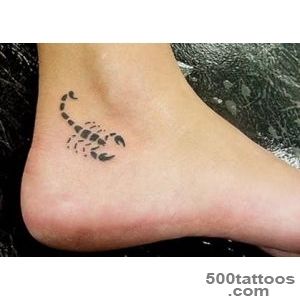
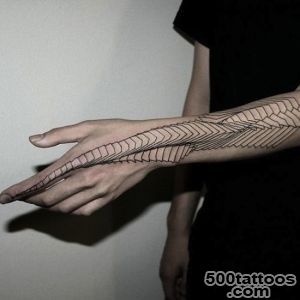
Placement changes how the design reads: the forearm, upper arm, and calf all frame the shape differently. Choose a spot that supports flow and keeps key details visible. The inner wrist, behind the ear, and the ankle are classic locations for understated pieces. Slightly larger canvases like the shoulder blade or the outer bicep give the artist room to add fine interior detail without crowding.
If you are unsure about scale, sketch a few options and compare how they read from a distance and in motion on the body.
Simple tattoo designs and images