Watercolor tattoo
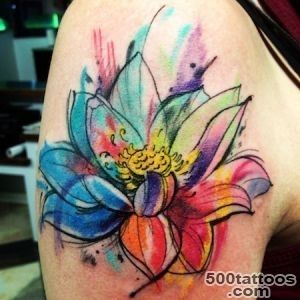
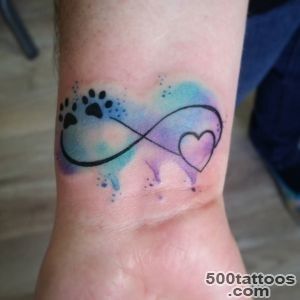
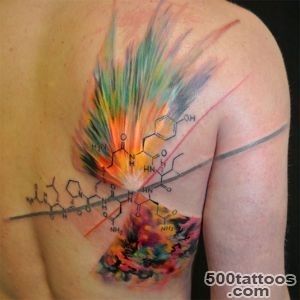
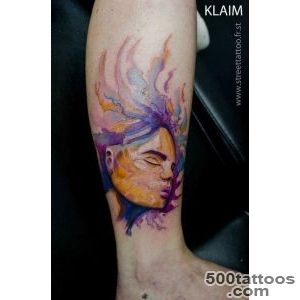
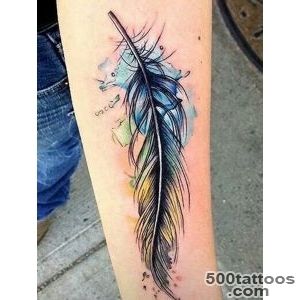
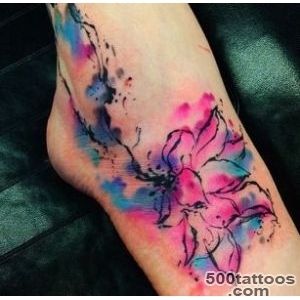
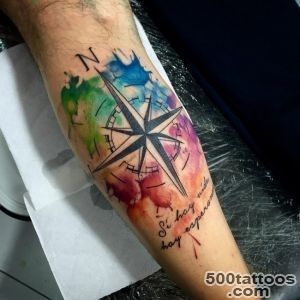
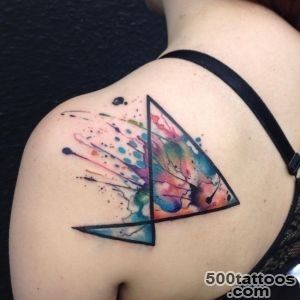
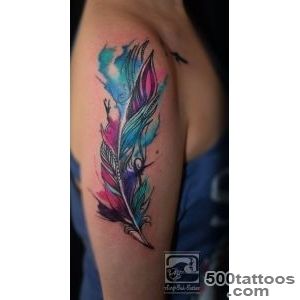
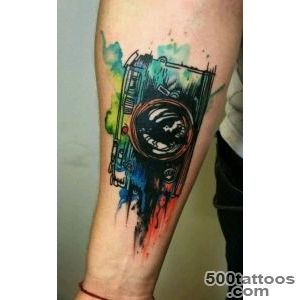
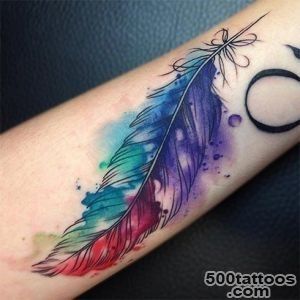
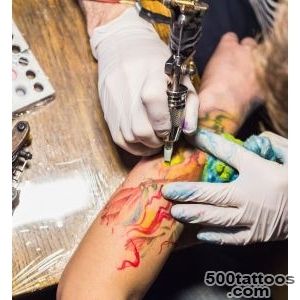
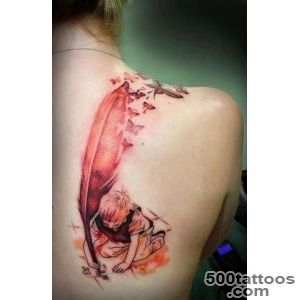
A watercolor tattoo looks like someone took a brush loaded with diluted pigment and painted directly onto skin. Soft gradients bleed into each other, splatter marks trail off the main image, and the whole piece feels lighter and more spontaneous than traditional ink. That painterly quality is what makes the style so appealing - and so divisive, because longevity depends heavily on technique.
Paint on skin: how the technique actually works
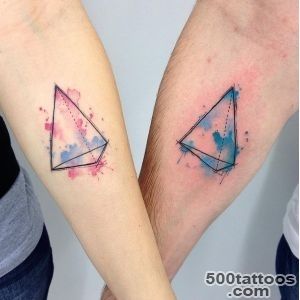
The artist builds the image with translucent layers of color rather than solid fills. Deliberate drips, visible brushstroke textures, and color bleeds replace the heavy black outlines of traditional work. Some artists skip outlines entirely, letting color alone define the shape. Others lay a thin black skeleton underneath the color layer - this hidden framework helps the design hold its structure as the skin ages and the pigment migrates slightly over the years. The difference between a watercolor tattoo that ages well and one that turns muddy often comes down to this structural decision.
Flowers, birds, and abstract - subjects that shine in watercolor
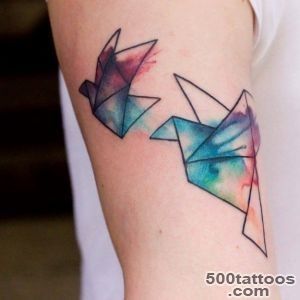
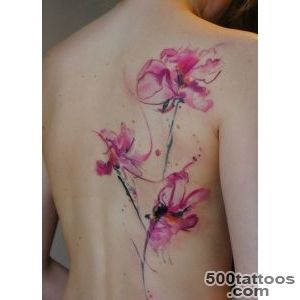
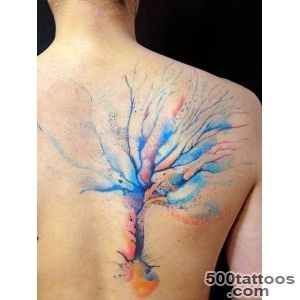
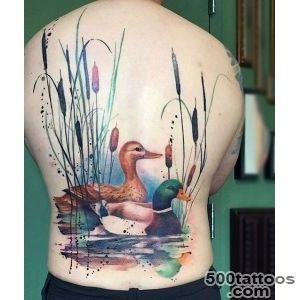
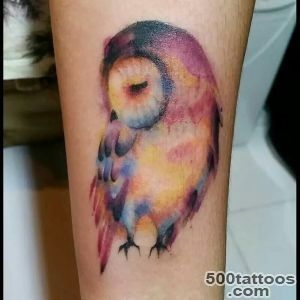
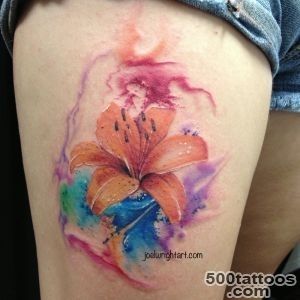
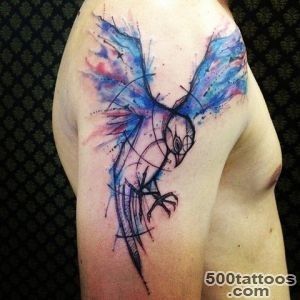
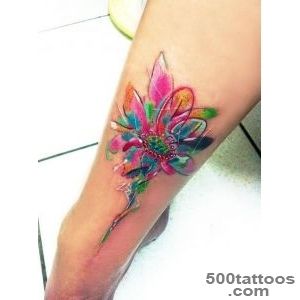
Flower petals are a natural match because they already have soft edges and organic color gradients in real life. Hummingbirds and swallows look dynamic with trailing color splashes that suggest motion and wind. Abstract compositions - pure washes of color without a defined subject - appeal to people who want mood and emotion over literal imagery. Portraits, trees, mandalas, and marine life also translate beautifully when the artist understands how to blend ink smoothly in the skin rather than just on paper.
Will it last? Aging, fading, and the outline debate
This is the question every watercolor tattoo client hears. Color-heavy work without outlines can soften faster than heavily lined traditional pieces, especially in areas exposed to sun or friction. Lighter tones like pastel pink and yellow fade sooner than deep blues and purples. Regular sunscreen use slows the process significantly. Choosing an artist who uses a subtle black base beneath the color is the single best thing you can do for longevity. Plan for a touch-up session after three to five years to refresh any areas that have lost their punch.
Giving the colors enough room: sizing and body placement
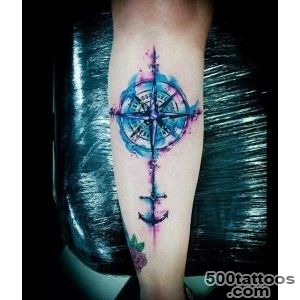
Watercolor effects need space. The forearm offers a flat, visible canvas where color catches natural light. The shoulder and upper arm provide room for a larger composition with trailing splashes and drip effects. The ribs and thigh suit elongated vertical designs. Avoid very small placements - blending and gradients need enough surface area to read clearly and age without colors muddying into each other. A five-centimeter watercolor hummingbird may look perfect on day one but lose its definition within a few years.
Explore 50 watercolor tattoo photos below
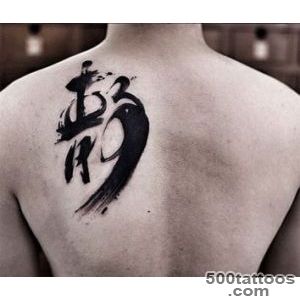
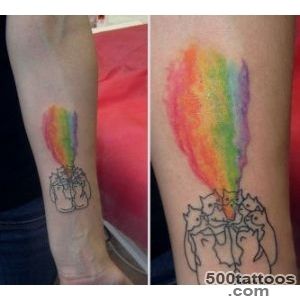
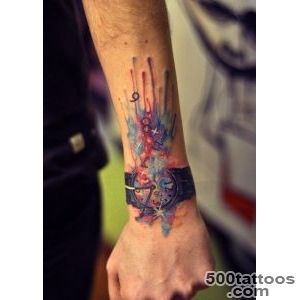
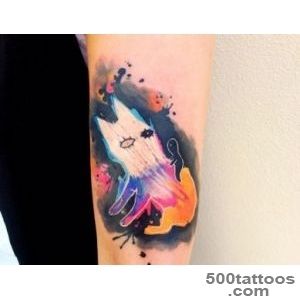
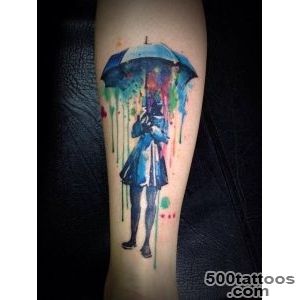
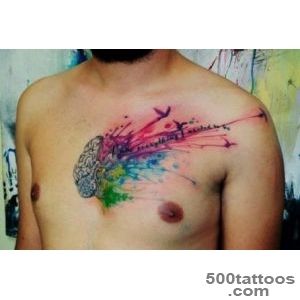
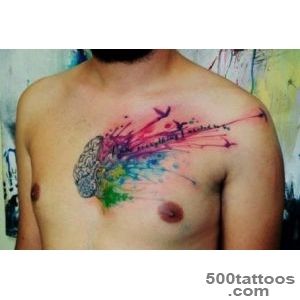
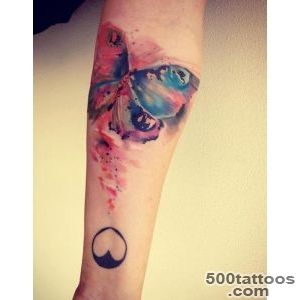
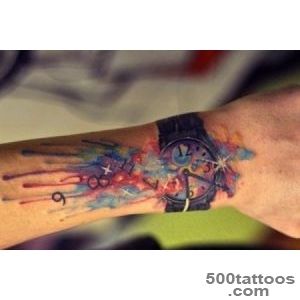
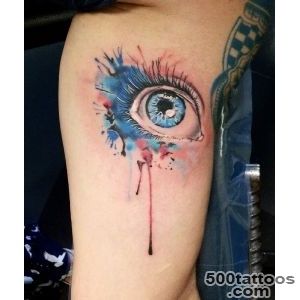
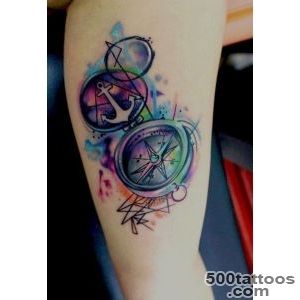
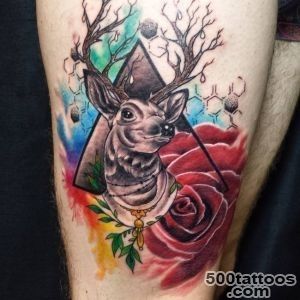
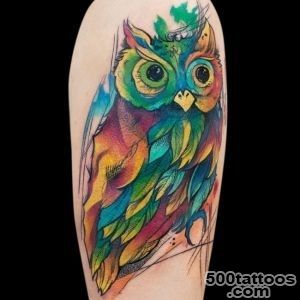
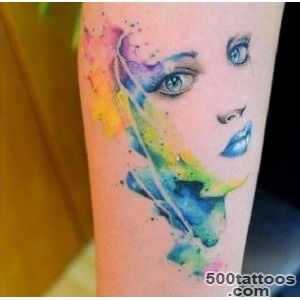
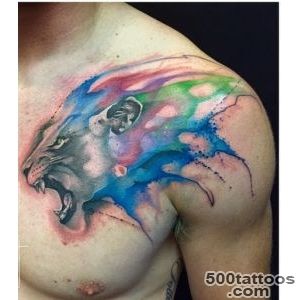
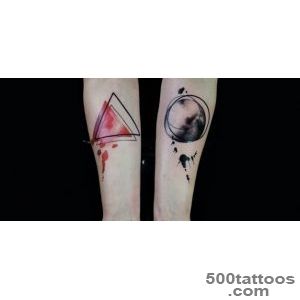
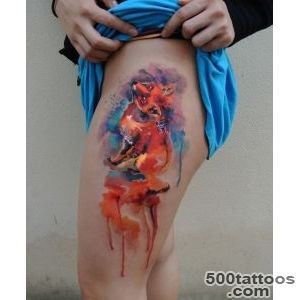
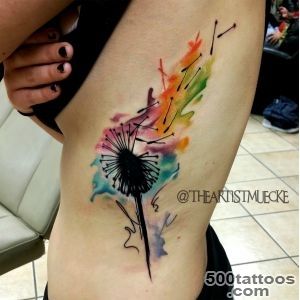
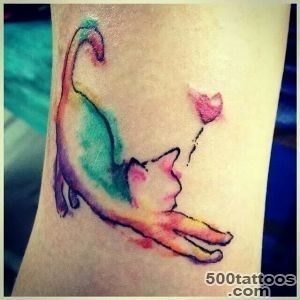
The gallery features floral washes, bird-in-flight compositions, abstract color bursts, and animal portraits with watercolor backgrounds. Compare pieces with and without black outlines to see how the structural choice affects the overall look.
Watercolor tattoo designs and images