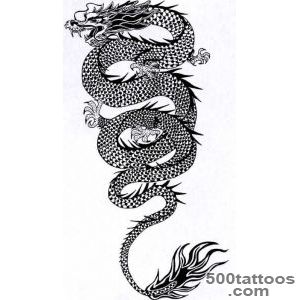
Dragon tattoo
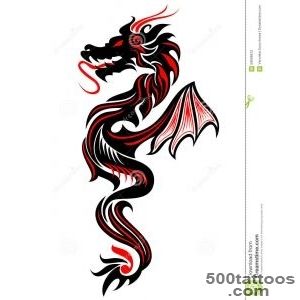
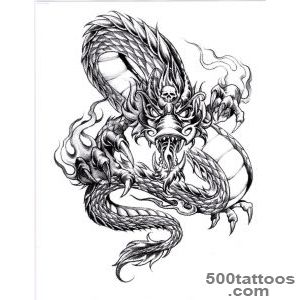
Dragon tattoos are among the most versatile and visually powerful designs available. They work across styles-from Japanese irezumi to Chinese motifs to Western fantasy. A well-planned dragon tattoo can be a statement piece that flows with the body, or a compact symbol that carries personal meaning. Adding flame elements amplifies drama and helps fill gaps in larger compositions.
Dragon Tattoo Meaning (Personal + Visual)
Dragons carry different symbolism across cultures: power and protection in East Asian traditions, danger and conquest in Western fantasy, transformation and wisdom in broader mythic contexts. Your personal meaning matters more than inherited symbolism. A dragon can represent strength, change, creativity, or simply a love of the creature's form.
Dragon Tattoo Styles
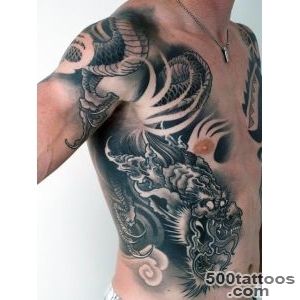
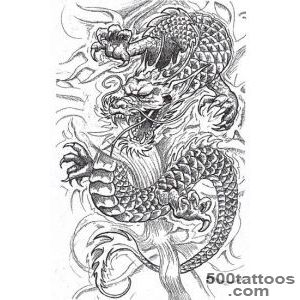
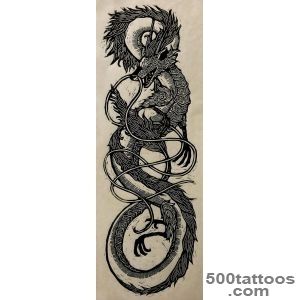
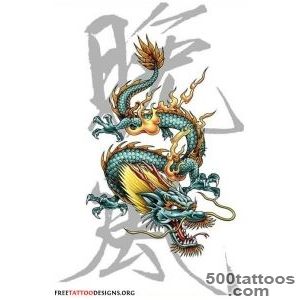
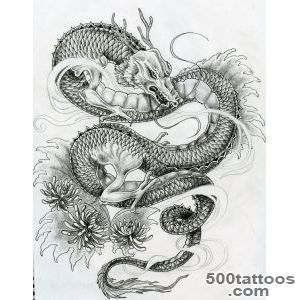
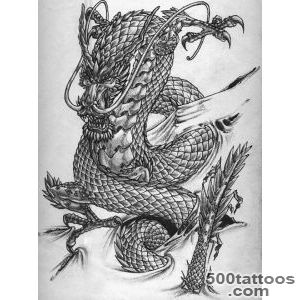
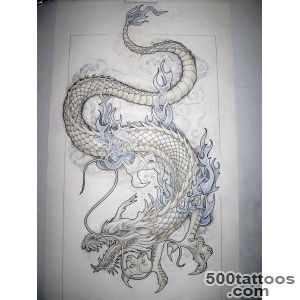
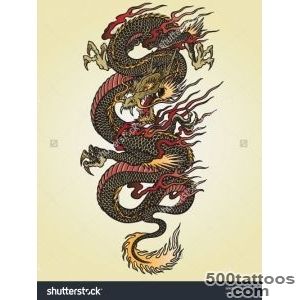
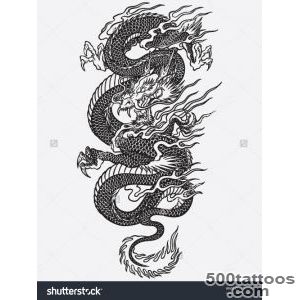
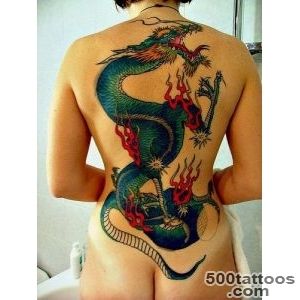
Japanese: Flowing body, waves, clouds, bold color or black-grey. Often part of larger compositions.
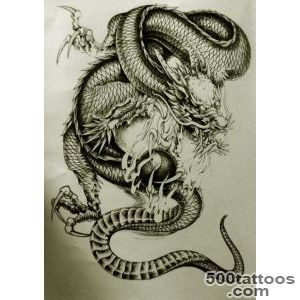
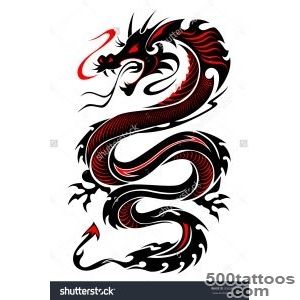
Chinese: More serpentine, often with pearl motif, different claw count conventions.
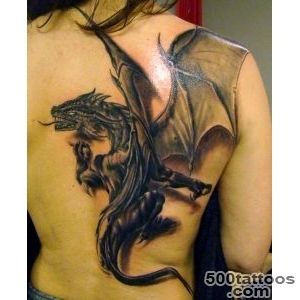
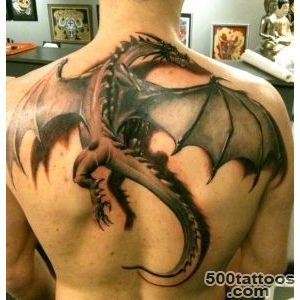
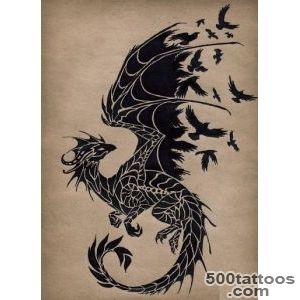
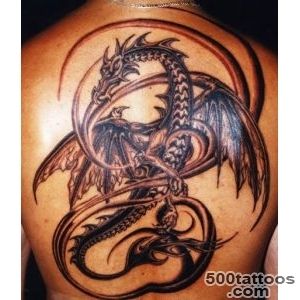
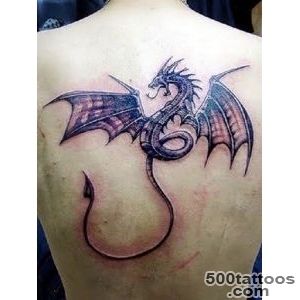
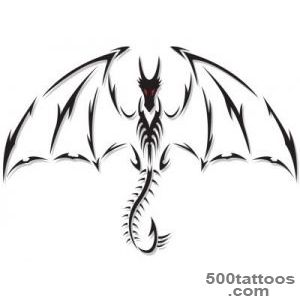
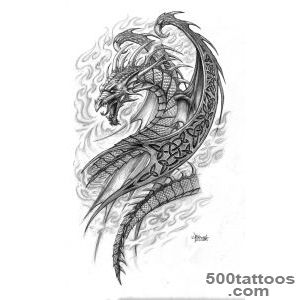
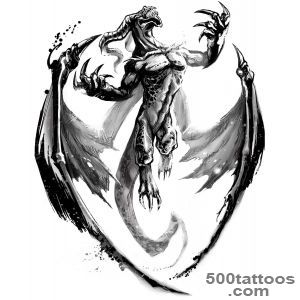
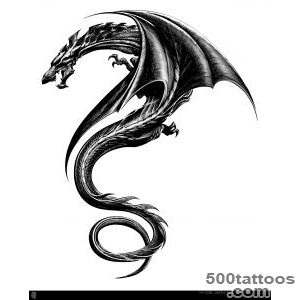
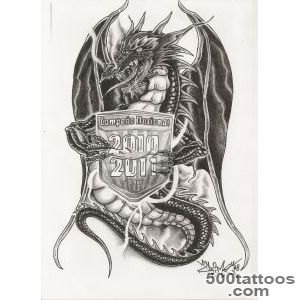
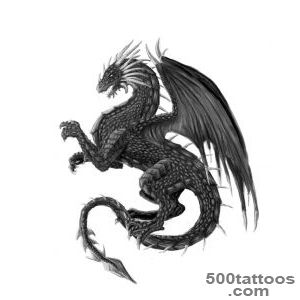
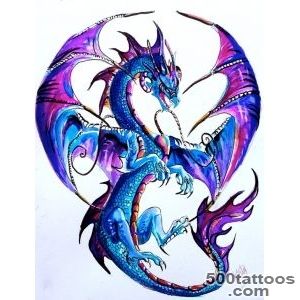
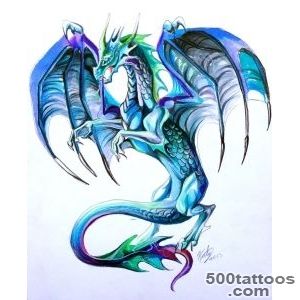
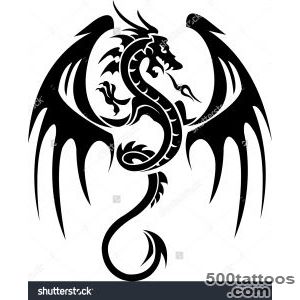
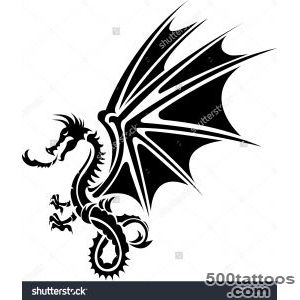
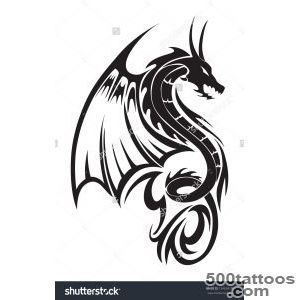
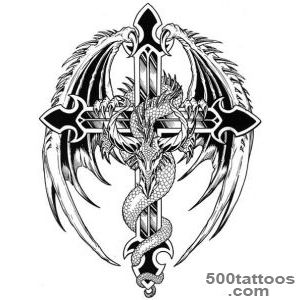
Western/Fantasy: Wings, scales, aggressive poses, often standalone.
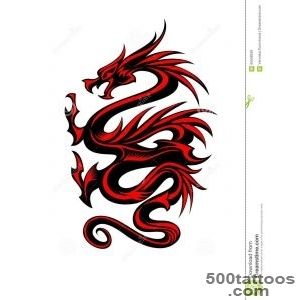
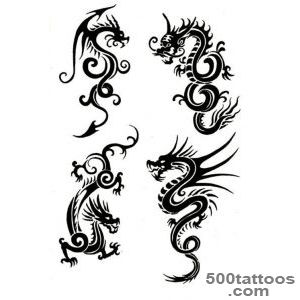
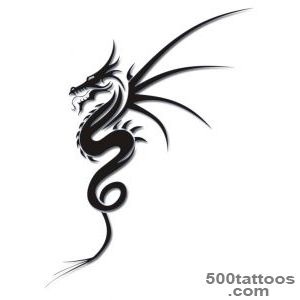
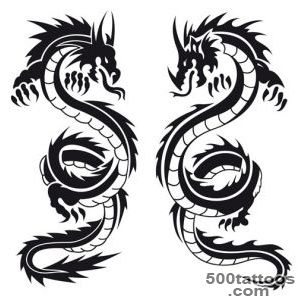
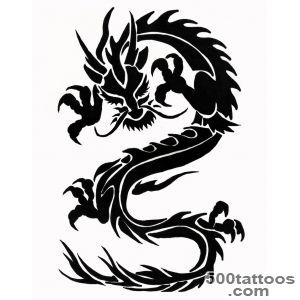
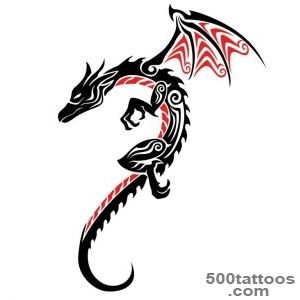
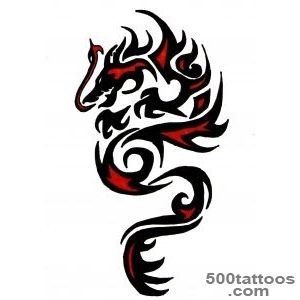
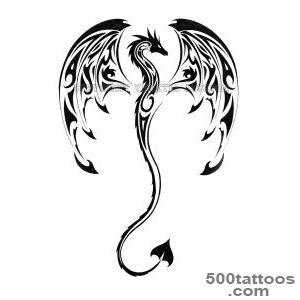
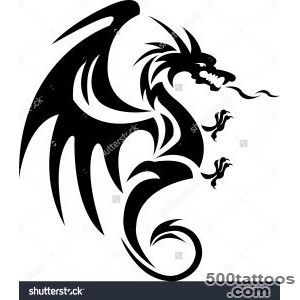
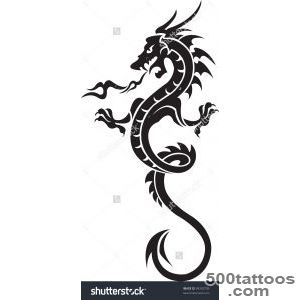
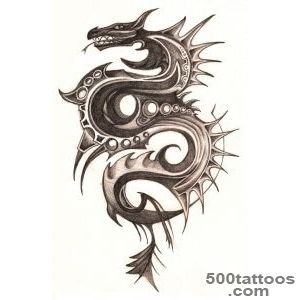
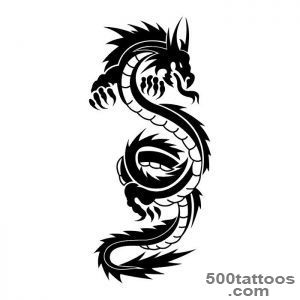
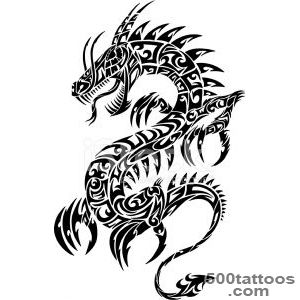
Tribal/Blackwork: Stylized silhouettes, bold fills.
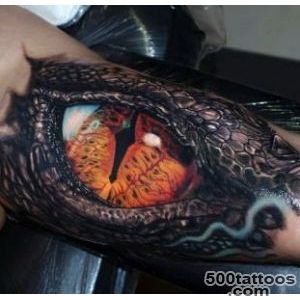
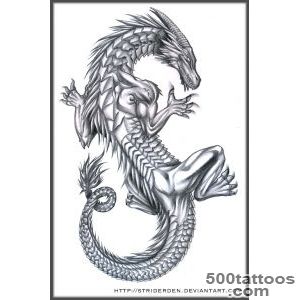
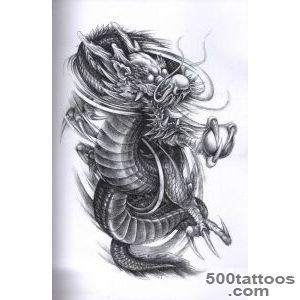
Realistic: Detailed scales, shading, cinematic feel-needs size.
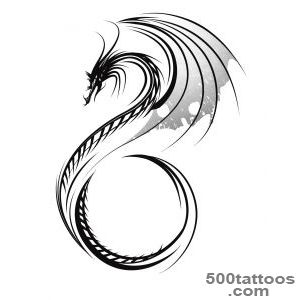
Minimal: Simple line dragons, small icons.
Placement & Flow (Sleeve, Back, Chest)
Dragons have elongated bodies that can wrap, climb, and flow with anatomy. Sleeves allow the dragon to coil around the arm. Back pieces give space for full scenes with clouds or waves. Chest placements work for head/claw compositions. Adding flame effects to the composition amplifies the drama and helps fill gaps in sleeve layouts.
Color, Linework & Shading Choices
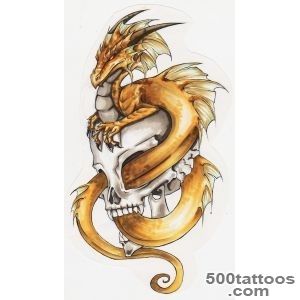
Color dragons can be dramatic-reds, golds, greens, blues. Black-and-grey dragons feel powerful and age well. Bold outlines help the shape read from a distance. Fine-detail scales need space or they'll blur. Decide on your contrast level early.
Building a Composition
A dragon alone is often enough. If you add elements (flames, flowers, waves, skulls), keep the dragon dominant. Use negative space so the design breathes. Consider how secondary elements frame rather than compete.
Quick Design Rules
1. Match detail level to size-fine scales need space.
2. Plan the "flow" so the dragon follows body contours.
3. Keep a clear focal point (head or full body, not both at equal weight).
4. Reserve heavy color for areas you want to draw the eye.
Dragon tattoo designs and images