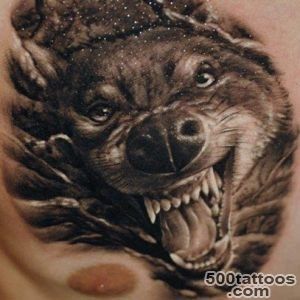
Wolf tattoo
Few animals carry as much symbolic weight as the wolf. It is a pack hunter and a solitary wanderer, a protector and a predator, a figure of myth across every continent where wolves have roamed. That duality is what makes wolf tattoos so enduring - the design can say "I value loyalty and family" and "I walk my own path" in the same breath.
Why the wolf resonates: pack loyalty meets lone independence
A wolf pack operates on trust, hierarchy, and shared survival. People who value family bonds, team loyalty, or brotherhood often gravitate toward pack imagery - two wolves side by side, a mother with pups, or a group howling together. The lone wolf flips that narrative: it represents self-reliance, the courage to break away, and comfort with solitude. Neither reading is more "correct" than the other, and many wearers say their wolf tattoo captures both sides of their personality at once.
Howling, hunting, geometric - compositions that stand out
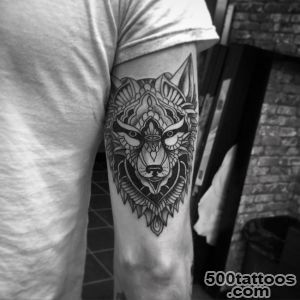
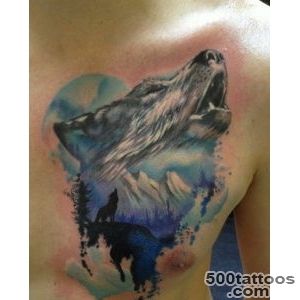
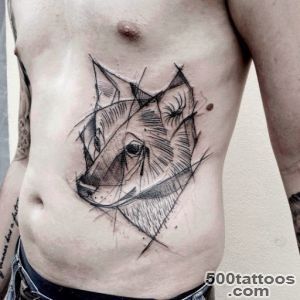
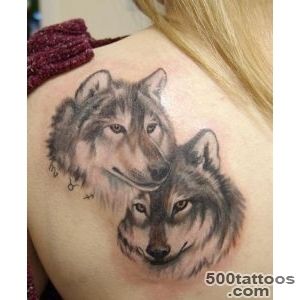
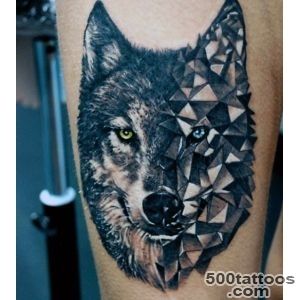
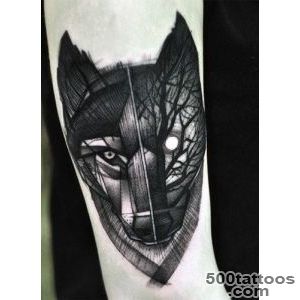
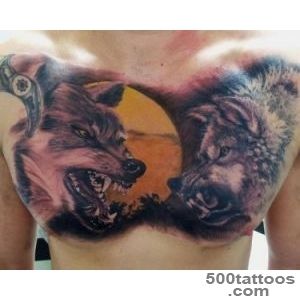
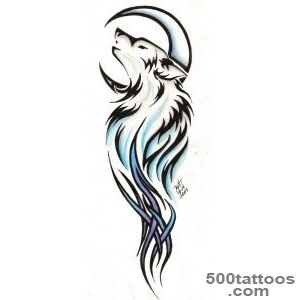
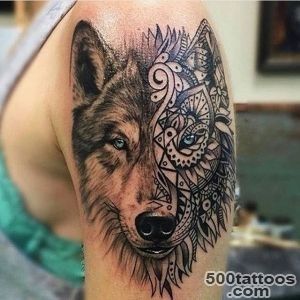
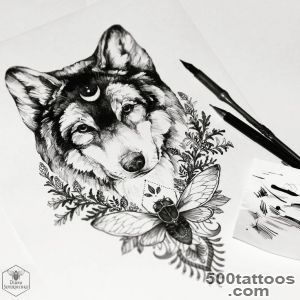
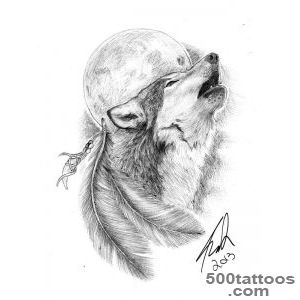
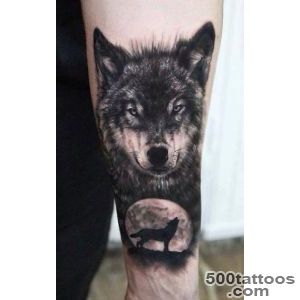
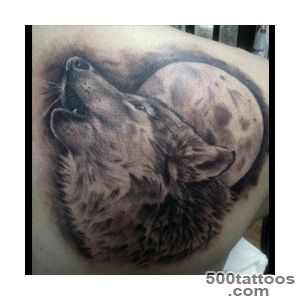
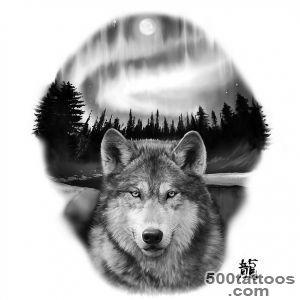
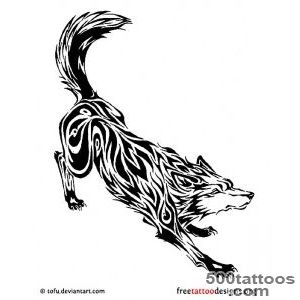
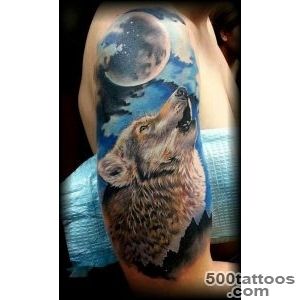
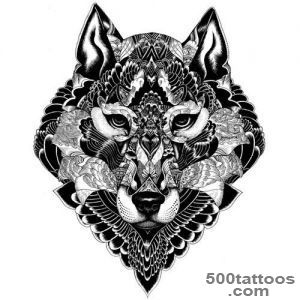
A howling wolf silhouetted against a full moon is the most iconic layout and still looks powerful when executed well. A hunting wolf mid-stride brings motion and aggression into the piece. Geometric wolf portraits deconstruct the face into sharp polygons and negative space for a modern, architectural feel. A wolf skull blends the animal with mortality themes, while a wolf emerging from a forest treeline sets the predator inside its natural habitat. Paired wolves facing each other work well for couples or siblings who want matching designs.
Fenrir, spirit guides, and the Roman she-wolf
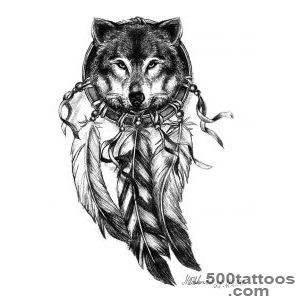
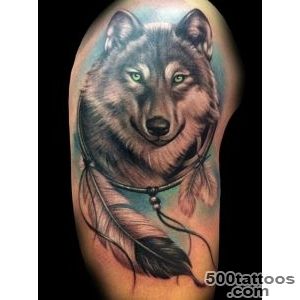
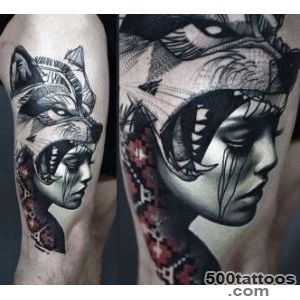
Norse mythology gave us Fenrir, the monstrous wolf destined to break free and devour Odin at Ragnarök. Native American traditions see the wolf as a teacher, a pathfinder, and a spirit guide. Roman legend credits a she-wolf with nursing Romulus and Remus, the founders of the city. In Japanese folklore the wolf is a mountain guardian called ōkami. These cultural roots add narrative depth to a wolf tattoo and give the artist a rich visual vocabulary to draw from - runes, feathers, laurels, torii gates.
Realism, dotwork, and trash polka: which style fits your wolf
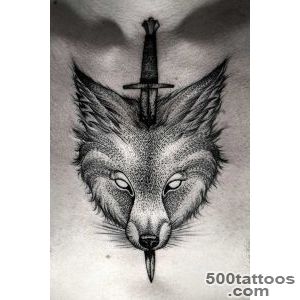
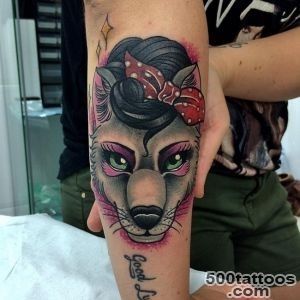
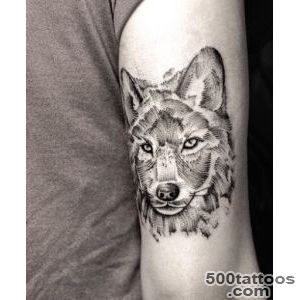
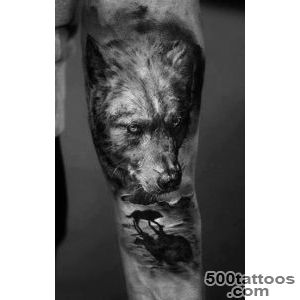
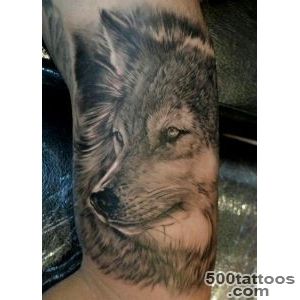
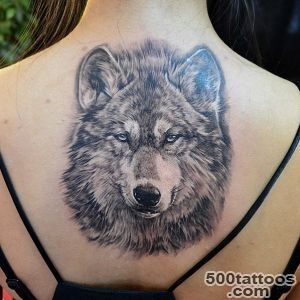
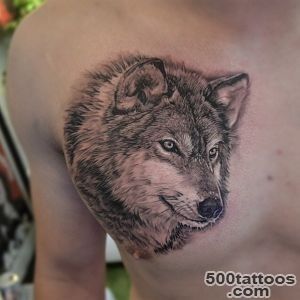
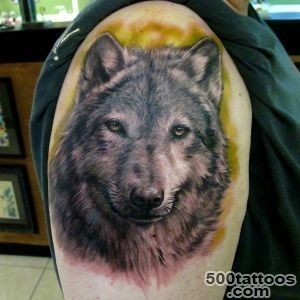
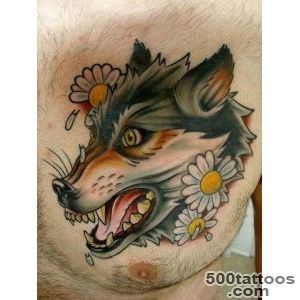
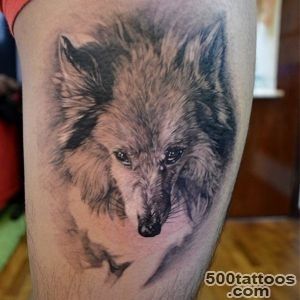
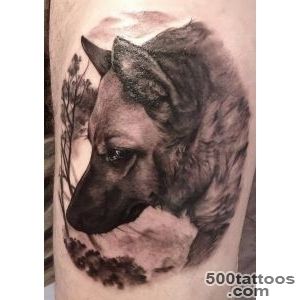
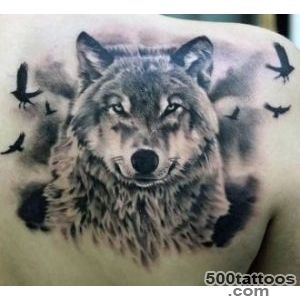
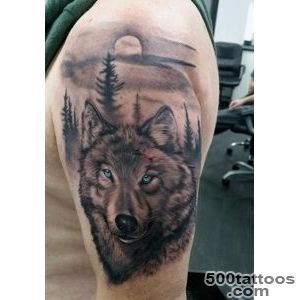
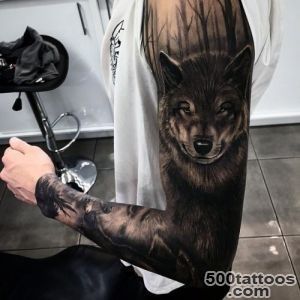
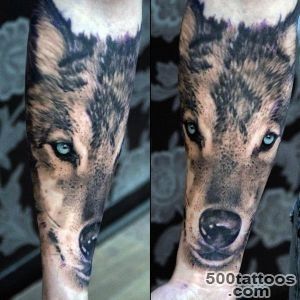
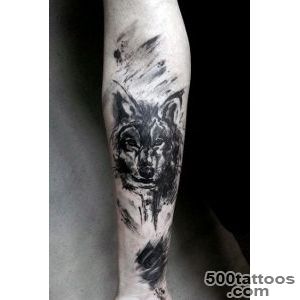
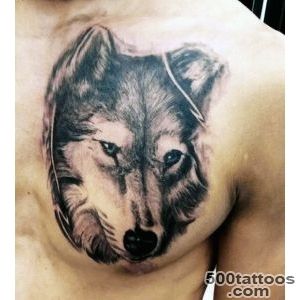
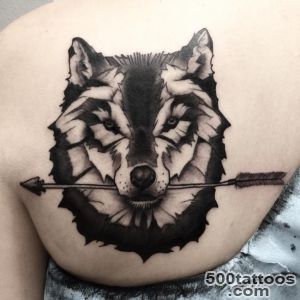
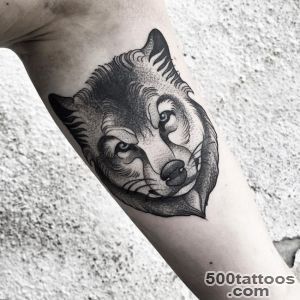
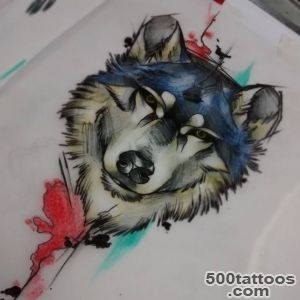
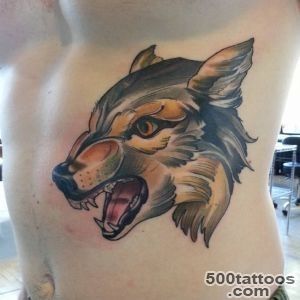
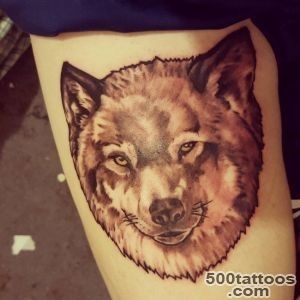
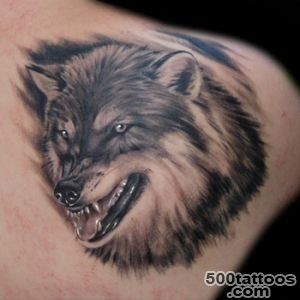
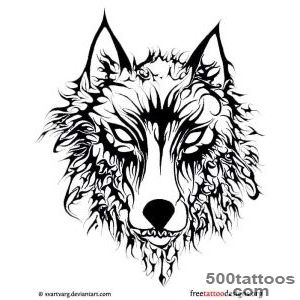
Realism is the top choice when you want fur texture, piercing eyes, and photographic depth. Dotwork and stippling build the image from thousands of tiny points, producing a textured, almost engraved quality. Trash polka layers photorealistic wolf imagery with red paint splashes, newspaper fragments, and bold typography for a raw, editorial look. Neo-traditional pumps up the outlines and color saturation for an illustrative, poster-style result. Blackwork silhouettes age cleanly and read well even from a distance.
From full-back scenes to wrist outlines: sizing a wolf right
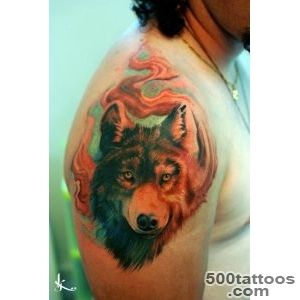
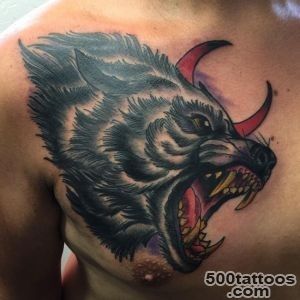
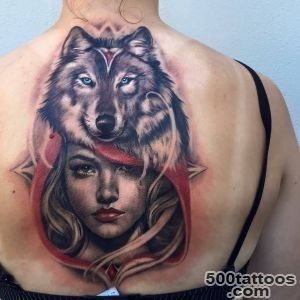
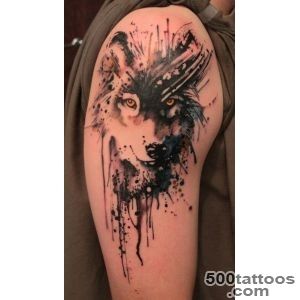
The back and chest can hold a full scene with forest, moon, and pack elements. The upper arm and shoulder suit a medium-to-large portrait with room for proper shading. The forearm works for a vertical howling wolf or a geometric bust. The calf is a strong canvas for a standing wolf in profile. Smaller spots like the wrist or behind the ear carry a minimalist wolf outline or a single paw print - just keep the lines bold enough to hold their shape over time.
Explore 50 wolf tattoo photos below
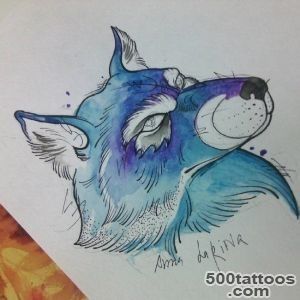
The gallery covers realistic portraits, geometric deconstructions, blackwork silhouettes, watercolor blends, and cultural mashups. Compare placements and sizes to see how the same subject changes character depending on where it sits on the body.
Wolf tattoo designs and images