3d tattoos

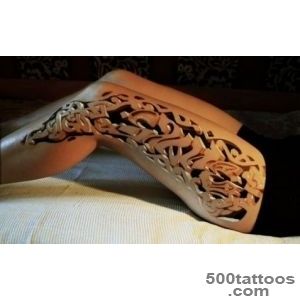
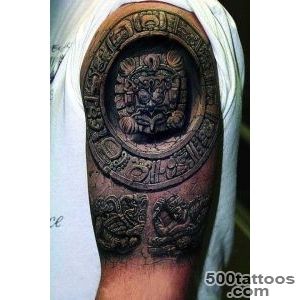
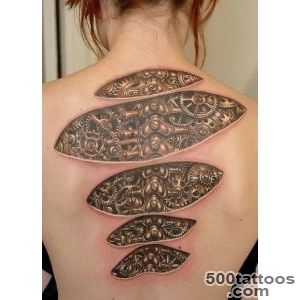
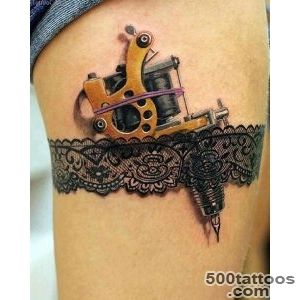
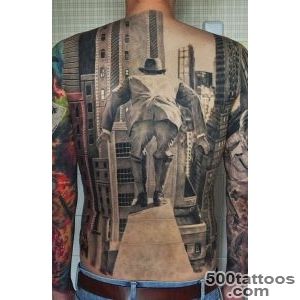
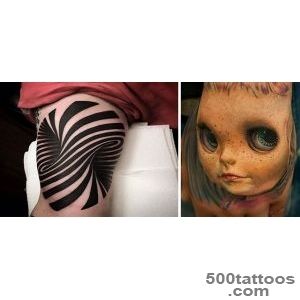
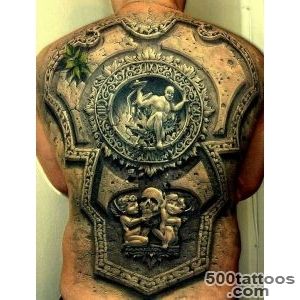
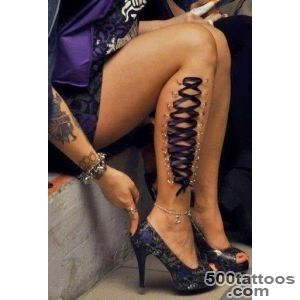
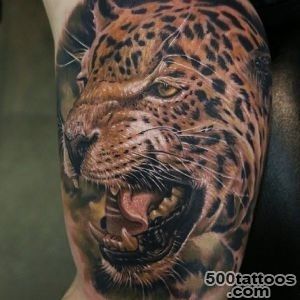
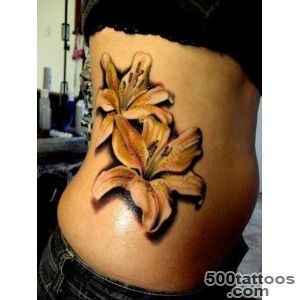
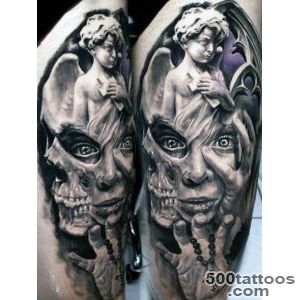
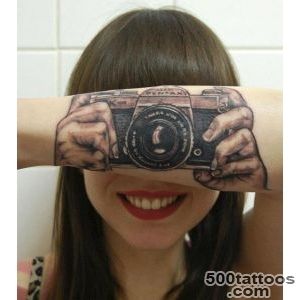
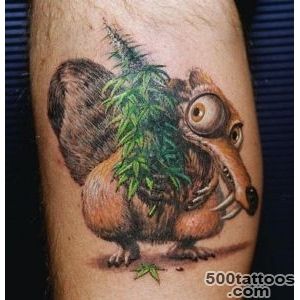
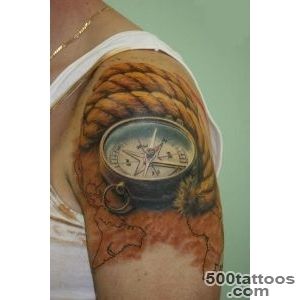
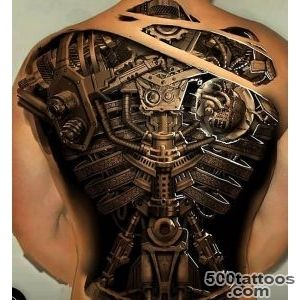
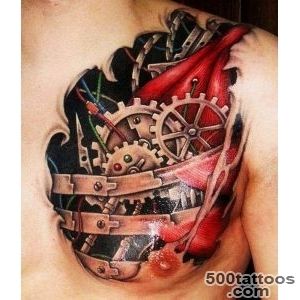
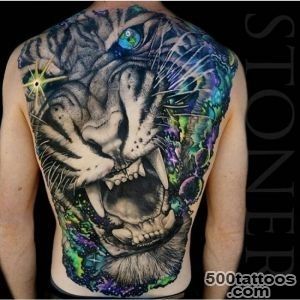
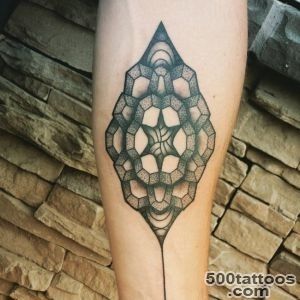
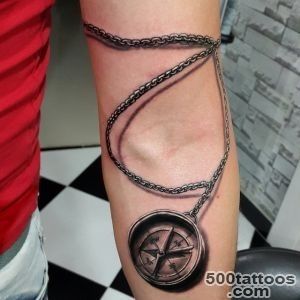
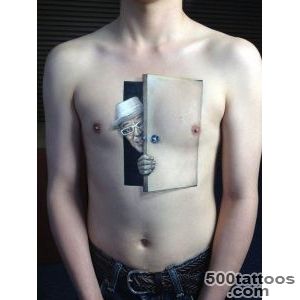
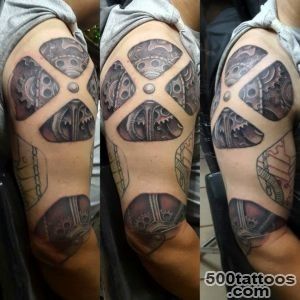
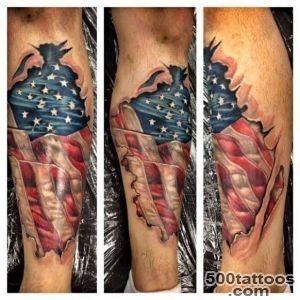
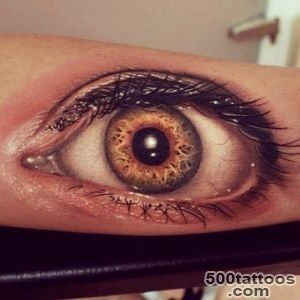
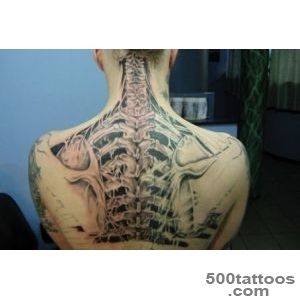
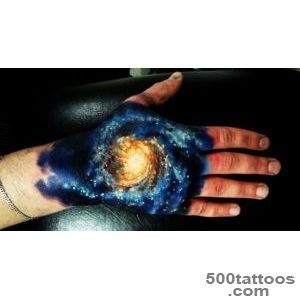
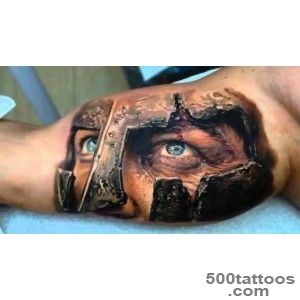
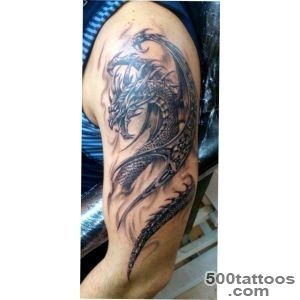
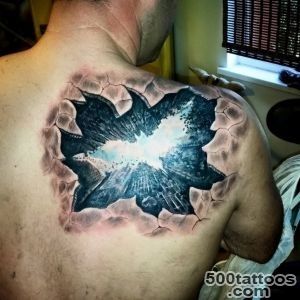
3D tattoos represent a modern evolution of body art, using advanced shading and perspective techniques to create designs that appear to rise from or sink into the skin. While tattooing has roots in ancient Polynesian tradition, the 3D style pushes the craft into a new dimension - turning flat images into lifelike illusions that attract attention and stand out from conventional black-and-white work.
How 3D Tattoos Are Created
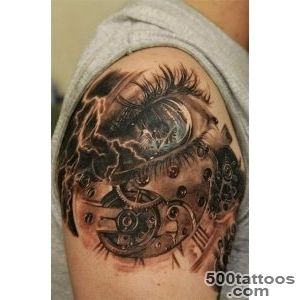
Creating a convincing 3D tattoo demands exceptional skill from the artist. The process begins with a precise contour of the design, followed by careful shading and blending. Highlights, shadows, and halftones are then layered to build the illusion of depth and volume. Every detail matters - a single misplaced shadow can break the three-dimensional effect. Because of this complexity, 3D work often takes longer and costs more than traditional styles.
Popular 3D Tattoo Designs
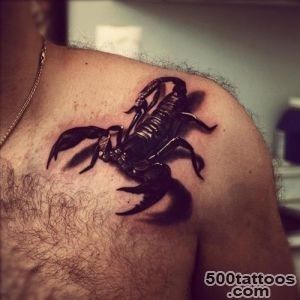
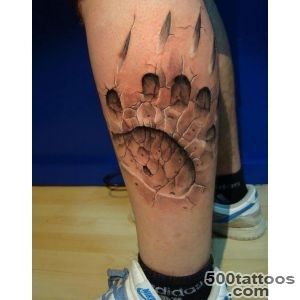
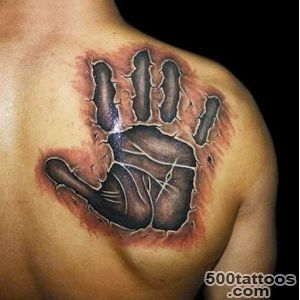
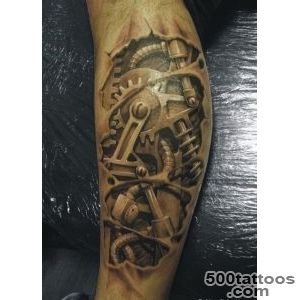
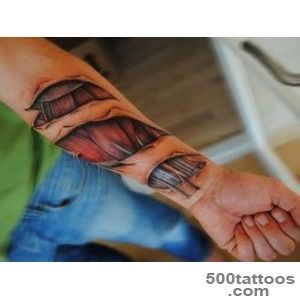
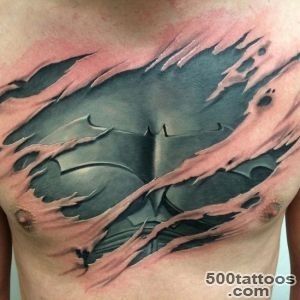
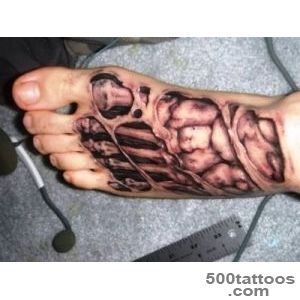
Among the most common 3D designs are realistic spiders and insects placed on the shoulder, neck, or back - positioned to look as though they are crawling across the skin. Simulated scars with stitches are another popular choice, creating the illusion of torn or damaged skin. Volumetric lettering and text with drop shadows also work well in 3D, giving words a sculptural, carved quality that flat script cannot match.
Placement and Visual Impact
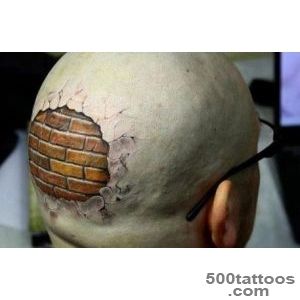
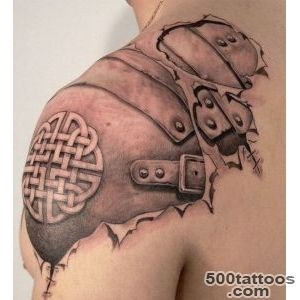
Body placement plays a key role in how effective a 3D tattoo looks. Flat, broad areas like the upper back, chest, or thigh provide the best canvas for depth illusions. Rounded surfaces such as the shoulder or calf can enhance the effect when the design follows the natural curve of the muscle. Scars and torn-skin effects tend to look most striking on the forearm or ribcage, where the illusion of exposed layers feels anatomically convincing.
Is a 3D Tattoo Right for You?
A well-executed 3D tattoo is guaranteed to turn heads - the style is bold, creative, and impossible to ignore. However, the realistic look is not for everyone: some designs can appear intense or unsettling at first glance. Finding an experienced artist who specializes in 3D work is essential, as the technique leaves little room for error. Consider the design carefully before committing - a 3D piece stays with you for life, so make sure it reflects something meaningful rather than a passing impulse.
3d tattoos designs and images