Japanese tattoo
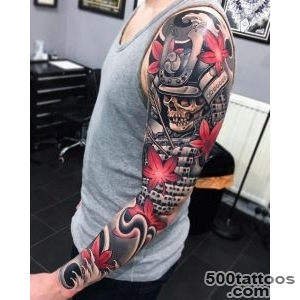
Japanese tattoos, known as irezumi, are among the most recognizable tattoo traditions in the world. Rooted in centuries of history, they combine bold imagery, structured composition, and layered symbolism into designs that often cover large areas of the body. Whether drawn from mythology, nature, or warrior culture, each element in a Japanese tattoo carries meaning and follows visual rules refined over generations.
History of Japanese tattoo tradition
Evidence of tattooing in Japan dates back thousands of years, with clay figurines from the Jomon period showing marks on faces and bodies. For much of Japanese history tattoos served spiritual or punitive purposes - criminals were branded with ink as a social marker. The art form shifted during the Edo period when woodblock illustrations from novels like Suikoden inspired full-body tattoo designs. Skilled artisans began creating elaborate compositions by hand, and the craft moved underground when the Meiji government banned tattoos in 1872. The ban was lifted after World War II, but the stigma persists in parts of Japanese society today.
Popular motifs in Japanese tattoos
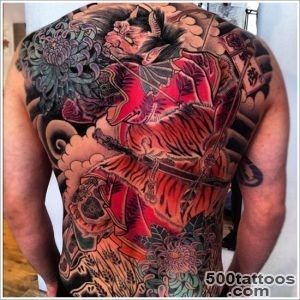
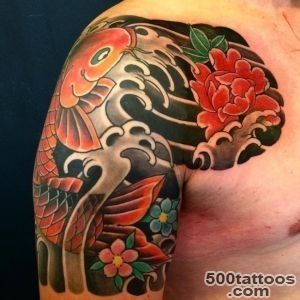
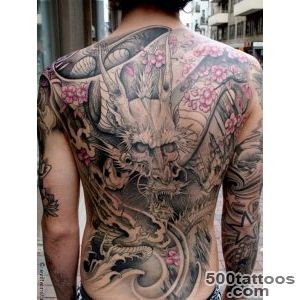
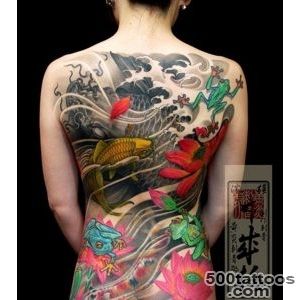
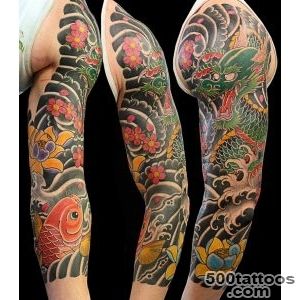
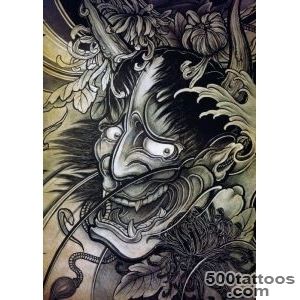
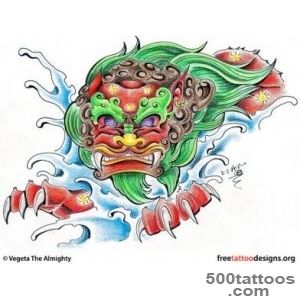
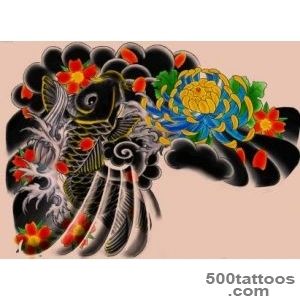
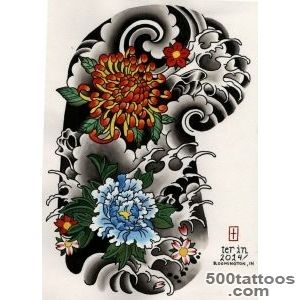
Traditional Japanese tattoos rely on a defined set of motifs. Dragons represent wisdom and protection, koi fish stand for perseverance, and phoenixes symbolize rebirth. Cherry blossoms speak to the fleeting nature of life, while peonies are associated with wealth and beauty. Tigers, snakes, foo dogs, and oni demons appear frequently, each balanced by floral or wave elements. In classic irezumi, motifs are not chosen at random - specific pairings carry cultural weight, and a knowledgeable artist will guide placement and combination.
Styles and color palette
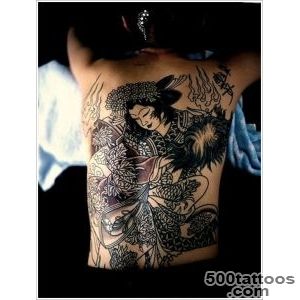
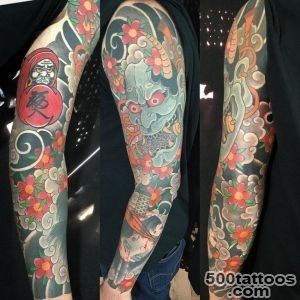
Traditional irezumi uses bold outlines, solid black shading, and a limited but vivid color palette - red, green, blue, yellow, and black dominate. The background is filled with wind bars, clouds, or waves to create visual flow across the skin. Neo-Japanese style loosens the rules, blending traditional motifs with modern illustration techniques, smoother gradients, or unusual color choices. Some artists work in tebori, the hand-poke method using a wooden handle and bundled needles, which produces a softer texture than machine work.
Placements and sizing
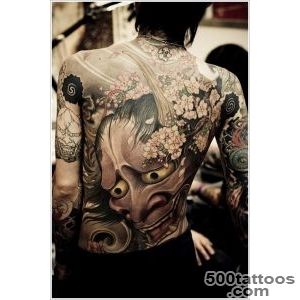
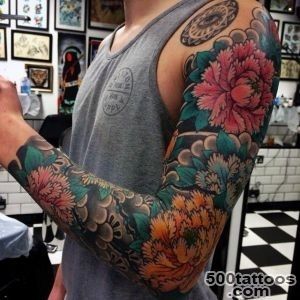
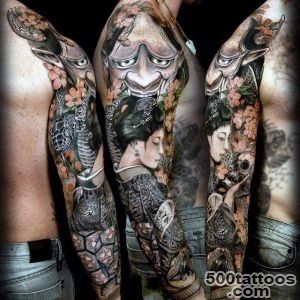
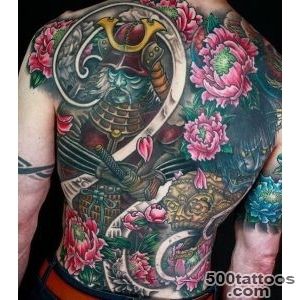
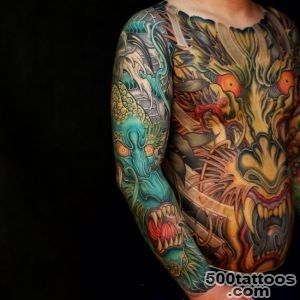
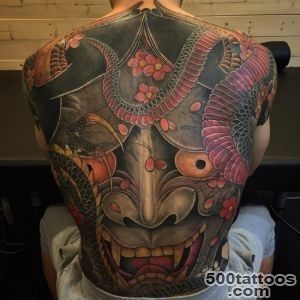
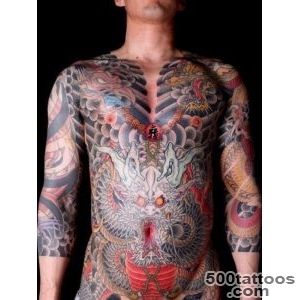
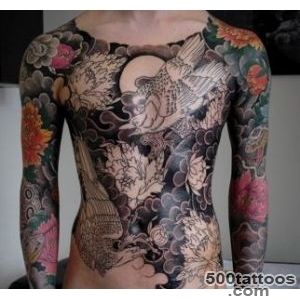
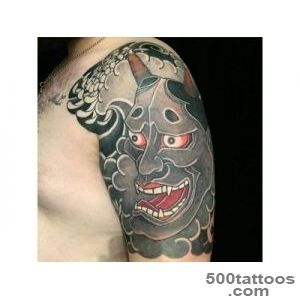
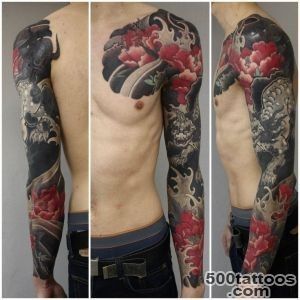
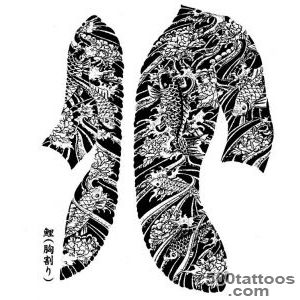
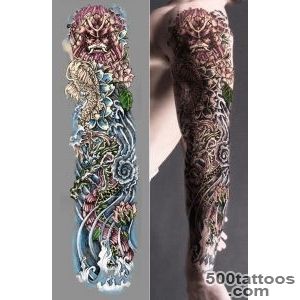
Japanese tattoos are traditionally designed for large surfaces - full sleeves, back pieces, and bodysuits are the most iconic formats. A hikae covers the chest panel and extends onto the upper arm, while a full sleeve (nagasode) runs from shoulder to wrist. Smaller placements like a single koi on the forearm or a hannya mask on the calf can work well, but the style tends to shine when the design has room to breathe and flow with the body's contours.
Japanese tattoo designs and ideas
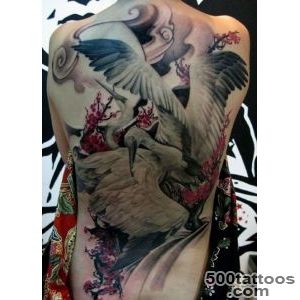
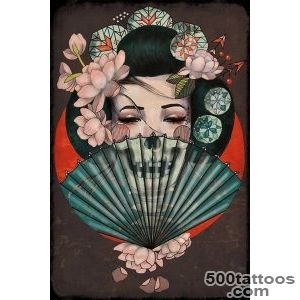
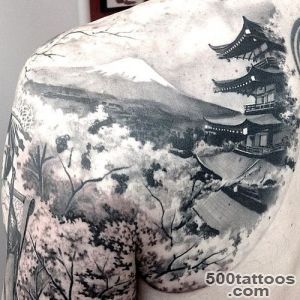
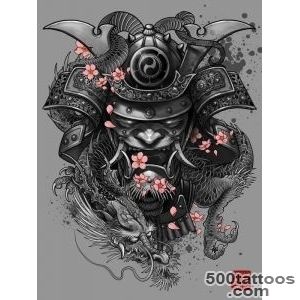
Browse the photo gallery below to see how different artists interpret traditional and modern Japanese tattoo motifs across various placements and body types. Look for the interplay between background elements like waves or clouds and the central figure - that layered composition is what separates authentic irezumi from generic Asian-inspired work. Save the pieces that match your preferred scale and color density, then discuss them with an artist experienced in Japanese tattooing.
Japanese tattoo designs and images