Stork tattoo
The stork carries rich symbolism tied to birth, spring, and family bonds. Across European folklore the bird delivers newborns to waiting parents, making it one of the most emotionally direct tattoo subjects. Beyond the baby-bundle cliché, the stork's elegant silhouette and migratory nature offer serious design potential.
Stork symbolism: birth, spring, and migration
In Germanic and Slavic traditions storks nesting on a rooftop brought good fortune and fertility to the household. The bird's annual migration from Africa to Europe aligned it with the return of spring and new beginnings. As a tattoo the stork can mark the birth of a child, the start of a new chapter, or a connection to ancestral European culture.
Stork with baby bundle: a classic motif
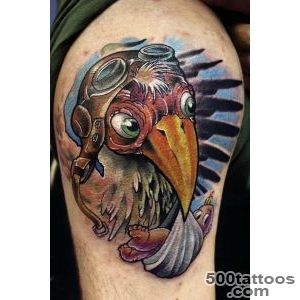
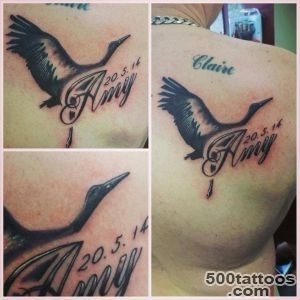
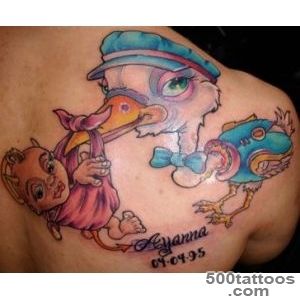
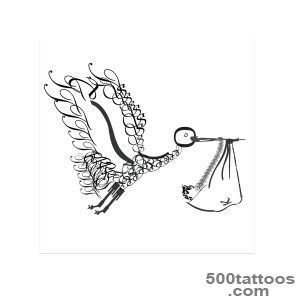
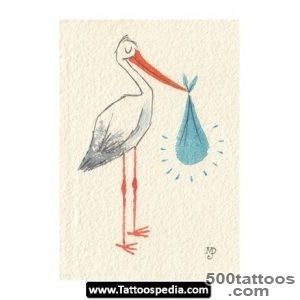
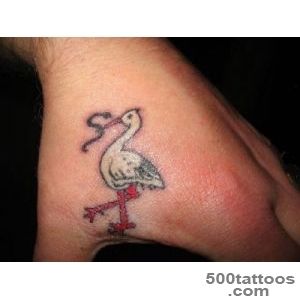
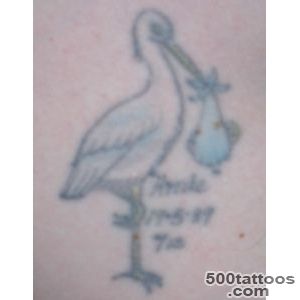
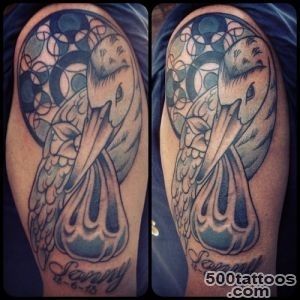
The image of a white stork carrying an infant wrapped in cloth remains a popular tattoo for new parents. Modern versions update the concept with watercolor splashes, geometric frames, or a more realistic bird replacing the cartoon stereotype. Adding a banner with the child's name and birthdate turns the piece into a personalized birth announcement.
Flight poses and nesting compositions
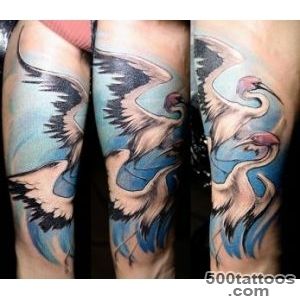
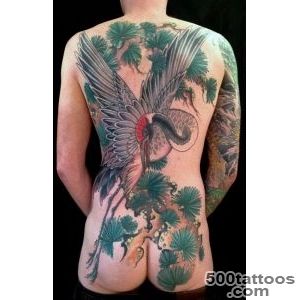
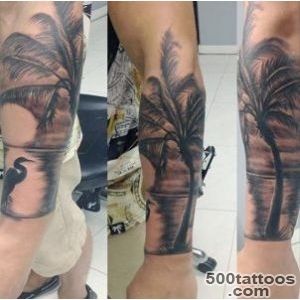
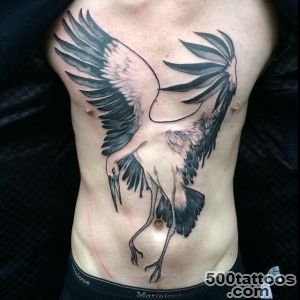
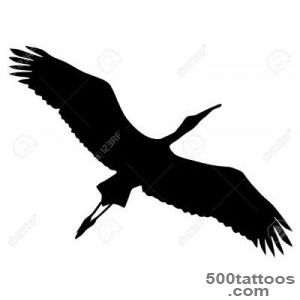
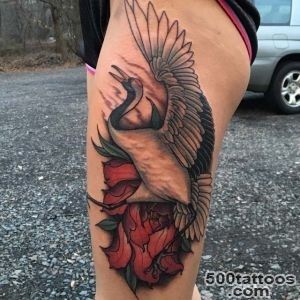
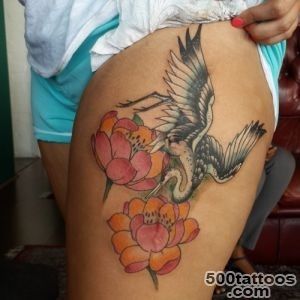
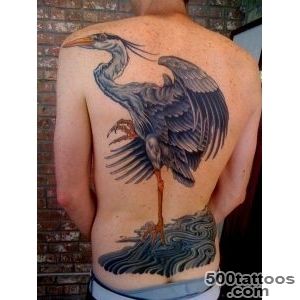
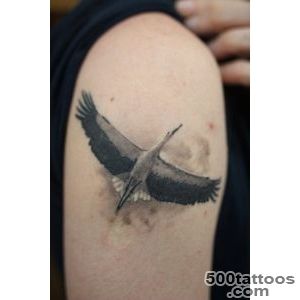
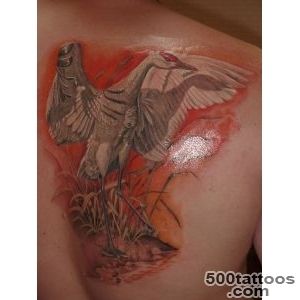
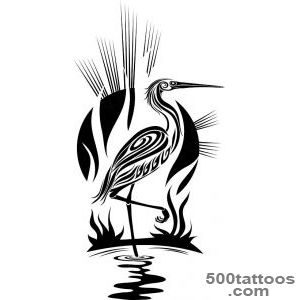
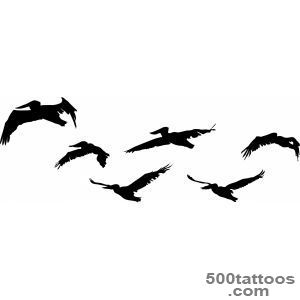
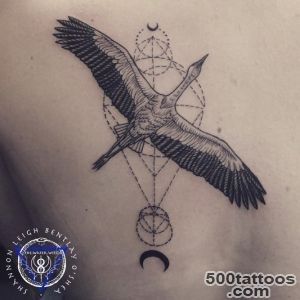
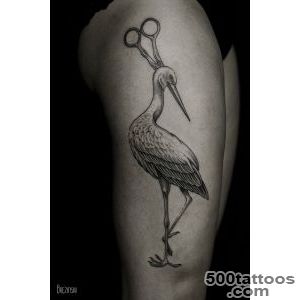
A stork in flight with wings fully spread creates a dramatic vertical composition suited for the ribs, spine, or outer thigh. Nesting storks on a chimney or treetop evoke home and stability. Wading storks standing in shallow water with one leg raised offer a calm, meditative alternative that emphasizes the bird's patience and poise.
Linework and watercolor approaches
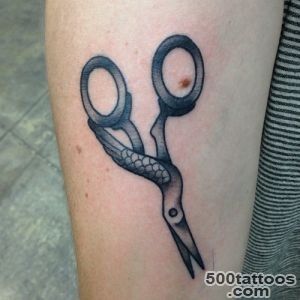
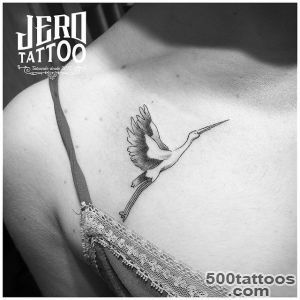
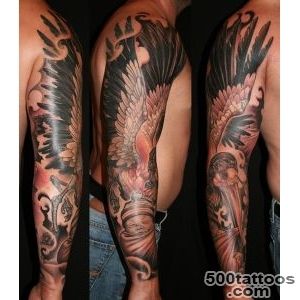
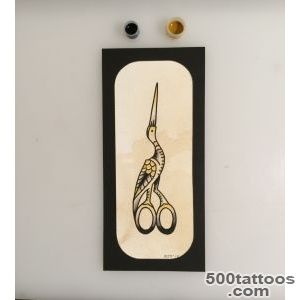
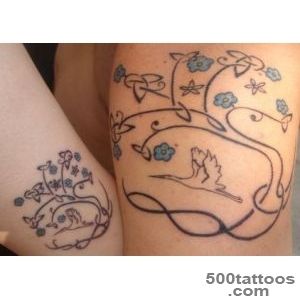
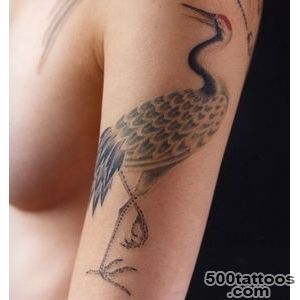
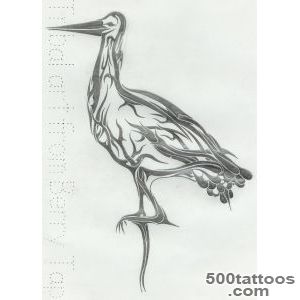
Fine-line stork tattoos capture the bird's slender neck and long legs with minimal ink. Watercolor washes in pastel pinks, blues, and greens add a nursery-art quality that suits the birth theme. Blackwork silhouettes present the stork as a striking graphic element against bare skin. Japanese-inspired brush strokes lend energy to wing and feather detail.
Placement ideas for tall, vertical stork designs
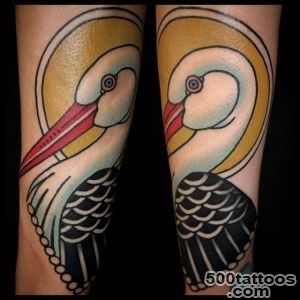
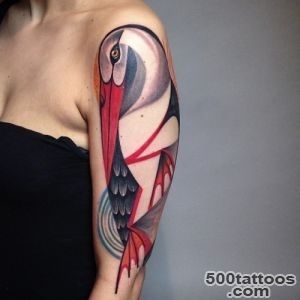
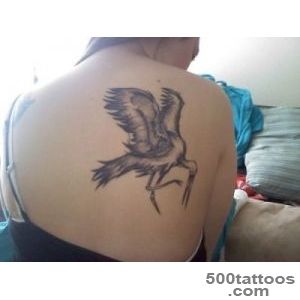
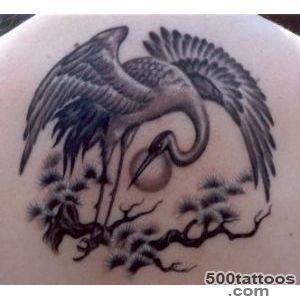
The stork's upright proportions favor vertical canvas areas: forearm, outer calf, or along the spine. A flying stork across the upper back uses the shoulder blades as wing anchors. Compact versions showing just the head and neck fit the inner wrist or ankle, while full-body compositions with background foliage need the thigh or ribcage for adequate space.
Stork tattoo designs and images