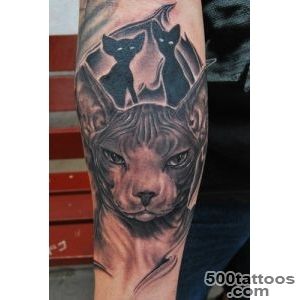
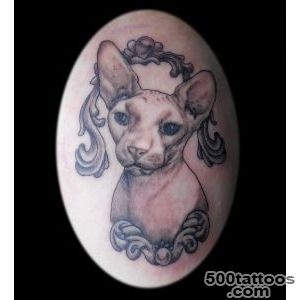
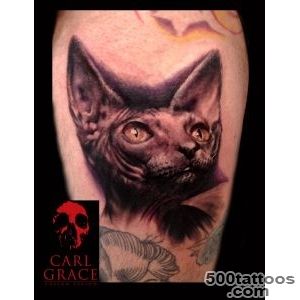
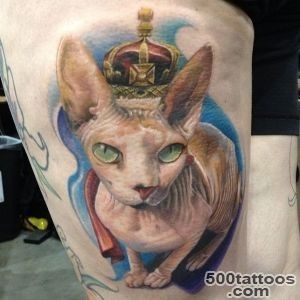
Ed sphinx tattoo
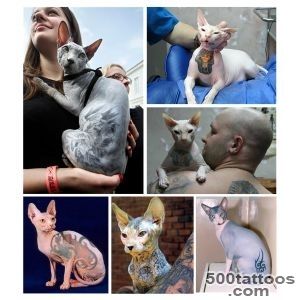
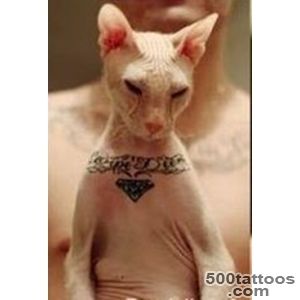
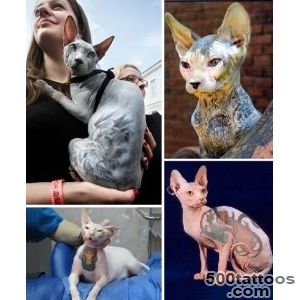
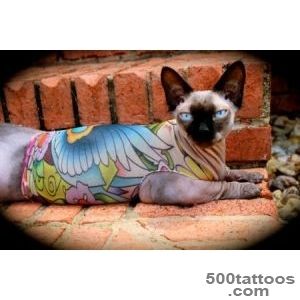
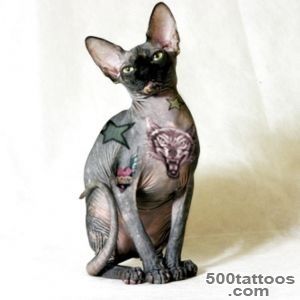
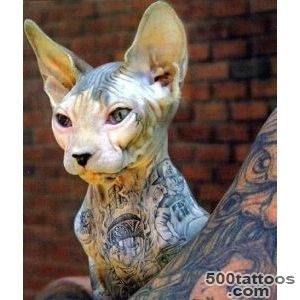
Tattooed sphinx cats-hairless felines with ink applied to their skin-sparked controversy when images spread online. A personal cat tattoo is a respectful alternative. While some see it as quirky pet customization, most animal welfare experts consider it cruelty.
Why people tattoo sphinx cats
Sphinx cats have exposed skin due to their hairless breed, making tattoos technically possible. Some owners wanted matching tattoos with their pets or found the look aesthetically interesting. A few cases involved animals being tattooed while under anesthesia for other procedures.
Why it's considered cruel
Animals cannot consent to cosmetic procedures. Tattooing causes pain, carries infection risks, and serves no benefit to the animal. The healing process is stressful, and cats may scratch or damage the tattoo area. Veterinary and animal welfare organizations universally oppose the practice.
Legal status
Many jurisdictions have banned tattooing animals for cosmetic purposes under animal cruelty laws. Veterinarians who perform the procedure can face professional sanctions. Pet owners who pursue it may face legal consequences depending on location.
Alternatives for matching with your pet
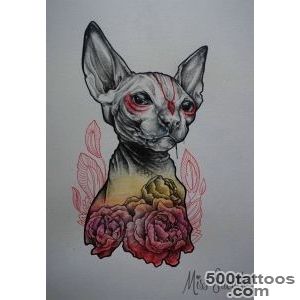
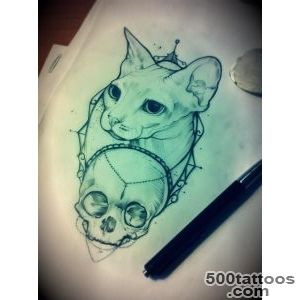
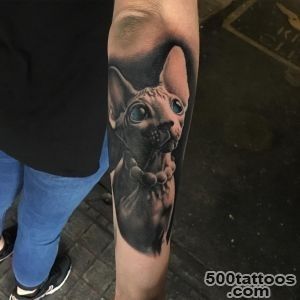
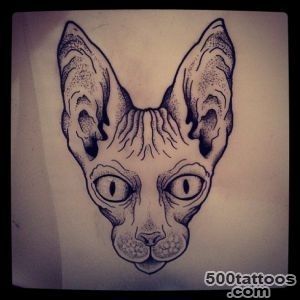
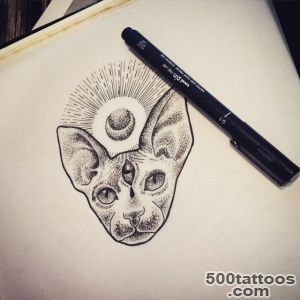
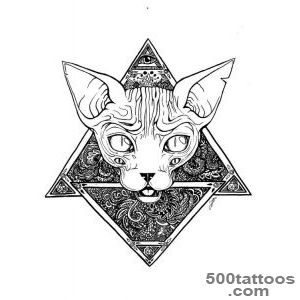
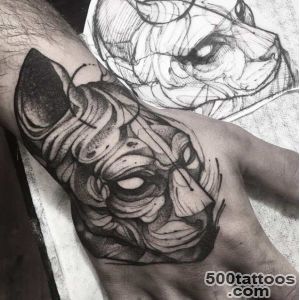
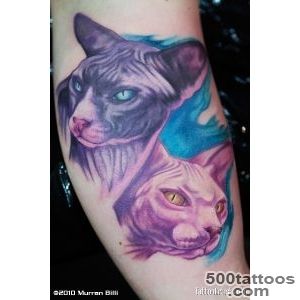
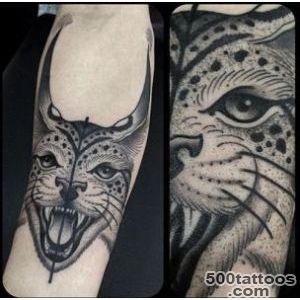
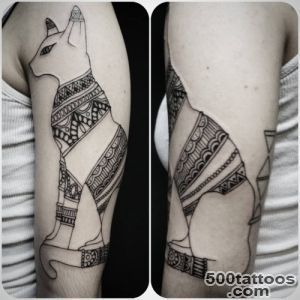
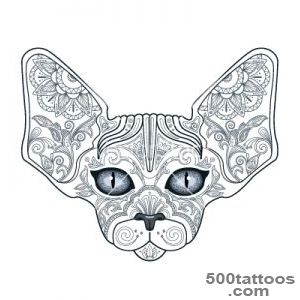
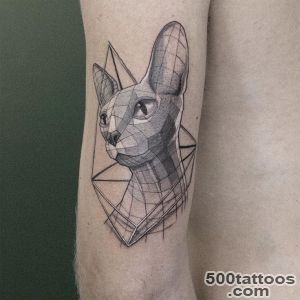
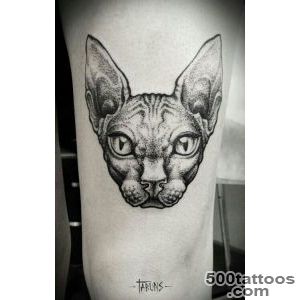
If you want to honor your sphinx cat (or any pet) with a tattoo, get one yourself-a cat tattoo portrait, paw print, or name design. This celebrates your bond without harming the animal. Pet memorial tattoos among animal tattoos are a meaningful, ethical way to keep a beloved companion close.
The bottom line
Tattooing pets is not a legitimate form of body art or self-expression-it's an imposition on a creature that cannot understand or agree. Appreciate your sphinx cat's unique appearance as it is, and save the ink for your own skin.
Ed sphinx tattoo designs and images