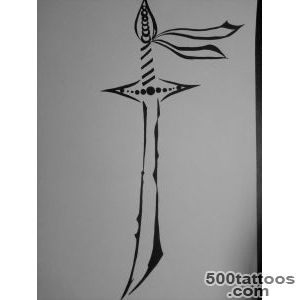
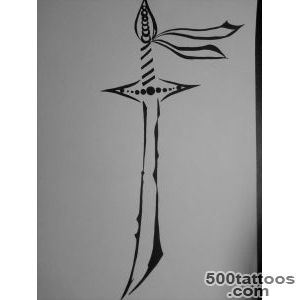
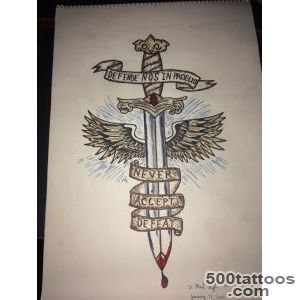
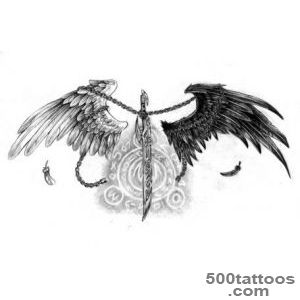
Sword tattoo
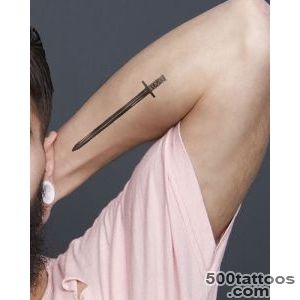
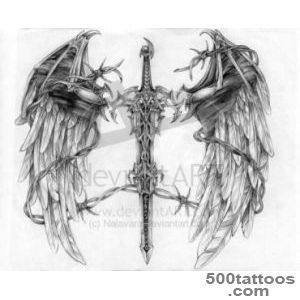
Sword tattoos carry the weight of every warrior culture from samurai to medieval knights. The blade represents honor, justice, courage, and the willingness to fight for what matters. As one of the oldest weapon symbols in art, the sword adapts to virtually any tattoo style and pairs naturally with shields, roses, and serpents.
Warrior heritage and justice symbolism
In medieval Europe the sword was a knight's defining possession, blessed by the church and used to swear oaths. The blindfolded figure of Justice holds a sword alongside her scales. Samurai katanas embody bushido honor codes. A sword tattoo channels these traditions-standing for personal code, moral clarity, or a willingness to defend one's values.
Blade types: katana, broadsword, rapier, and dagger
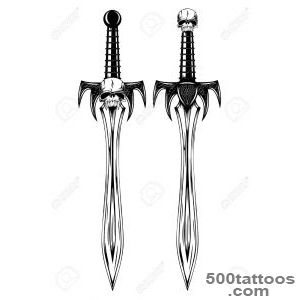
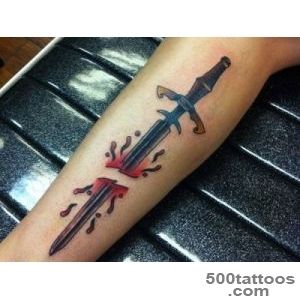
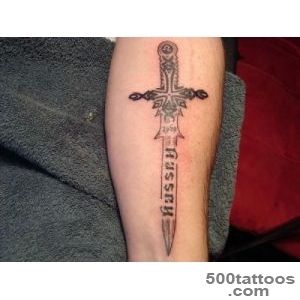
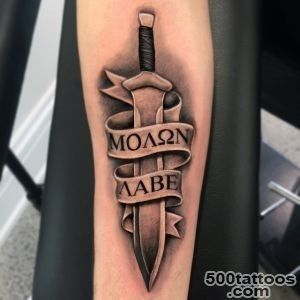
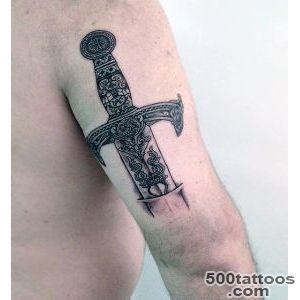
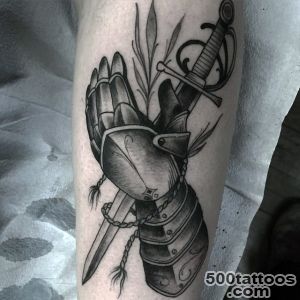
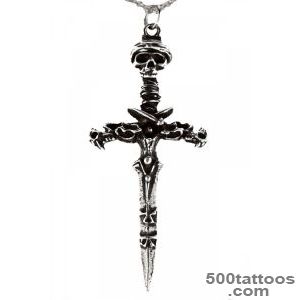
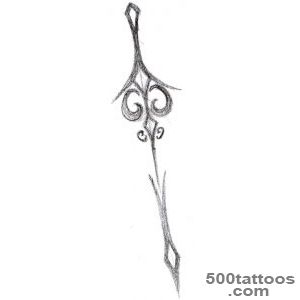
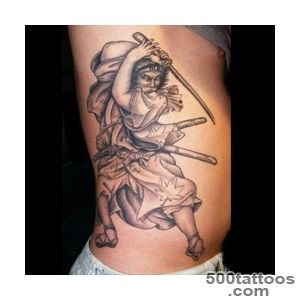
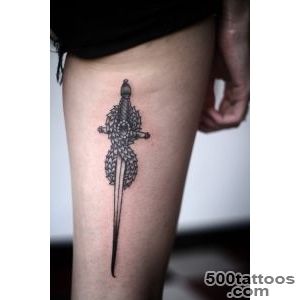
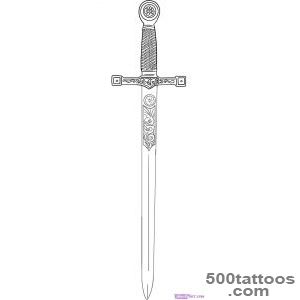
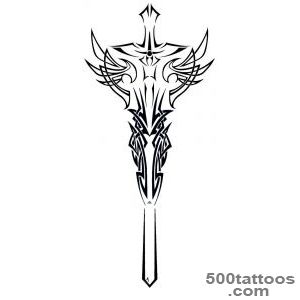
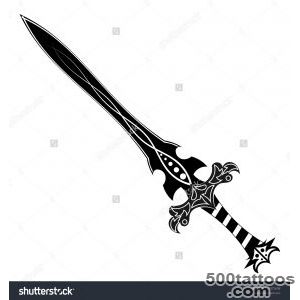
The katana's curved single-edge blade suits Japanese-themed compositions with cherry blossoms and wave backgrounds. European broadswords with cross-guard hilts project medieval power. Rapiers and fencing foils carry an aristocratic dueling elegance. Daggers-shorter and more concealable-fit compact placements and pair well with traditional tattoo imagery.
Crossed swords, pierced hearts, and classic pairings
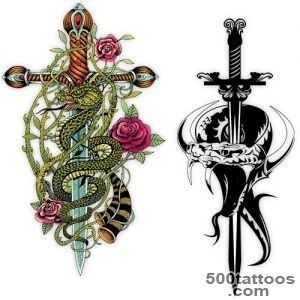
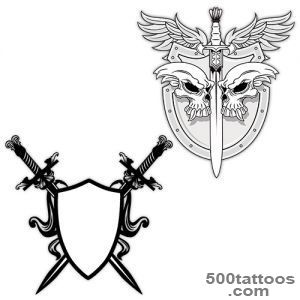
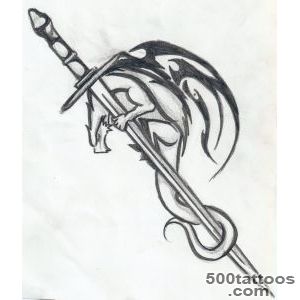
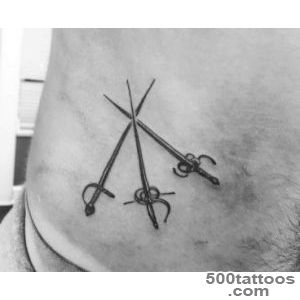
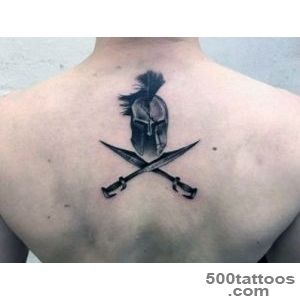
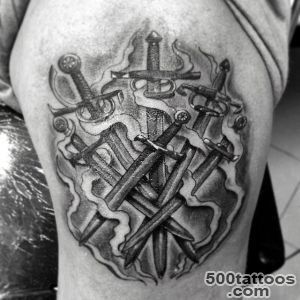
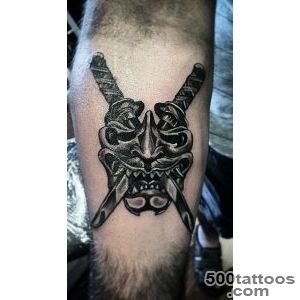
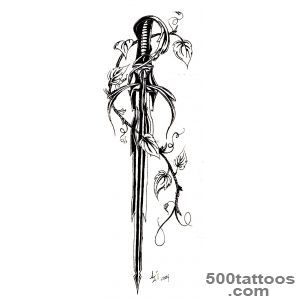
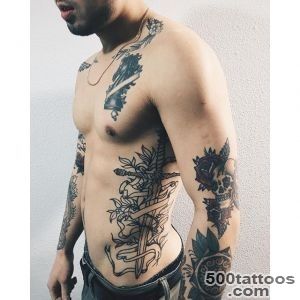
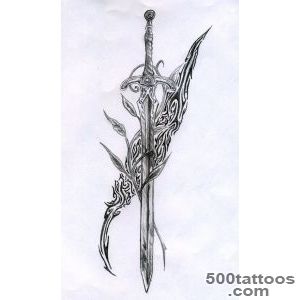
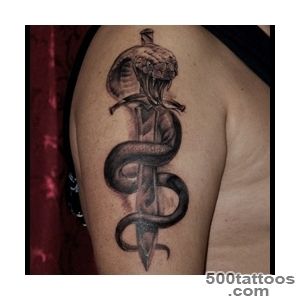
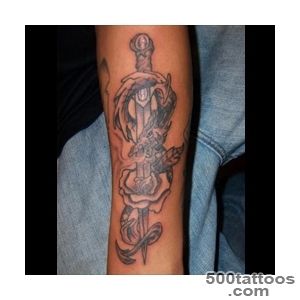
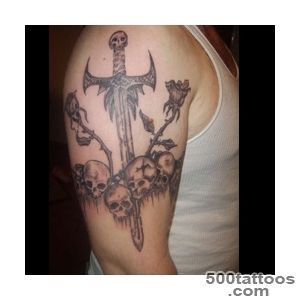
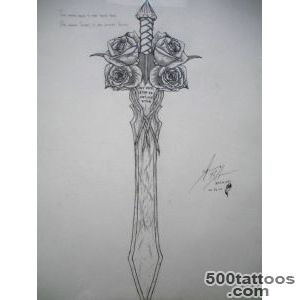
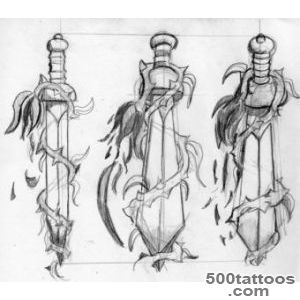
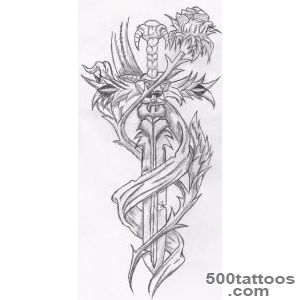
Two crossed swords create an X-shaped emblem of combat readiness or brotherhood. A sword piercing a heart blends violence with love in a classic tattoo tension. A snake coiled around a blade represents forbidden knowledge guarded by force. Roses growing along a sword's length balance beauty against danger. These pairings give the sword narrative context beyond a standalone weapon.
Placement and styling for sword tattoos
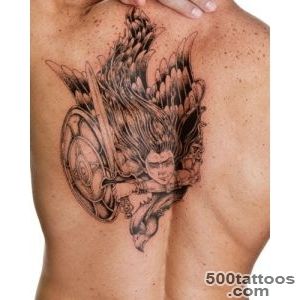
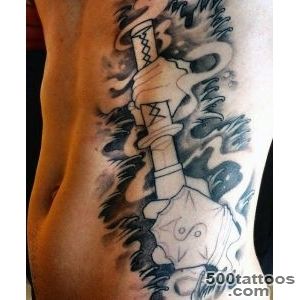
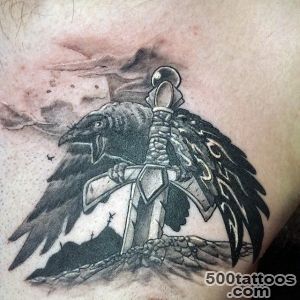
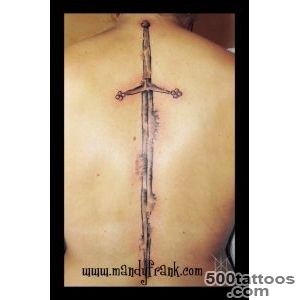
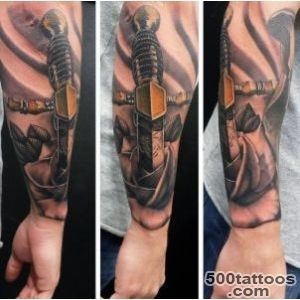
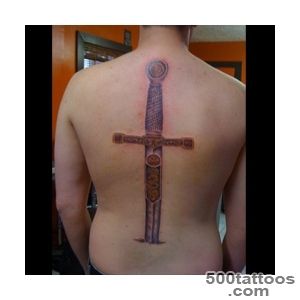
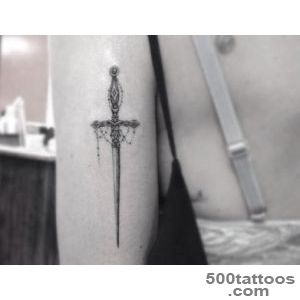
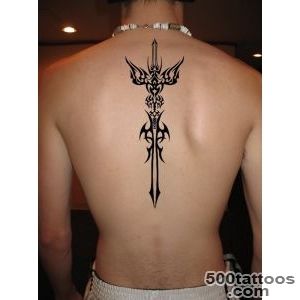
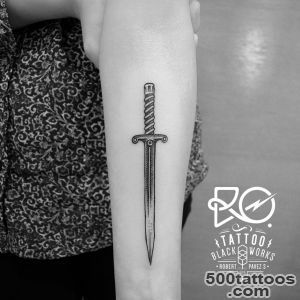
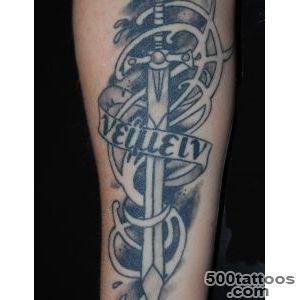
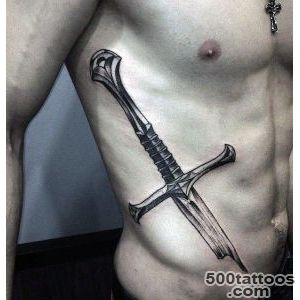
The sword's vertical shape fits the forearm, spine, or outer calf as if sheathed along the body. Horizontal cross-guard compositions span the chest or upper back. Small dagger tattoos on the inner arm or ankle work as discrete accent pieces. Detailed katana designs with hamon temper lines and wrapped tsuka handles need larger canvas areas like the thigh or full forearm.
Sword tattoo designs and images