Clown tattoo
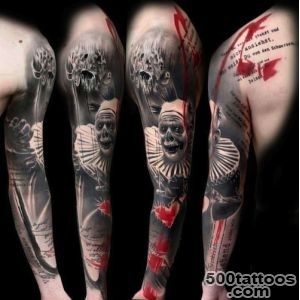
What clown tattoos can represent
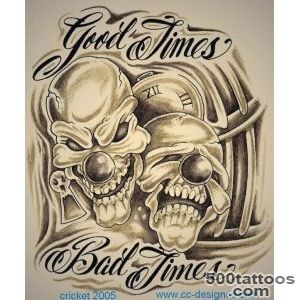
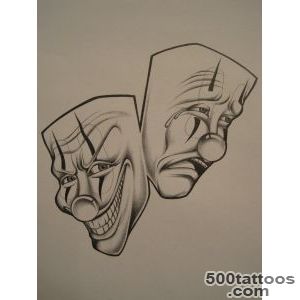
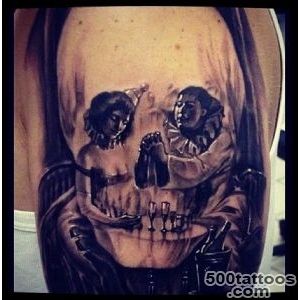
Clown tattoos carry a wide range of meanings. They can represent humor, entertainment, and not taking life too seriously. They can explore the "mask" concept-showing one face while hiding another. Darker interpretations touch on chaos, tragedy beneath comedy, or the unsettling nature of painted smiles. Your design's style determines which meaning comes through.
Classic vs horror clown styles
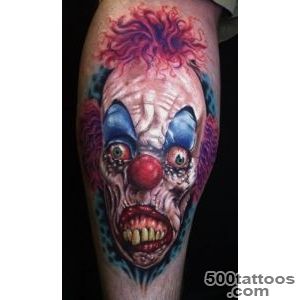
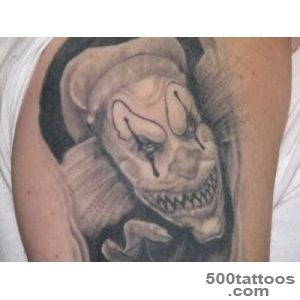
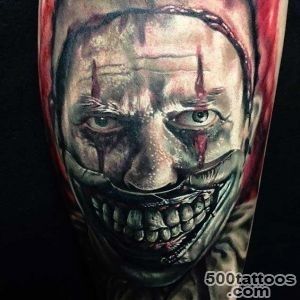
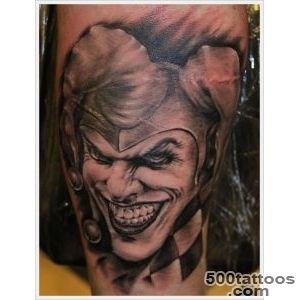
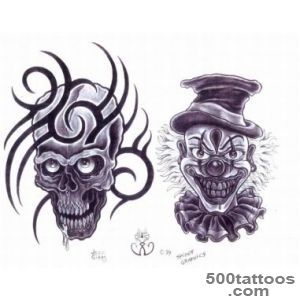
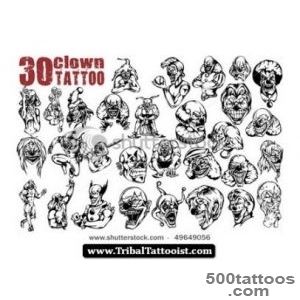
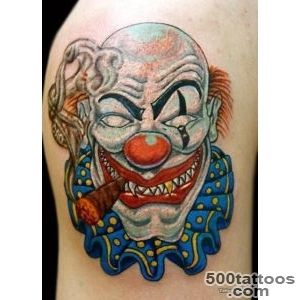
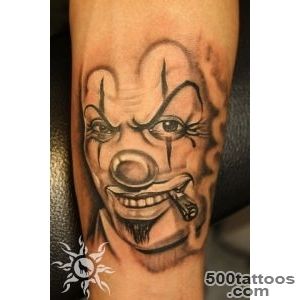
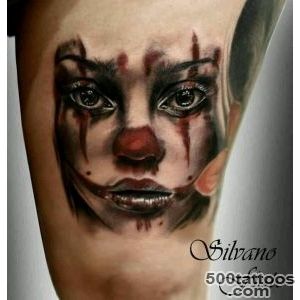
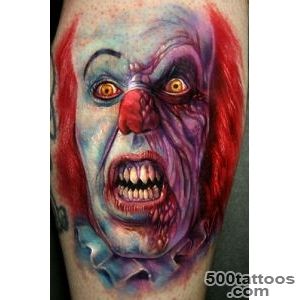
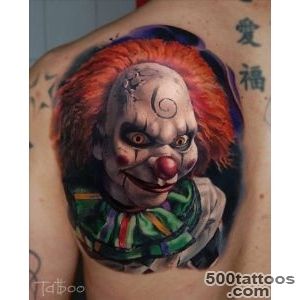
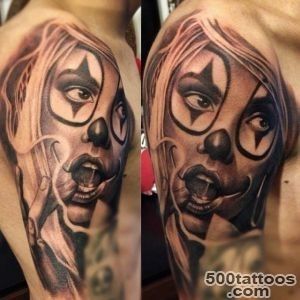
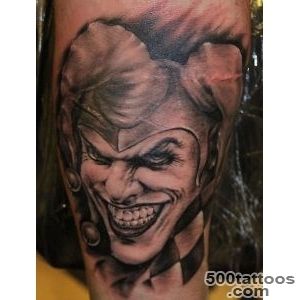
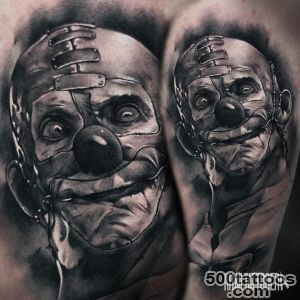
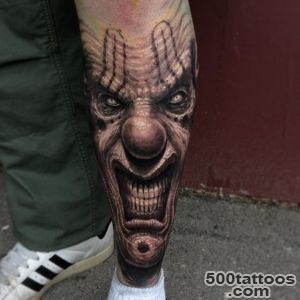
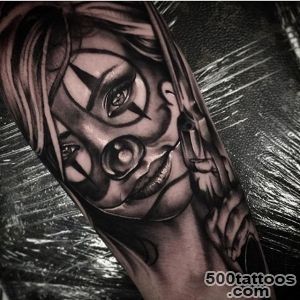
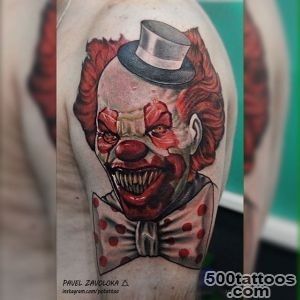
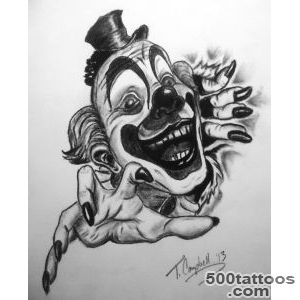
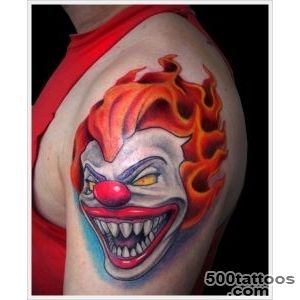
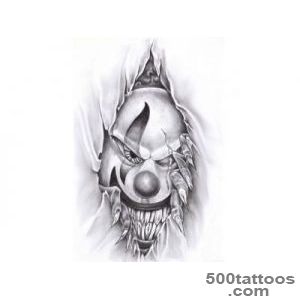
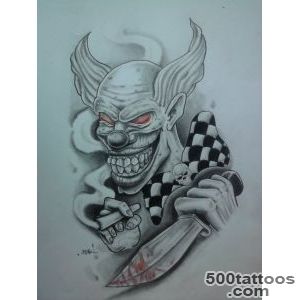
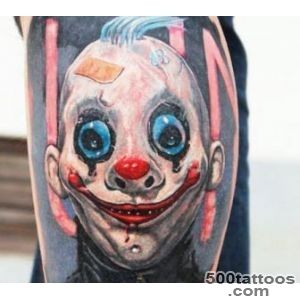
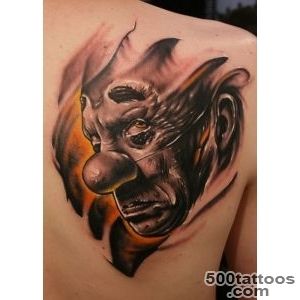
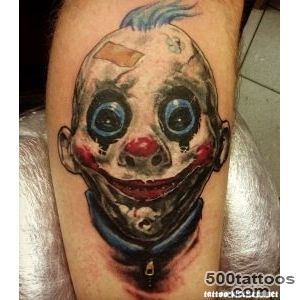
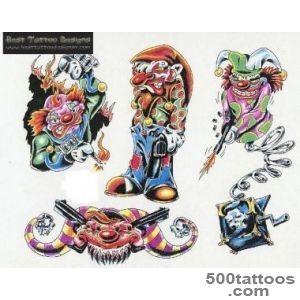
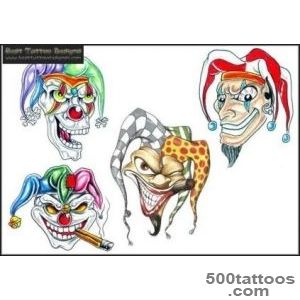
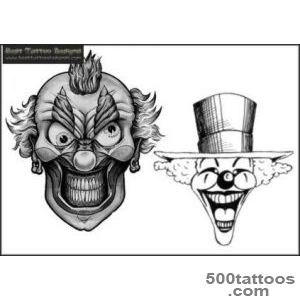
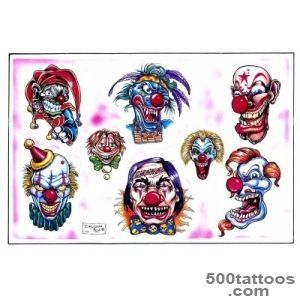
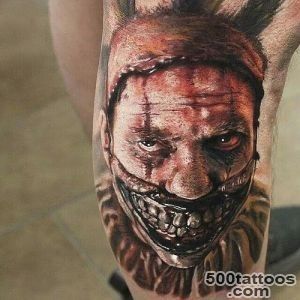
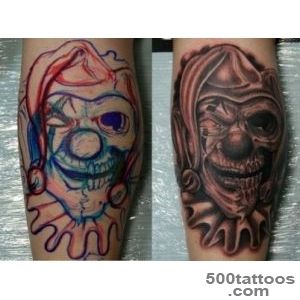
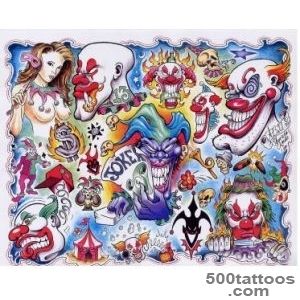
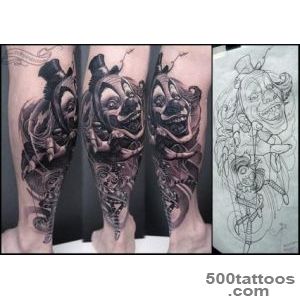
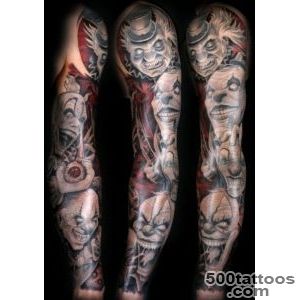
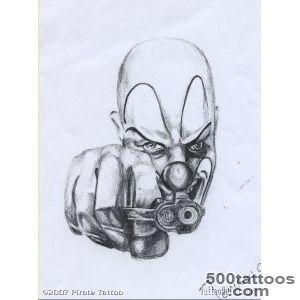
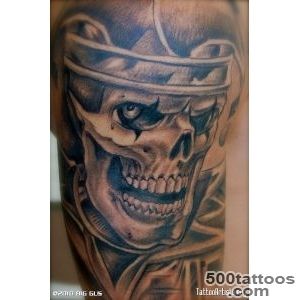
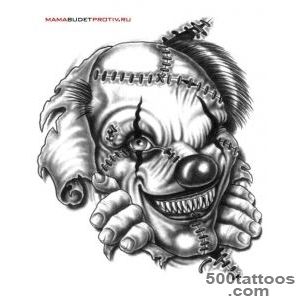
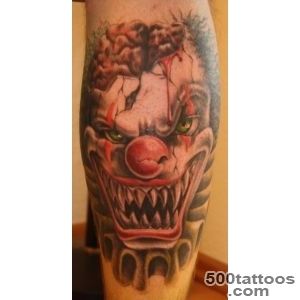
Classic circus clowns feature bright colors, round noses, exaggerated smiles, and playful expressions-nostalgic and lighthearted. Horror or evil clowns use sharp teeth, dark eyes, sinister expressions, and muted or bloody color palettes. There's also a middle ground: melancholy clowns with teardrops, suggesting sadness beneath the makeup.
Composition and expression
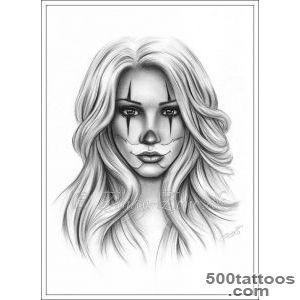
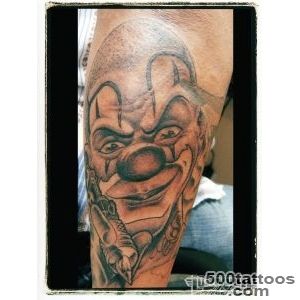
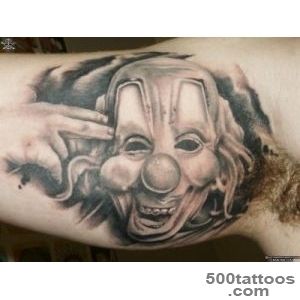
A clown's face is the focus-eyes and mouth communicate the mood. For portraits, consider whether the clown looks at the viewer or away. Full-body clowns can be posed with props (balloons, juggling items) or in action. Masks as separate objects (a hand holding a clown mask) create a different statement than a face wearing the makeup.
Color choices
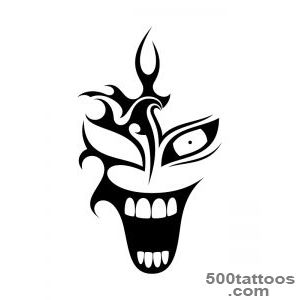
Bright primaries (red, yellow, blue) feel classic and circus-like. Muted or desaturated colors feel vintage or melancholy. Black-and-gray with red accents creates a horror tone. All-black ink can work for graphic or silhouette approaches. Choose colors that support the emotional tone you want.
Placement considerations
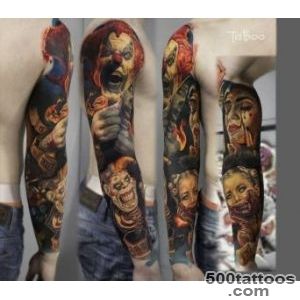
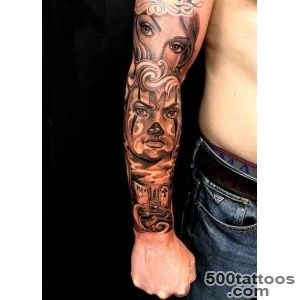
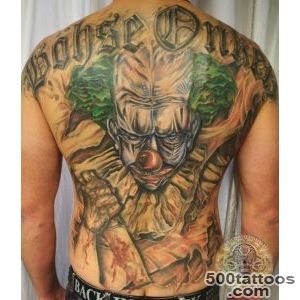
Clown faces need enough space for expression details-eyes, nose, mouth. Forearm, upper arm, thigh, calf, and back panels work well for medium to large clowns. Smaller placements (wrist, ankle) may work for simplified or icon-style designs. Consider visibility: clown tattoos can prompt reactions, so place accordingly.
Avoiding unintended associations
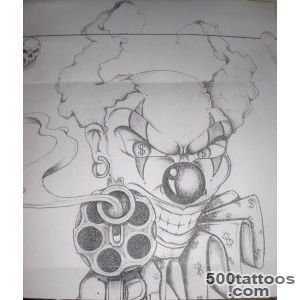
Some clown imagery has been associated with specific groups or used in ways that carry unintended meanings. Avoid combining clowns with text or symbols that could be misread. If you want a pure "entertainment" or "comedy/tragedy" meaning, keep the design focused on classic theatrical elements without adding potentially coded imagery.
Clown tattoo designs and images