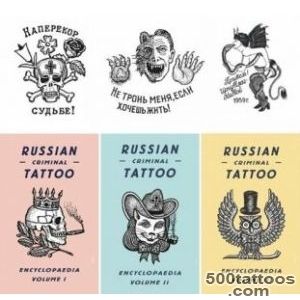
Criminals tattoo

Criminal tattoo history and context
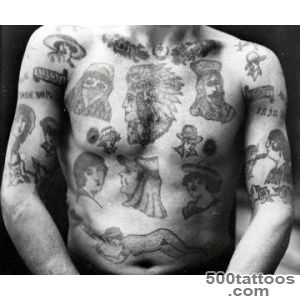
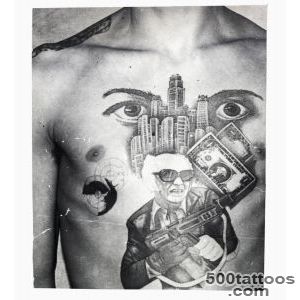
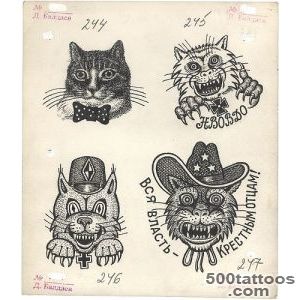
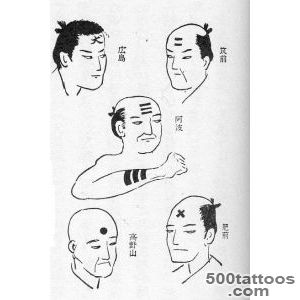
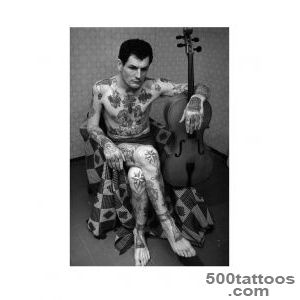
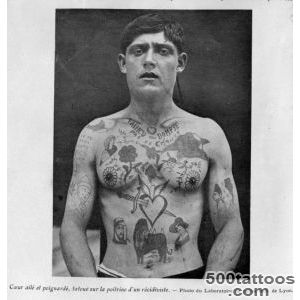
Criminal tattoos have a long history tied to prison systems, gangs, and subcultures around the world. Symbols and markings developed as ways to communicate identity, rank, and personal history within closed communities where other forms of communication were limited. What makes these tattoos complex is that meanings shift across regions, eras, and social groups-a symbol that means one thing in Russian prisons may mean something entirely different in American gang culture or Japanese yakuza tradition.
Common themes in criminal tattoo imagery
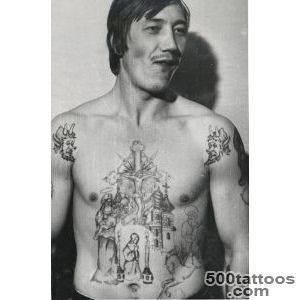
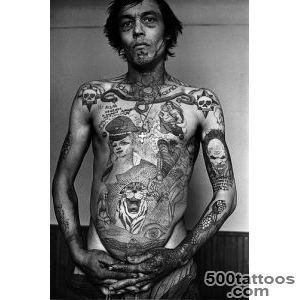
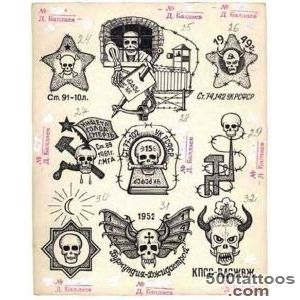
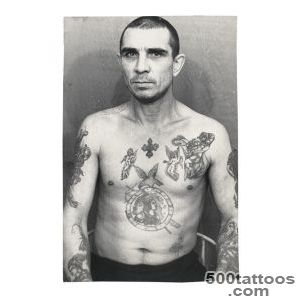
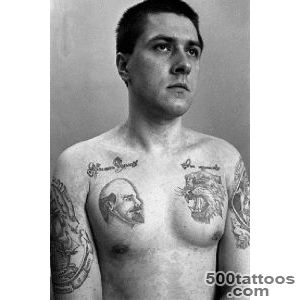
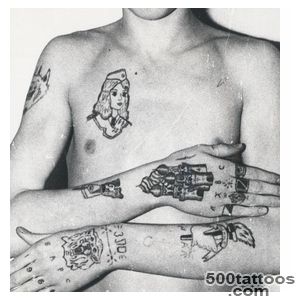
Certain motifs appear frequently: stars and crowns for rank or status, religious imagery reinterpreted within prison culture, text or numbers marking sentences or affiliations, and animal symbols representing traits like cunning or strength. However, no single design has a universal meaning. Context determines interpretation, including where on the body the tattoo sits, what other tattoos surround it, and the wearer's known background.
Why meanings vary by region and era
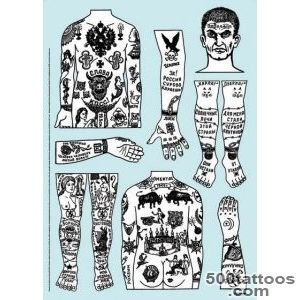
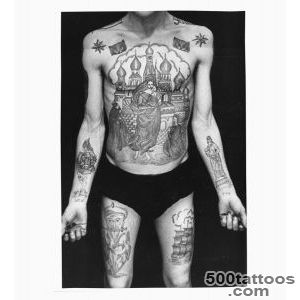
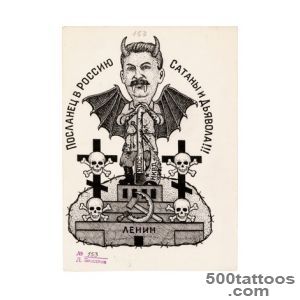
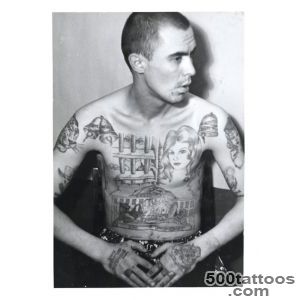
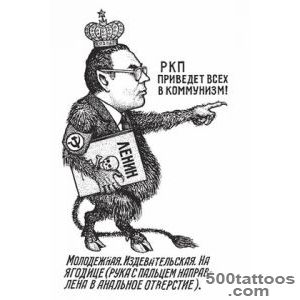
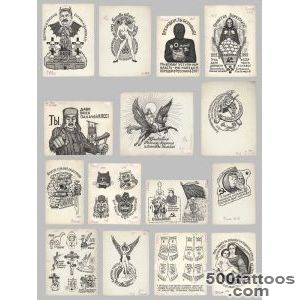
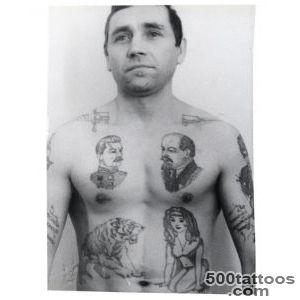
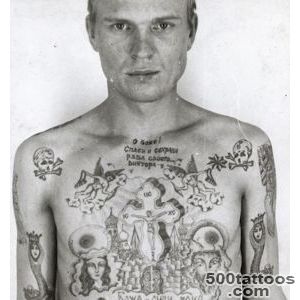
Russian criminal tattoos developed a particularly elaborate system where specific images communicated a prisoner's crimes, rank, and even willingness to cooperate with authorities. This system is well-documented but evolved over decades and continues to change. Western gang tattoos follow different conventions entirely, often centered on group identity rather than individual history. Globalization and media exposure have blurred some distinctions, creating new risks of misinterpretation.
Risks of misunderstanding
People sometimes acquire criminal-style tattoos for aesthetic reasons without understanding the potential consequences. A design that looks striking might carry coded meaning that leads to dangerous assumptions-by law enforcement, by employers, or by people within actual criminal subcultures. Visibility matters: hand, neck, and face tattoos draw immediate attention and judgment.
Safer alternatives that keep the aesthetic
If you're drawn to the bold linework, stark contrast, and raw energy of criminal tattoo style, you can achieve a similar look without coded symbols. Work with an artist who understands the history and can help you design something that captures the aesthetic-heavy black, simple forms, direct imagery-while avoiding specific markers that carry dangerous associations.
Criminals tattoo designs and images