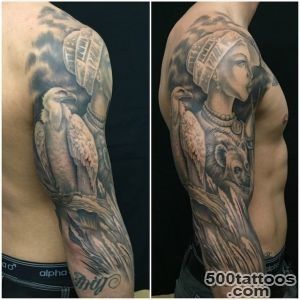
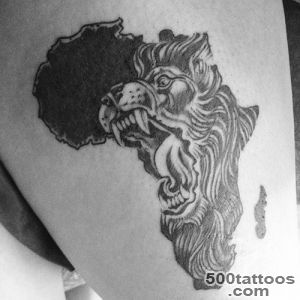
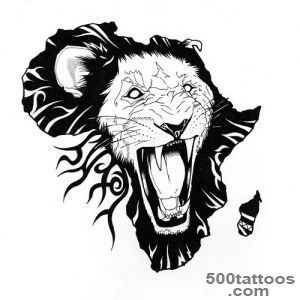
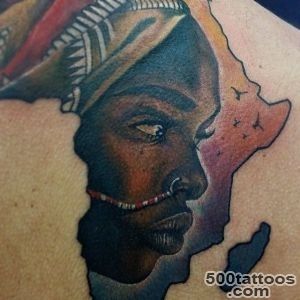
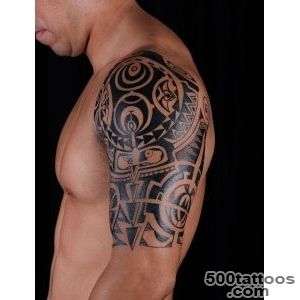
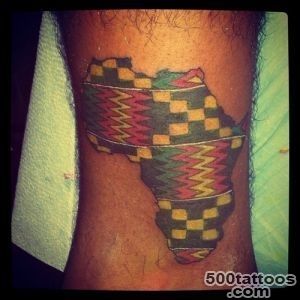
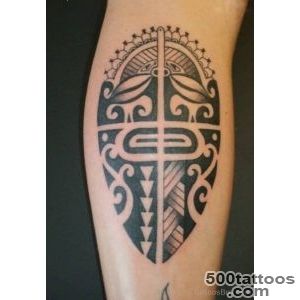
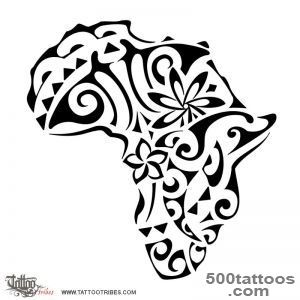
African tattoo
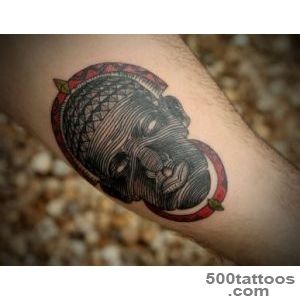
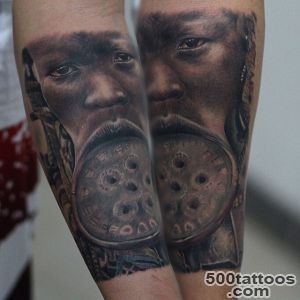
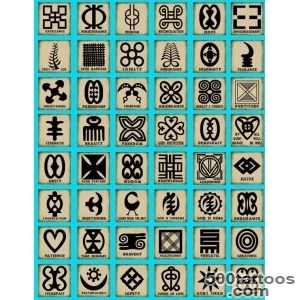
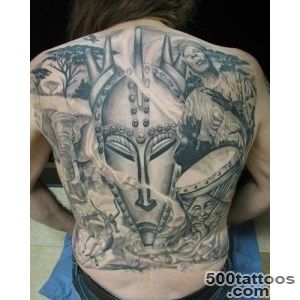
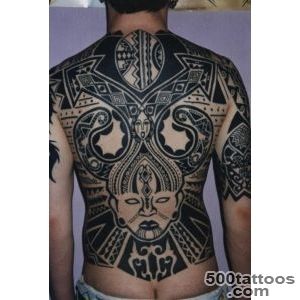
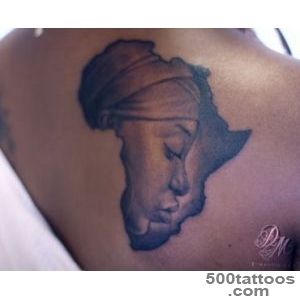
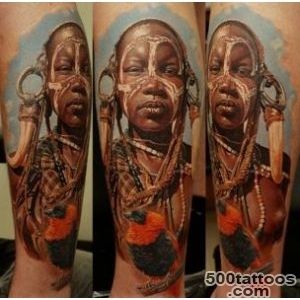
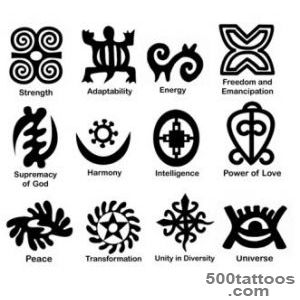
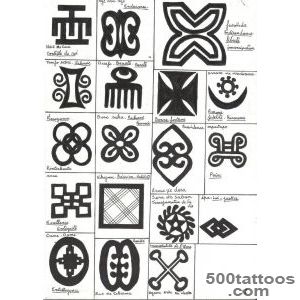
"African tattoo" is an umbrella term, not a single tradition. Africa includes many cultures and visual languages, so the best approach is to choose a specific inspiration (a region, a pattern tradition, a personal heritage reference) instead of copying random symbols from a collage.
What African Tattoo Can Refer To
Many regions and cultures fall under this broad category, so avoid one-size-fits-all claims. The strongest African-inspired tattoos reference something specific rather than generic "tribal" imagery. For ancient influences, see ancient tattoos.
Pattern & Motif Directions
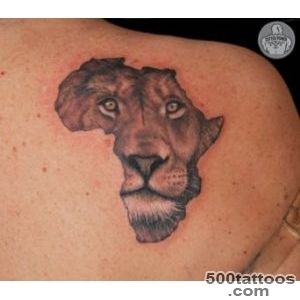
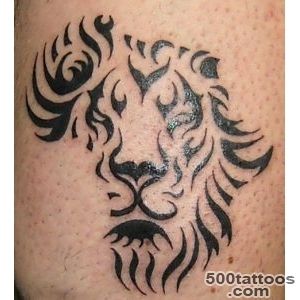
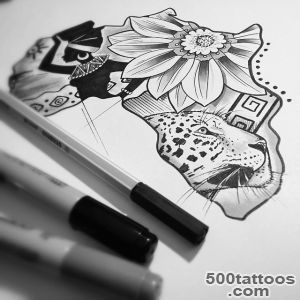
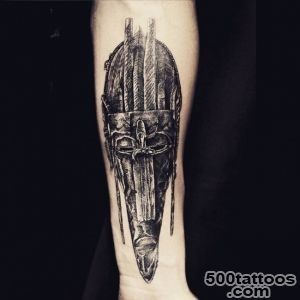
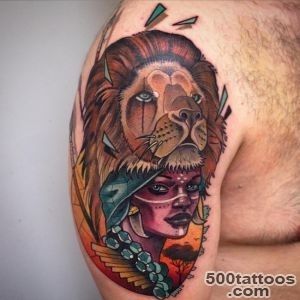
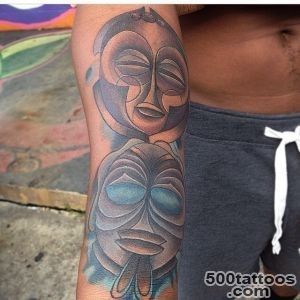
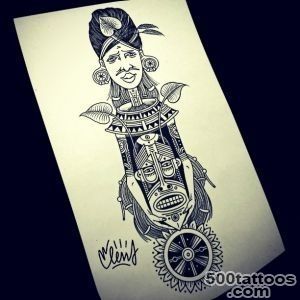
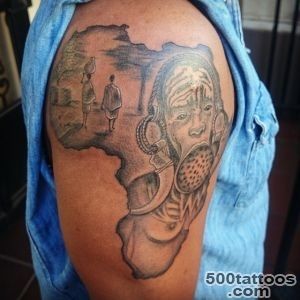
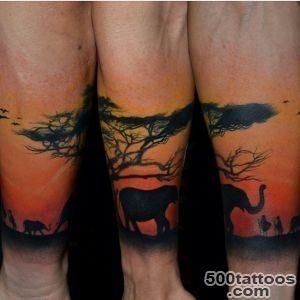
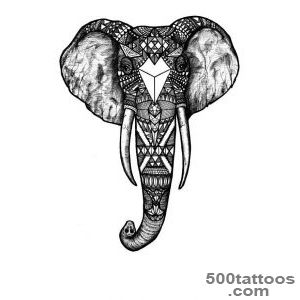
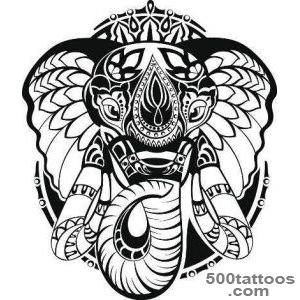
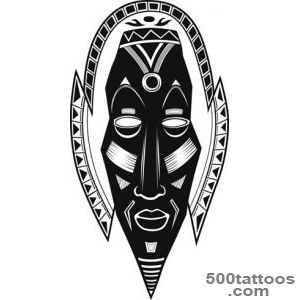
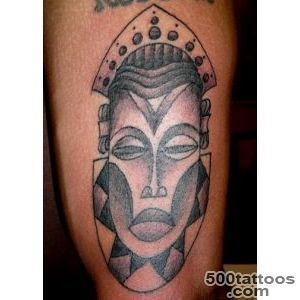
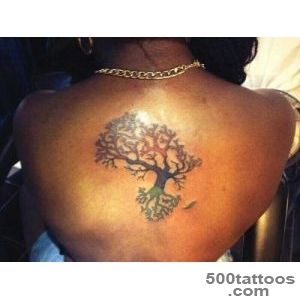
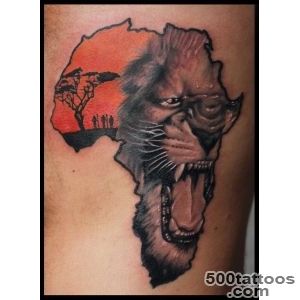
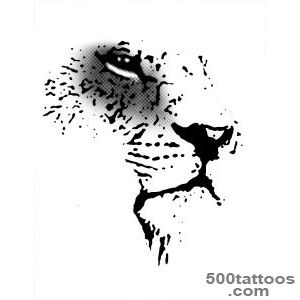
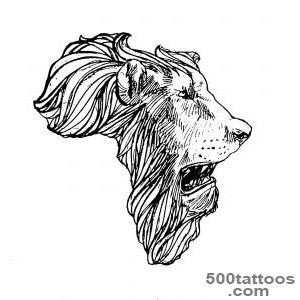
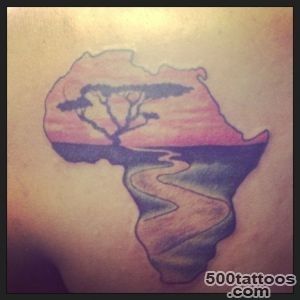
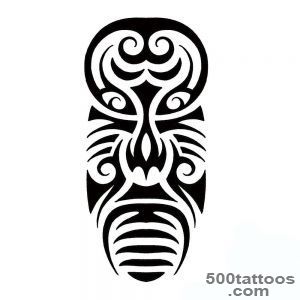
Geometry, textiles, masks, animals, and nature shapes offer rich design possibilities. Context matters-learn where patterns come from before using them. Animal motifs tied to specific African wildlife (elephants, lions, gorillas) can work well when designed respectfully.
Style Options
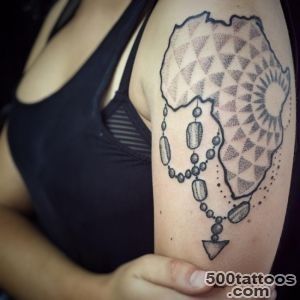
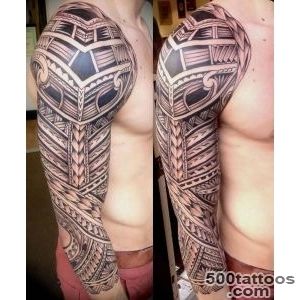
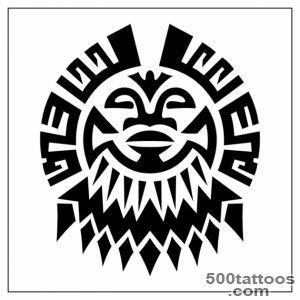
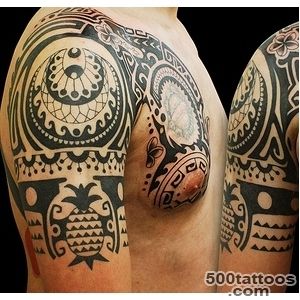
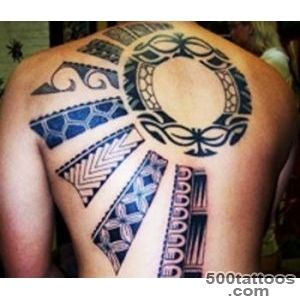
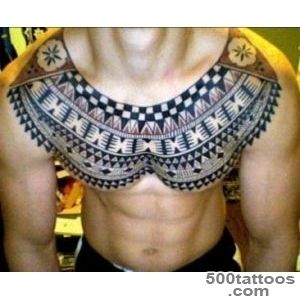
Blackwork and dotwork translate geometric patterns beautifully. Ornamental styles capture the intricate detail of textile-inspired designs. Illustrative approaches work for masks and figurative elements. Similar pattern-driven approaches appear in Maori and Polynesian tattoos.
Placement & Composition
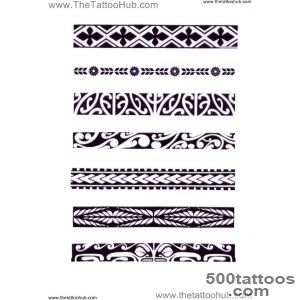
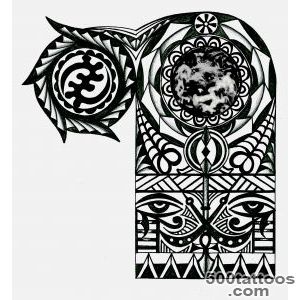
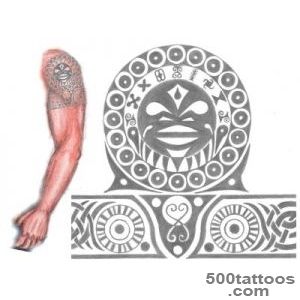
Bands work on the forearm, upper arm, or leg. Larger compositions suit the chest, back, or full sleeve. Geometric patterns often follow the body's natural lines.
Respect & Research Checklist
Before you finalize the design: (1) identify the source culture or theme, (2) avoid sacred/community-only symbols, (3) ask for guidance if using heritage designs, (4) keep the layout readable at tattoo size. The most meaningful African-inspired tattoo comes from genuine understanding, not surface-level copying.
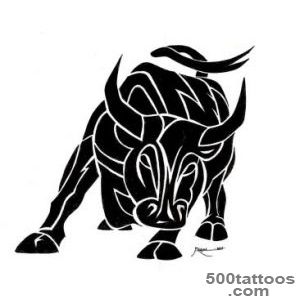
African tattoo designs and images