Mechanics tattoo
Mechanics tattoo designs are often about craftsmanship, problem-solving, and pride in how things work. They can represent a hands-on identity, a career you built, or the satisfaction of fixing what others give up on. Gears, wrenches, engines, and blueprints carry a straightforward honesty that appeals to people who value function as much as form.
Symbolism of Tools and Moving Parts
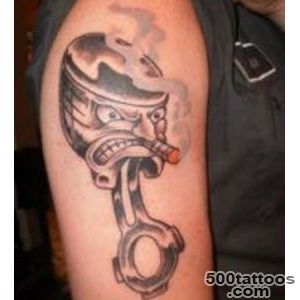
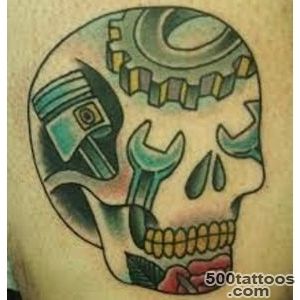
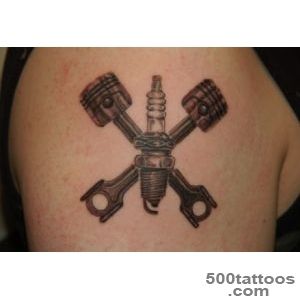
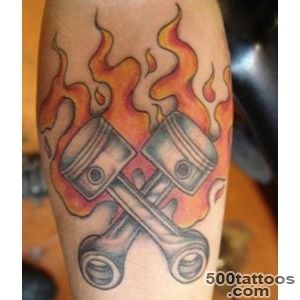
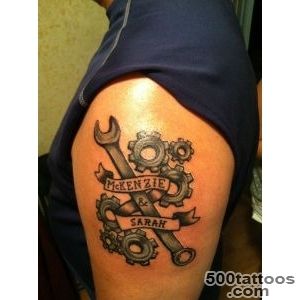
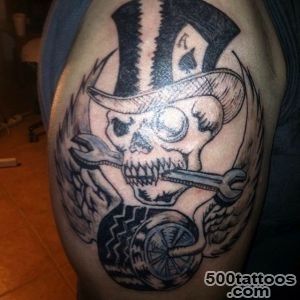
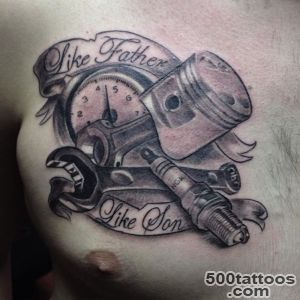
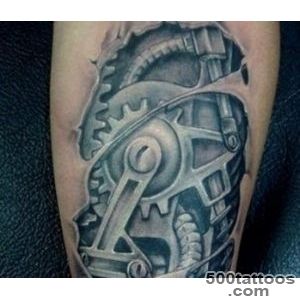
A wrench or socket set can represent reliability, the idea that you are the person people call when something breaks. Gears interlocking suggest teamwork and systems thinking, while a piston or engine block speaks to raw power and precision engineering. Even a simple bolt or nut, rendered well, can carry the weight of an entire career on a forearm.
Style Options for Industrial Themes
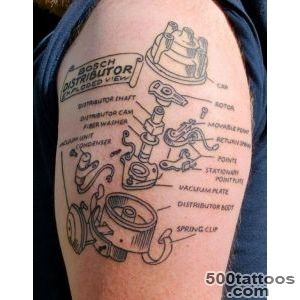
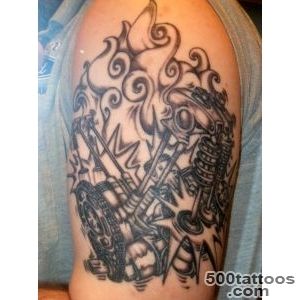
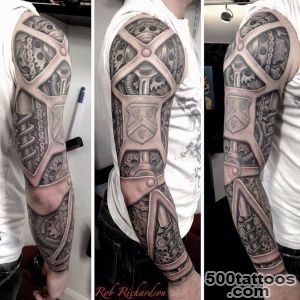
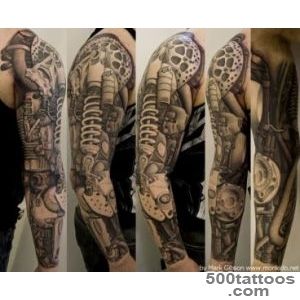
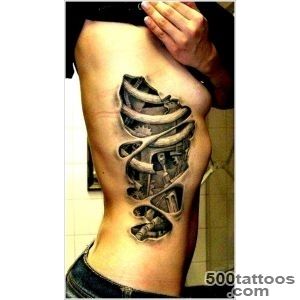
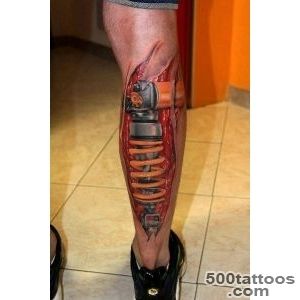
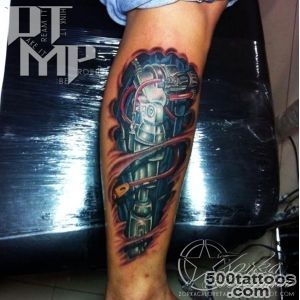
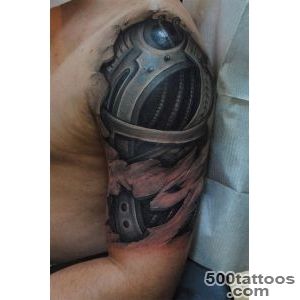
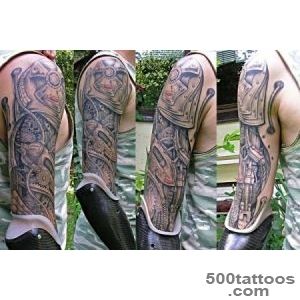
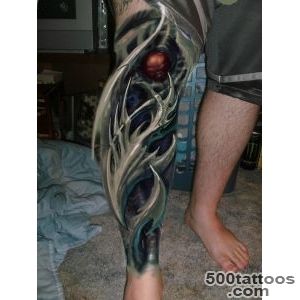
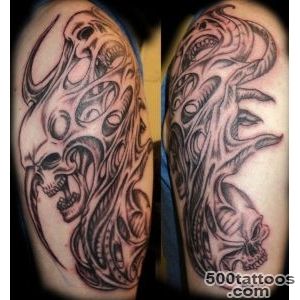
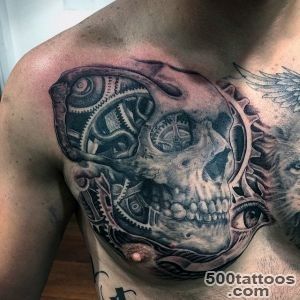
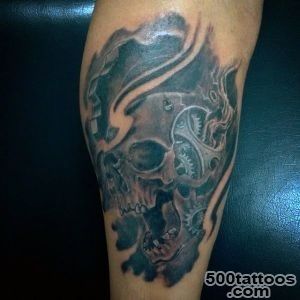
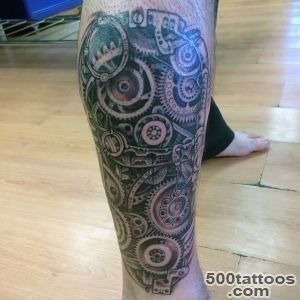
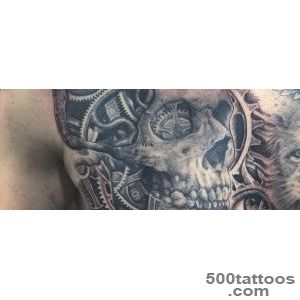
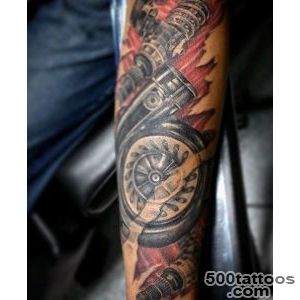
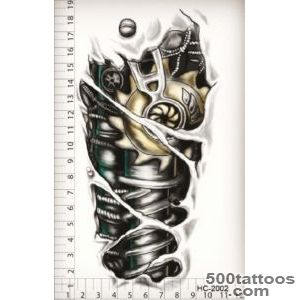
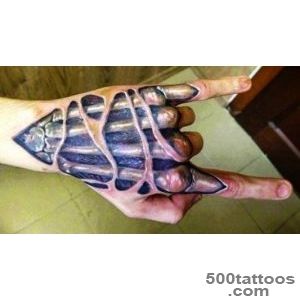
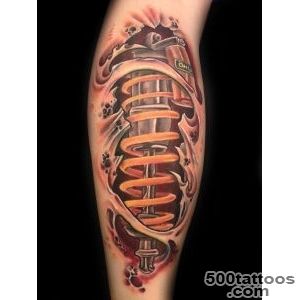
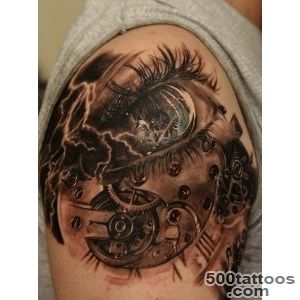
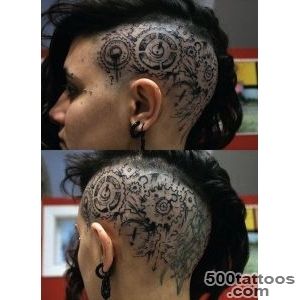
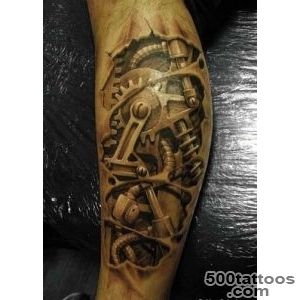
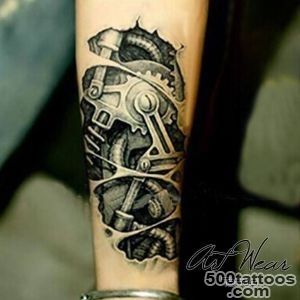
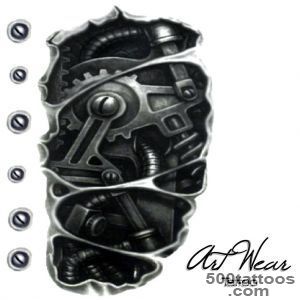
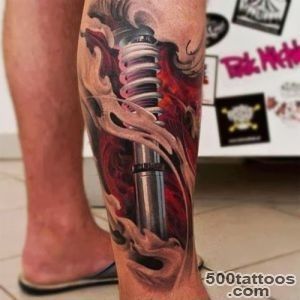
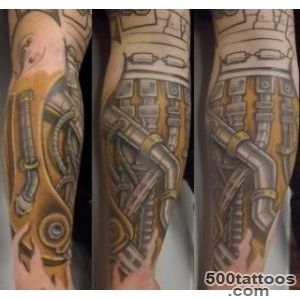
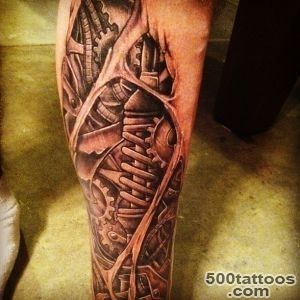
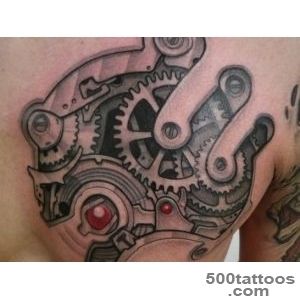
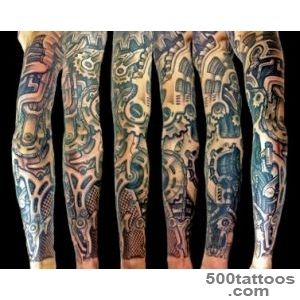
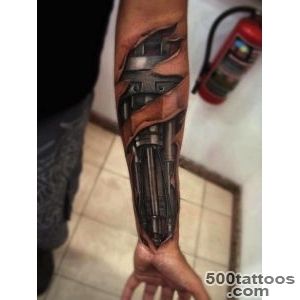
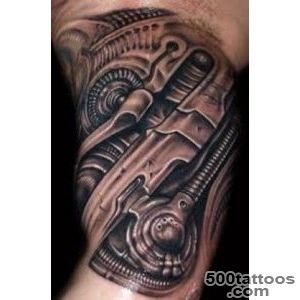
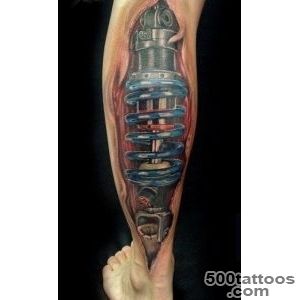
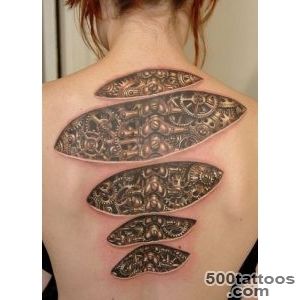
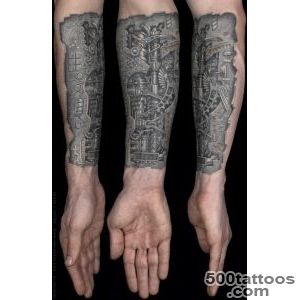
Blackwork gears and tools look bold and graphic, while fine-line styles can mimic blueprint sketches and technical diagrams. Watercolor accents can add energy without overwhelming the design, and realism is perfect for metal shine, bolts, and worn textures that feel authentic. Biomechanical styles take the concept further by making it look like machinery lives beneath the skin, blending anatomy with engineering.
Building a Composition
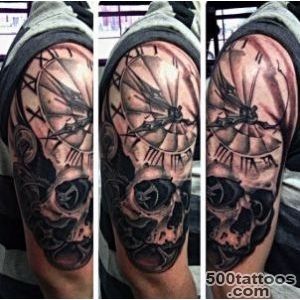
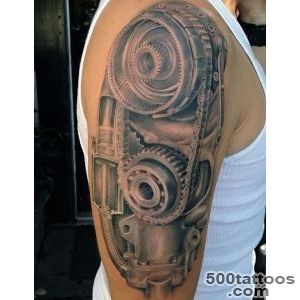
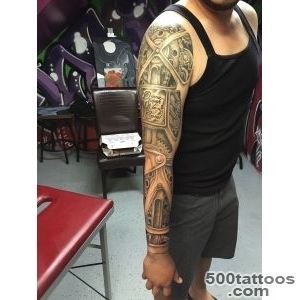
A single tool reads as a clean statement, but many mechanics prefer a sleeve or half-sleeve that layers multiple elements into a cohesive scene. Connecting pieces with chains, belts, or exposed framework gives the artist room to wrap around the arm naturally. Including a specific vehicle, engine model, or brand logo can personalize the piece and tie it to a real chapter of your life.
Best Placements for Mechanical Art
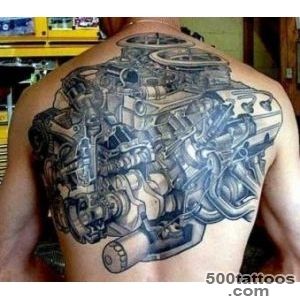
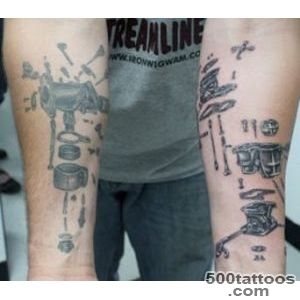
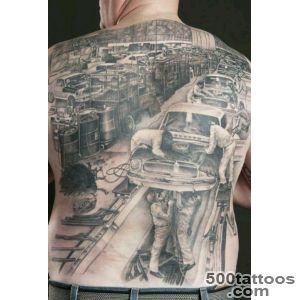
The forearm is practical for long tools or gear rows that read clearly, and the upper arm or shoulder gives more room for layered parts and shading. A wrist piece fits a small wrench or gear symbol if you keep it simple and high-contrast. Chest and back panels work well for large engine cross-sections or exploded diagrams.
Aftercare for Detail-Heavy Work
Choose a size that preserves tiny teeth and lines, expect the wrist to feel more intense, and keep aftercare steady so dark areas heal smooth and clean. Mechanical designs often rely on fine parallel lines and small repeated shapes, so protecting the piece from sun exposure during healing is especially important.
Mechanics tattoo designs and images