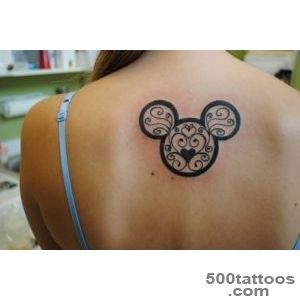
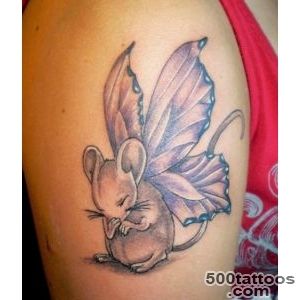
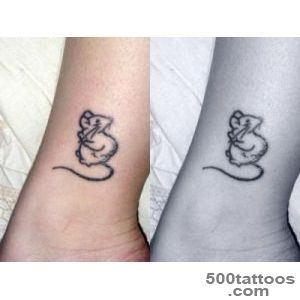
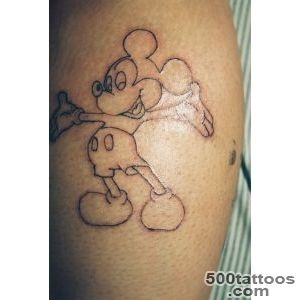
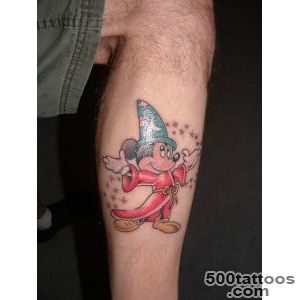
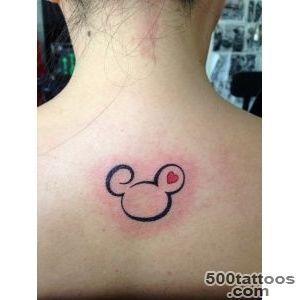
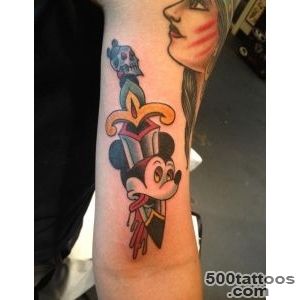
Mouse tattoo
Mice and rats occupy a fascinating place in cultural symbolism, viewed with reverence in some traditions and suspicion in others. As body art, these small creatures carry more meaning than their size suggests, representing resourcefulness, intelligence, adaptability, and survival against the odds.
Eastern Reverence and Zodiac Significance
In Chinese astrology, the Rat is the first animal of the zodiac cycle and symbolizes wealth, quick thinking, and the ability to seize opportunity. People born in a Rat year are considered clever, sociable, and ambitious. In Hindu tradition, the mouse is the vahana, or divine vehicle, of Ganesha, the remover of obstacles, giving it a sacred status that elevates the creature far beyond its common reputation. Japanese netsuke carvings often depict mice with rice or coins, associating them with prosperity and abundance.
Western Folklore and Literary Mice
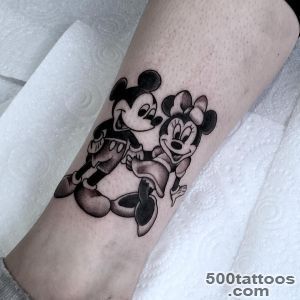
Western culture has a more complicated relationship with these animals. Rats are often associated with plague, poverty, and cunning, but mice carry a softer image through fairy tales and children's literature. Lab mice symbolize sacrifice in the name of scientific progress. Pet rats have gained a devoted following that appreciates their intelligence and social nature. The design's tone depends heavily on whether you lean toward the gritty urban rat or the charming storybook mouse.
Design Approaches and Artistic Styles
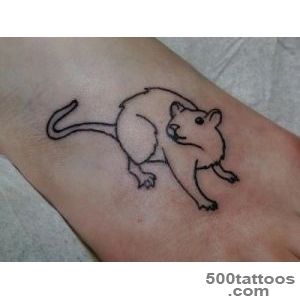
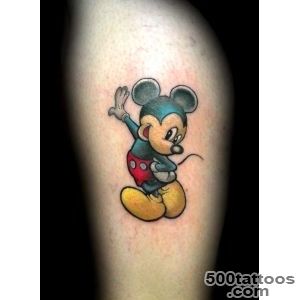
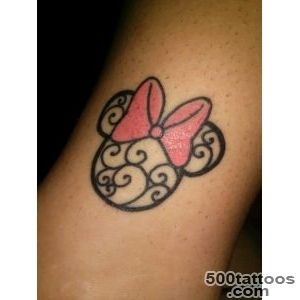
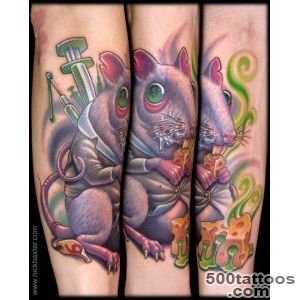
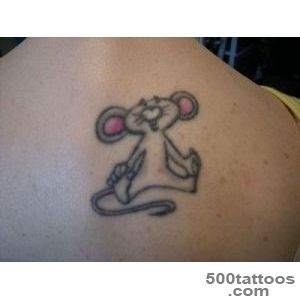
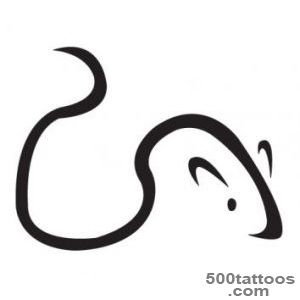
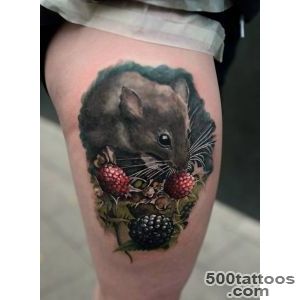
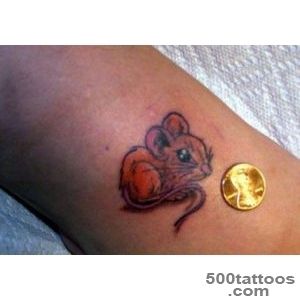
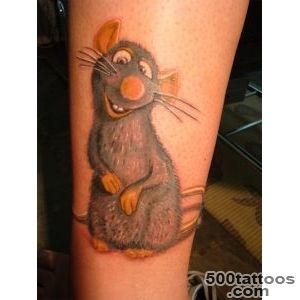
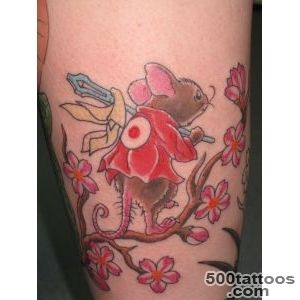
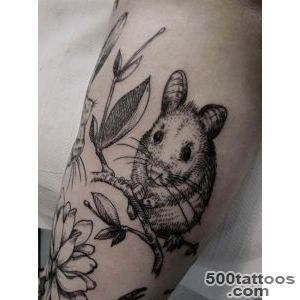
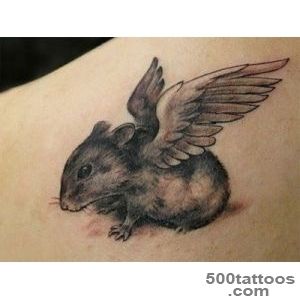
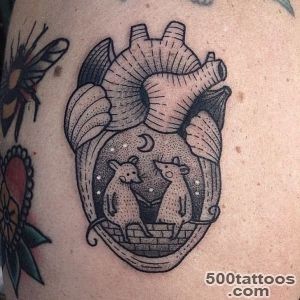
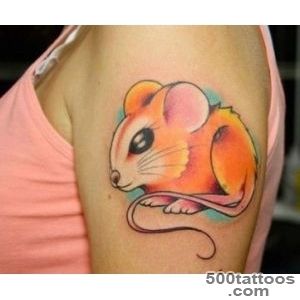
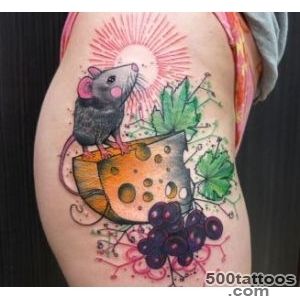
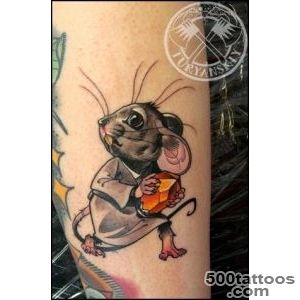
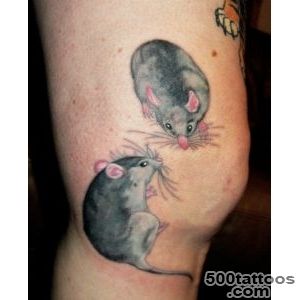
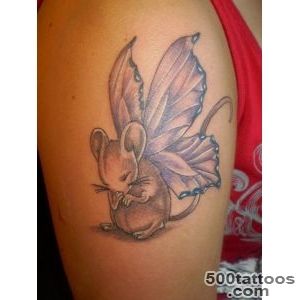
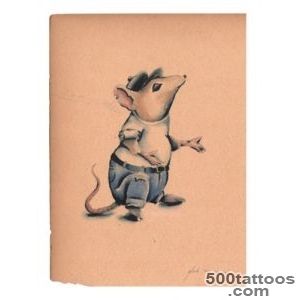
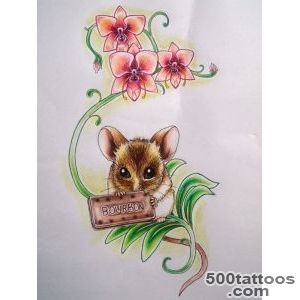
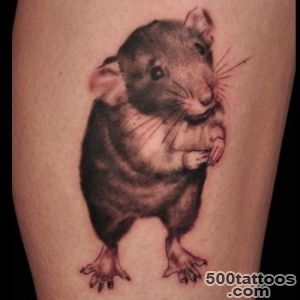
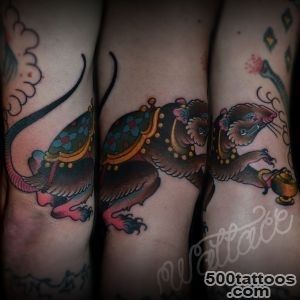
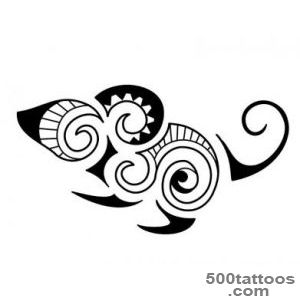
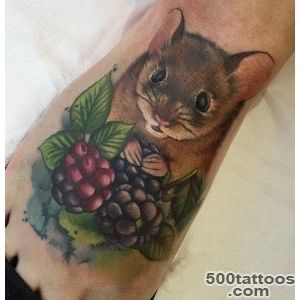
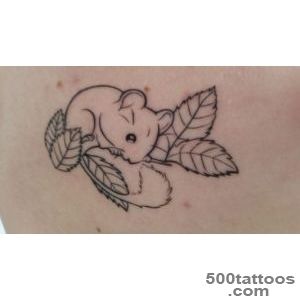
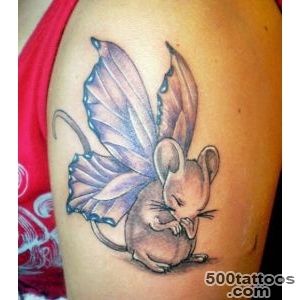
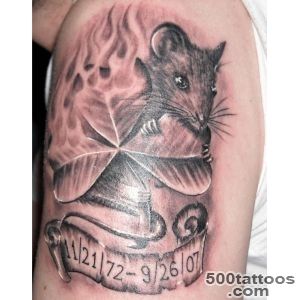
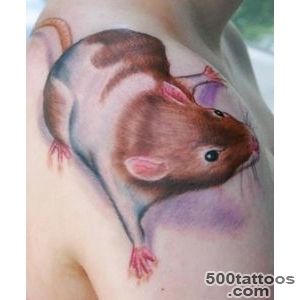
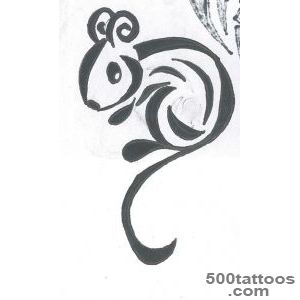
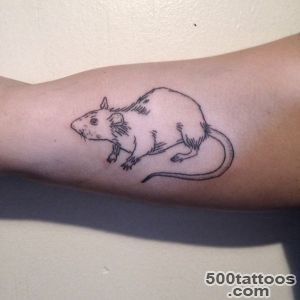
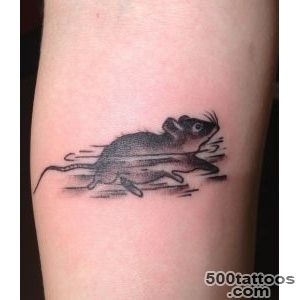
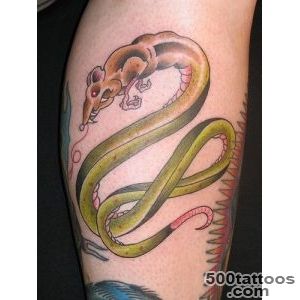
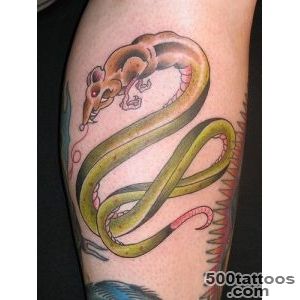
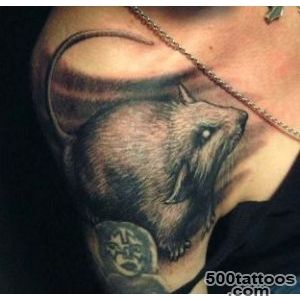
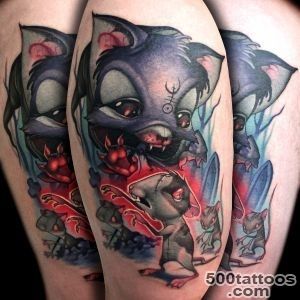
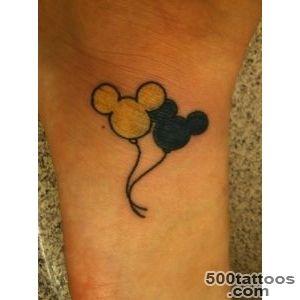
Realistic portraits highlight the delicate whiskers, bright eyes, and textured fur that make these animals surprisingly photogenic. Neo-traditional and illustrative styles can add personality through exaggerated expressions and decorative elements. A rat holding a key, wearing a crown, or sitting atop a pile of coins adds narrative depth. Geometric or minimalist outlines offer a cleaner, modern look that works at smaller scales.
Placement and Sizing Considerations
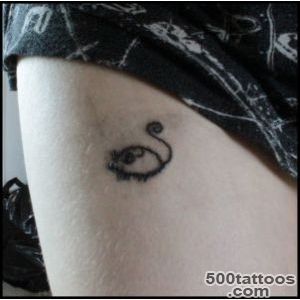
The compact body shape fits naturally on the wrist, forearm, ankle, or behind the ear. A rat climbing a vertical surface works well along the outer arm or calf. Larger compositions with environmental context, like a library shelf or a city alley, suit the upper arm or thigh. Fine whiskers and small paws need enough scale to remain distinct after healing, so avoid going too tiny if you want realistic detail.
Mouse tattoo designs and images