Executioner tattoo

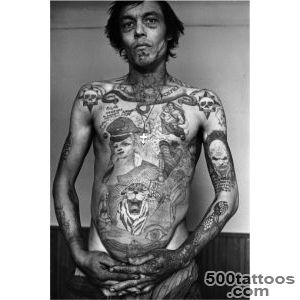
An executioner tattoo is usually read as a symbol of judgment, consequence, and final decisions. Because the image is also described in some sources as a prison-culture tattoo, it's worth understanding the context before choosing it as "just a cool design. The blackwork style works well here."
Executioner tattoo meaning and symbolism
At its core, the executioner represents punishment and the idea that actions have consequences. Some people use the motif to express a personal "line in the sand," a hard-earned lesson, or a reminder to take responsibility. In other cases it's chosen for its dramatic, historical imagery-often paired with criminal culture symbolism elements for extra impact. The theme connects to broader prison tattoo symbolism.
Prison-culture context (and why you should be careful)
Executioner imagery is sometimes linked with prison symbolism and stories about violence. Meanings can vary by country, time, and community, and outsiders can misread the intent. If you're not connected to that culture, avoid designs that look like a badge of status or a threat, and keep the concept clearly artistic or personal rather than "coded."
Common design elements: axe, hood, block, and scenes
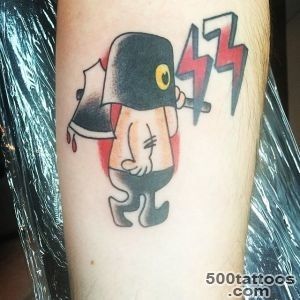
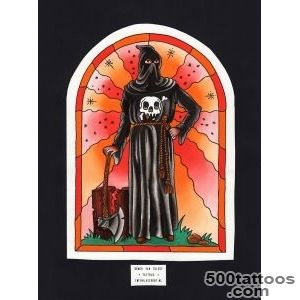
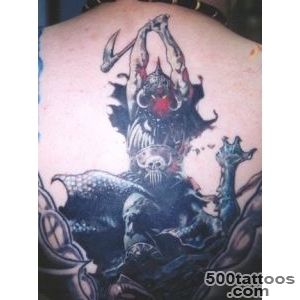
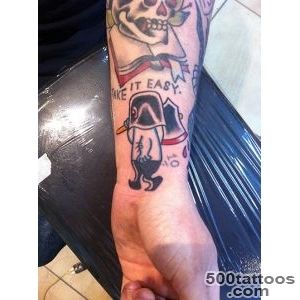
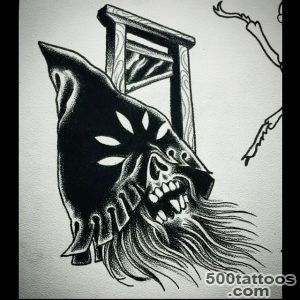
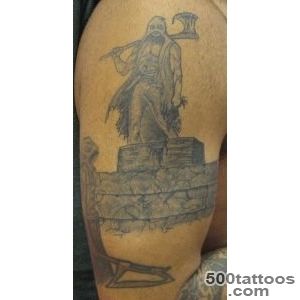
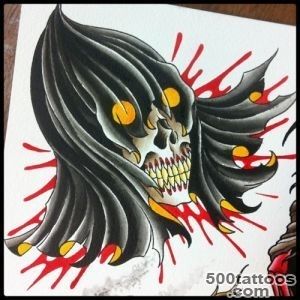
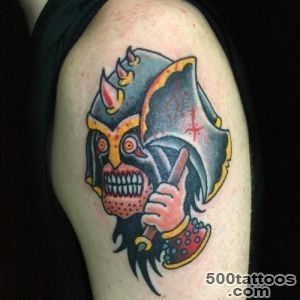
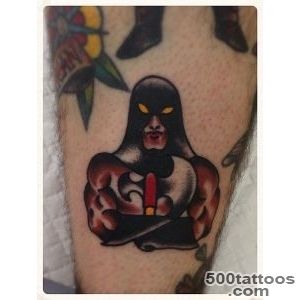
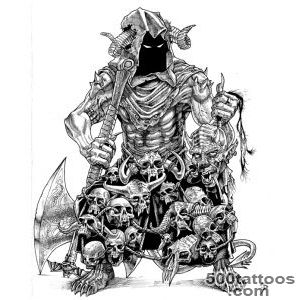
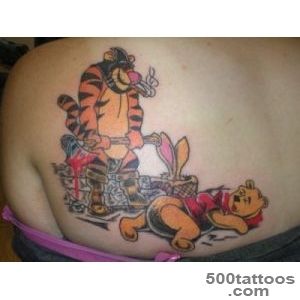
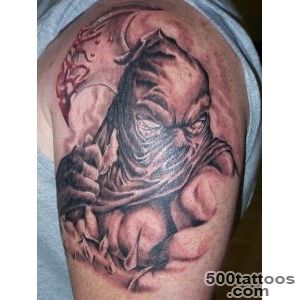
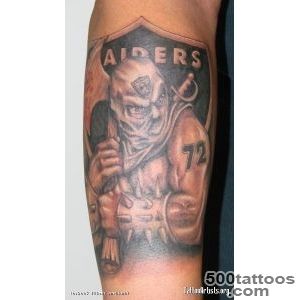
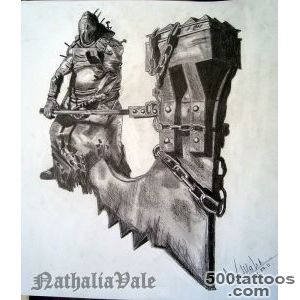
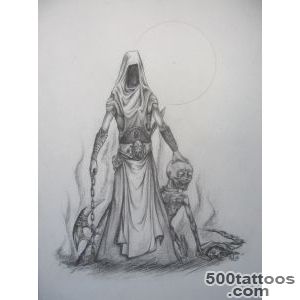
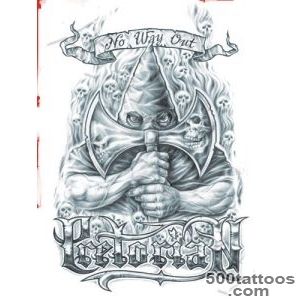
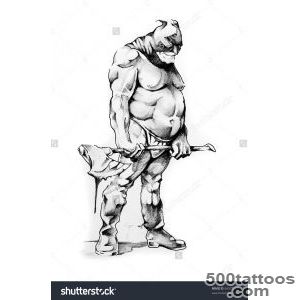
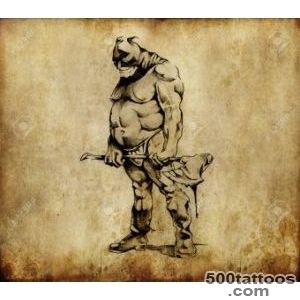
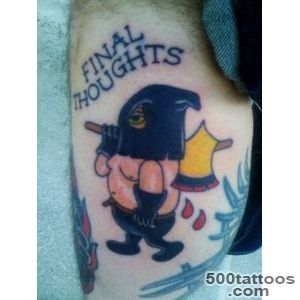
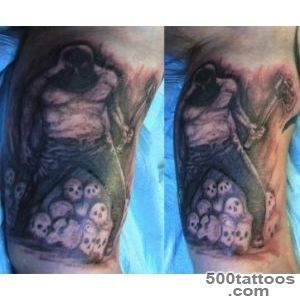
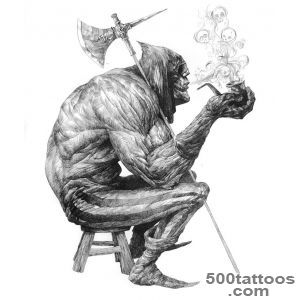
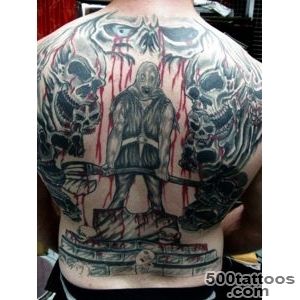
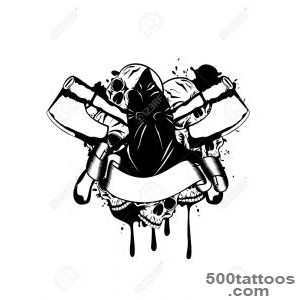
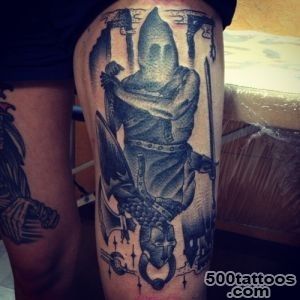
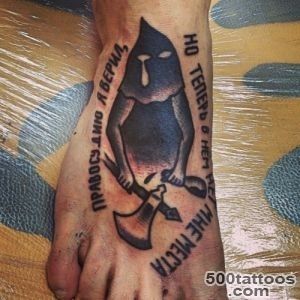
Common elements include a hooded figure, an axe, and a block or platform. These props push the message toward "sentence" and "final act," while portrait-style executioners lean into intimidation and authority. Some compositions add a victim figure or a dramatic scene; if you include this, keep it symbolic and restrained to avoid turning the tattoo into shock value.
Placement, size, and style options
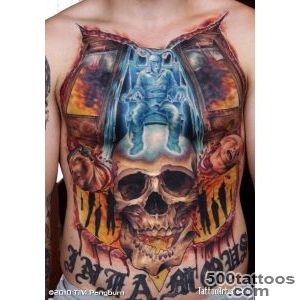
Because it's a detailed figure motif, this design works best at medium-to-large size where the face, hands, and props stay readable. Popular placements are the upper arm, chest, back, thigh, or calf. Realism can make the piece feel cinematic; blackwork and illustrative styles can keep it more symbolic and less graphic.
How to personalize the motif responsibly
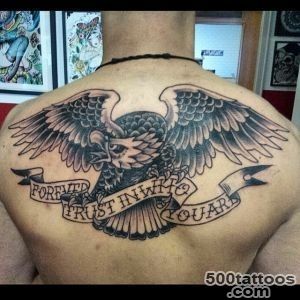
To make the idea personal (and less aggressive), focus on themes like justice, accountability, or "closing a chapter." You can replace violent details with neutral symbols (a mask, scales, broken chain, hourglass) or use a simplified silhouette instead of a scene. If you add lettering, use it to clarify your intended meaning rather than to intensify the message.
Executioner tattoo designs and images