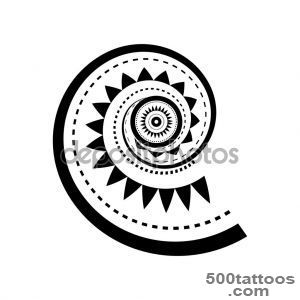
Spiral tattoo
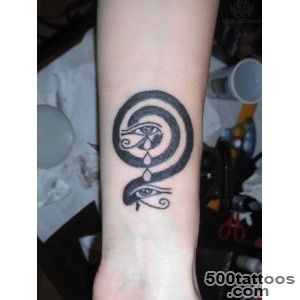
Spiral tattoos connect to some of humanity's oldest artistic impulses. The spiral appears in Neolithic stone carvings, Celtic manuscripts, and Polynesian tapa cloth-always representing cycles, growth, and the journey from center to edge. As a tattoo the spiral carries mathematical elegance and deep cultural roots in a compact geometric form.
Celtic triple spiral and triskelion
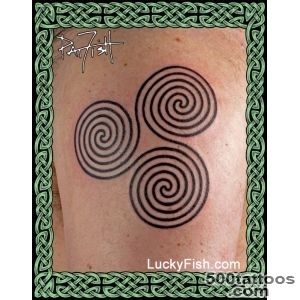
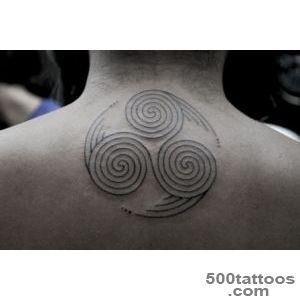
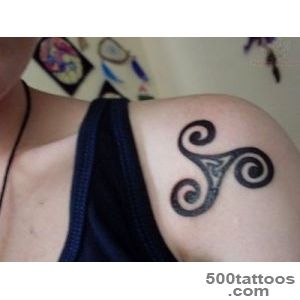
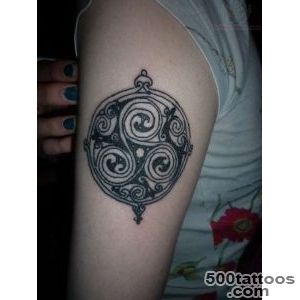
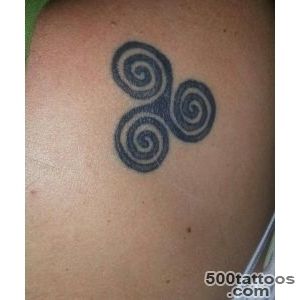
The triple spiral (triskele) from Newgrange in Ireland dates to around 3200 BCE. Its three interlocking spirals suggest the cycles of life-death-rebirth, land-sea-sky, or past-present-future in Celtic tradition. Tattoo versions range from precise geometric reproductions to freehand organic interpretations. The triskele's rotational symmetry makes it ideal for circular placement on the shoulder, chest, or back.
Fibonacci sequence and golden ratio spirals
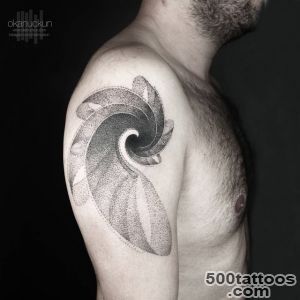
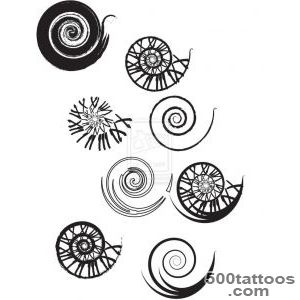
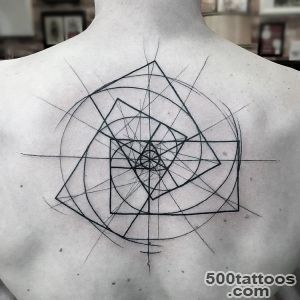
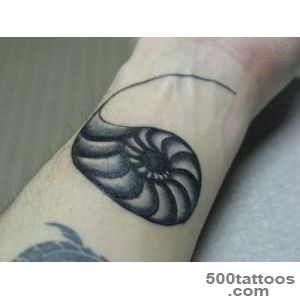
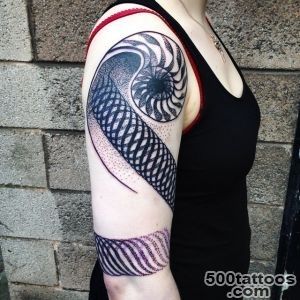
The Fibonacci spiral appears in nautilus shells, sunflower heads, and galaxy arms. A tattoo based on this mathematical curve appeals to science enthusiasts and anyone drawn to the hidden order in nature. Artists overlay the golden rectangle grid for a technical look or render the spiral as an organic shell form. Dotwork and fine-line techniques suit the precision this motif demands.
Polynesian and indigenous spiral traditions
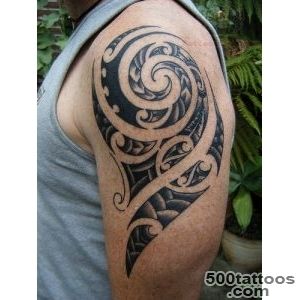
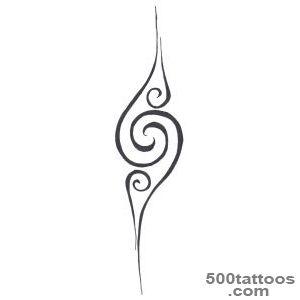
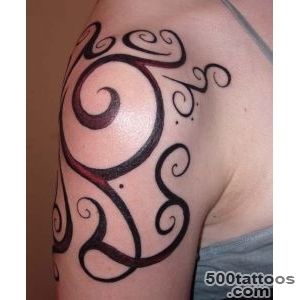
In Maori culture the koru (unfurling fern frond) is a spiral that represents new life, growth, and returning to origins. Polynesian tattoo traditions use spirals within larger geometric compositions to signify ocean waves and movement. Respecting the cultural origins of these spirals adds depth and responsibility to the design process.
Single coil, double helix, and hypnotic patterns
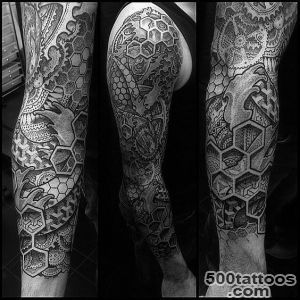
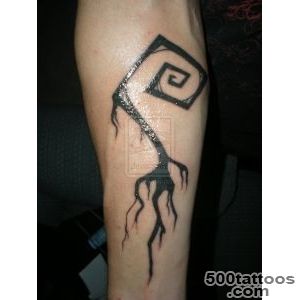
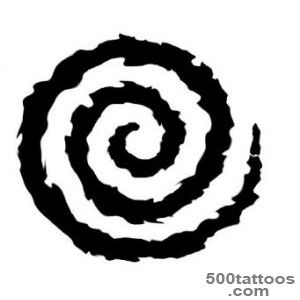
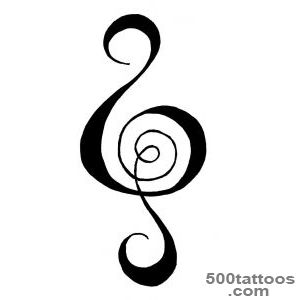
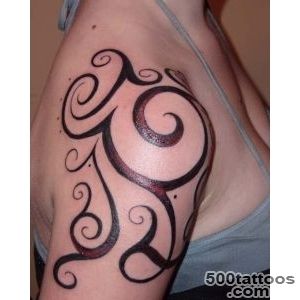
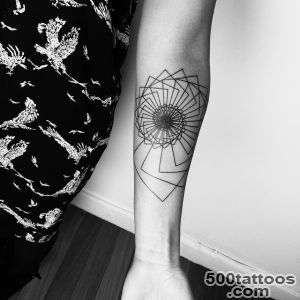
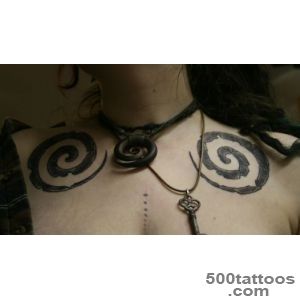
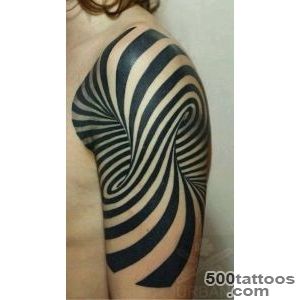
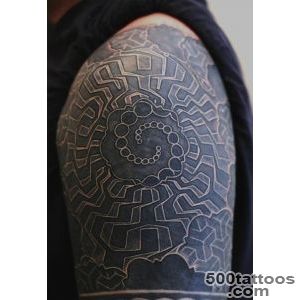
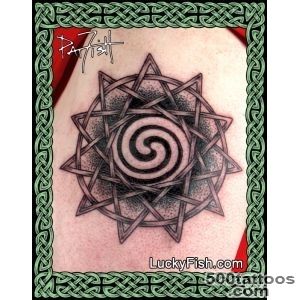
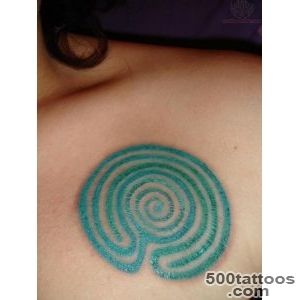
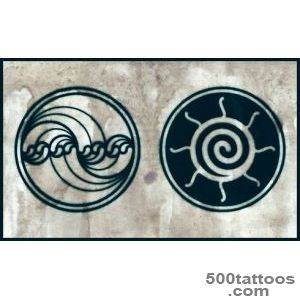
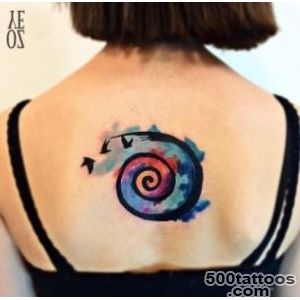
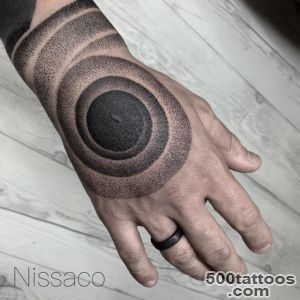
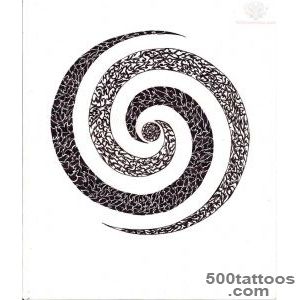
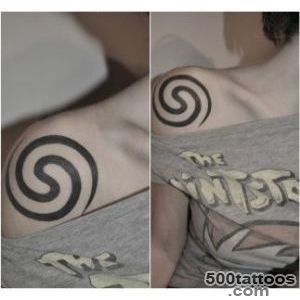
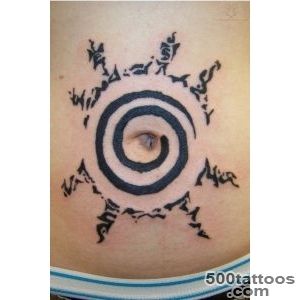
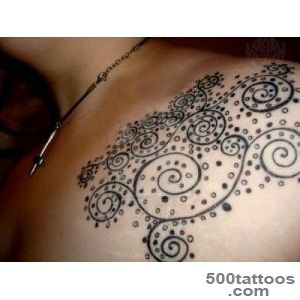
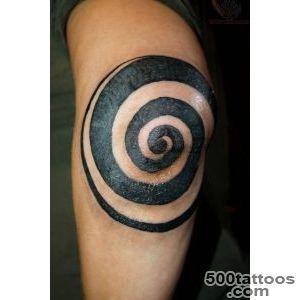
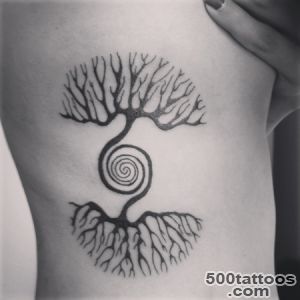
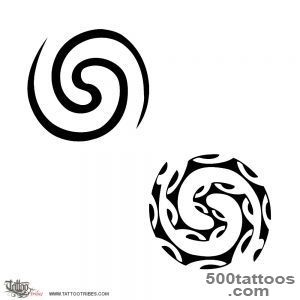
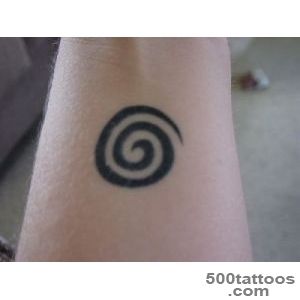
A single expanding spiral creates a hypnotic effect suited to forearm or calf placement. Double-helix spirals reference DNA structure and add scientific meaning. Concentric spiral patterns that tighten toward the center create optical illusions on the skin. Combining spirals with surrounding elements like flowers, waves, or cosmic imagery builds more complex narrative pieces.
Placement and visual impact
The circular nature of spirals centers well on the shoulder cap, kneecap, or sternum. Elongated spirals work along the forearm or spine. Small koru or Fibonacci spirals fit the wrist, behind the ear, or inner ankle. Larger triple-spiral compositions with surrounding knotwork need the upper back or thigh for adequate detail.
Spiral tattoo designs and images