Viper tattoo
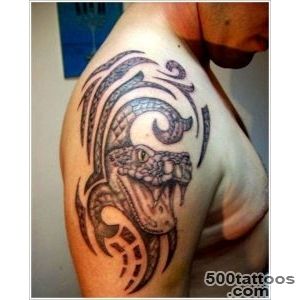
Viper tattoos carry a sharp, unmistakable energy. The triangular head, hinged fangs, and coiled body create a silhouette that reads as danger even at small sizes. People choose this subject to represent alertness, a readiness to strike when provoked, or simply because the animal's anatomy translates beautifully into ink.
Meaning and symbolism
In many cultures the viper stands for guardianship and hidden strength. Ancient Roman soldiers associated it with defensive vigilance, while in Japanese folklore certain pit vipers were considered protectors of sacred places. A coiled viper can suggest patience - controlled power held in reserve until the moment demands action. Some wearers connect the image to personal transformation, since vipers shed their skin in a single dramatic piece.
Key motifs and composition
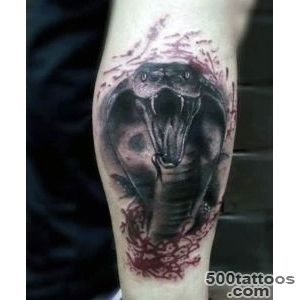
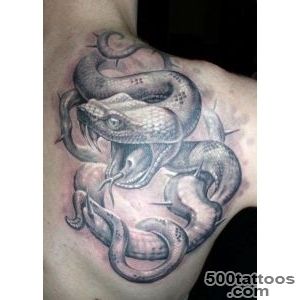
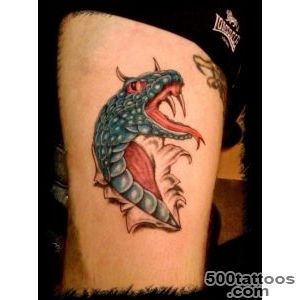
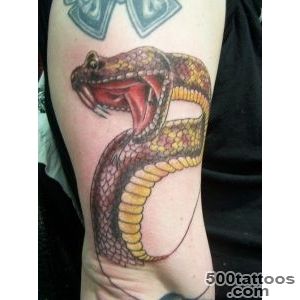
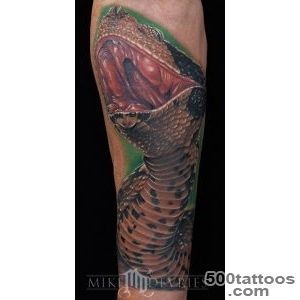
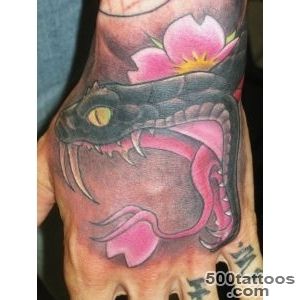
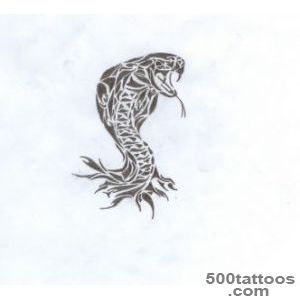
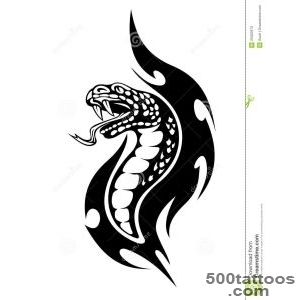
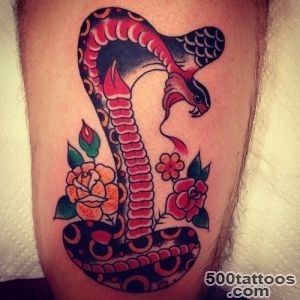
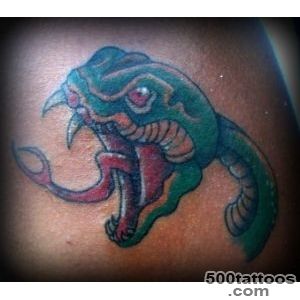
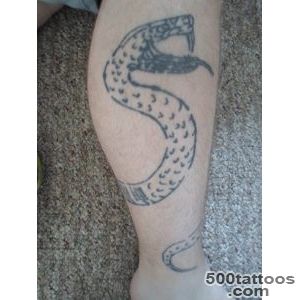
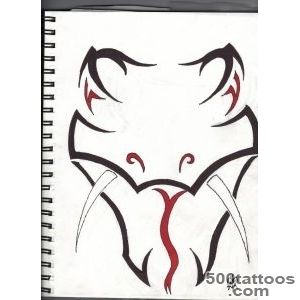
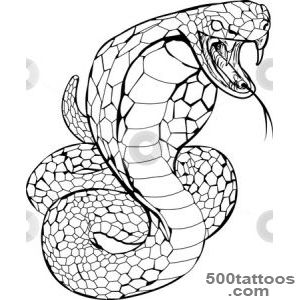
The most recognizable element is the open-mouth strike pose, with fangs exposed and venom drops visible at the tips. A tightly coiled body adds tension, while an S-curve traveling along the forearm or calf creates natural movement. Designers often pair the viper with roses, skulls, or daggers to layer additional meaning. Keeping negative space around the head prevents the composition from feeling cluttered at any scale.
Style directions
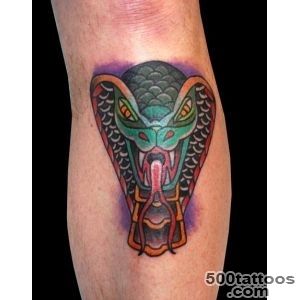
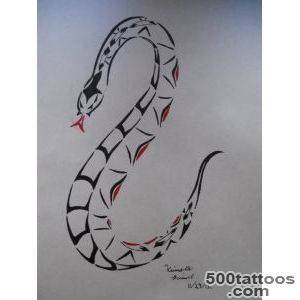
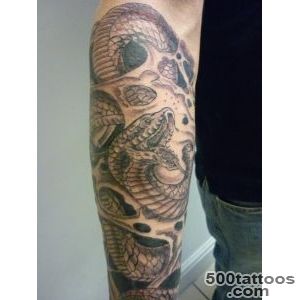
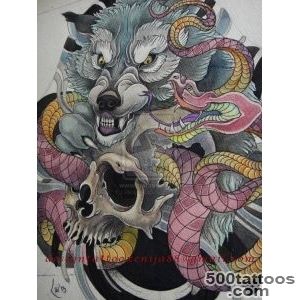
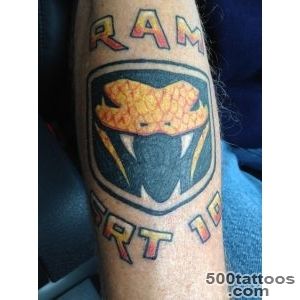
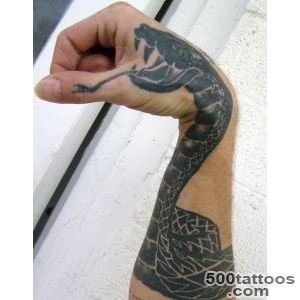
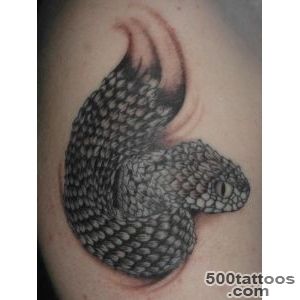
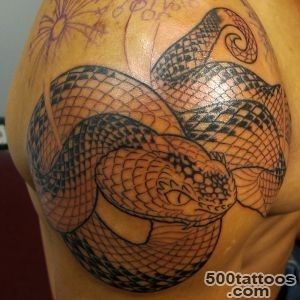
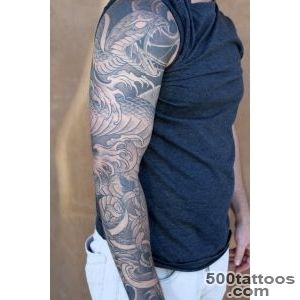
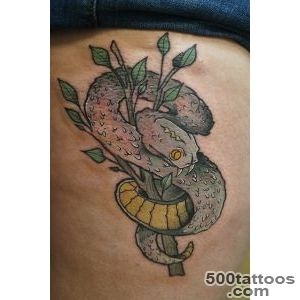
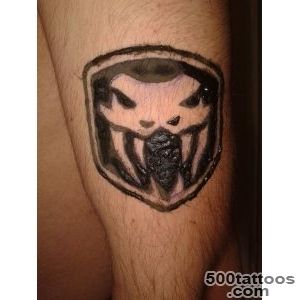
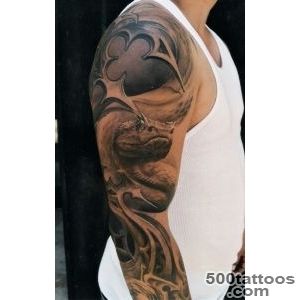
High-contrast blackwork emphasizes the geometric quality of scales and the angular head shape. Neo-traditional outlines with bold color fill - deep greens, burnt orange, muted gold - give the design a poster-like punch. Black-and-gray realism works best for portraits where you want visible texture in every scale row. Dotwork can render a viper that feels ancient and almost totemic.
Placement and size
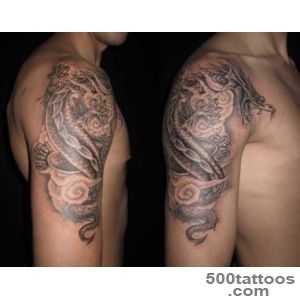
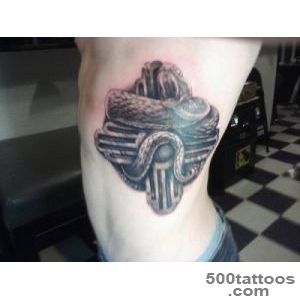
The forearm is the most popular canvas: a vertical coil from wrist to elbow follows the arm's natural taper. The calf offers a wider surface for a thicker-bodied species with full background elements. A smaller viper head alone works on the hand or behind the ear when you want impact without a large commitment. Ribs and sternum placements suit a long, uncoiled body that flows with breathing.
Color and contrast
Muted earth tones - olive green, slate gray, brown - keep the design grounded and age gracefully. If you prefer bold color, limit the palette to two or three hues so the focal point stays on the head and fangs. Pure black-and-gray shading with white highlights on the scales creates a metallic, almost photographic effect that holds up well over years.
Planning your session
Start with the overall silhouette before committing to detail density. Ask your artist to sketch the head at final size so you can confirm that the fangs and eyes remain legible. Sessions for a full-forearm viper typically run three to four hours. Aftercare matters most in the first two weeks - keep the area clean, moisturized, and out of direct sunlight so fine scale lines heal without blurring.
Viper tattoo designs and images