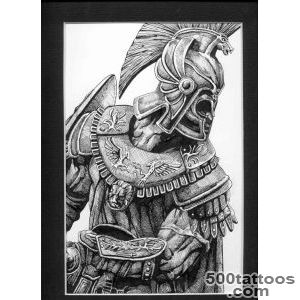
Warrior tattoo
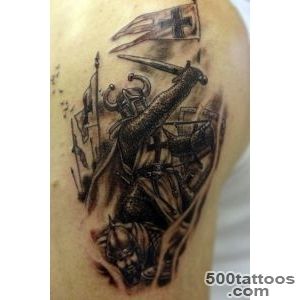
A warrior tattoo says something direct about how you see yourself or what you value: discipline, courage, the willingness to fight for your people or your principles. The design can pull from any era - ancient Sparta, feudal Japan, Viking Scandinavia, or a modern military unit - and each source brings its own armor, weapons, and visual language. That range makes warrior tattoos one of the broadest categories in tattoo art.
Samurai, spartan, viking: choosing your archetype
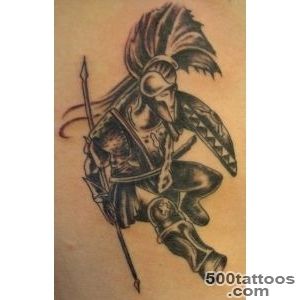
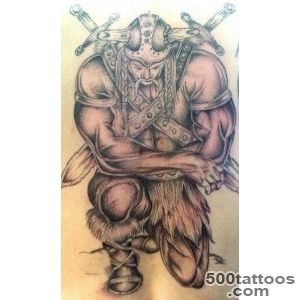
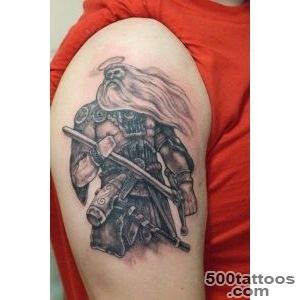
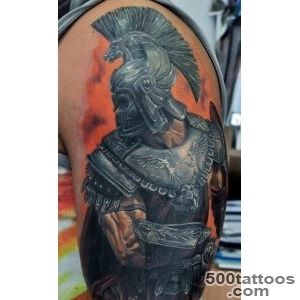
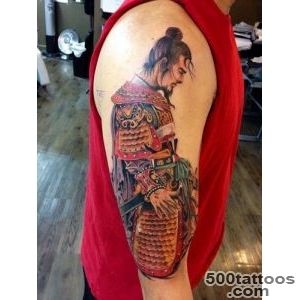
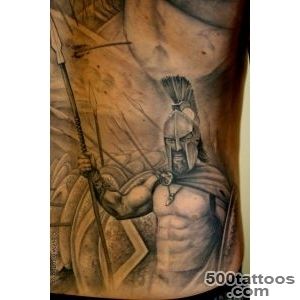
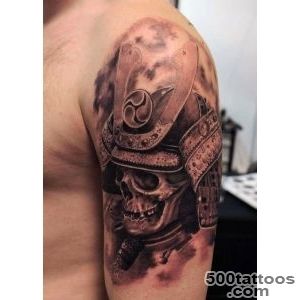
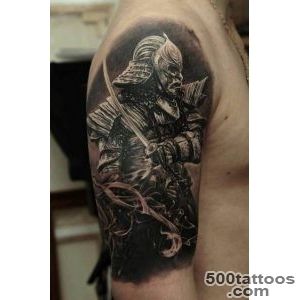
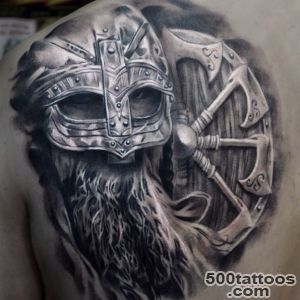
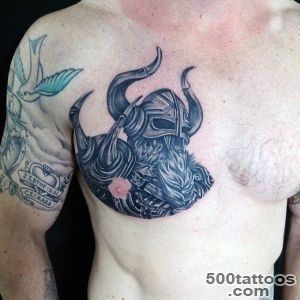
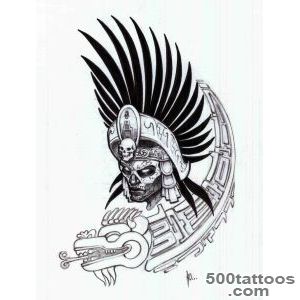
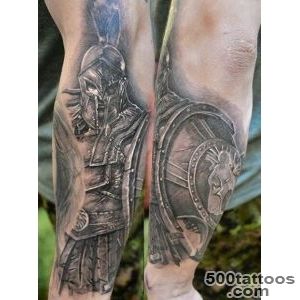
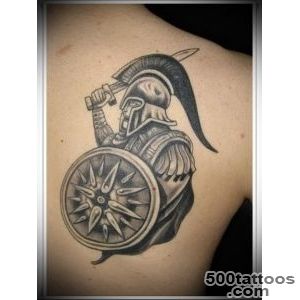
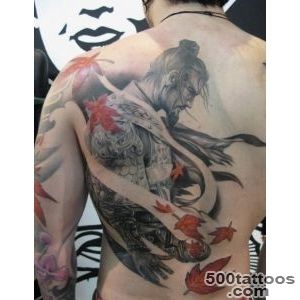
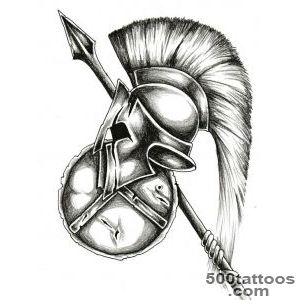
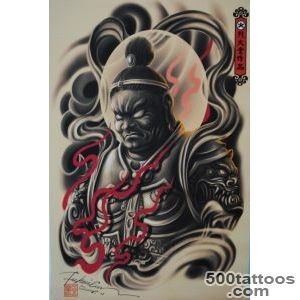
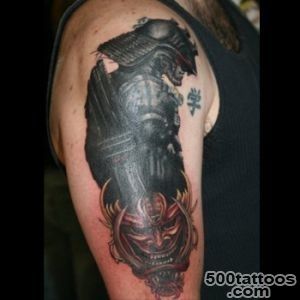
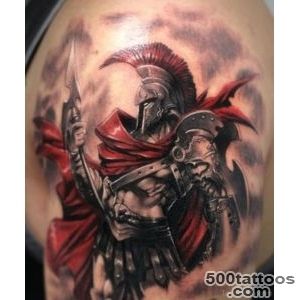
A samurai design brings Japanese aesthetics, layered armor plates, katana blades, and a strict honor code into the piece. Spartan warriors are defined by minimalism and raw endurance - the Corinthian helmet, a round shield, a short spear. Viking warriors add Norse mythology: rune-inscribed axes, longship prows, braided beards, and Odin's ravens circling overhead. Each archetype tells a different story, so picking one that resonates with your own values or heritage makes the tattoo feel earned rather than decorative.
Female warriors and the amazon tradition
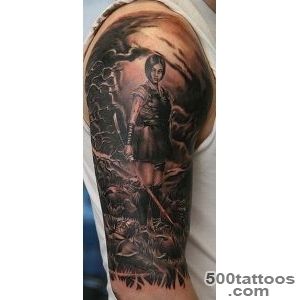
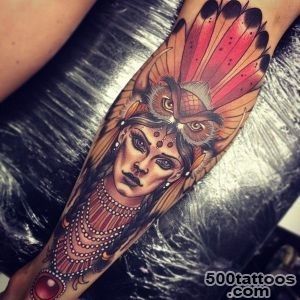
Warrior tattoos are not exclusively masculine. Amazon figures from Greek mythology, shield-maidens from Norse sagas, and modern action heroines all translate into powerful tattoo compositions. These designs often balance strength with grace - dynamic poses, flowing hair mixed with heavy armor, a fierce expression that does not sacrifice beauty. Women who choose warrior tattoos frequently describe them as a statement about resilience, independence, and refusing to be underestimated.
Armor detail, battle scenes, and portrait close-ups
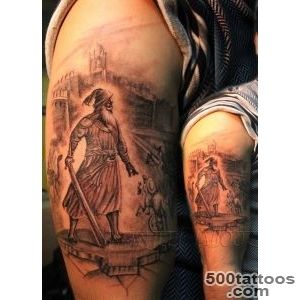
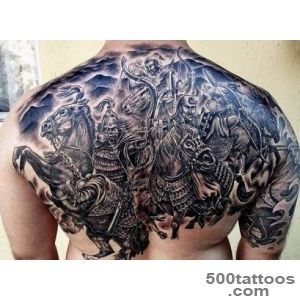
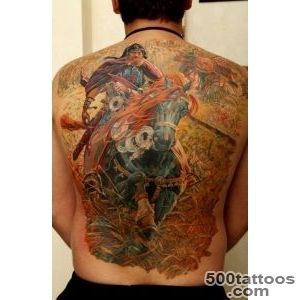
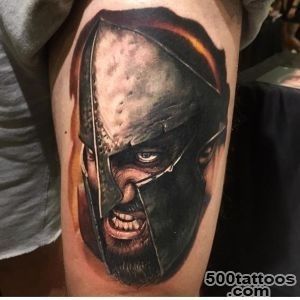
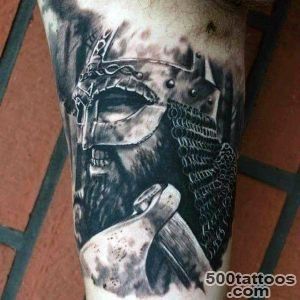
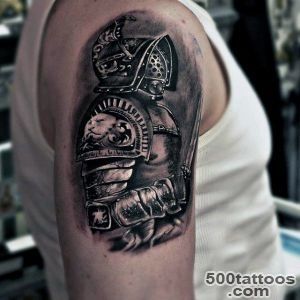
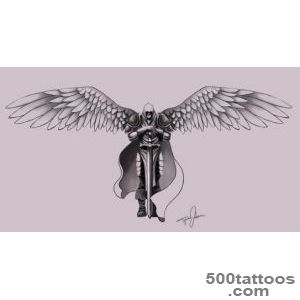
The level of detail you include shapes the entire feel of the piece. A full battle scene with clashing armies, dust, and blood creates a cinematic panorama - best suited for the back or a full sleeve. A portrait close-up of a warrior's face, showing emotion through narrowed eyes and scars, is more intimate and works on the upper arm or thigh. Armor detail - individual plates, chainmail texture, leather stitching - rewards realism and patience. Simpler silhouettes and helmet outlines suit smaller placements and age with less risk of blur.
Full-back epics vs forearm fighters: scaling the composition
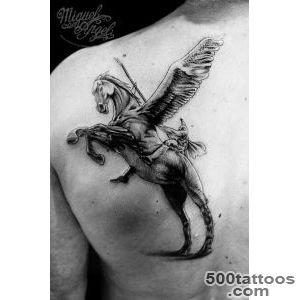
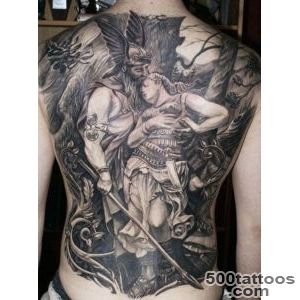
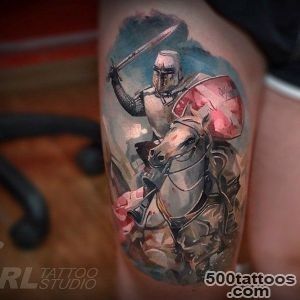
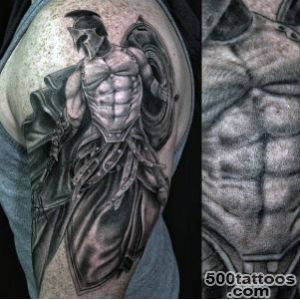
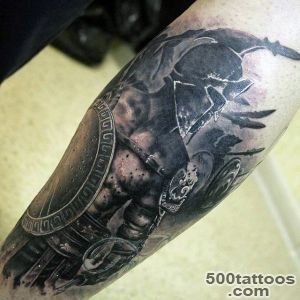
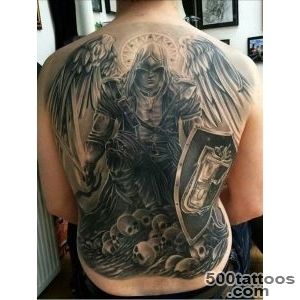
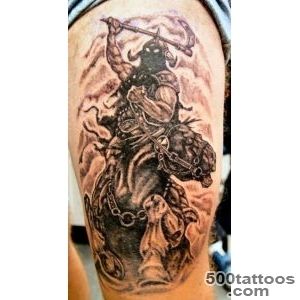
The back is the ultimate canvas for a warrior scene with weapons, enemies, horses, and landscape elements. The upper arm and shoulder work for a portrait or half-body warrior with enough room for shading. The forearm suits a vertical sword-wielding figure or a standalone helmet. The calf and thigh hold medium-sized standing warriors in profile. Even the wrist can carry a minimalist helmet outline or a crossed-swords emblem if the lines are kept clean and bold.
See 50 warrior tattoo photos below
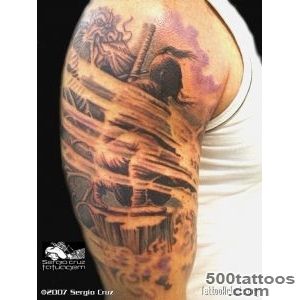
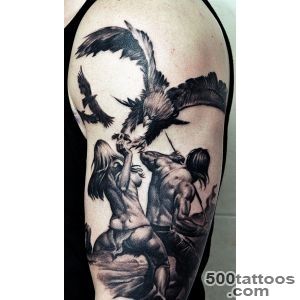
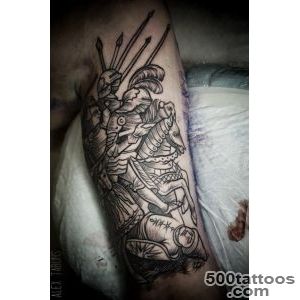
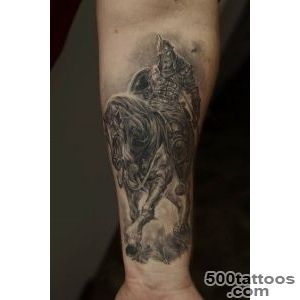
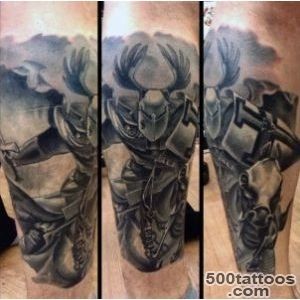
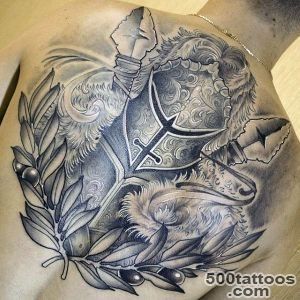
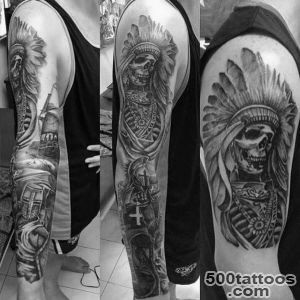
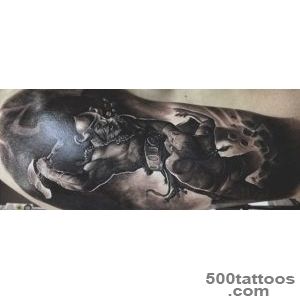
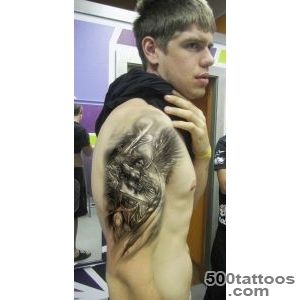
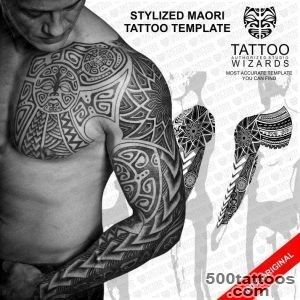
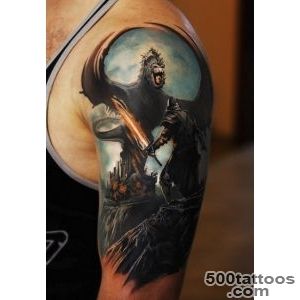
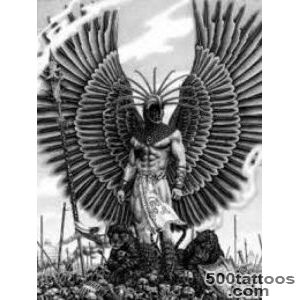
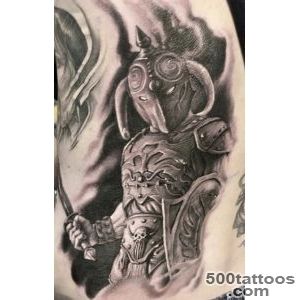
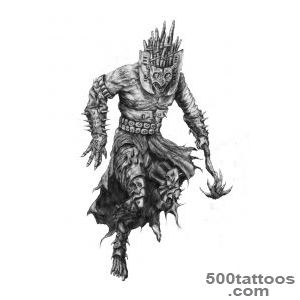
Compare samurai sleeves, spartan helmet blackwork, viking battle scenes, and female warrior compositions. Notice how the choice of style - realism, Japanese traditional, neo-traditional, or trash polka - completely changes the mood of the same subject.
Warrior tattoo designs and images