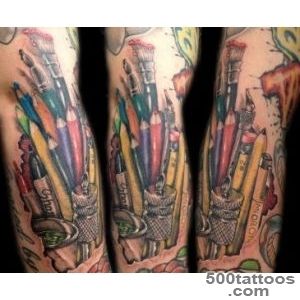
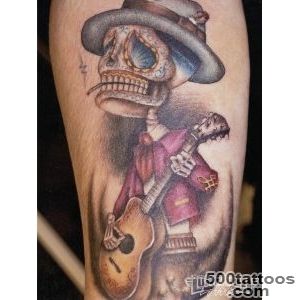
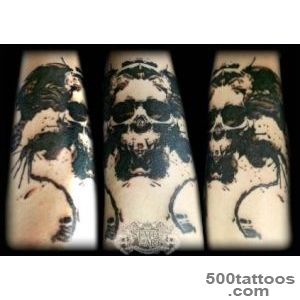
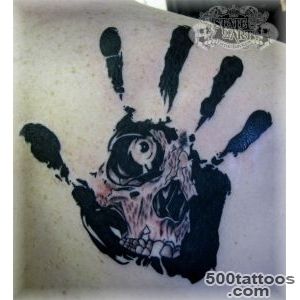
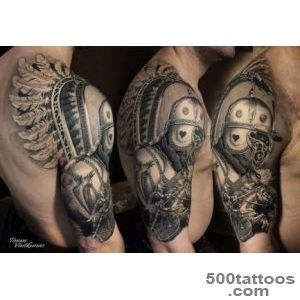
Art tattoo
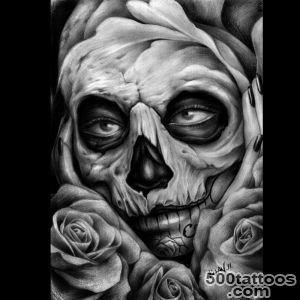
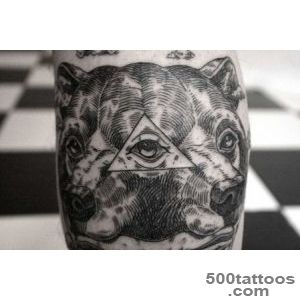
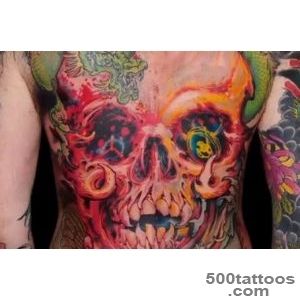
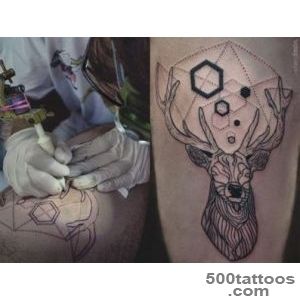
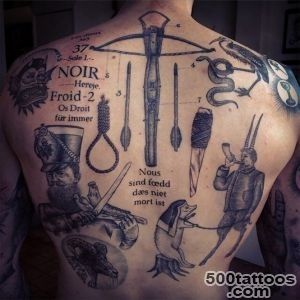
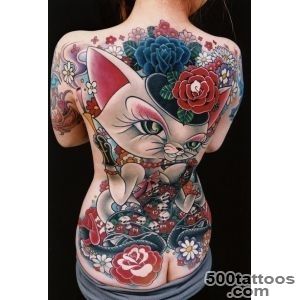
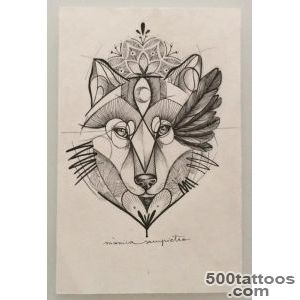
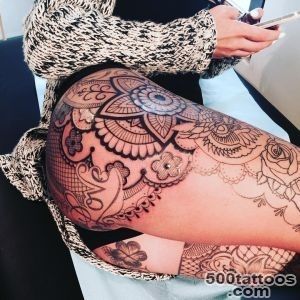
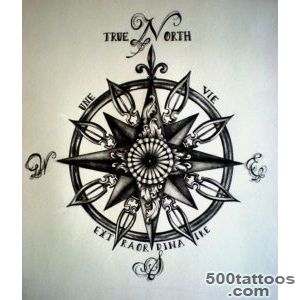
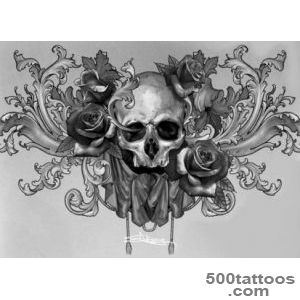
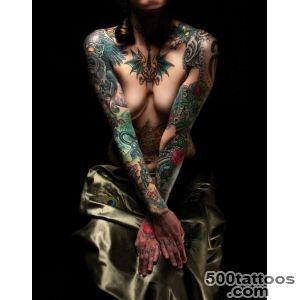
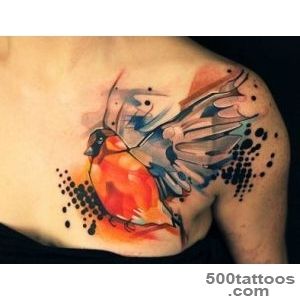
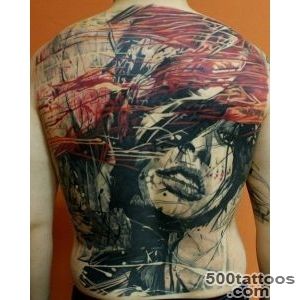
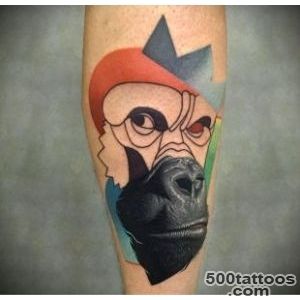
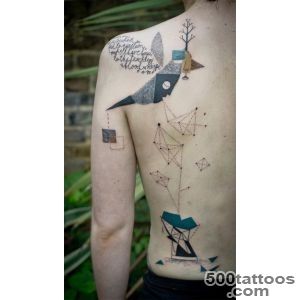
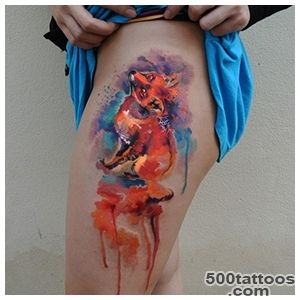
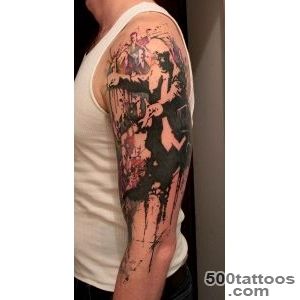
Art tattoos draw from painting, illustration, and fine art traditions-watercolor techniques are especially popular to create pieces that feel like gallery work on skin. They range from recreations of famous paintings to original compositions in artistic styles.
What Makes a Tattoo Art?
Any tattoo involves artistry, but "art tattoos" specifically reference fine art movements, techniques, or famous works. The focus is on aesthetic impact, composition, and painterly qualities rather than traditional tattoo iconography.
Popular Art Styles in Tattooing
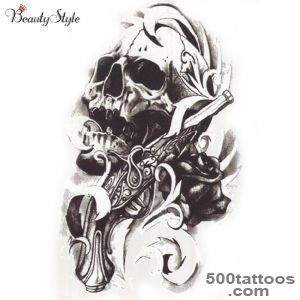
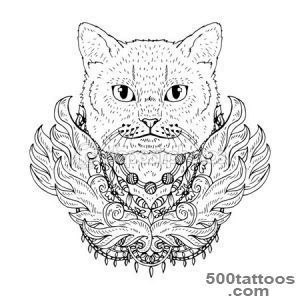
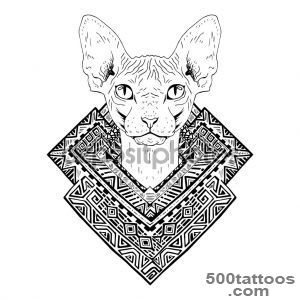
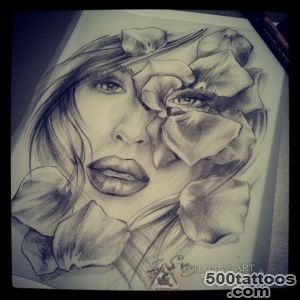
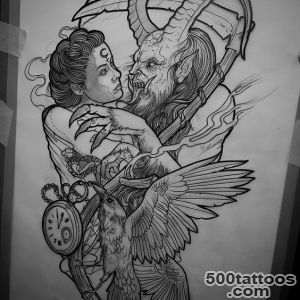
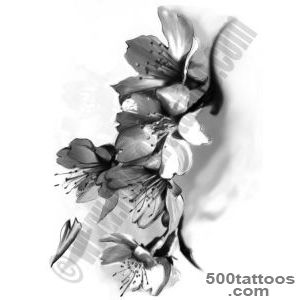
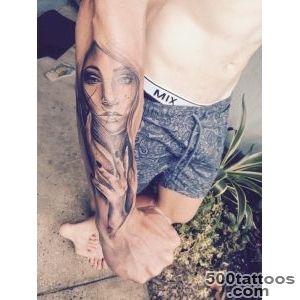
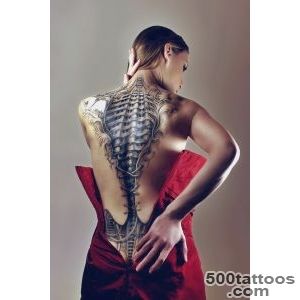
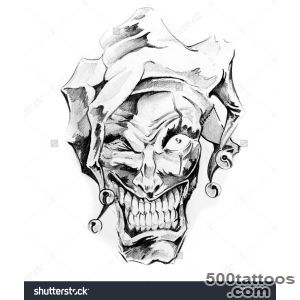
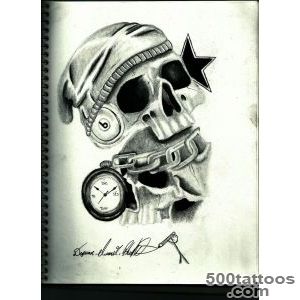
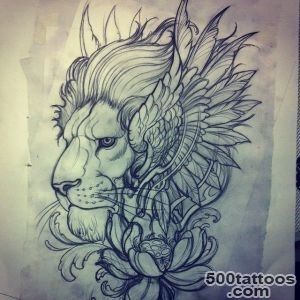
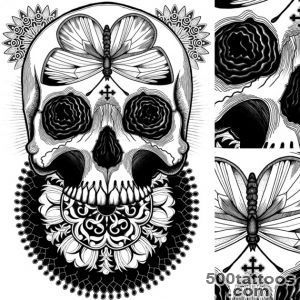
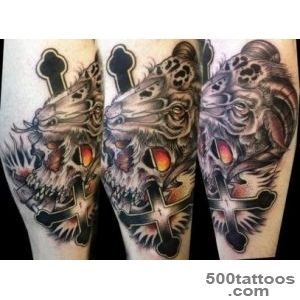
Realism captures subjects with photographic detail-portraits, nature, objects. Watercolor mimics paint splashes and color bleeds. Illustrative style uses bold lines with artistic shading. Abstract tattoos play with shape, color, and form without literal subjects. Surrealism blends dreamlike imagery. Impressionist-inspired pieces use visible "brushstrokes" and light effects.
Famous Art References
Some people tattoo recreations or elements from famous paintings-Van Gogh's Starry Night, Klimt's gold patterns, Hokusai's Great Wave, or works by Dalí, Picasso, and others. These require skilled artists who understand both the source material and how it translates to skin.
Original Art Tattoos
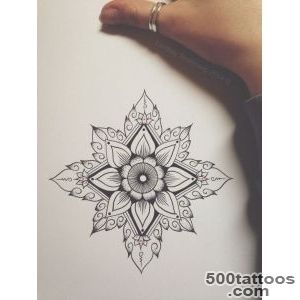
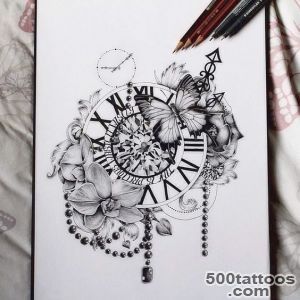
Many people commission original artwork from their tattoo artist-treating the body as a canvas for a one-of-a-kind piece. This approach values the artist's personal style and creative vision.
Choosing the Right Artist
Art tattoos require artists who specialize in the style you want. A realism expert differs from a watercolor specialist. Review portfolios carefully. Healed photos matter more than fresh ones-some styles age better than others.
Placement & Composition
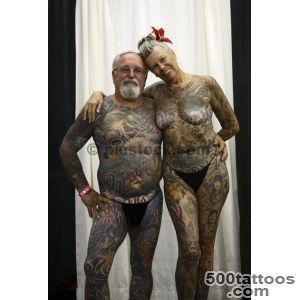
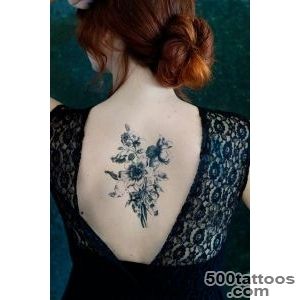
Larger art pieces need space-back, thigh, full sleeve, or chest. Smaller art tattoos work on the forearm or upper arm. Consider how the composition flows with your body's shape and movement.
Art tattoo designs and images