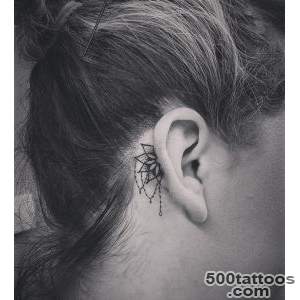
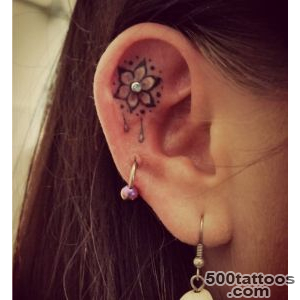
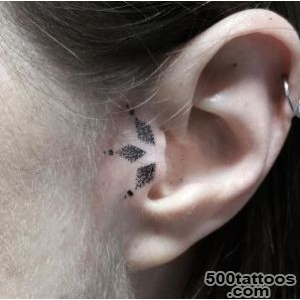
Helix tattoo
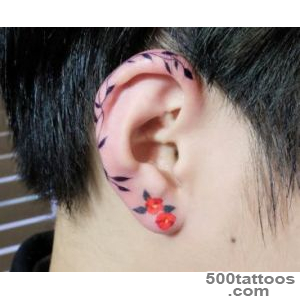
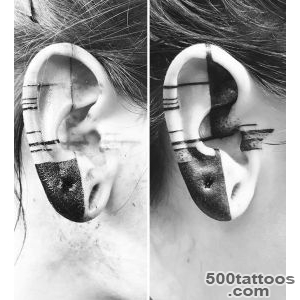
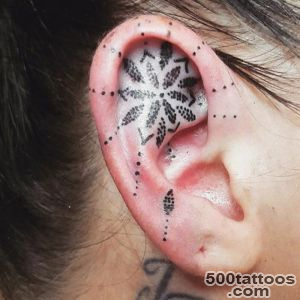
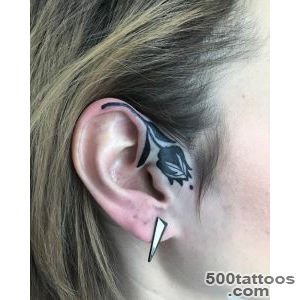
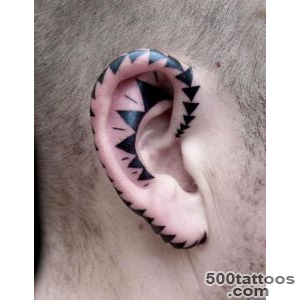
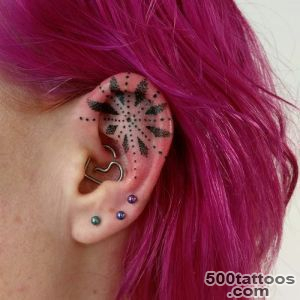
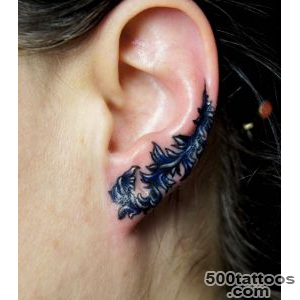
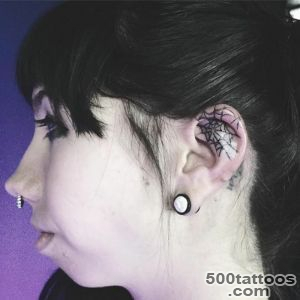
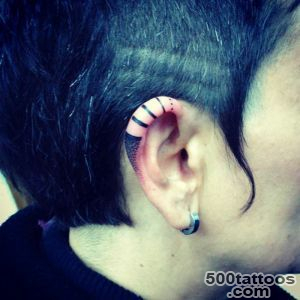
Helix tattoos occupy one of the smallest and most unconventional tattoo locations on the body: the curved strip of cartilage along the outer rim of the ear.
The placement is inherently bold because it is always visible, impossible to hide with anything except hair, and small enough that every line matters.
People choose helix tattoos when they want body art that functions almost like jewelry, a permanent accent that catches attention without demanding a large canvas.
Why the helix location works
The ear provides a natural frame, so a well-placed helix tattoo looks intentional and integrated rather than random.
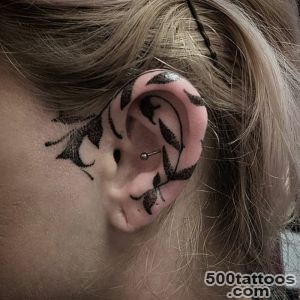
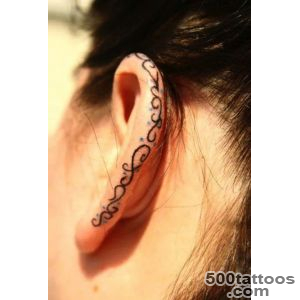
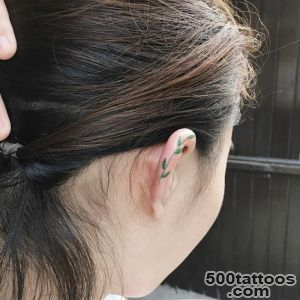
The curve of the cartilage creates a built-in design guide: vines, crescent moons, and flowing lines follow it effortlessly.
Because the area is tiny, even a very simple design reads as a deliberate style choice.
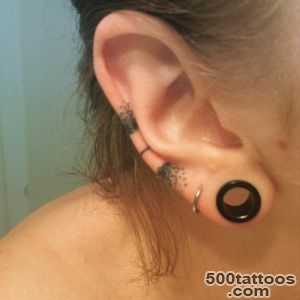
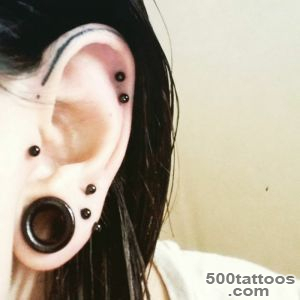
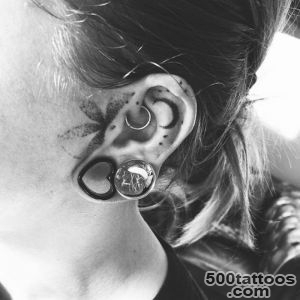
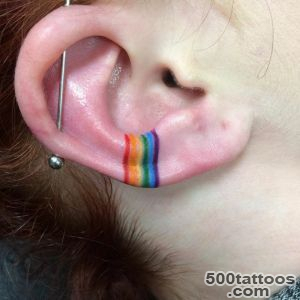
Helix tattoos also complement existing piercings, filling the spaces between studs or hoops with ink that adds visual continuity.
Designs that suit the helix
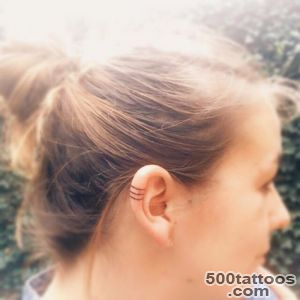
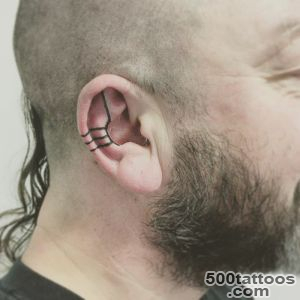
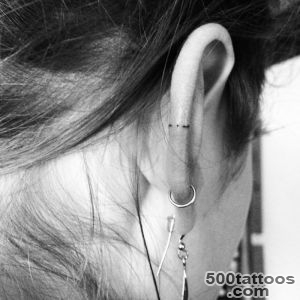
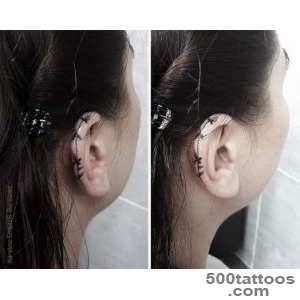
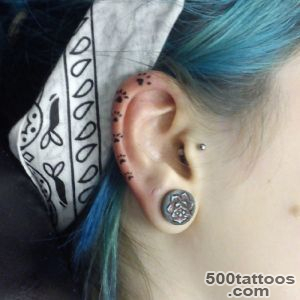
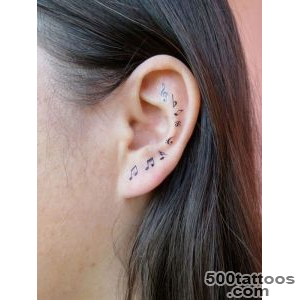
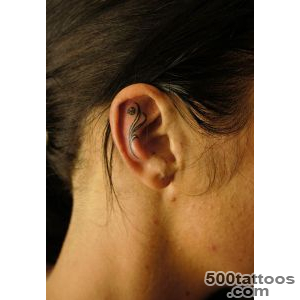
Single-line designs work best because they follow the curve without fighting it: think crescent moons, tiny stars, leaves, or abstract waves.
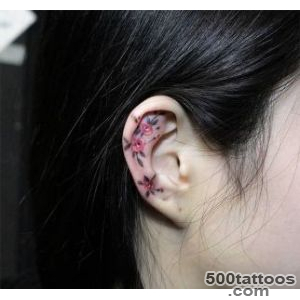
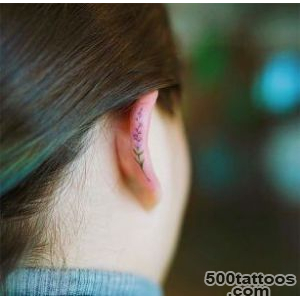
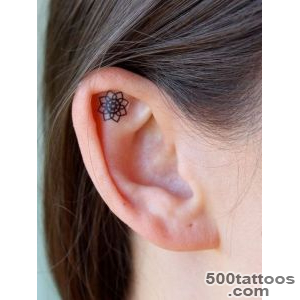
Small flowers, especially minimalist ones with three to five petals, fit the narrow space and add a soft organic touch.
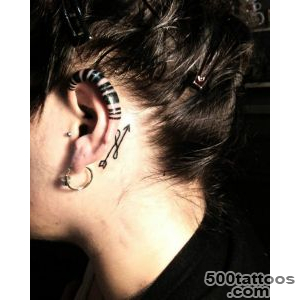
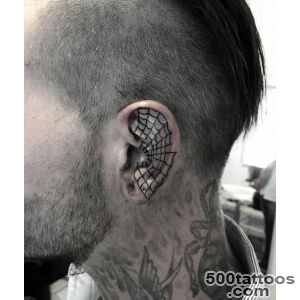
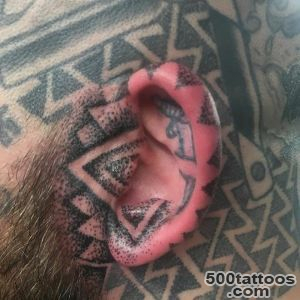
Geometric marks like triangles, dots in a row, or small arrows keep the look sharp and modern.
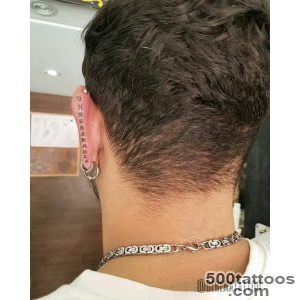
Micro lettering, one to three characters, can work if the font is simple and the artist specializes in very small text.
Avoid designs that require heavy shading or fine internal detail, because the limited real estate will cause those elements to blur within a year.
Pain and what to expect during the session
Cartilage has less padding than fleshy areas, so the needle sensation feels sharper and more direct.
Most helix tattoos are small enough that the actual tattooing takes only five to fifteen minutes, making the discomfort brief.
Some people experience a warm, buzzing feeling that fades quickly once the needle stops.
Swelling is common for a day or two afterward, which may make the tattoo look slightly distorted until the tissue calms down.
Healing a helix tattoo
Ear cartilage heals more slowly than skin over muscle, so expect the full healing process to take four to six weeks.
Sleep on the opposite side to avoid pressure, and use a travel pillow with a hole if sleeping position is hard to control.
Keep hair products, earbuds, and headphones away from the fresh tattoo to reduce contamination and friction.
Clean the area gently with saline solution twice a day and let it air dry rather than dabbing with a towel.
Avoid changing earrings near the helix during healing, because unnecessary touching introduces bacteria.
Touch-ups and fading
Because the ear is exposed to sun, wind, and constant contact with hair and hands, helix tattoos fade faster than tattoos on protected body parts.
Plan for a touch-up within the first year to restore any lines that softened during healing.
Using a small amount of sunscreen on the ear when you are outdoors helps slow the fading process.
Accept that helix tattoos are inherently temporary compared to larger pieces, and budget for occasional maintenance if you want the design to stay crisp.
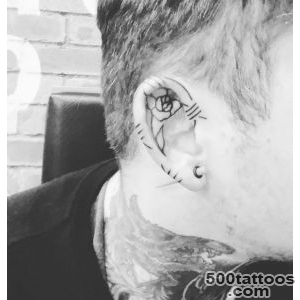
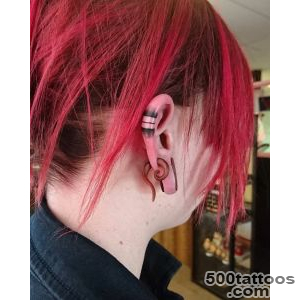
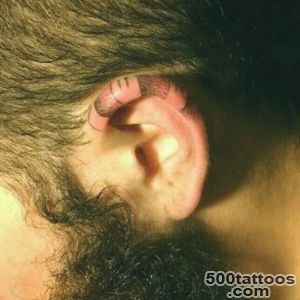
Helix tattoo designs and images