Horseshoe tattoo
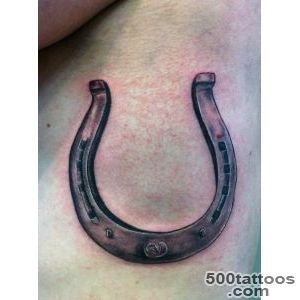
Horseshoe tattoos have survived every trend cycle in tattooing because the symbol speaks to something nearly universal: the desire for a little extra luck.
Whether nailed above a doorway or inked on skin, the horseshoe carries centuries of superstition, and that history gives the design genuine depth.
The best horseshoe tattoos go beyond the U-shape by layering in personal detail that turns a generic charm into a one-of-a-kind piece.
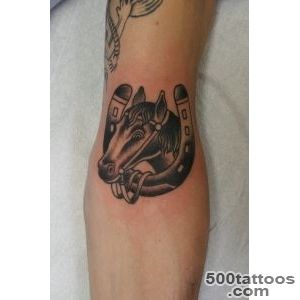
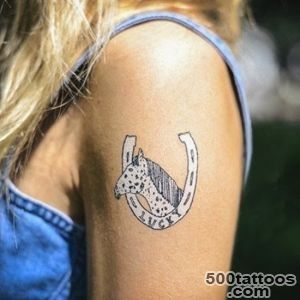
The image also pairs naturally with equestrian themes and horse imagery, connecting luck to the living animal behind the symbol.
Why the horseshoe became a luck symbol
One widespread origin story ties horseshoes to iron, a material once believed to repel evil spirits and fairies.
Blacksmiths, who shaped iron daily, were considered lucky by association, and their products inherited that reputation.
In some European traditions, finding a horseshoe on the road was treated as an omen of coming fortune.
The crescent shape also echoes the moon, which connects the symbol to cycles, renewal, and protection in older folklore.
Orientation and what it signals
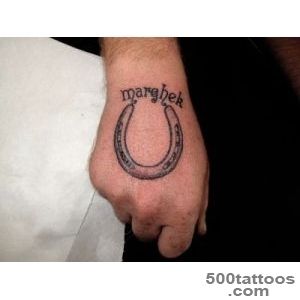
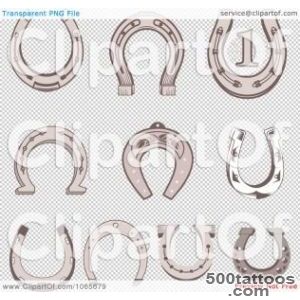
An upward-facing horseshoe is the most common tattoo orientation because it visually holds luck inside the curve like a cup.
Flipping it downward is sometimes interpreted as pouring luck onto the wearer, acting as a protective shower.
There is no single correct answer; the direction should match your personal reading of the symbol.
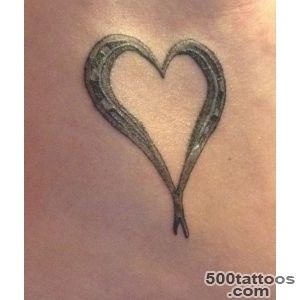
Some designs avoid the debate entirely by tilting the horseshoe at an angle, which adds motion and lets the viewer decide.
Design directions and add-ons
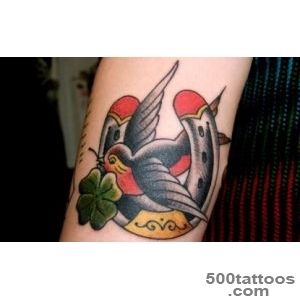
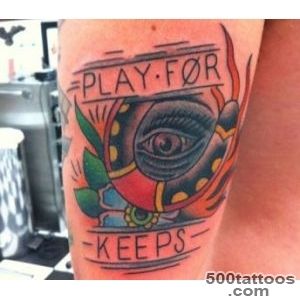
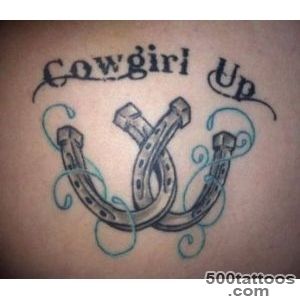
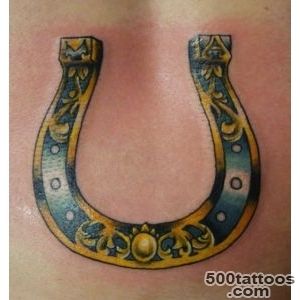
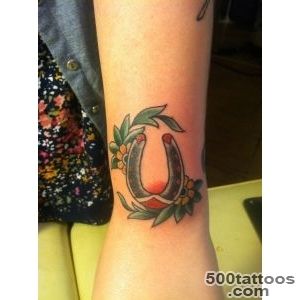
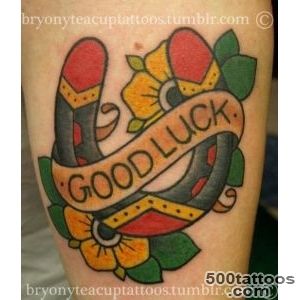
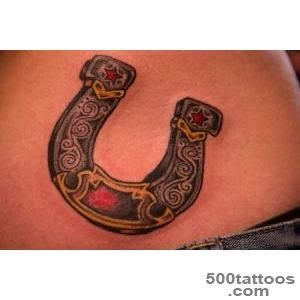
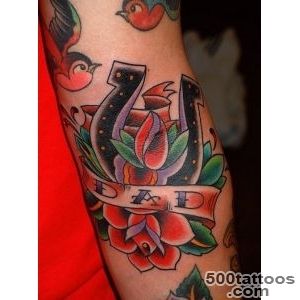
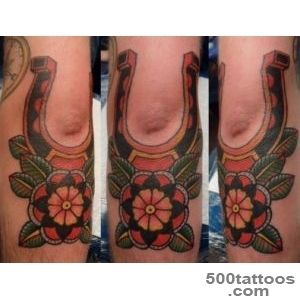
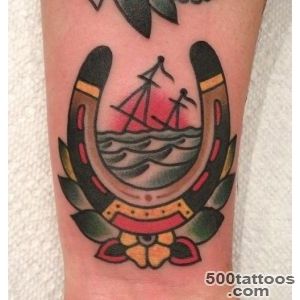
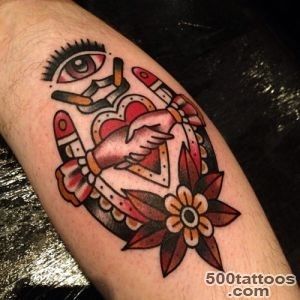
Traditional American style gives the horseshoe bold outlines, visible nail holes, and strong color fills, keeping it readable at arm's length.
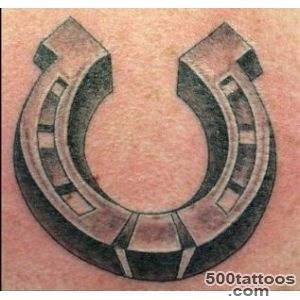
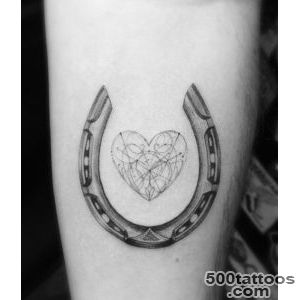
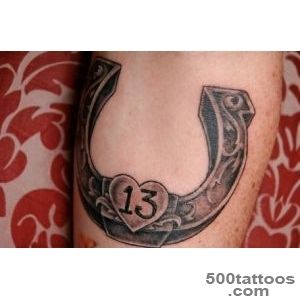
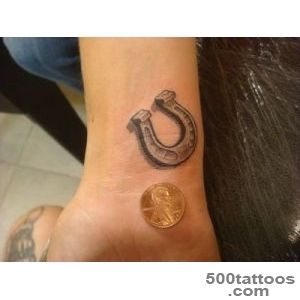
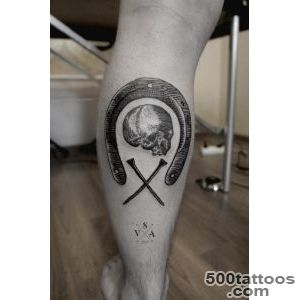
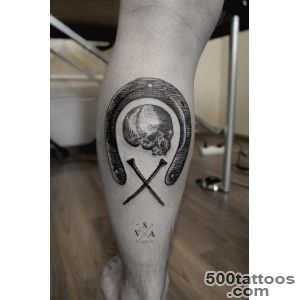
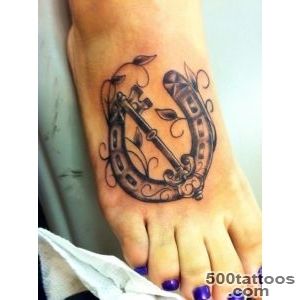
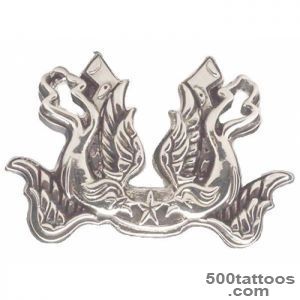
Realistic approaches add rust, scuff marks, and metallic shading to make the piece look like an actual object lifted from a stable floor.
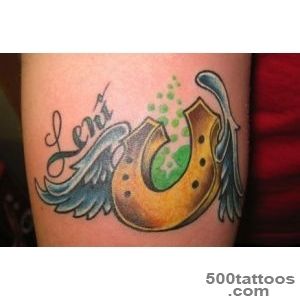
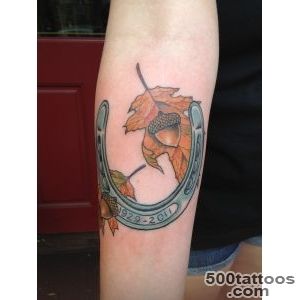
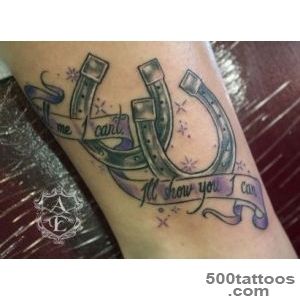
Pairing the horseshoe with dice, playing cards, or a banner reading a date turns it into a personal talisman.
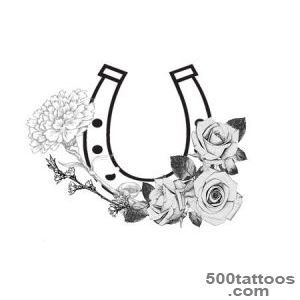
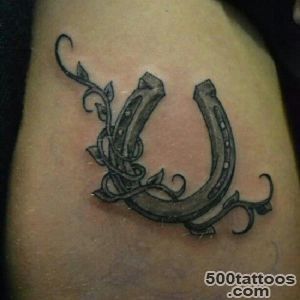
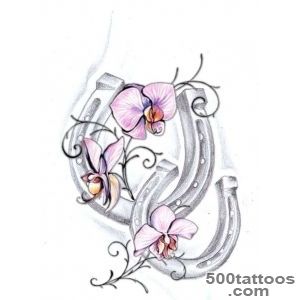
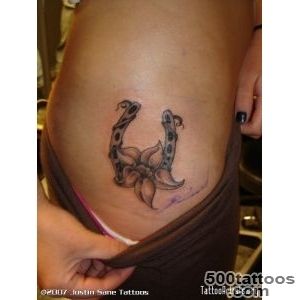
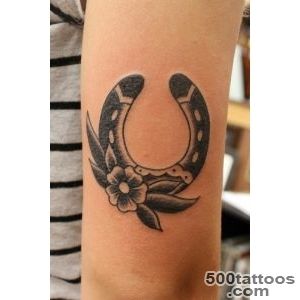
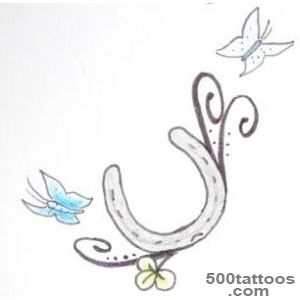
Flowers threaded through the curve soften the design and add color without competing with the main shape.
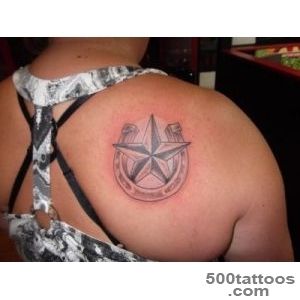
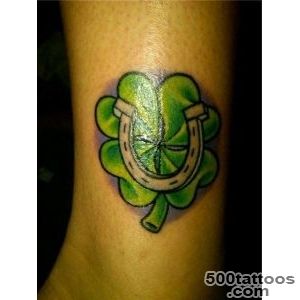
Small stars or clovers placed around the open ends reinforce the luck theme in a compact layout.
Scale, placement, and body flow
The U-shape fits naturally on rounded body areas: shoulders, calves, and the outside of the upper arm.
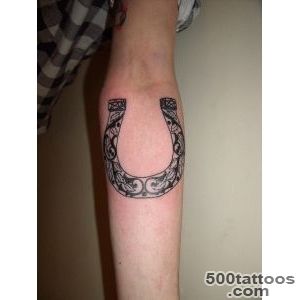
Forearms work well for medium-sized pieces, especially if you want the open end facing upward when your arm hangs at your side.
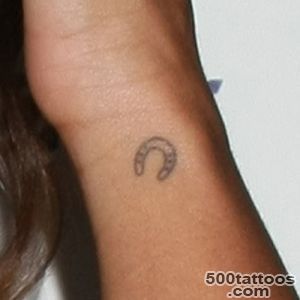
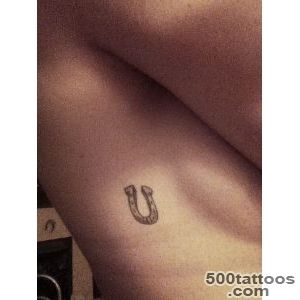
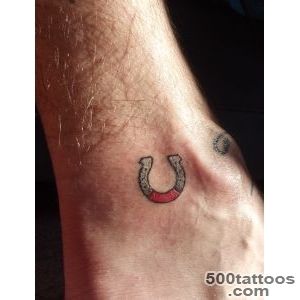
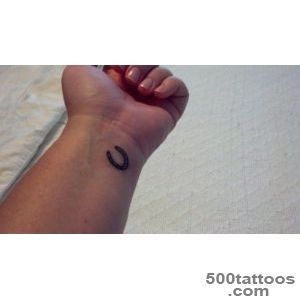
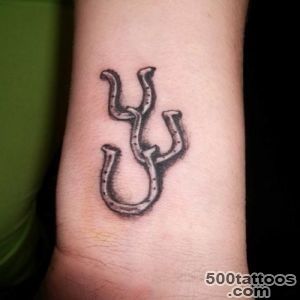
A small horseshoe on the wrist or ankle keeps the symbol discreet while still visible to you daily.
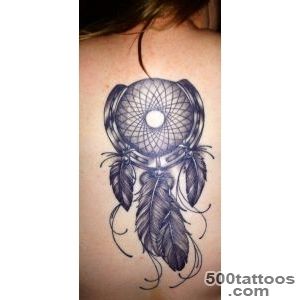
Larger compositions with banners or surrounding elements benefit from the chest or upper back where the curve has room to breathe.
Ink choices and long-term care
Black and grey horseshoes age reliably and suit both vintage and modern aesthetics.
If you add color, keep it in the accent elements rather than filling the entire shape, which can look flat as pigment settles.
The thin tips of the horseshoe are the most vulnerable to fading, so ask your artist to reinforce them with slightly thicker lines.
Routine sunscreen use on exposed placements will keep the contrast between the metallic tones and the skin clean for years.
Horseshoe tattoo designs and images