Medical tattoos

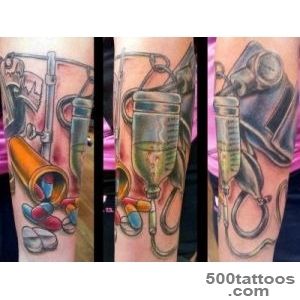
Medical tattoos can be deeply personal, combining identity and self-expression with a practical purpose like awareness or remembrance. Some people choose them as medical alert designs, while others use the theme to honor a recovery journey or a life-changing diagnosis.
Functional Alert Designs
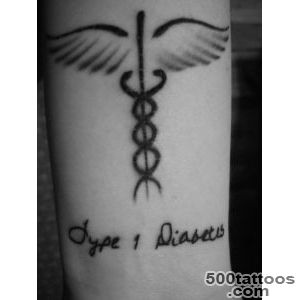
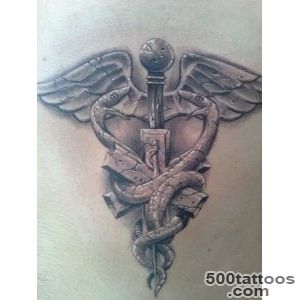
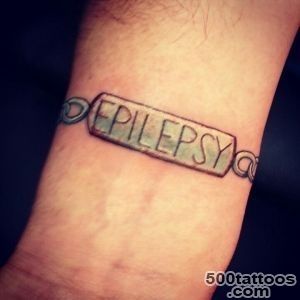
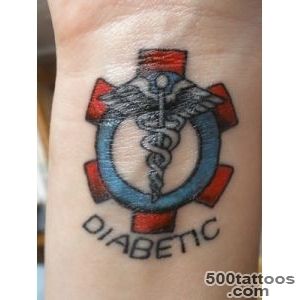
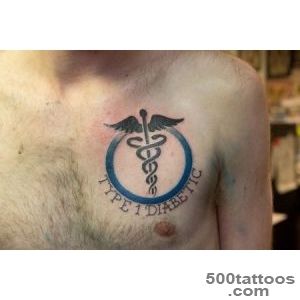
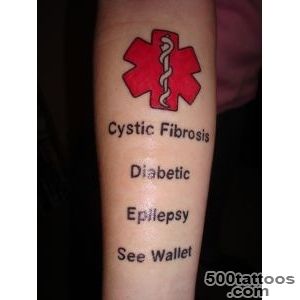
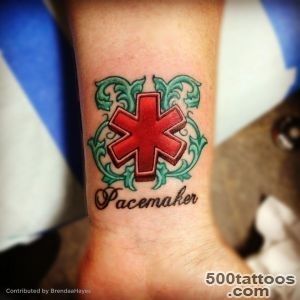
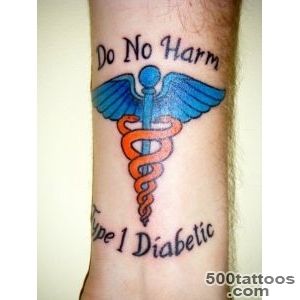
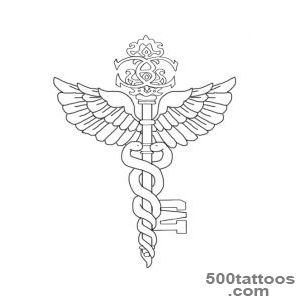
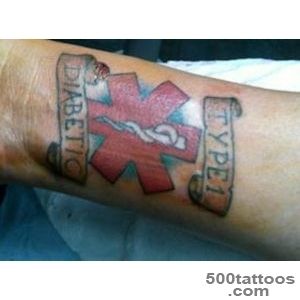
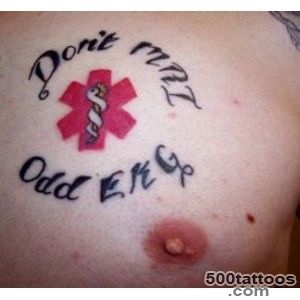
A medical alert piece replaces or supplements a traditional bracelet, making critical information like a blood type, allergy, or condition permanently visible. Blackwork and fine-line lettering keep data crisp and easy to read, and minimal realism can add a recognized symbol such as the Rod of Asclepius without visual clutter. Clarity should always be the priority when the design is meant to communicate quickly to first responders.
Recovery and Remembrance Themes
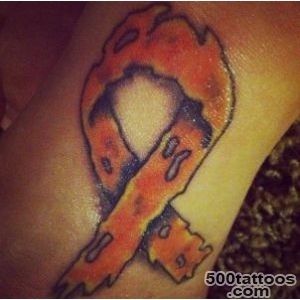
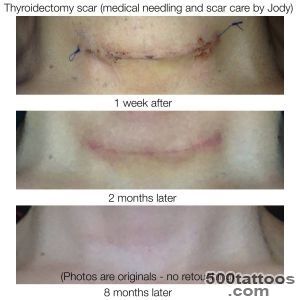
Beyond practical alerts, many people ink symbols that mark a turning point in their health. A scar-covering piece after surgery, a date that represents remission, or an image connected to an organ donor can all turn a difficult chapter into something visible and owned. These designs carry emotional weight and often become conversation starters that help normalize difficult topics.
Placement and Visibility Considerations
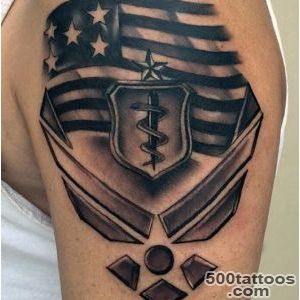
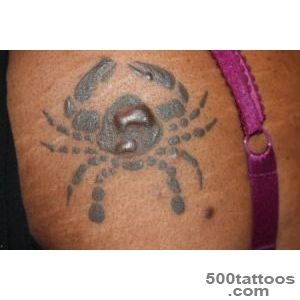
Many choose the wrist or forearm because these areas are easy to spot, while the upper arm or shoulder can work when you want a more discreet placement. Consider how often you want it visible and how the design might interact with watches, sleeves, or workplace dress codes. For alert purposes, a location that stays uncovered in emergencies is the safest choice.
Accuracy and Aftercare
Choose a size that remains legible over time, verify wording with a healthcare professional if it includes specific medical details, and follow careful aftercare. Pain is often sharper on the wrist than on the upper arm, so plan accordingly if you are sensitive.
Medical tattoos designs and images