Scarab tattoo
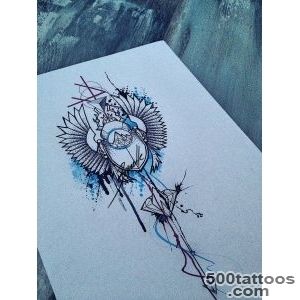
The scarab beetle occupies a central place in Egyptian mythology as a symbol of rebirth, the rising sun, and divine creation. The dung beetle's habit of rolling a ball across the ground mirrored the sun god Khepri pushing the sun across the sky. Scarab tattoos bring this ancient meaning into modern body art with rich detail and sacred geometry.
Egyptian rebirth symbolism and the sun god Khepri
Khepri, the scarab-headed deity, represented the morning sun and the concept of self-creation. Egyptians placed scarab amulets over the hearts of mummies to ensure safe passage into the afterlife. A scarab tattoo inherits this protective meaning-transformation through death and renewal. The design carries weight for anyone navigating a major life change.
Wing-spread and jeweled scarab designs
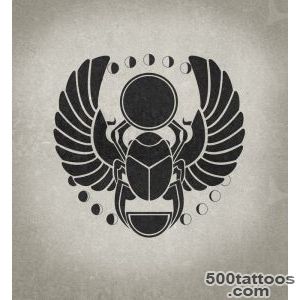
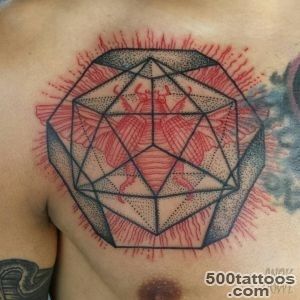
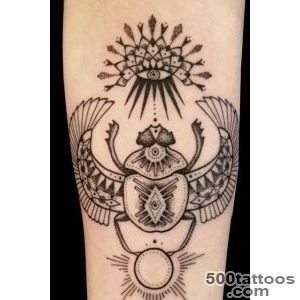
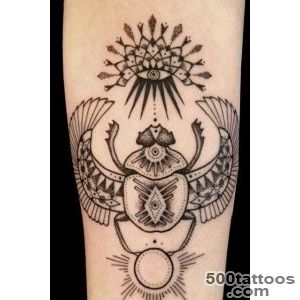
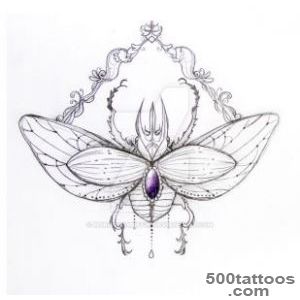
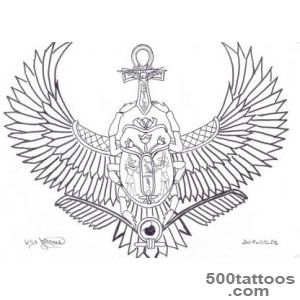
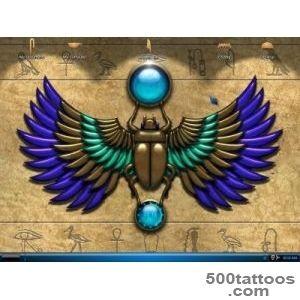
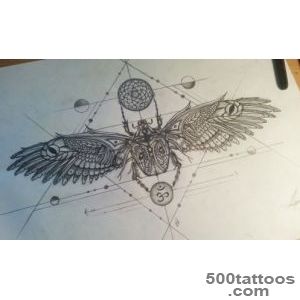
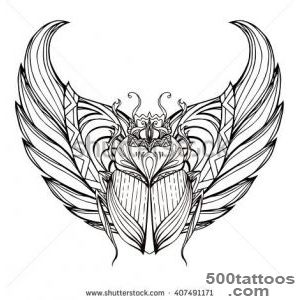
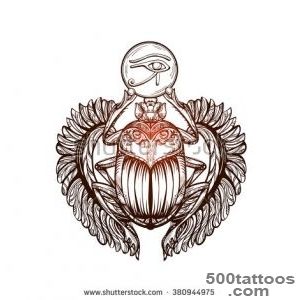
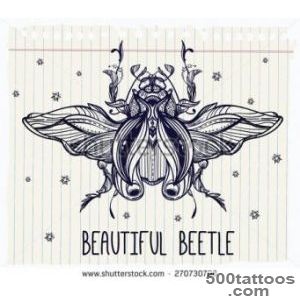
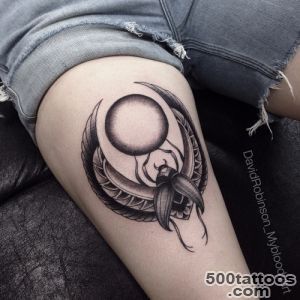
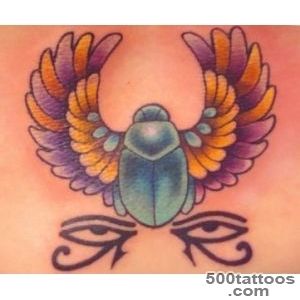
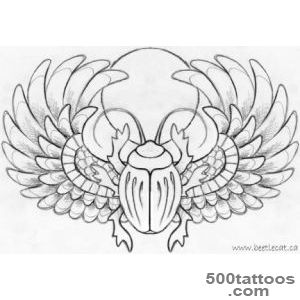
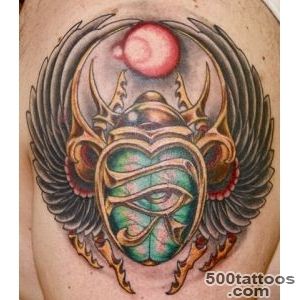
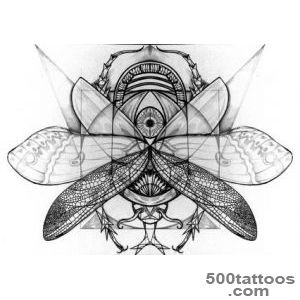
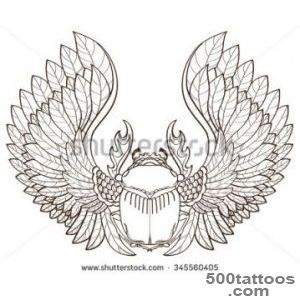
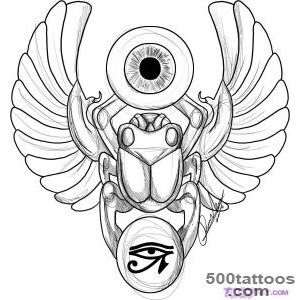
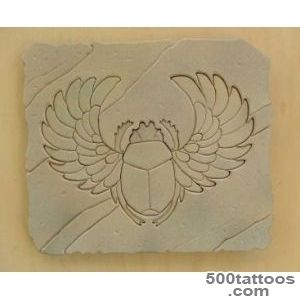
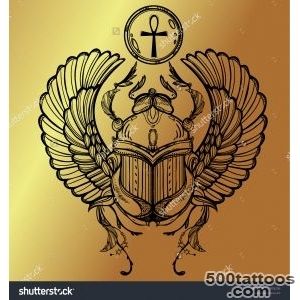
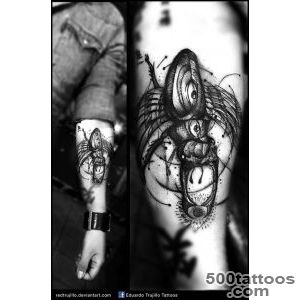
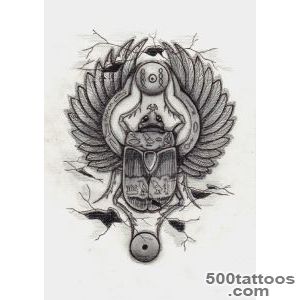
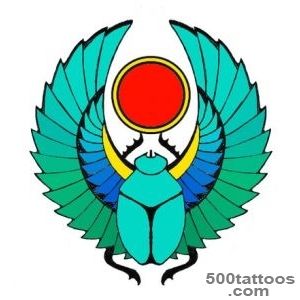
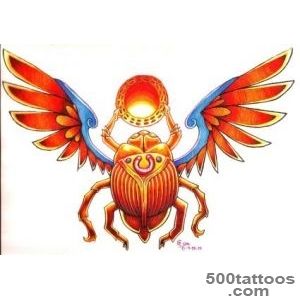
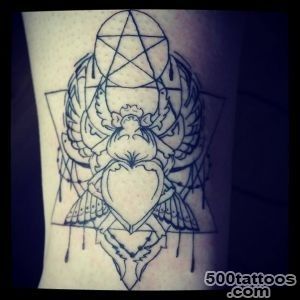
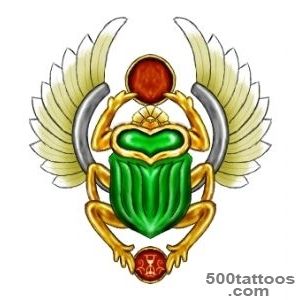
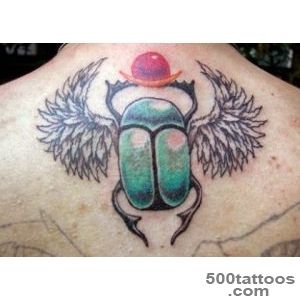
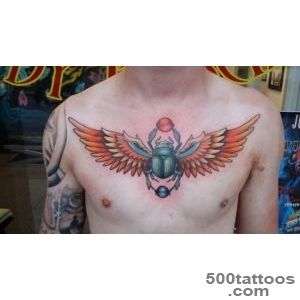
The most popular scarab tattoo layout shows the beetle from above with wings fully extended, often holding a sun disc between its front legs. This symmetrical format suits chest, upper back, and sternum placements. Adding turquoise, gold, and lapis lazuli coloring mimics the jeweled pectorals found in pharaonic tombs. Geometric patterns within the wings connect the Egyptian theme to sacred geometry.
Realistic versus ornamental approaches
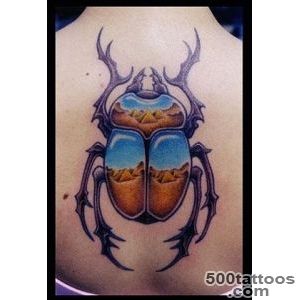
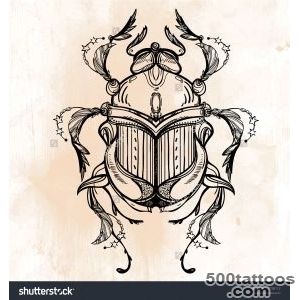
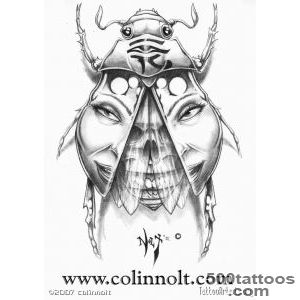
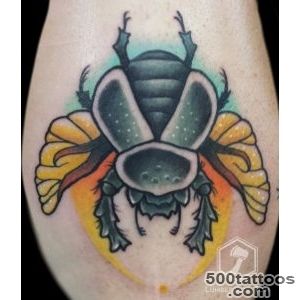
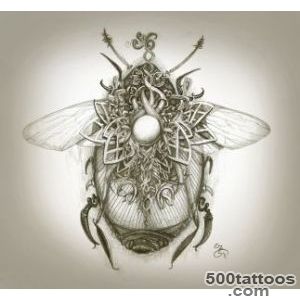
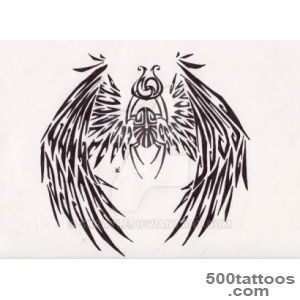
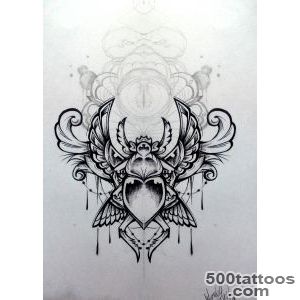
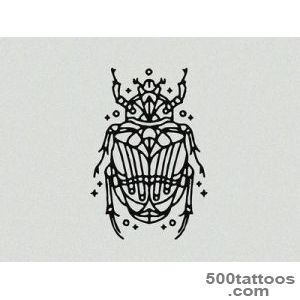
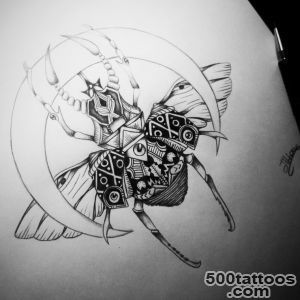
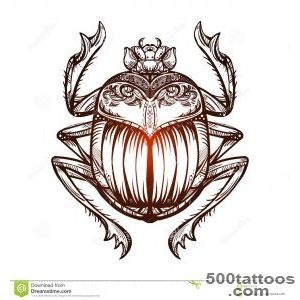
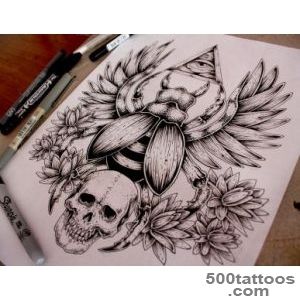
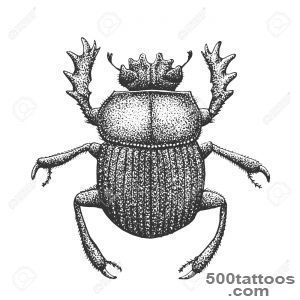
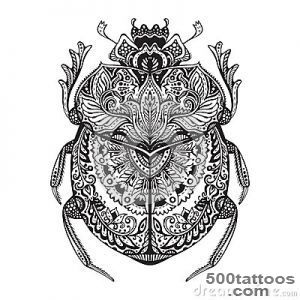
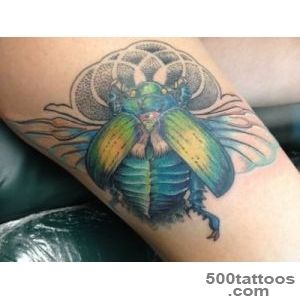
Realistic scarab tattoos render the beetle's segmented body, textured shell, and jointed legs with photographic precision. Ornamental versions flatten the form into a decorative mandala with Egyptian hieroglyphs and eye-of-Horus accents. Blackwork scarabs strip the design to bold lines and solid fills, creating a graphic impact that reads well at any size.
Placement and sizing for scarab designs
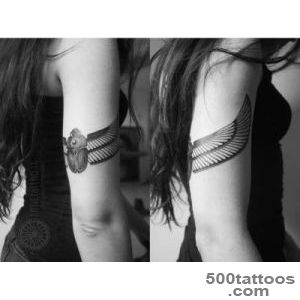
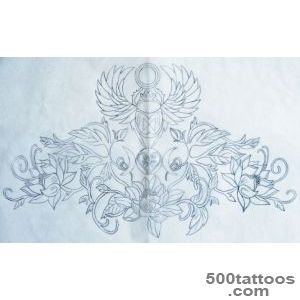
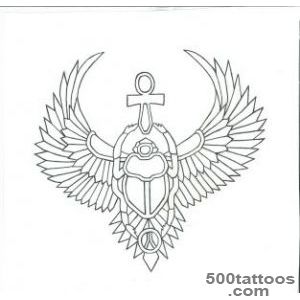
The symmetrical wings of a spread scarab center naturally on the sternum, upper back, or throat. Folded-wing versions fit the forearm or calf as compact standalone pieces. Pairing a scarab with an ankh, lotus flower, or pyramid builds a larger Egyptian-themed composition suited for a half-sleeve or thigh panel.
Scarab tattoo designs and images