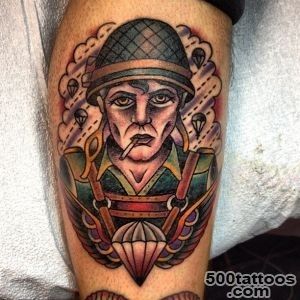
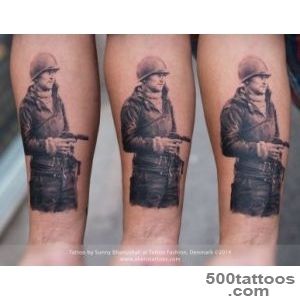
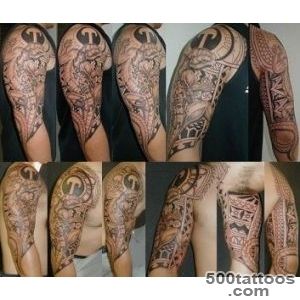
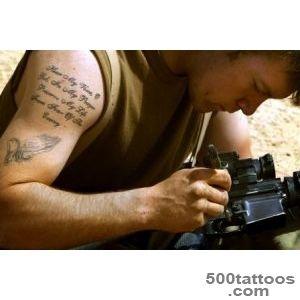
Soldier tattoo
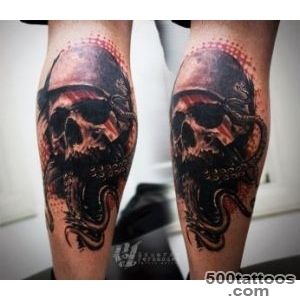
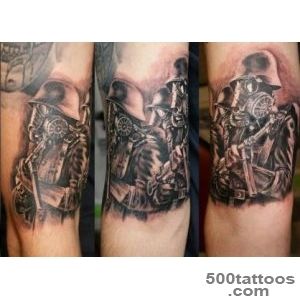
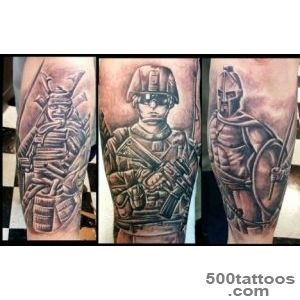
Soldier tattoos honor military service, sacrifice, and the bond between those who have served together. The imagery draws on centuries of martial tradition, from Roman legionary marks to modern dog tag designs. Whether worn by veterans or family members, these tattoos carry deep personal weight.
Military tattoo tradition and meaning
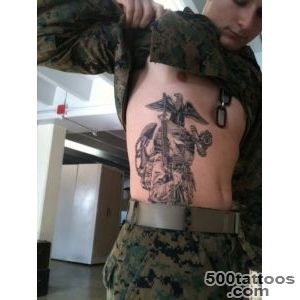
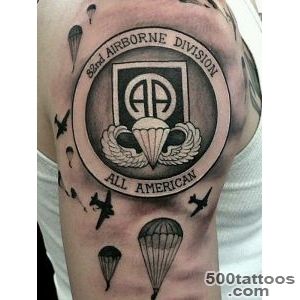
Tattooing among soldiers dates back to ancient civilizations where marks identified unit, rank, or battle experience. During both World Wars, service members tattooed division insignia, flags, and sweetheart portraits before deployment. Today military tattoos serve as permanent memorials, identity markers, and tributes to fallen comrades.
Common soldier memorial motifs
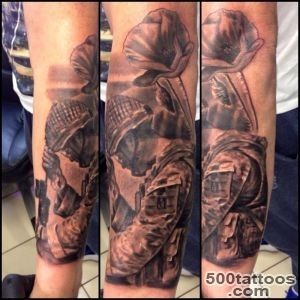
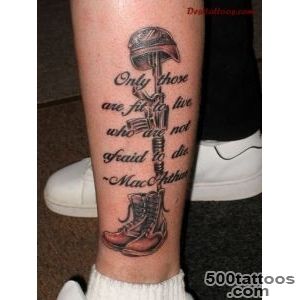
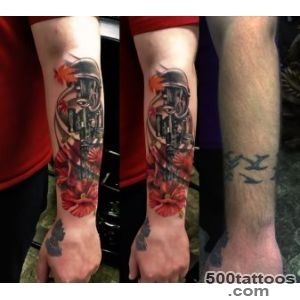
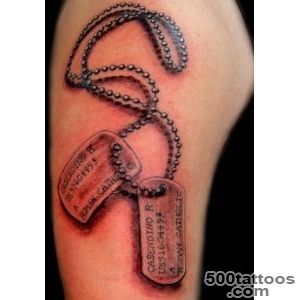
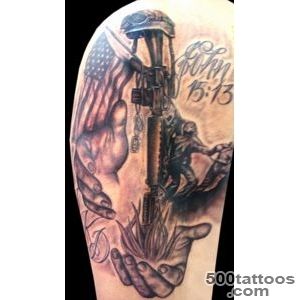
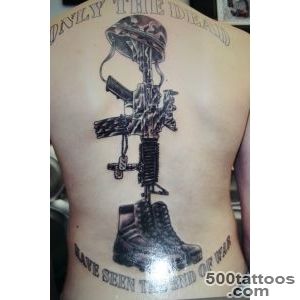
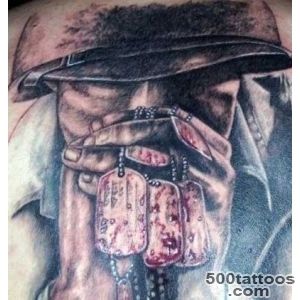
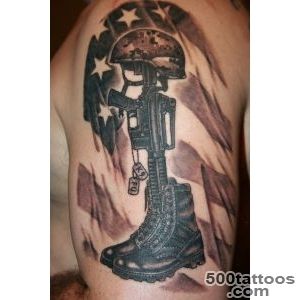
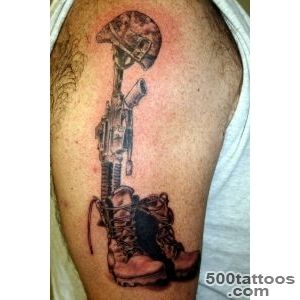
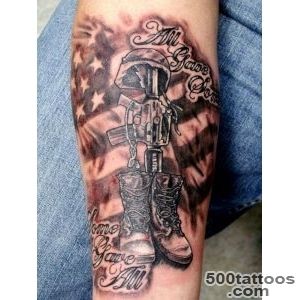
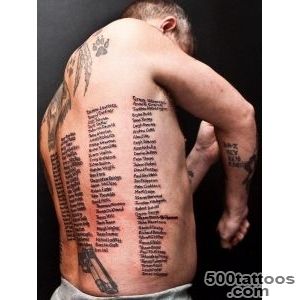
The battlefield cross-a rifle planted in the ground with boots at the base and a helmet on top-is one of the most recognized memorial compositions. Dog tags engraved with names, dates, and service numbers personalize the tribute. Silhouette soldiers against a sunset or flag background convey sacrifice without graphic violence. Poppy flowers reference remembrance traditions.
Realism vs silhouette approaches
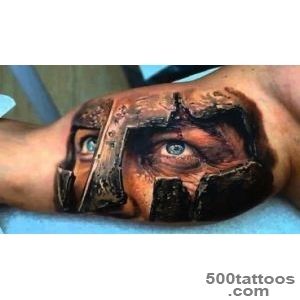
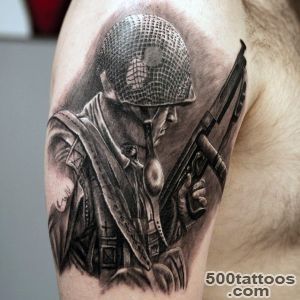
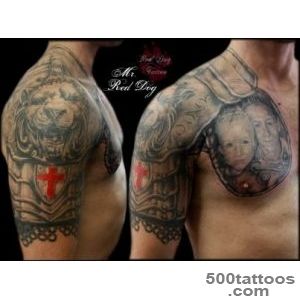
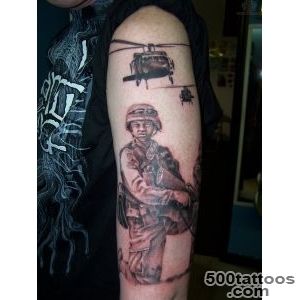
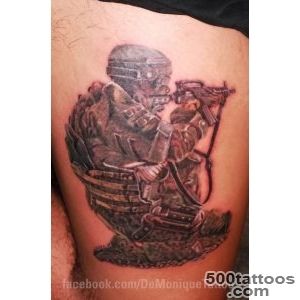
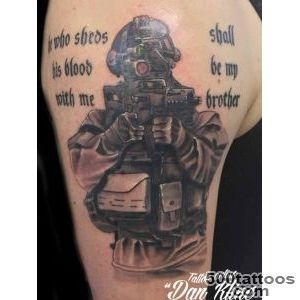
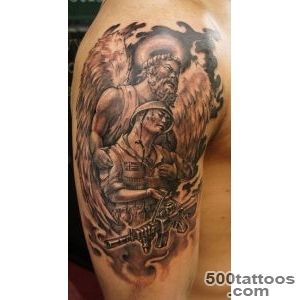
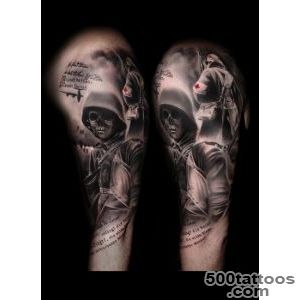
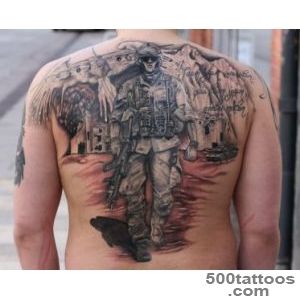
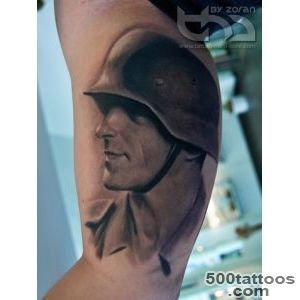
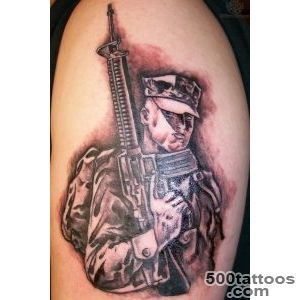
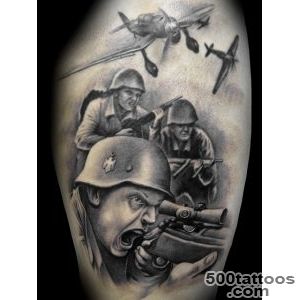
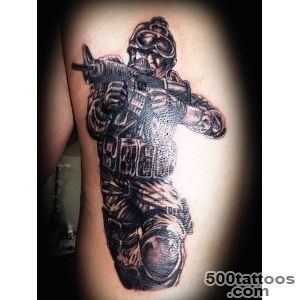
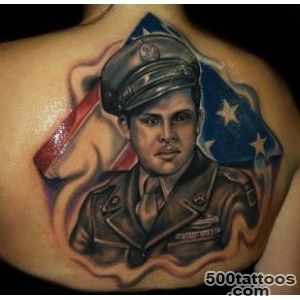
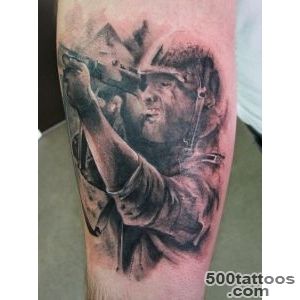
Photorealistic soldier portraits demand skilled shading and accurate uniform detail. They work best at larger scales on the chest, back, or upper arm. Silhouette designs reduce the figure to a recognizable outline, often set against dramatic skies or terrain. The silhouette approach ages more gracefully and reads clearly at smaller sizes.
Incorporating flags, dates, and names
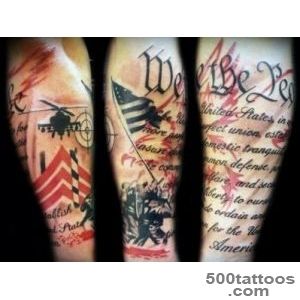
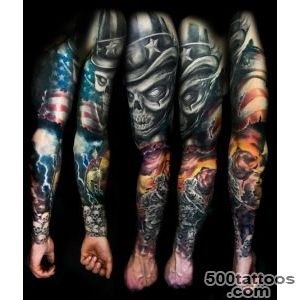
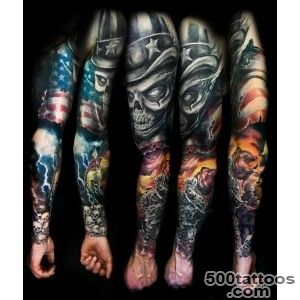
National flags waving behind a soldier add patriotic context. Banner scrolls beneath the main image carry names, unit numbers, or deployment dates. Some designs integrate map coordinates of significant locations. Typography matters-military stencil fonts and serif lettering both convey authority and permanence.
Placement and scale for military tribute pieces
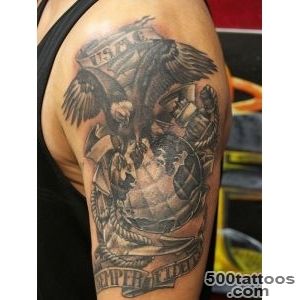
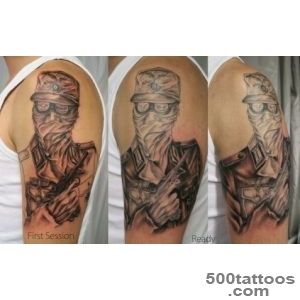
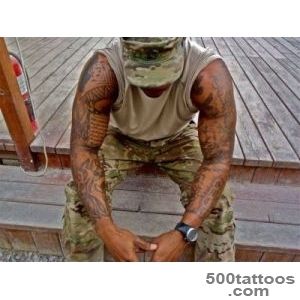
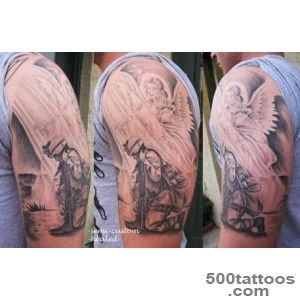
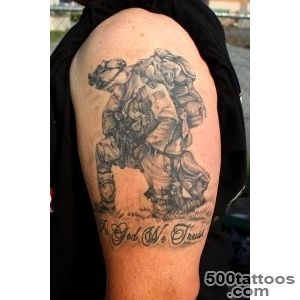
The upper arm and shoulder are traditional military tattoo locations, visible when wearing a T-shirt. Chest pieces allow symmetrical compositions with a flag or eagle centerpiece. Full-back panels provide room for complex narrative scenes. Forearm placements make the tattoo part of daily visibility, serving as a constant reminder.
Soldier tattoo designs and images