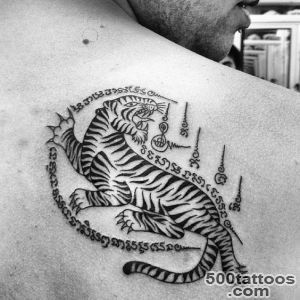
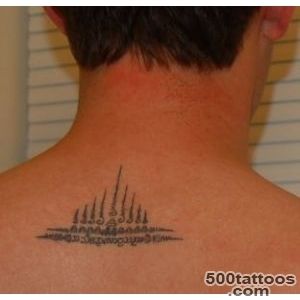
Thai tattoo
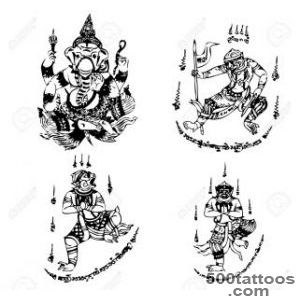
What Are Sak Yant Tattoos
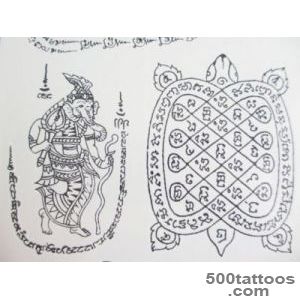
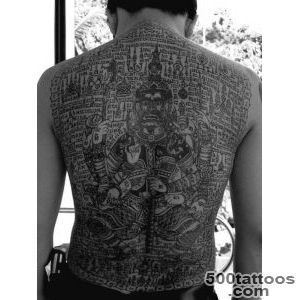
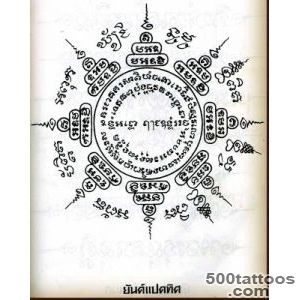
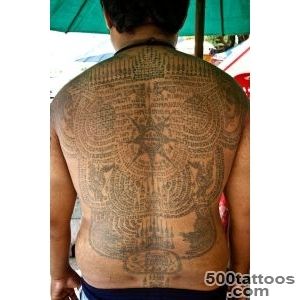
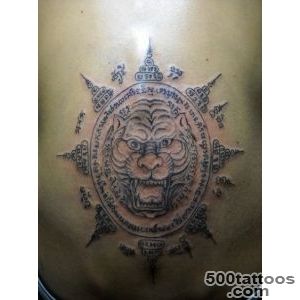
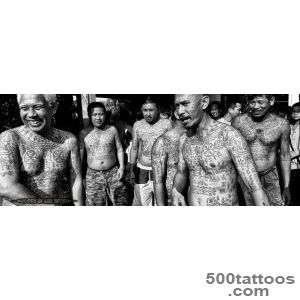
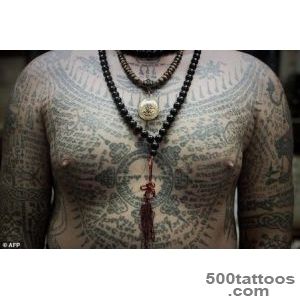
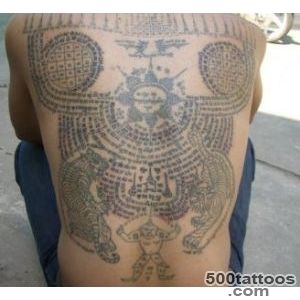
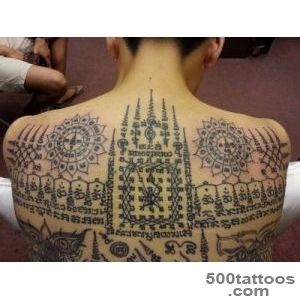
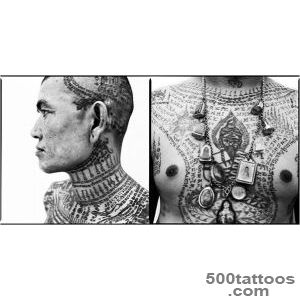
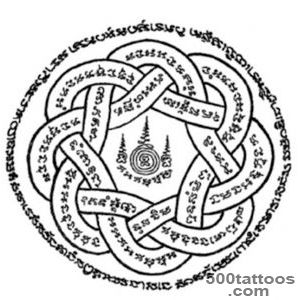
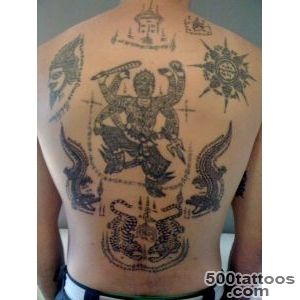
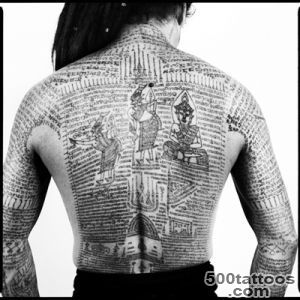
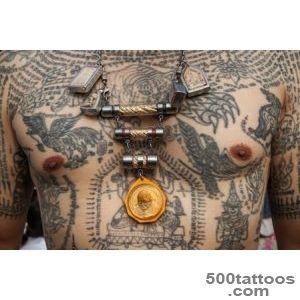
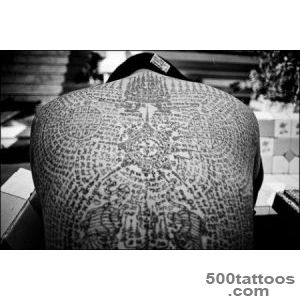
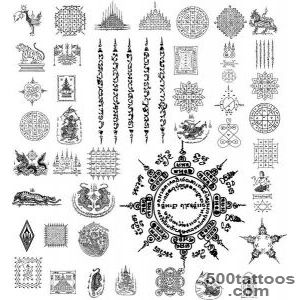
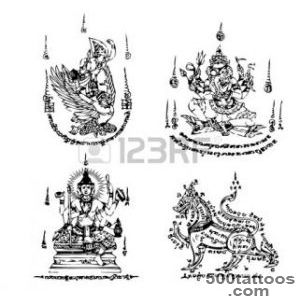
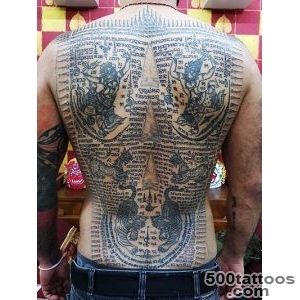
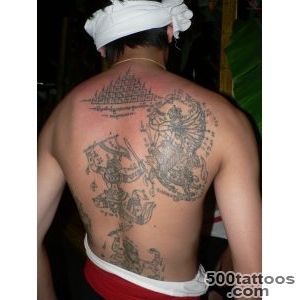
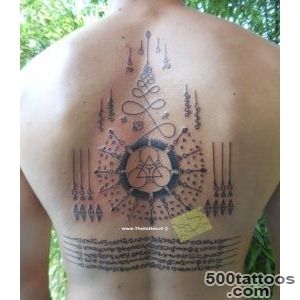
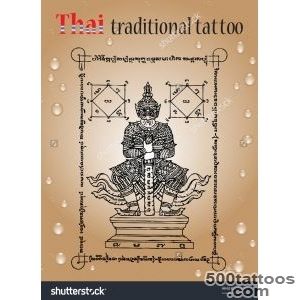
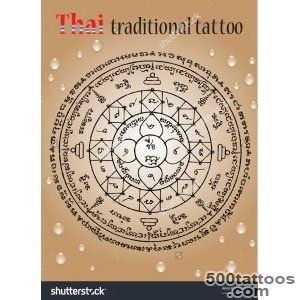
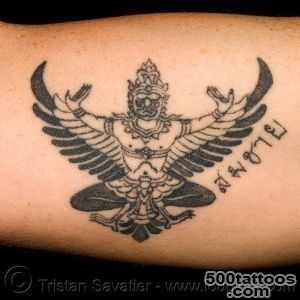
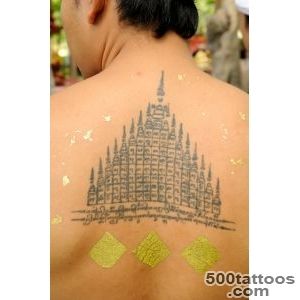
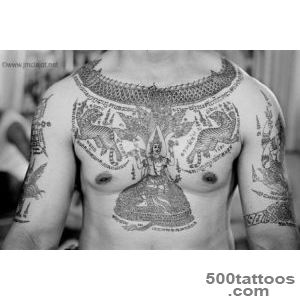
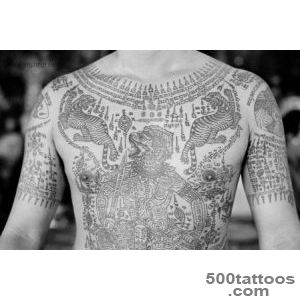
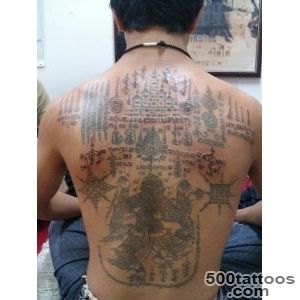
Sak Yant is the traditional Thai practice of sacred tattooing, performed by Buddhist monks or trained practitioners called ajarns. The designs combine geometric patterns, animal figures, and Pali script believed to offer protection, luck, or spiritual guidance. Each pattern follows a visual grammar rooted in Theravada Buddhist and Hindu tradition.
Unlike decorative body art, Sak Yant pieces are considered living blessings. Temples across Thailand and Cambodia still perform the ritual using hand-poke methods with a metal rod called a khem sak.
Spiritual Meaning and Tradition
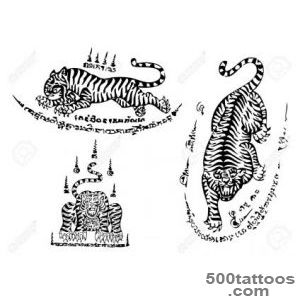
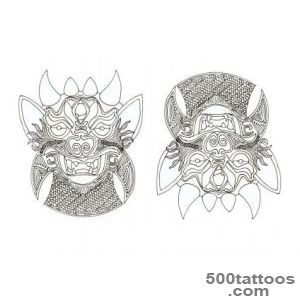
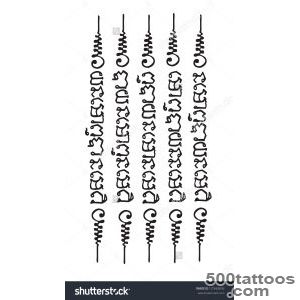
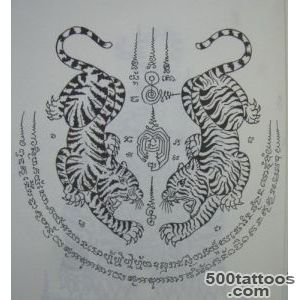
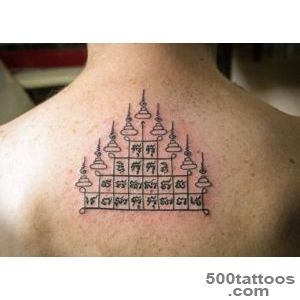
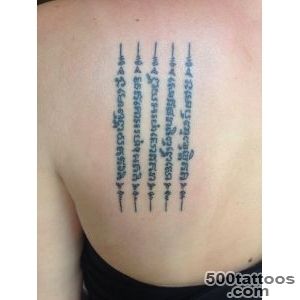
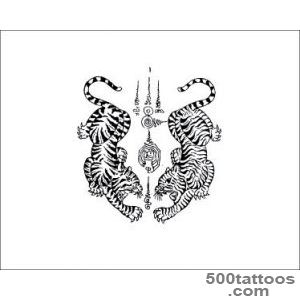
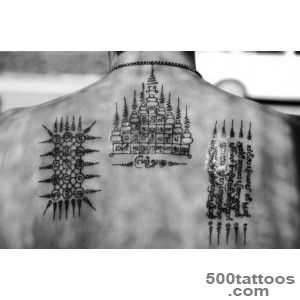
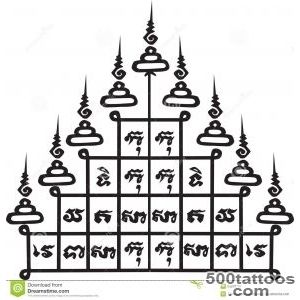
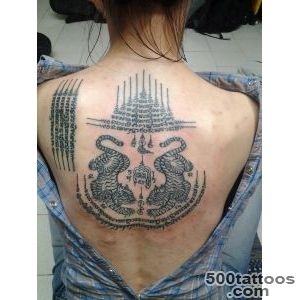
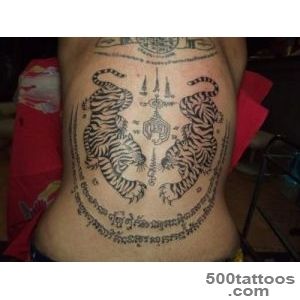
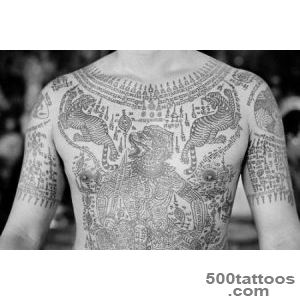
Every design carries a specific intention. The Hah Taew, five horizontal lines, offers protection and good fortune. The Gao Yord, a grid of nine peaks, represents the sacred peaks of Mount Meru. Animal designs like the twin tigers symbolize authority and fearlessness.
The power of a Sak Yant is believed to come from the blessing spoken during application, not just the image itself.
The Application Process
Traditional Sak Yant is applied by hand using a steel or bamboo needle tapped rhythmically into the skin. The practitioner chants mantras throughout, infusing the design with spiritual energy. Sessions at temples involve offerings of flowers, incense, and a small donation. The monk often selects the design based on what they feel the person needs.
Rules and Respect for Wearers
Receiving a Sak Yant comes with rules called the five precepts - refraining from harming others, stealing, lying, and misusing intoxicants. Breaking these is believed to weaken the protective power. Placement matters: Sak Yant should sit above the waist, since the lower body is considered spiritually inferior in Thai culture.
If you are not Thai or Buddhist, approach Sak Yant with respect. Seek a legitimate practitioner and understand that the design carries obligations beyond appearance.
Thai tattoo designs and images