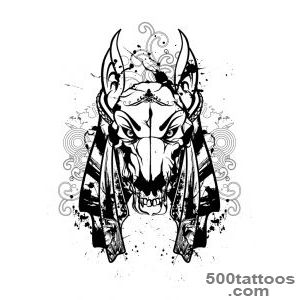
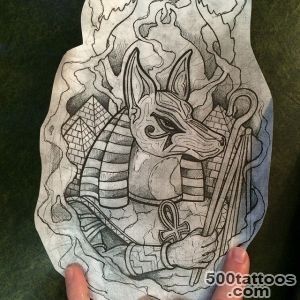
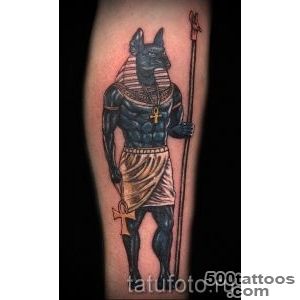
Anubis tattoo
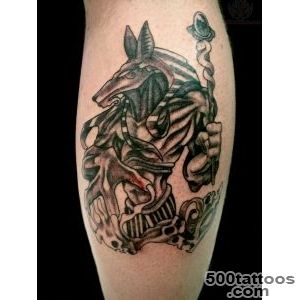
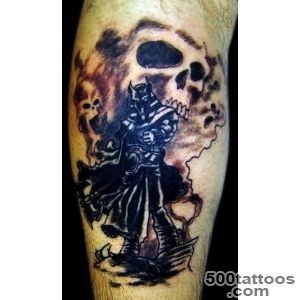
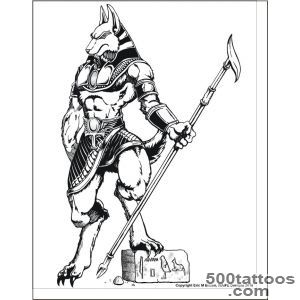
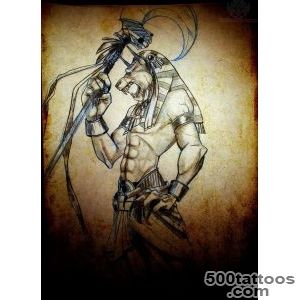
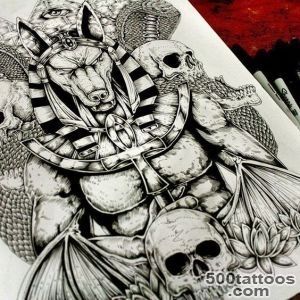
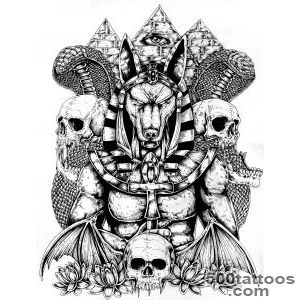
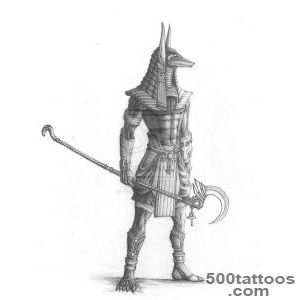
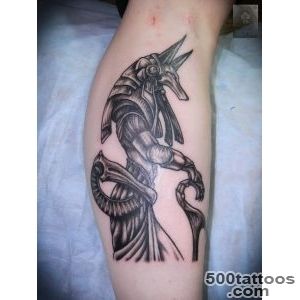
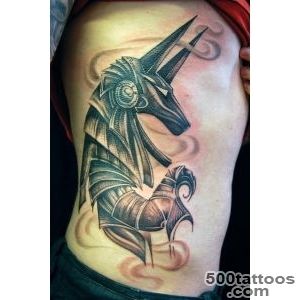
Anubis is one of the most recognizable figures from ancient Egyptian mythology: a jackal-headed guardian linked to mummification and the journey to the afterlife. The jackal head itself works like a powerful mask in tattoo form. In modern tattoo culture, people choose an Anubis tattoo less as a "dark" sign and more as a symbol of protection, transition, and respect for what came before.
Anubis Tattoo Meaning
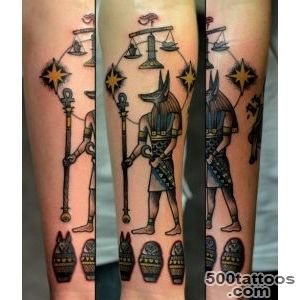
Common meanings include guarding what matters, staying steady during change, honoring a loved one, or marking a personal "rebirth" after a difficult chapter. Some designs also hint at balance and fairness-especially when the artwork references the weighing of the heart, a classic scene tied to judgment and accountability. Many who are drawn to ancient tattoos find Anubis particularly compelling for its rich symbolism.
Design Motifs & Elements
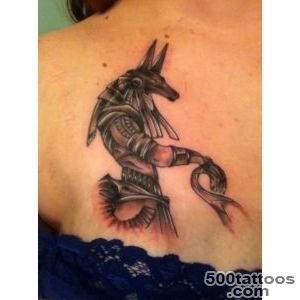
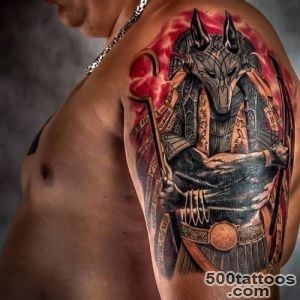
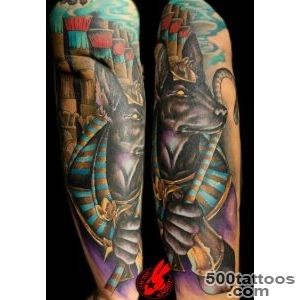
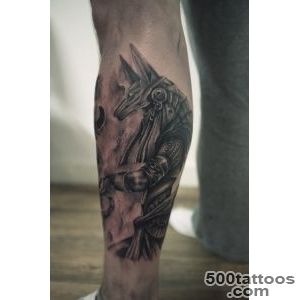
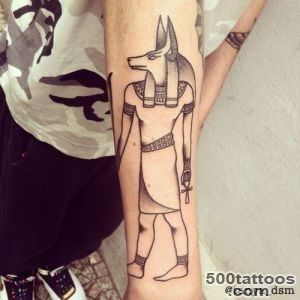
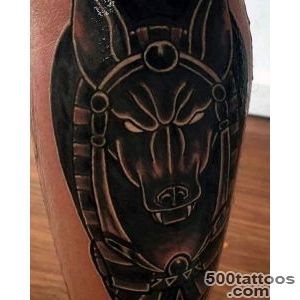
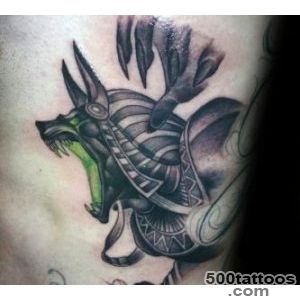
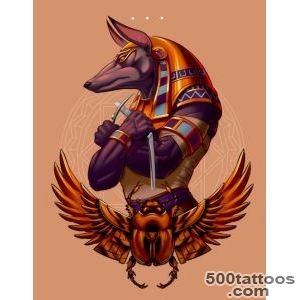
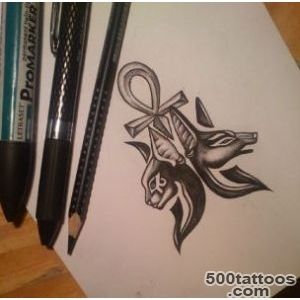
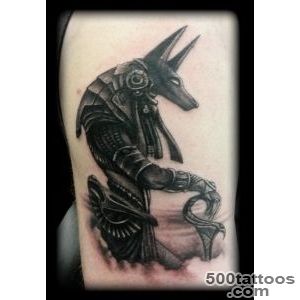
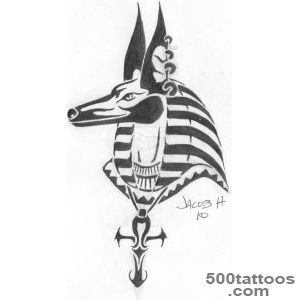
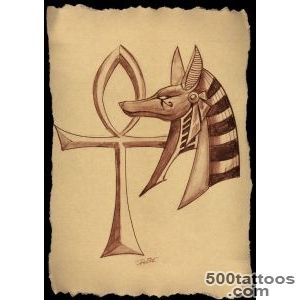
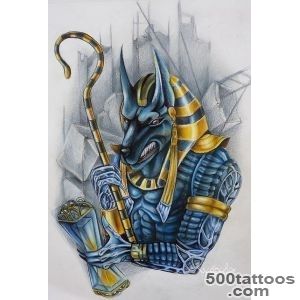
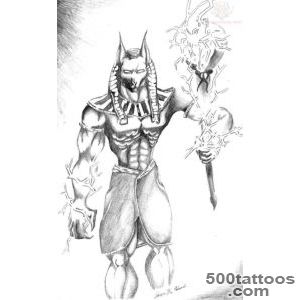
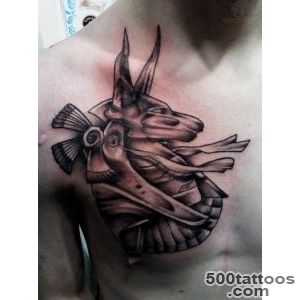
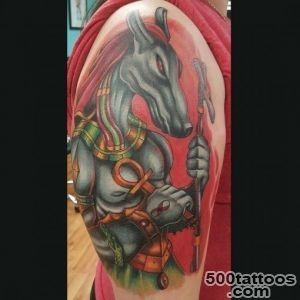
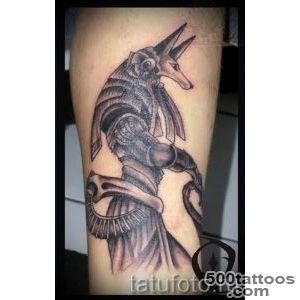
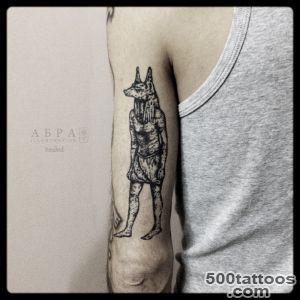
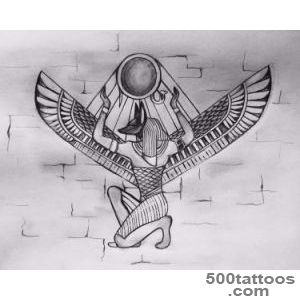
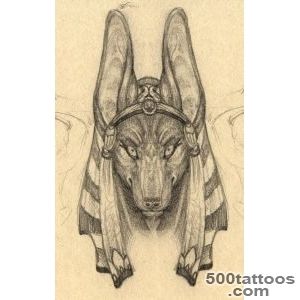
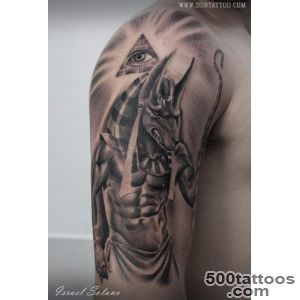
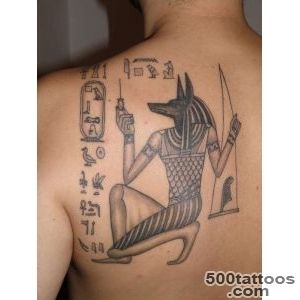
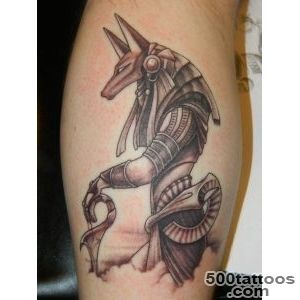
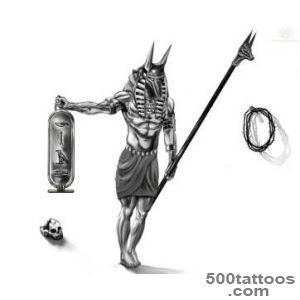
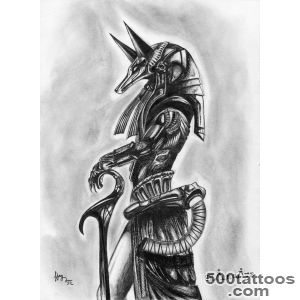
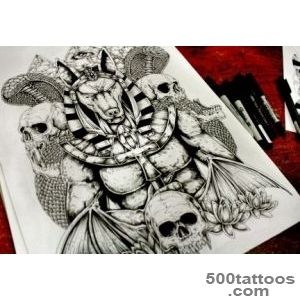
Visually, Anubis works in many directions. A realistic portrait of the jackal head feels bold on the forearm, calf, or upper arm. A full Egyptian scene-Anubis with scales, an ankh, and decorative framing-fits the chest, back, or a half sleeve. Minimalist options include a clean profile outline, a small ankh paired with a jackal silhouette, or a geometric mask that keeps strong symmetry. Those interested in animal tattoos appreciate the jackal symbolism.
Style Options
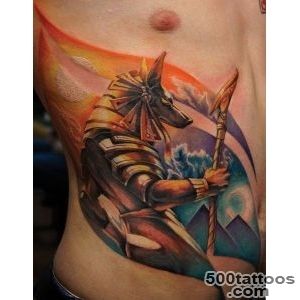
For color, black and gray reads timeless and holds detail well. If you want a warmer look, add controlled gold accents (for jewelry, ornaments, or background elements) without overloading the piece. Placement matters: highly detailed faces usually look best on flatter areas (outer forearm, upper arm, back) where the lines won't distort.
Placement & Composition
To keep the tattoo meaningful, use intentional details rather than random hieroglyphs. If you include any text, get it verified by someone who reads the language. A good artist will help you balance realism and stylization so the design stays readable as it ages. Consider exploring Aztec tattoos if you're drawn to ancient cultural motifs.
Anubis tattoo designs and images