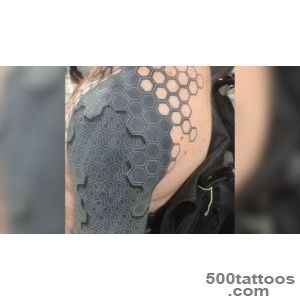
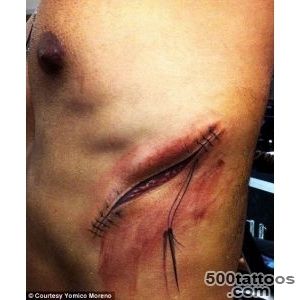
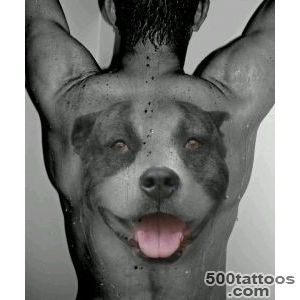
Three dimensional tattoo

How 3D Tattoos Create Depth
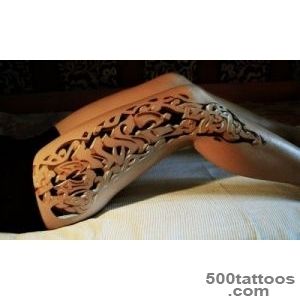
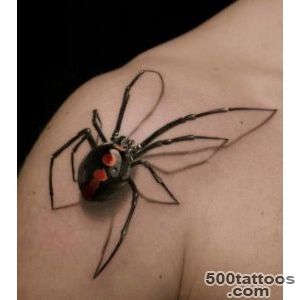
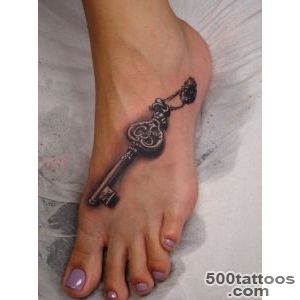
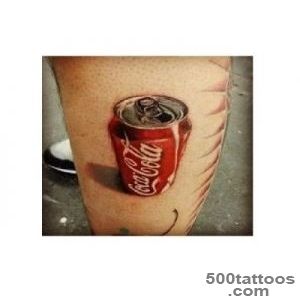
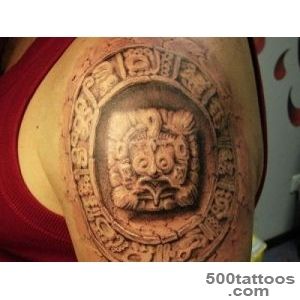
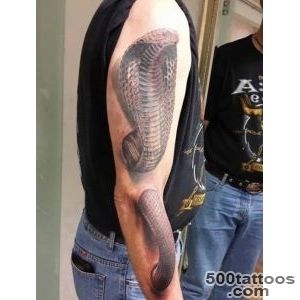
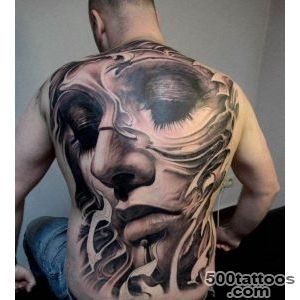
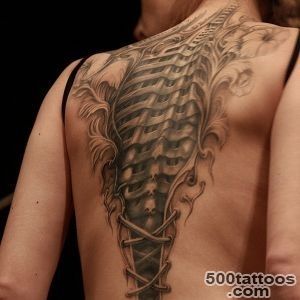
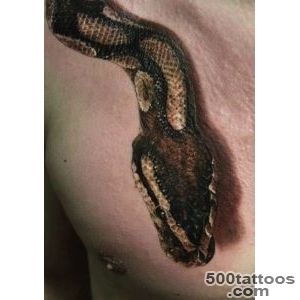
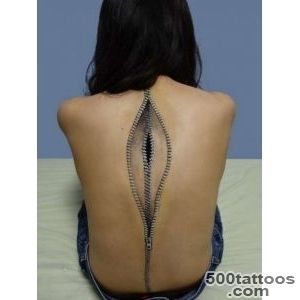
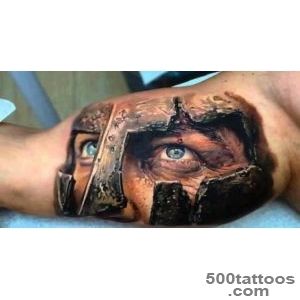
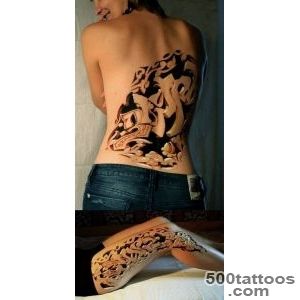
A three-dimensional tattoo is all about illusion, making a design look like it lifts off the skin or has real depth. The effect relies on precise shading, highlights, and shadow placement that trick the eye into seeing volume on a flat surface. People choose 3D tattoos for impact, turning a simple concept into a bold visual statement.
The key to a convincing piece is understanding how light falls on objects. A skilled artist places bright highlights facing an imaginary light source and deep shadows on the opposite side, creating the impression of a real object on the skin.
Styles and Techniques
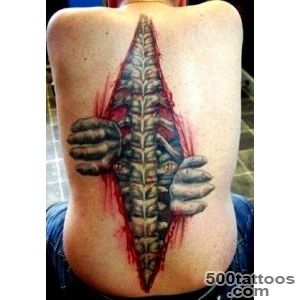
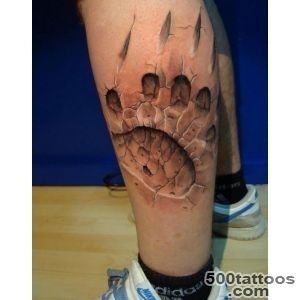
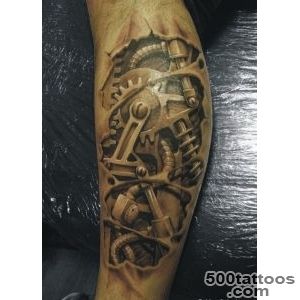
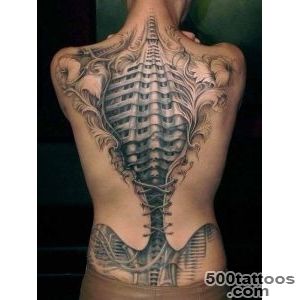
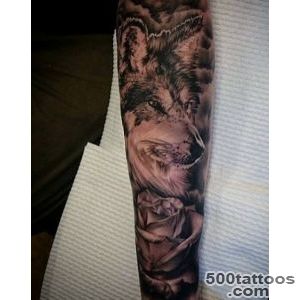
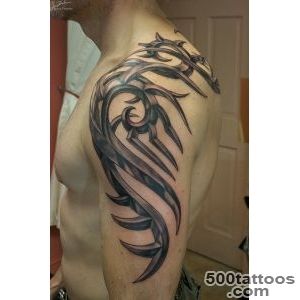
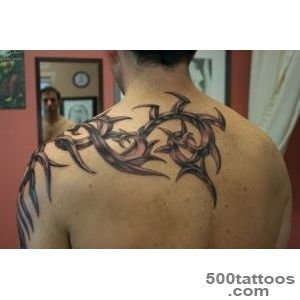
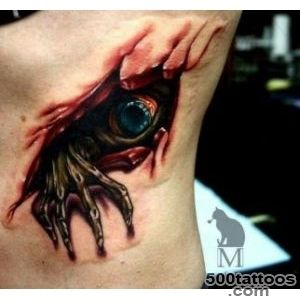
Realism is the foundation of most 3D work, using smooth gradients and careful contrast to simulate depth. Blackwork sharpens edges for designs like torn skin or mechanical parts. Fine-line details add precision to cracks and textures.
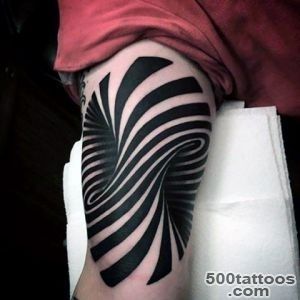
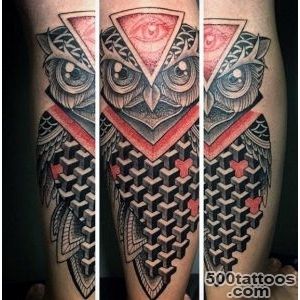
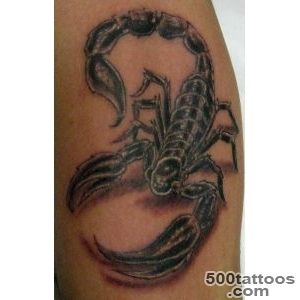
Popular subjects include butterflies that appear to rest on the shoulder, biomechanical gears beneath torn skin, spiders casting shadows, and optical illusion patterns like impossible staircases.
Best Placement for 3D Effects
The upper arm and shoulder give a broad, smooth canvas that helps shading stay even. The forearm works well for 3D objects you want to display, while the calf and thigh offer large flat areas for dramatic illusions. The wrist suits smaller illusions with simpler shapes.
Sizing and Aftercare Tips
Give the design enough size for smooth gradients - small 3D pieces lose their illusion as ink spreads over time. Follow aftercare closely so shading heals evenly. Avoid sun exposure on fresh ink, because faded highlights destroy the depth illusion faster than anything else.
Three dimensional tattoo designs and images