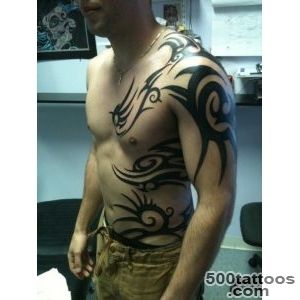
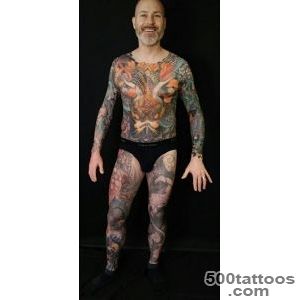
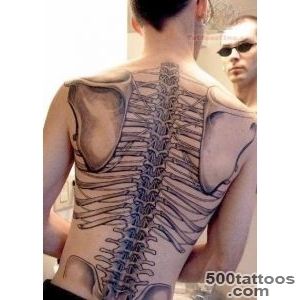
Body tattoos
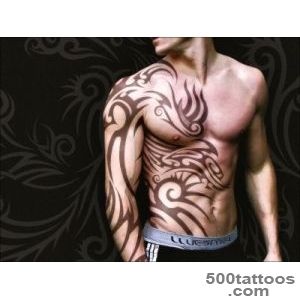
Choosing Tattoo Placement
Body tattoos aren't only about the design-you're also choosing where that design will live, move, and age. The same symbol can look subtle on one area (like an ankle) and dramatic on another (like a forearm). A good placement choice makes the tattoo readable, fits your lifestyle, and supports the story you want the tattoo to tell. Understanding how different body areas affect design readability and longevity can save you from regret down the road-and help you get a tattoo that looks as good in ten years as it does on day one.
Visibility & Lifestyle
Start with visibility. If you need flexibility, pick areas that are easy to cover with everyday clothing. If you want the tattoo to be part of your daily look, choose a placement that naturally stays visible. Think about future plans too: whether you might expand into a sleeve, add matching pieces, or keep the tattoo as a standalone. People in client-facing professions often prefer placements that a long-sleeve shirt covers completely, while those in creative fields may not mind visible ink on hands, neck, or behind the ear.
Pain & Healing (General)
Movement matters. Areas that bend a lot or rub against shoes and tight clothing can be more challenging during healing and can affect fine details over time. That doesn't mean you should avoid them-it just means you should choose the right style and size for the area. Simple shapes and slightly bolder lines usually age better than tiny text and ultra-thin details. Inner wrist, ankle, and finger tattoos see the most wear from daily friction, so designs in those spots should be slightly bolder than you might expect. Ribs and upper back, by contrast, hold detail well because the skin stays relatively still.
Size, Detail & Longevity
Size and detail should match the space. Small tattoos work best when the idea is clear: a clean silhouette, a simple icon, or short, readable lettering. More detailed art-portraits, animals, layered symbols-needs more room so the tattoo doesn't turn into a dark patch later. When in doubt, simplify or go slightly larger. Portraits and photorealism demand large, flat surfaces like the upper arm, thigh, or back-cramming that level of detail into a small wrist piece almost always disappoints once healed.
Quick Placement Map
Use a practical shortcut: pick your design first, then choose the body area that supports it. If your idea is a long shape, look for longer spaces; if it's circular or symmetrical, look for flatter areas where symmetry stays clean. And if you're still deciding, explore placement hubs like forearm-tattoo, ankle-tattoos, foot-tattoo, and sleeve-tattoos to compare options before you commit.
Body tattoos designs and images