Thieves tattoo

Origins of Criminal Tattoos
Criminal tattoos emerged as a coded language in prisons long before body art became mainstream. In Europe, tattoos appeared on convicts as early as the eighteenth century, initially as forced identification marks. Over time, inmates reclaimed the practice, turning imposed branding into a voluntary system of rank, affiliation, and personal history written on skin.
The tradition took unique forms in Russian labor camps, Japanese yakuza culture, Latin American gangs, and the American penal system. In each case, the marks served the same purpose: communicating identity and status to those who knew how to read them.
Russian Prison Tattoo Tradition
The most elaborate system developed inside the Soviet Gulag. Known as "thieves' tattoos," these designs followed strict rules enforced by senior criminals called vory v zakone, or "thieves in law." Each image had a fixed meaning, and wearing a symbol you had not earned could result in severe punishment.
Tools were primitive: sewing needles, guitar strings, and ink made from melted boot heels. Despite crude materials, many pieces displayed remarkable detail and artistry.
Symbols and Their Meanings
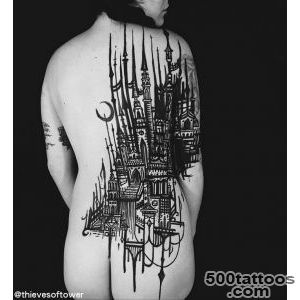
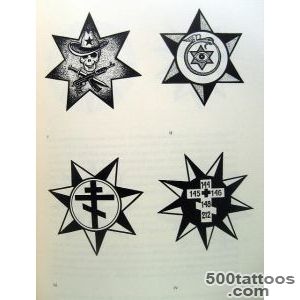
Stars on the shoulders or knees indicated high rank and a refusal to kneel before authority. A cathedral with multiple domes represented sentences served. Barbed wire across the forehead meant a life sentence. Eyes on the chest signified "I am watching you," a warning to informants. Epaulettes on the shoulders mimicked military insignia to mark criminal authority.
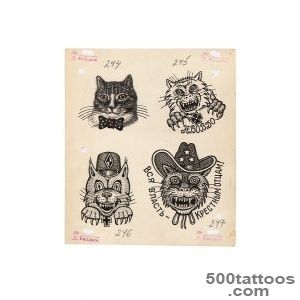
Cats symbolized a thief's identity, skulls denoted a murder conviction, and rings on the fingers encoded an entire criminal biography in miniature.
How Status Was Marked on Skin
Position on the body mattered as much as the image. The chest and back were reserved for the most important identity statements. Hands and fingers carried a quick-read summary. Forced pieces on the face were used to humiliate informants, branding them permanently in the eyes of the prison community.
The Legacy of Prison Ink
Today, the strict code has faded as prison structures have changed. Many designs have entered mainstream culture, adopted by people who appreciate the visual style without following the original rules. Still, the history is worth understanding - what began as a survival language in brutal institutions shaped a visual tradition that continues to influence body art worldwide.
Thieves tattoo designs and images