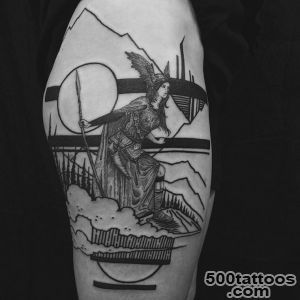
Thieves Tattoo Photo #5264

In Europe, tattoos appeared on convicts as early as the eighteenth century, initially as forced identification marks. Over time, inmates reclaimed the practice, turning imposed branding into a voluntary system of rank, affiliation, and personal history written on skin.
Watercolor tattoos use soft color gradients and flowing edges that mimic paint on paper. The technique avoids heavy outlines, letting colors blend naturally into the skin for a light, artistic appearance.
The back provides the largest continuous canvas on the body, ideal for detailed scenes and large-scale compositions. Upper back pieces are easy to conceal, while full-back tattoos make a dramatic statement.
More Thieves tattoo photos