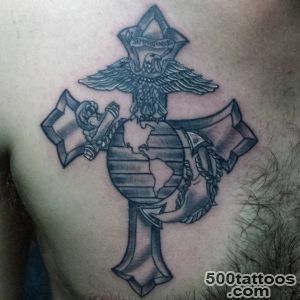
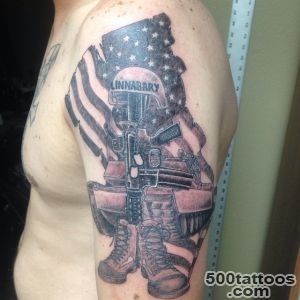
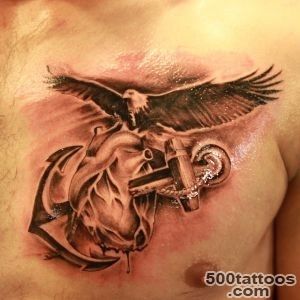
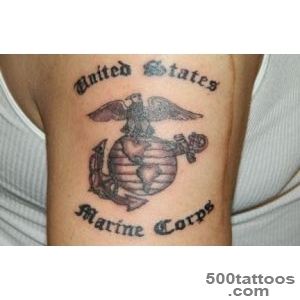
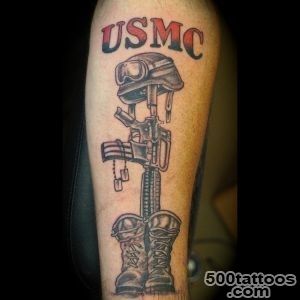
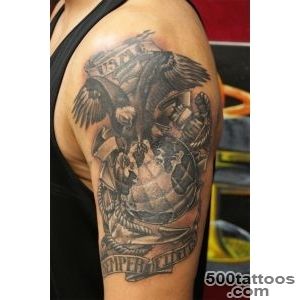
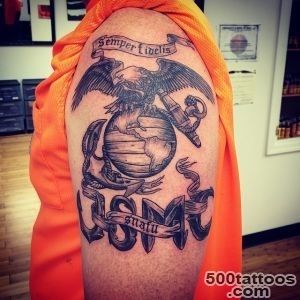
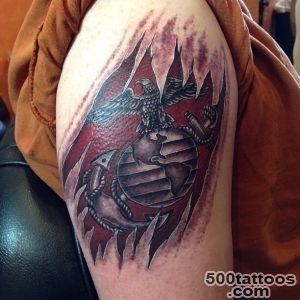
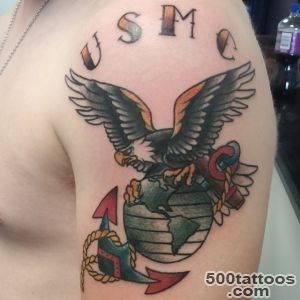
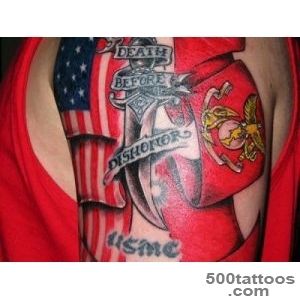
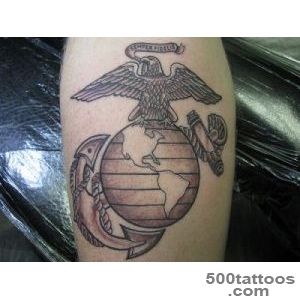
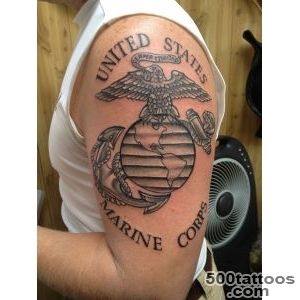
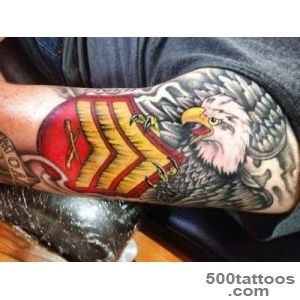
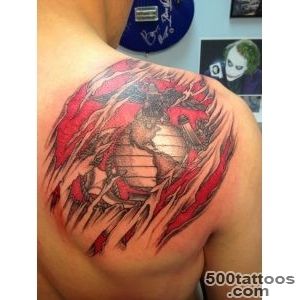
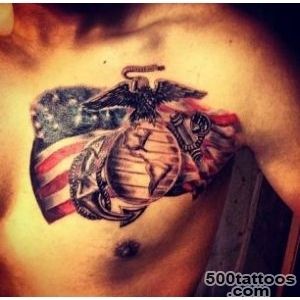
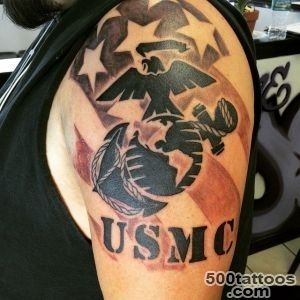
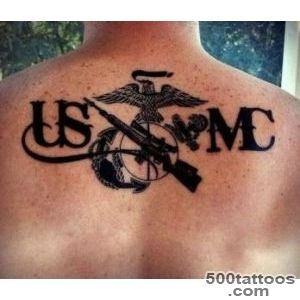
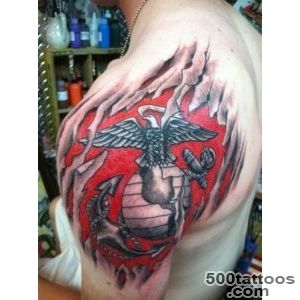
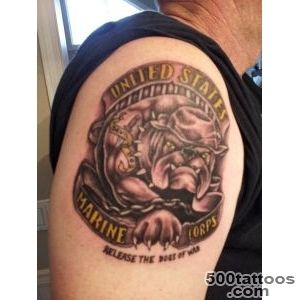
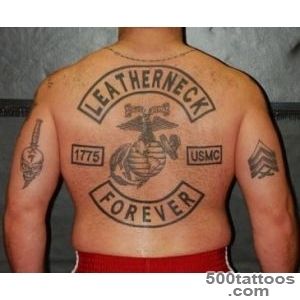
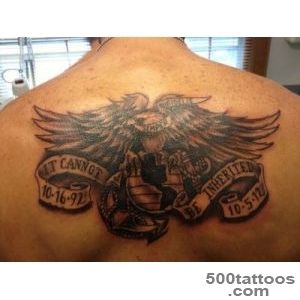
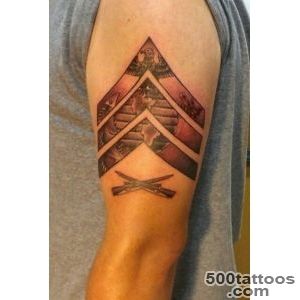
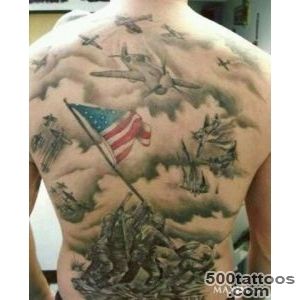
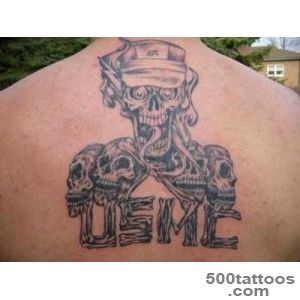
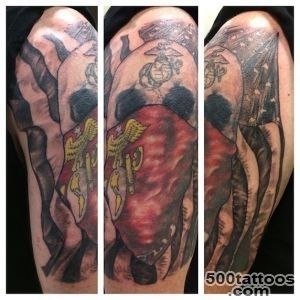
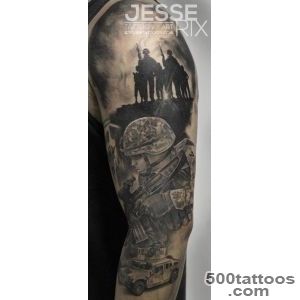
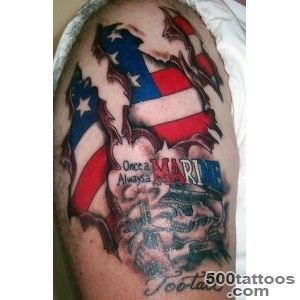
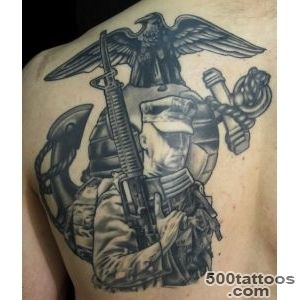
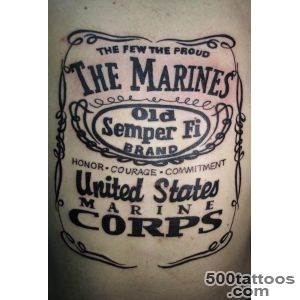
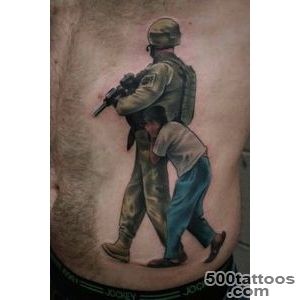
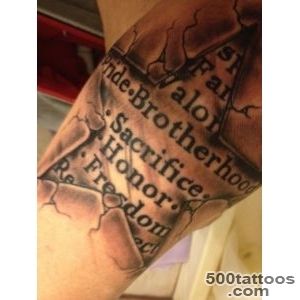
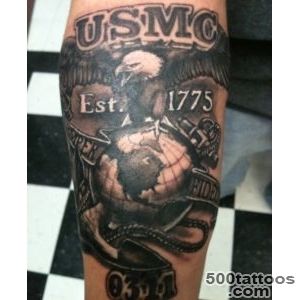
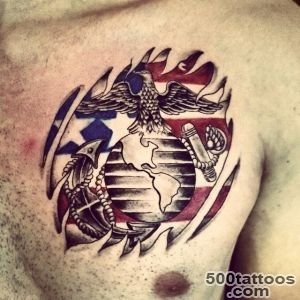
Marine tattoos
Sailor ink is one of the oldest continuous traditions in body art, stretching back centuries to a time when a mark on the skin was both a badge of experience and a quiet prayer for safe passage. Understanding this history turns a simple anchor or swallow into something with real weight.
How the Tradition Began
European sailors encountered indigenous body marking practices in Polynesia, Southeast Asia, and the Americas during the age of exploration, and they brought the concept home. By the eighteenth century, tattoo parlors near major ports were common, and specific images began to carry standardized meanings within the maritime community. A sailor's body became a visual logbook of voyages, milestones, and superstitions.
Common Images and What They Meant
A swallow marked every five thousand miles at sea. A fully rigged ship meant the wearer had survived Cape Horn. A rooster on one foot and a pig on the other were believed to prevent drowning because both animals, found in shipboard crates, often washed ashore intact after wrecks. A rope around the wrist identified a deckhand, while a harpoon belonged to a fishing fleet member. These were not chosen for looks alone but earned through experience.
From Superstition to Modern Style
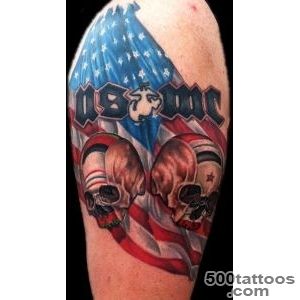
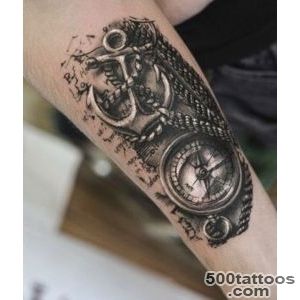
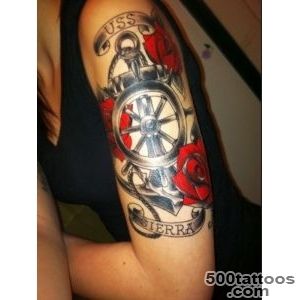
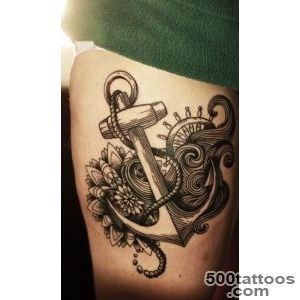
Today, nautical imagery has moved far beyond working sailors. The bold lines and saturated color of American traditional style, which grew directly from port-town shops, remain one of the most requested aesthetics worldwide. What began as protective superstition became fine art, and contemporary artists continue to reinterpret anchors, ships, and sea creatures with fresh techniques while honoring the roots.
Choosing Your Own Nautical Piece
You do not need to be a sailor to connect with this imagery, but knowing the origins helps you make intentional choices. Decide whether you want a faithful old-school design or a modern reinterpretation, research the symbol's history, and find an artist who understands the style. Bold outlines and solid fills age best, which is one reason traditional nautical work still looks sharp after decades.
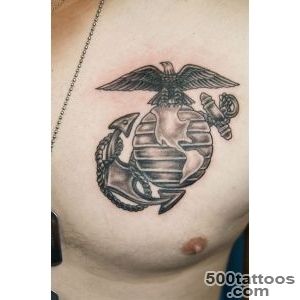
Marine tattoos designs and images