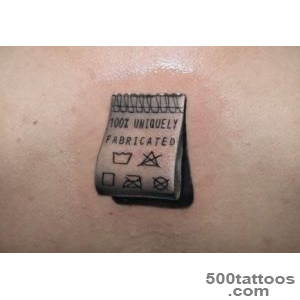
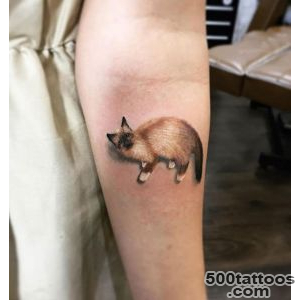
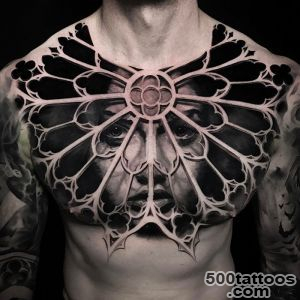
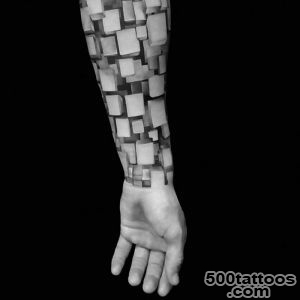
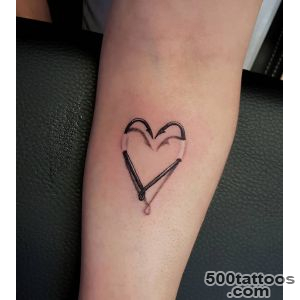
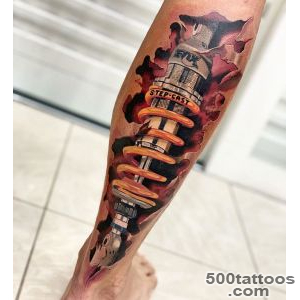
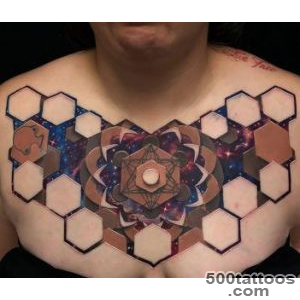
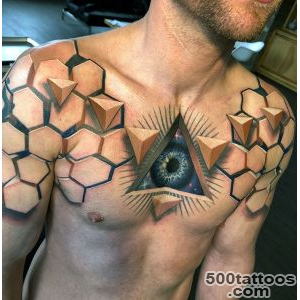
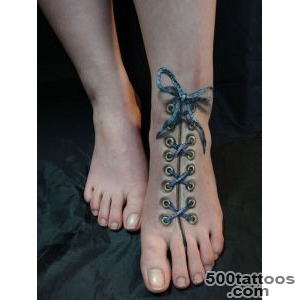
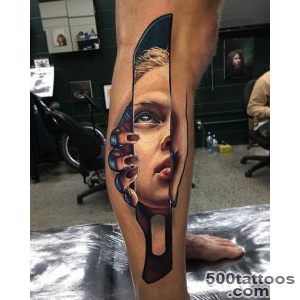
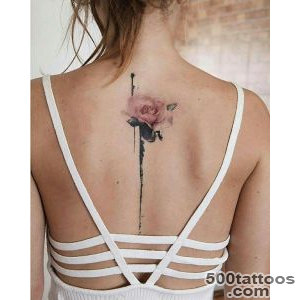
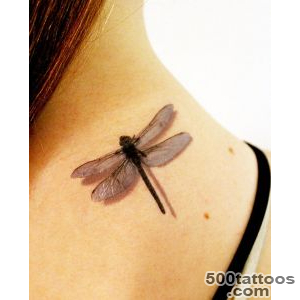
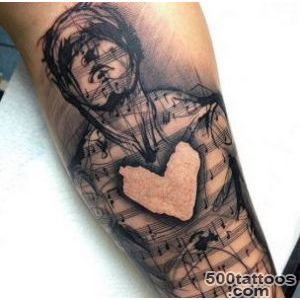
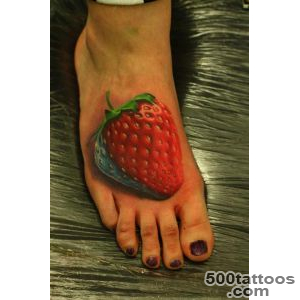
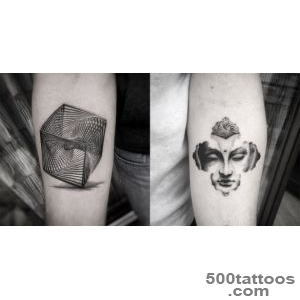
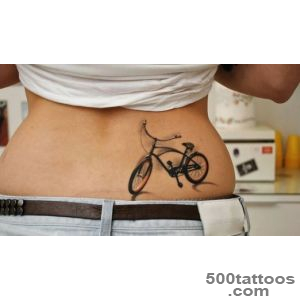
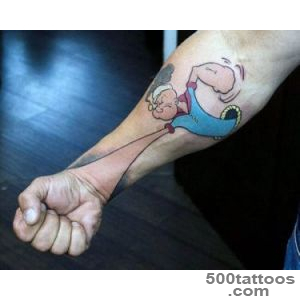
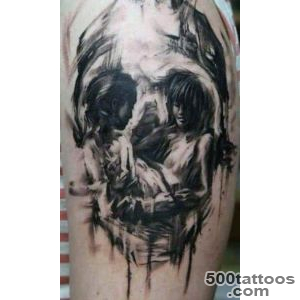
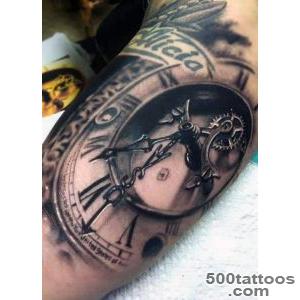
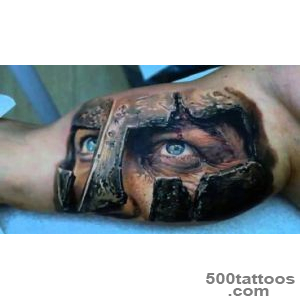
3D-tattoos in 60 artworks
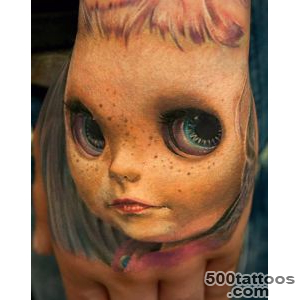
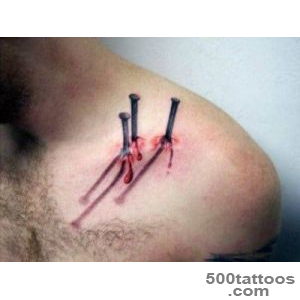
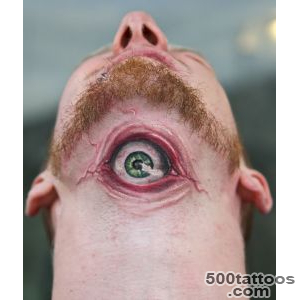
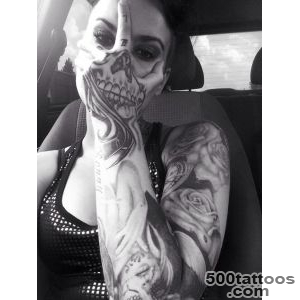
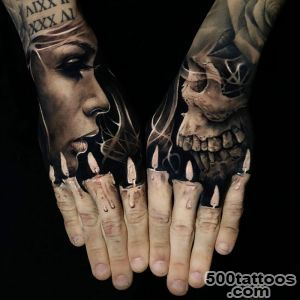
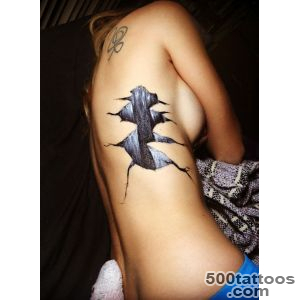
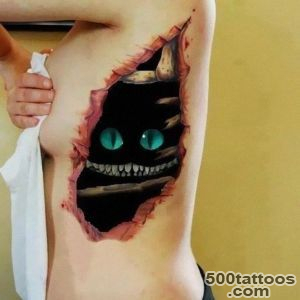
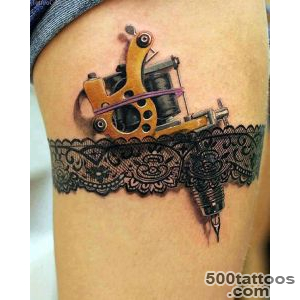
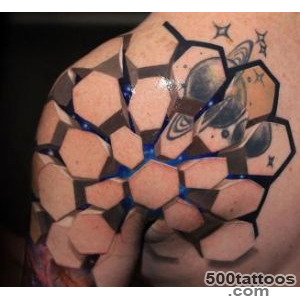
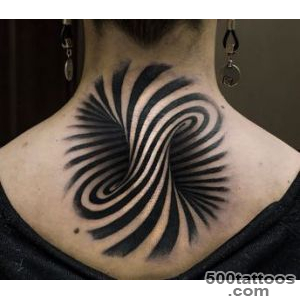
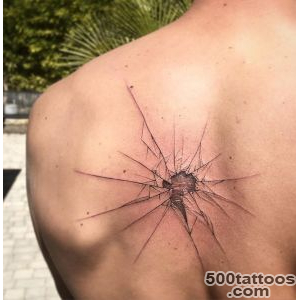
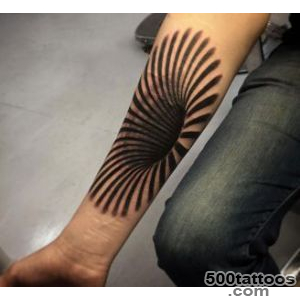
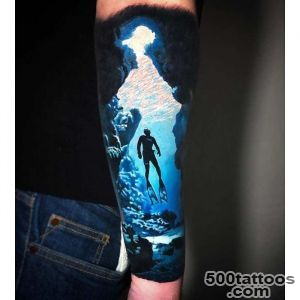
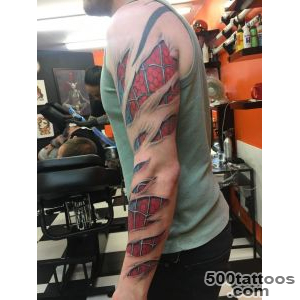
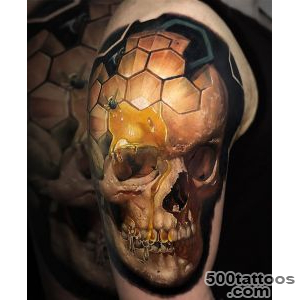
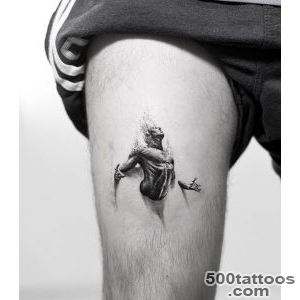
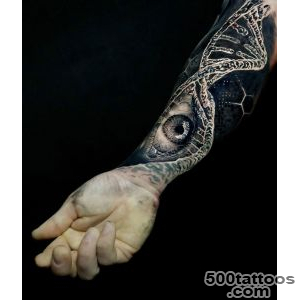
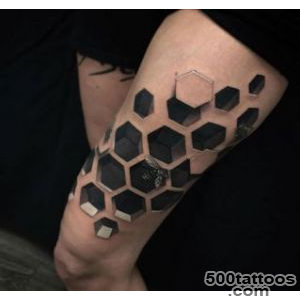
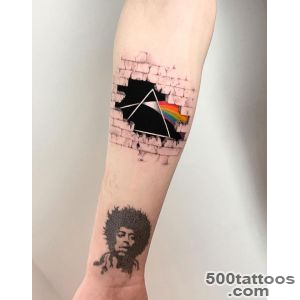
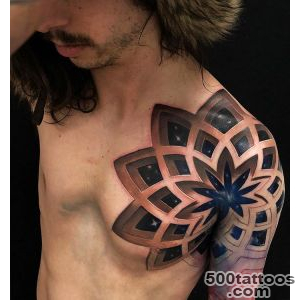
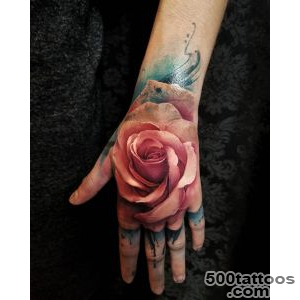
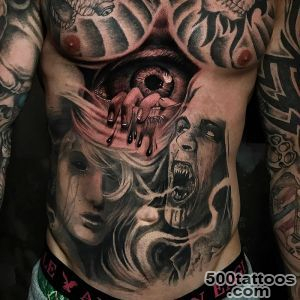
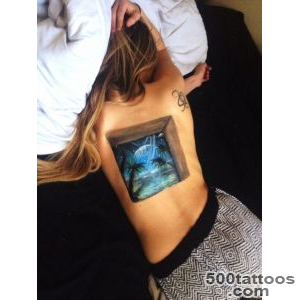
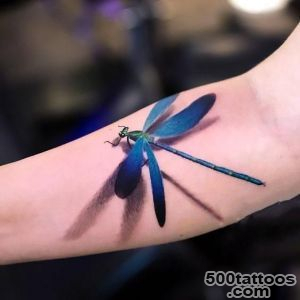
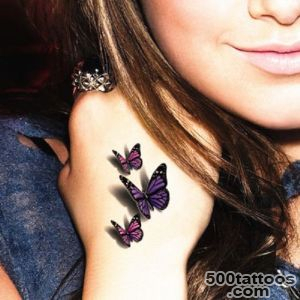
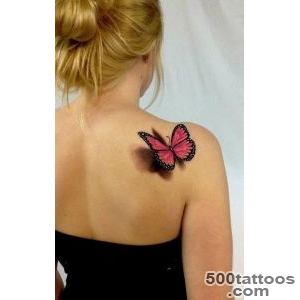
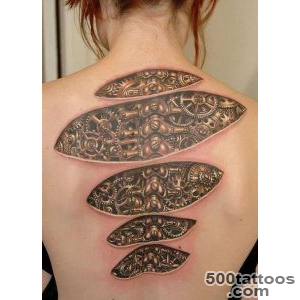
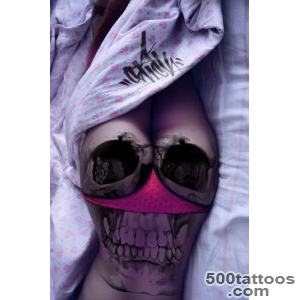
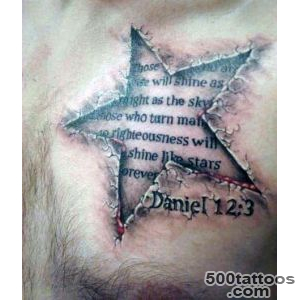
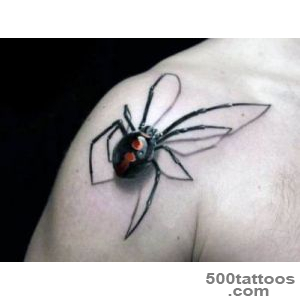
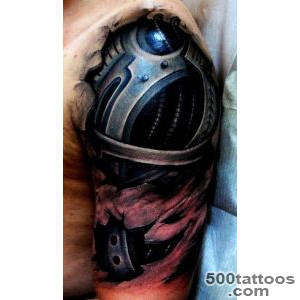
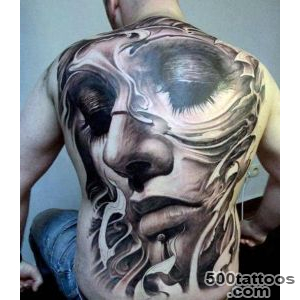
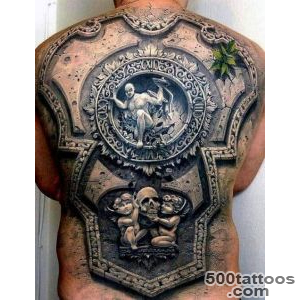
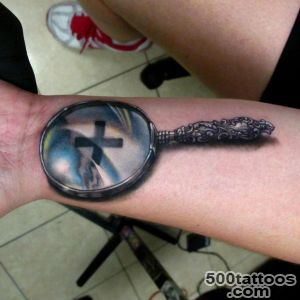
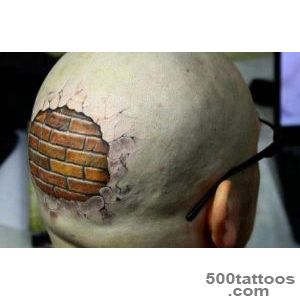
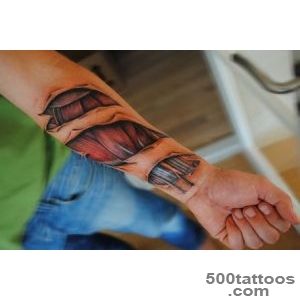
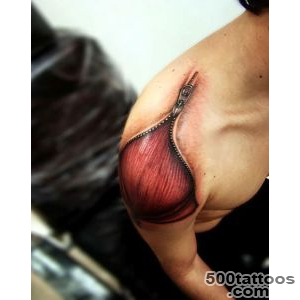
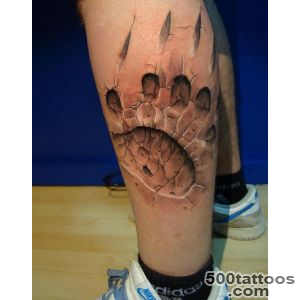
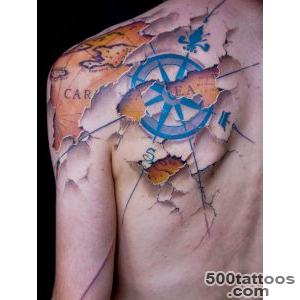
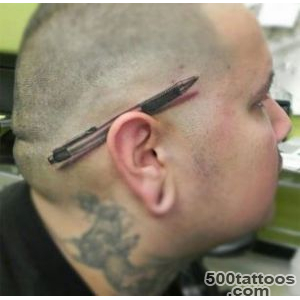
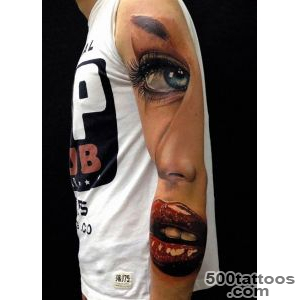
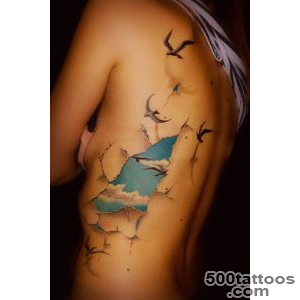
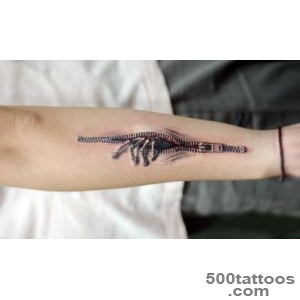
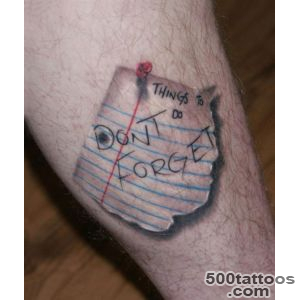
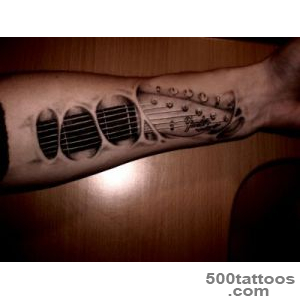
3D tattoos are designed to create an illusion of depth on flat skin. They can look like a hole, a raised object, a mechanical part, or a realistic element sitting "on top" of the body. The key is not the subject-it's the contrast, lighting logic, and enough room for shading to breathe.
What Makes a Tattoo Look "3D"
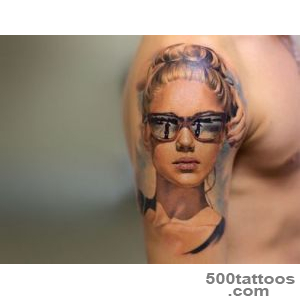
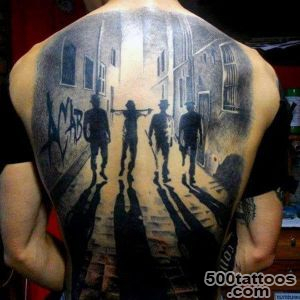
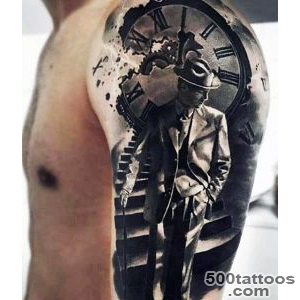
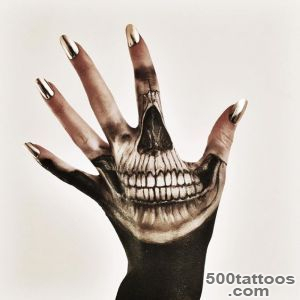
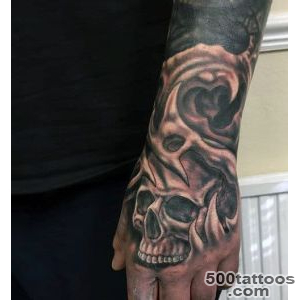
A 3D effect comes from consistent light direction, strong shadow placement, and smooth transitions between dark and light. Subjects like skulls and dragons work especially well for 3D because of their strong shapes. Wing compositions benefit from 3D depth thanks to their layered forms. Similarly, phoenix imagery gains dramatic impact when rendered with realistic depth and shading. If the highlights and shadows don't match a single light source, the illusion breaks. Clean edges and controlled contrast are what make viewers "believe" the image.
3D Tattoo Styles That Work
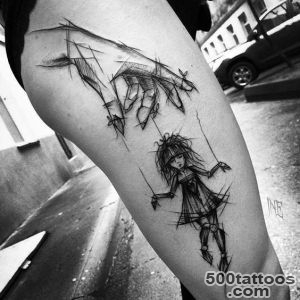
Some 3D tattoos aim for realism, while others use a graphic approach with exaggerated shadows. Realism needs more space and softer shading; graphic 3D can look sharp and bold with fewer gradients. Choose a style that matches how visible you want the effect to be from a distance.
Placement & Size Planning
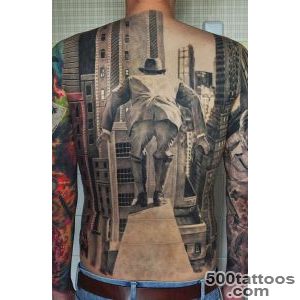
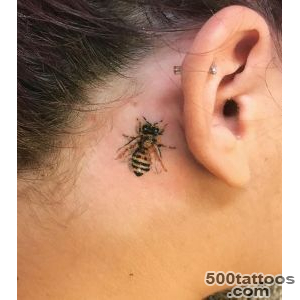
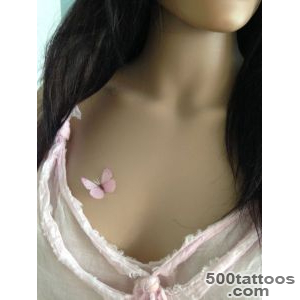
3D reads best on larger, flatter areas where the shading won't wrap awkwardly-upper arm, forearm, thigh, calf, chest, and upper back are common choices. If you want a small tattoo, keep the 3D subtle and avoid micro-details that blur. Bigger pieces allow smoother gradients and a cleaner illusion.
How to Brief Your Tattoo Artist
Bring 5-10 references that show the exact kind of depth you like (sharp vs soft shadows, glossy vs matte look, high contrast vs subtle). Decide whether you want the design to look "cut into" the skin, "sitting on" the skin, or "under" the skin. Also decide your main viewpoint: 3D tattoos usually look best from one angle.
Keeping the Illusion Over Time
The illusion relies on contrast, so plan for strong darks and clean negative space. Ask your artist for a design that stays readable as it ages, and be open to future touch-ups if the piece is very high-detail.
3D-tattoos in 60 artworks designs and images