Drawn Tattoo
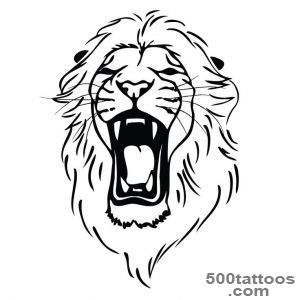
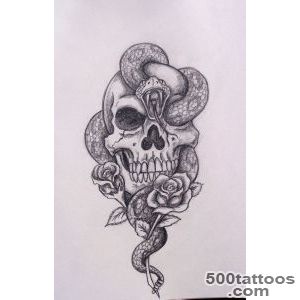
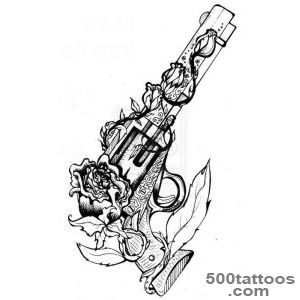
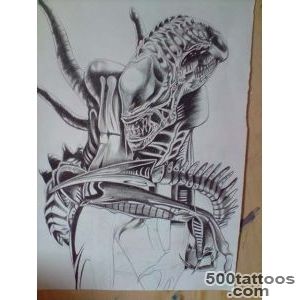
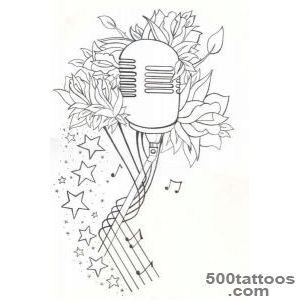
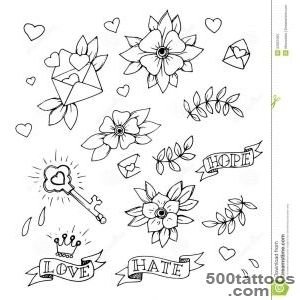
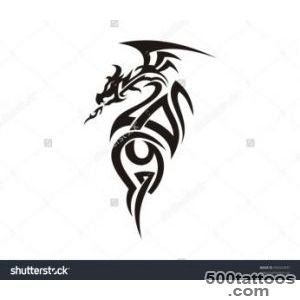
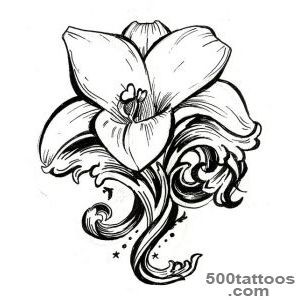
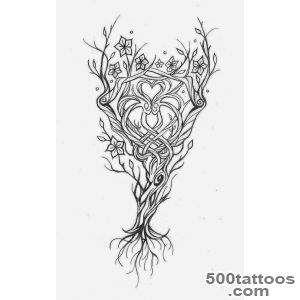
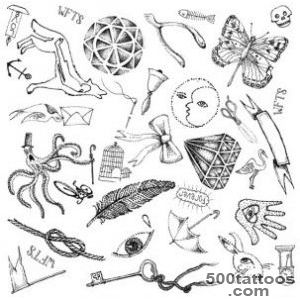
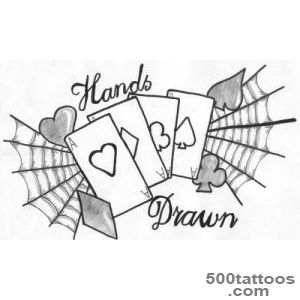
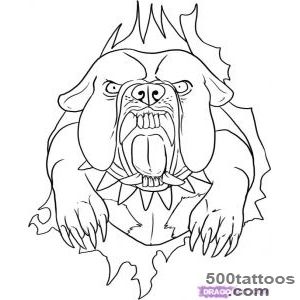
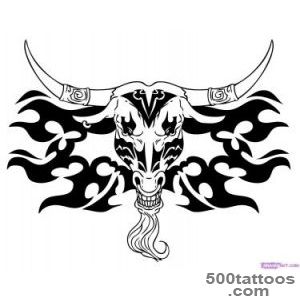
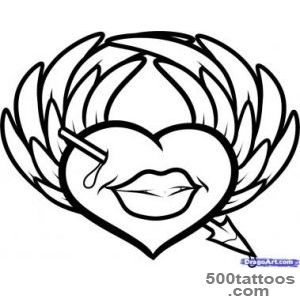
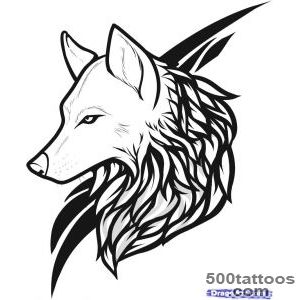
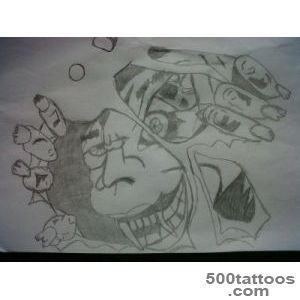
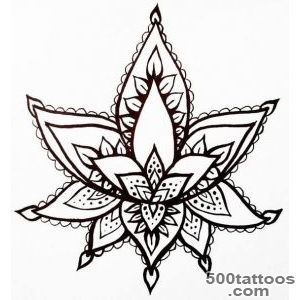
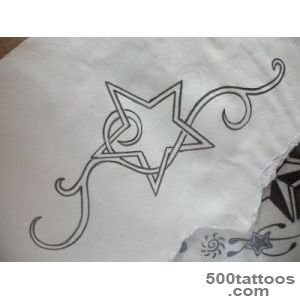
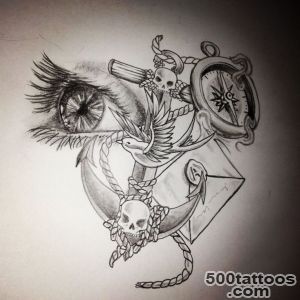
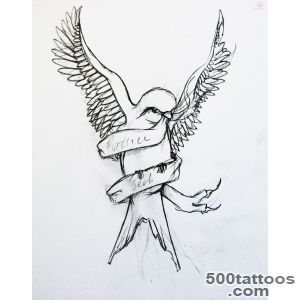
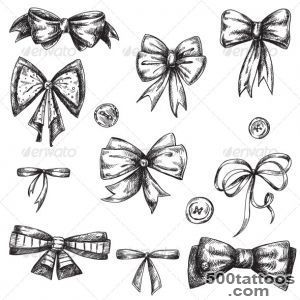
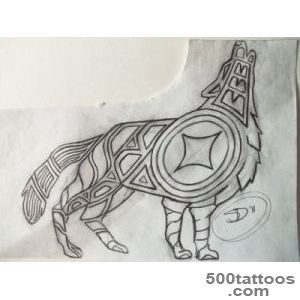
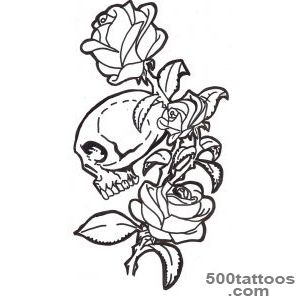
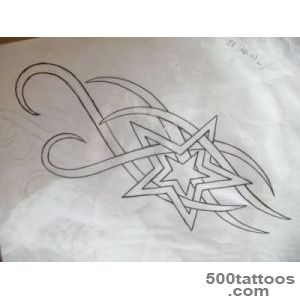
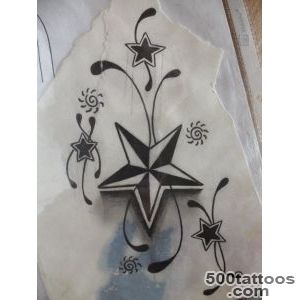
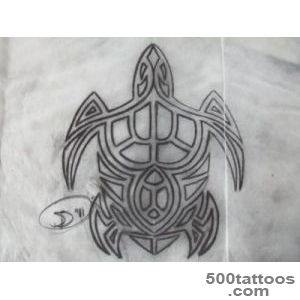
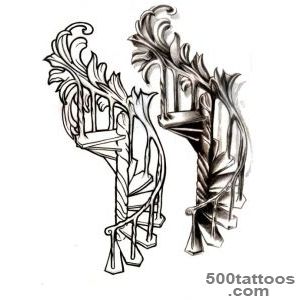
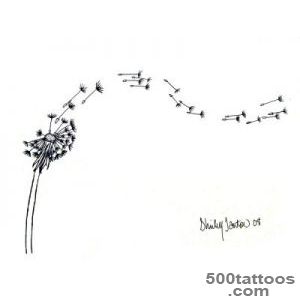
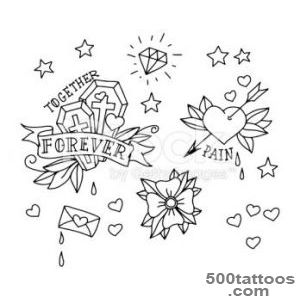
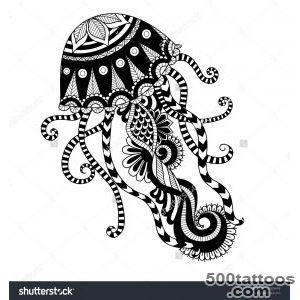
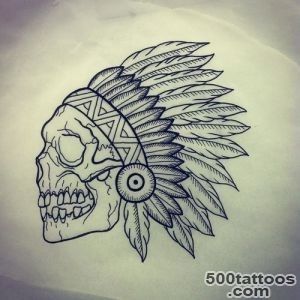
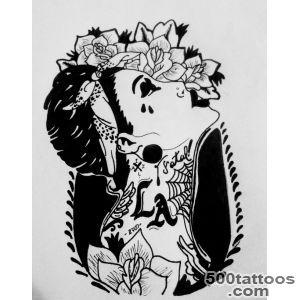
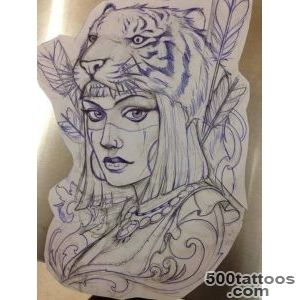
Drawn tattoo style captures the raw artistic quality of pencil sketches and hand-drawn illustrations directly on skin. This unique approach maintains the appearance of works in progress, with visible sketch lines, cross-hatching, and deliberate imperfections that give each piece authentic artistic character. Artists sometimes apply this technique to classic subjects like rose compositions for a fresh, unfinished look.
What Makes the Style Distinctive
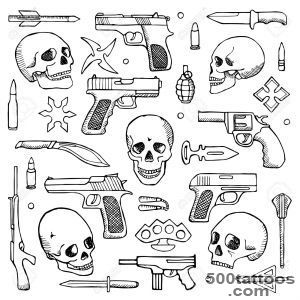
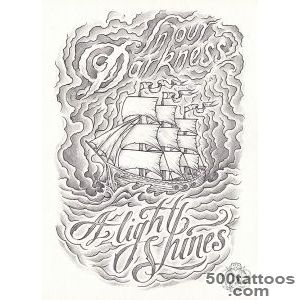
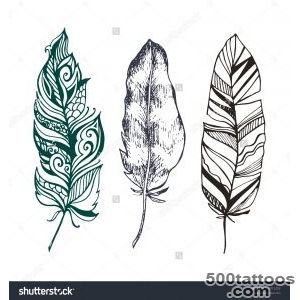
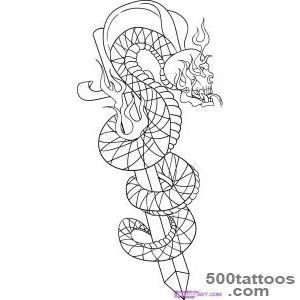
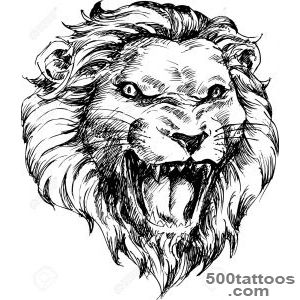
What sets drawn tattoos apart is their emphasis on linework and shading techniques borrowed from traditional drawing. Artists use varying line weights, from bold outlines to delicate details, creating depth without relying on solid fills. Cross-hatching and stippling add dimension while maintaining the sketch-like quality. Some designs incorporate eraser marks or smudges as intentional artistic elements.
Popular Subjects
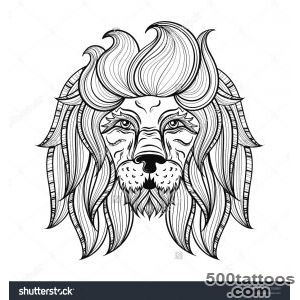
Common subjects for drawn style tattoos include portraits, animals, flowers, and geometric patterns. The technique works especially well for realistic subjects rendered with an artistic twist. Many people choose this style for meaningful imagery they want to appear as personal artwork rather than traditional tattoos. The aesthetic appeals to those who appreciate fine art and illustration.
Artist Technique
Skilled tattoo artists adapt their technique to mimic pencil, charcoal, or pen and ink drawings. The challenge lies in creating permanent work that maintains its sketched appearance over time. Line weight variation is the key tool: thicker marks anchor the design, while lighter strokes suggest texture and shading.
Placement and Sizing
Proper placement and sizing ensure the delicate details remain visible as the tattoo ages. Popular locations include forearms, thighs, and backs where larger canvases allow full artistic expression. Smaller drawn-style pieces can work on the wrist or ankle, but the detail level should be reduced to keep lines readable at a distance.
Drawn Tattoo designs and images