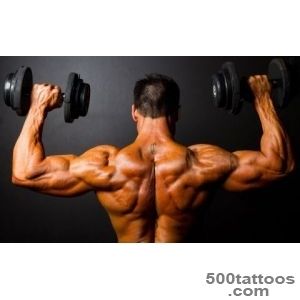
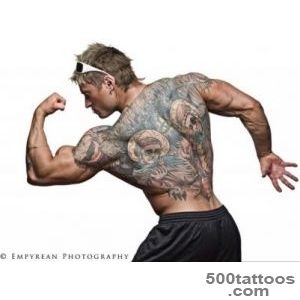
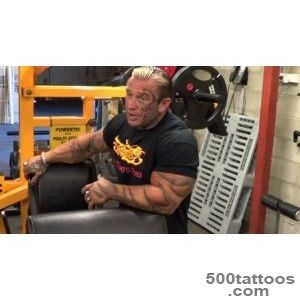
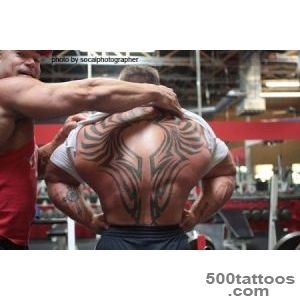
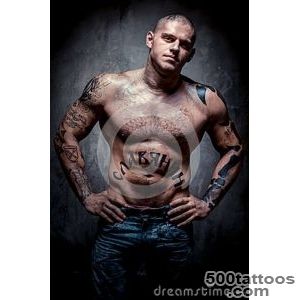
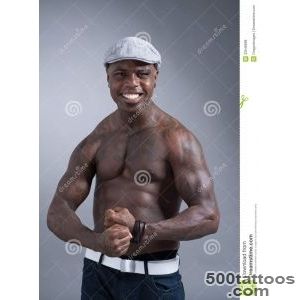
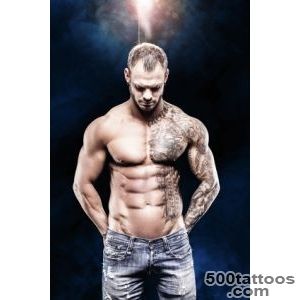
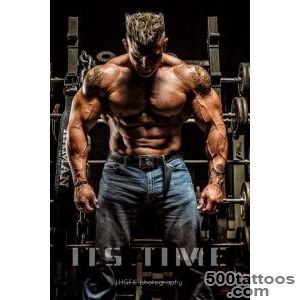
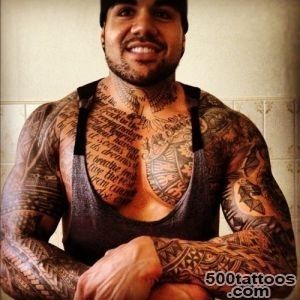
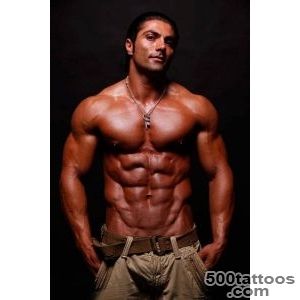
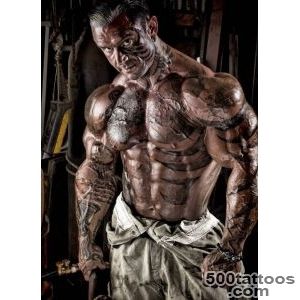
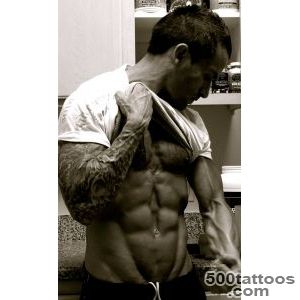
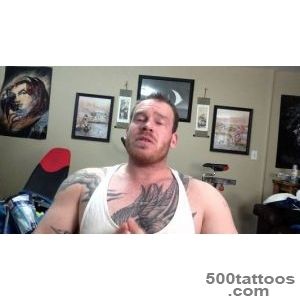
Bodybuilders tattoo
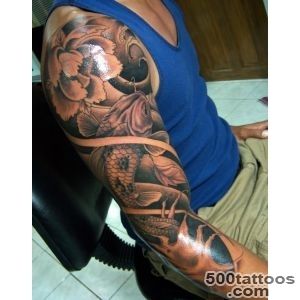
Why Bodybuilders Get Tattoos
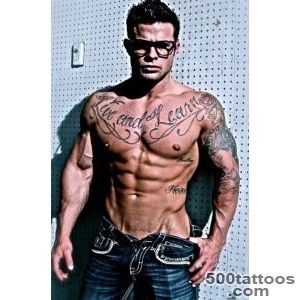
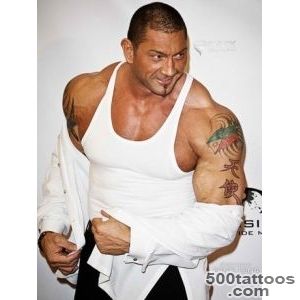
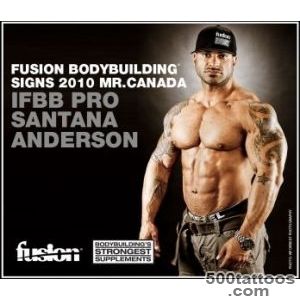
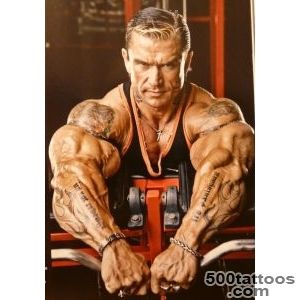
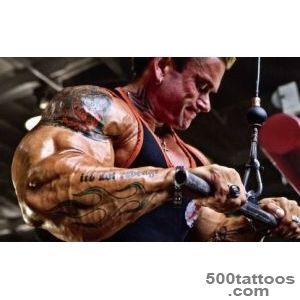
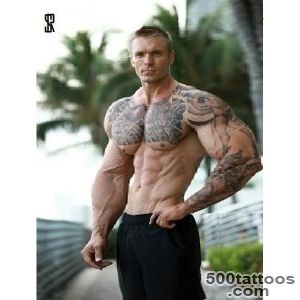
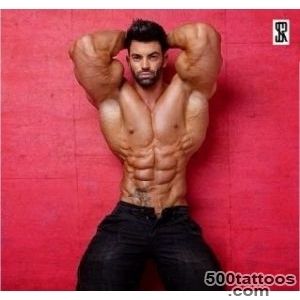
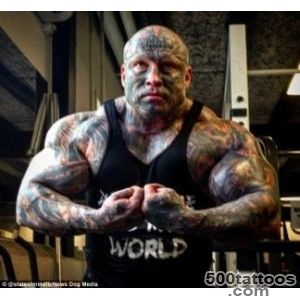
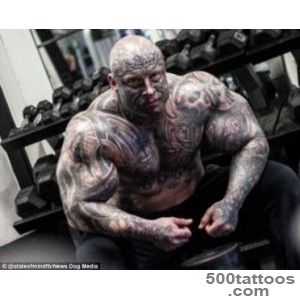
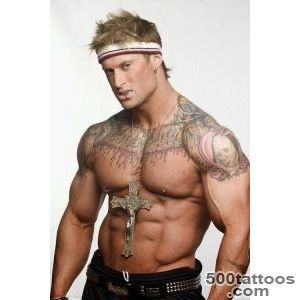
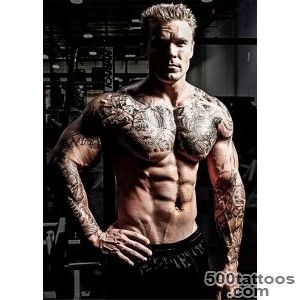
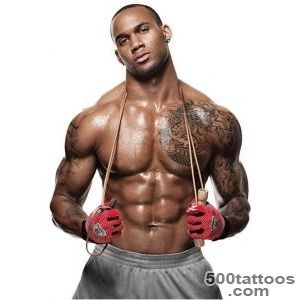
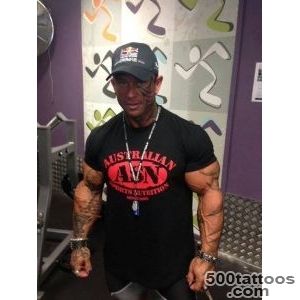
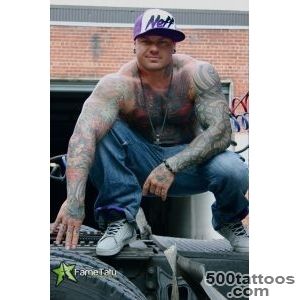
Ink is popular in bodybuilding culture because ink and physique both rely on shape, structure, and intention. A bodybuilder tattoo can mark a milestone, show dedication to training (sometimes with military dedication themes), or simply highlight the body as a "canvas" built through discipline. The best designs don't fight the anatomy-they follow it. Many lifters time their tattoos around competition schedules to allow full healing before they need to tan or oil the skin, which can affect fresh ink.
Placement That Works With Muscles
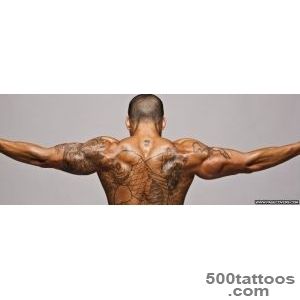
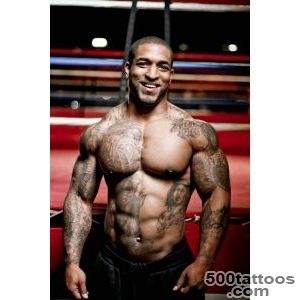
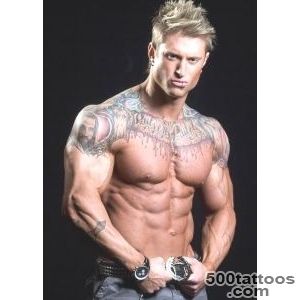
Placement is the first decision. Designs look strongest when they flow with muscle lines and natural curves rather than cutting across them awkwardly. Symmetry also matters more on a trained physique: mirrored elements and balanced composition tend to look cleaner and more intentional. If you like large pieces, plan ahead so future additions can connect into a bigger story instead of looking like random stickers. Deltoid caps, full chest panels, and inner bicep placements are popular because they highlight muscle shape and create framing that changes as you flex. The tattoo becomes part of the physique presentation rather than a separate element.
Styles That Read Well on a Physique
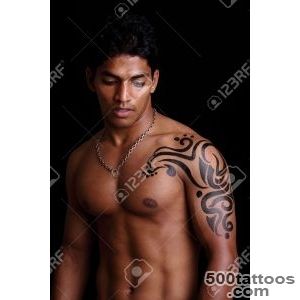
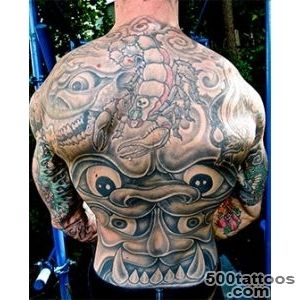
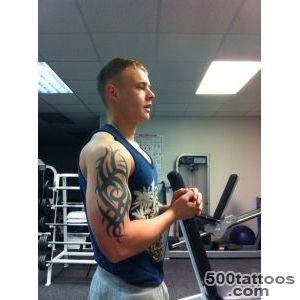
Style choices should match your goal. Bold, high-contrast tattoos often read best on muscular areas because the shapes stay visible from a distance. Blackwork, graphic linework, and well-planned shading can emphasize definition. If you want realism, keep the focal point clear and avoid micro-detail that can get lost in highly textured areas. Tribal and geometric patterns remain popular in bodybuilding circles because their bold, structural lines complement the defined muscle lines underneath. The two visual systems reinforce each other.
Composition & Symmetry
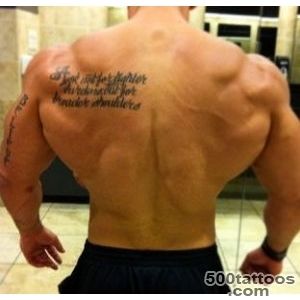
Think about the "main read" of the tattoo. From a few steps away, the design should still look like something recognizable. That's why strong silhouettes, clean negative space, and simple supporting elements matter. If you add lettering, keep it short and readable-use tattoo-fonts for layout ideas and avoid tiny text. Weight changes can affect how a tattoo looks-if you cycle between bulking and cutting, designs with strong silhouettes hold up better than photo-realistic portraits that depend on exact proportions staying consistent.
Practical Considerations
If your tattoo is connected to sport identity, link it to a broader theme: strength, progress, resilience, or personal transformation. For more inspiration and structure, browse sports-tattoos, compare placement options on body-tattoos, and explore bold formats like sleeve-tattoos.
Bodybuilders tattoo designs and images