Inca tattoos
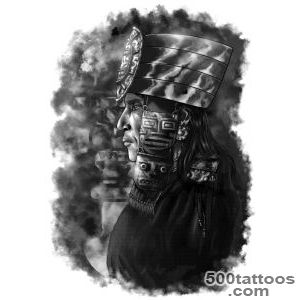
Inca tattoos draw from one of South America's most powerful ancient civilizations, known for its monumental stonework, geometric patterns, and deeply layered mythology. The visual language of the Inca Empire translates naturally into bold tattoo designs that emphasize symmetry, clean geometry, and symbolic figures.
Key Inca symbols and motifs
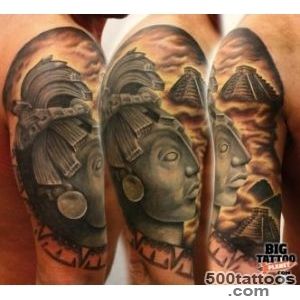
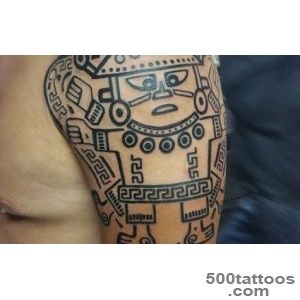
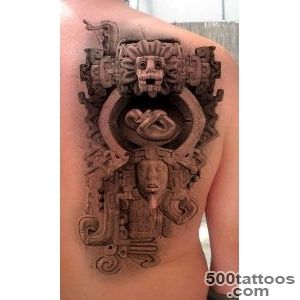
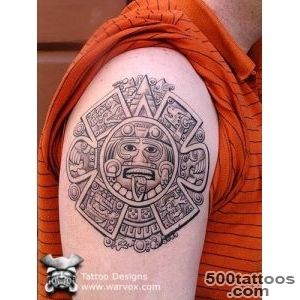
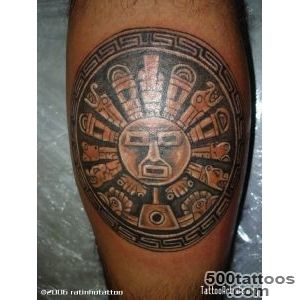
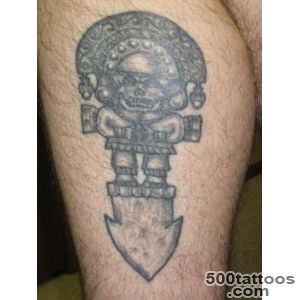
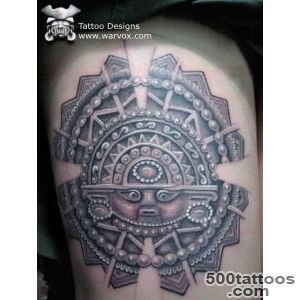
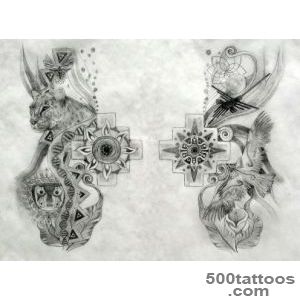
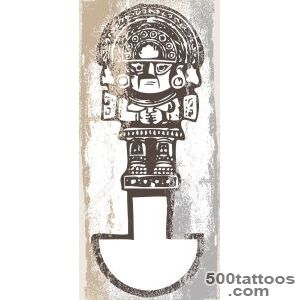
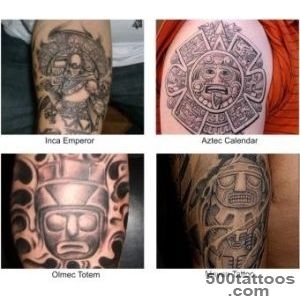
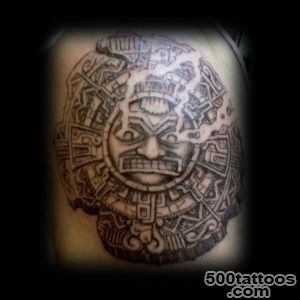
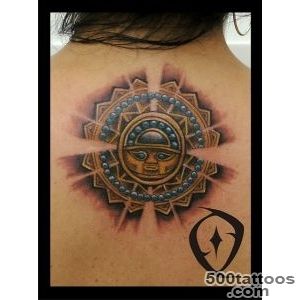
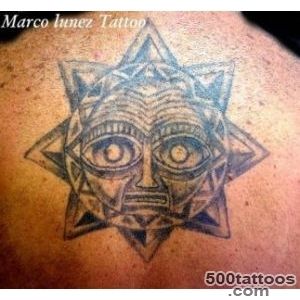
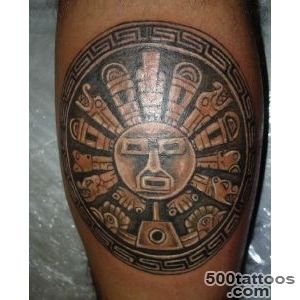
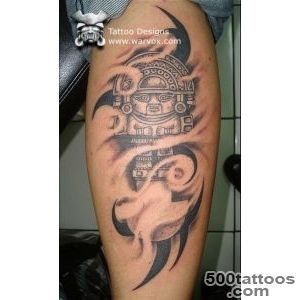
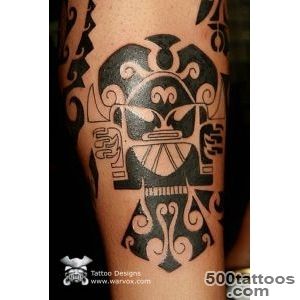
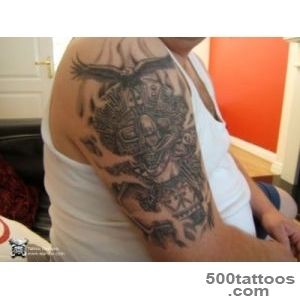
The most recognizable motifs include the Inti (sun god), often shown as a radiant face surrounded by geometric rays, and Viracocha, the creator god who according to legend formed the sun, moon, and people from stone figures. Condors, pumas, and serpents appear frequently because the Inca worldview divided the cosmos into three realms: sky, earth, and underworld, each guarded by one of these animals. Stepped cross patterns known as the chakana represent the connection between these realms and make strong standalone tattoo designs.
Color and line choices
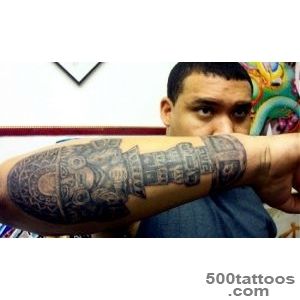
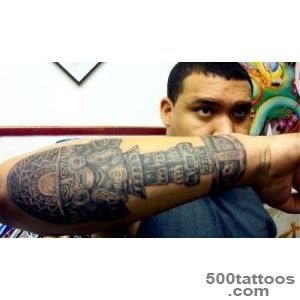
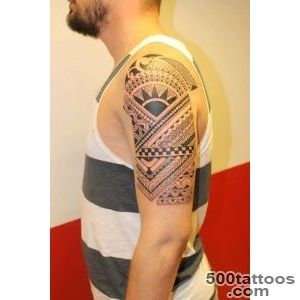
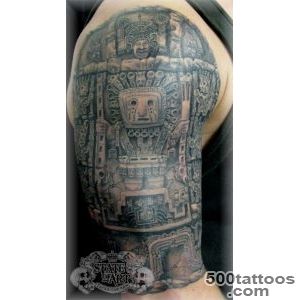
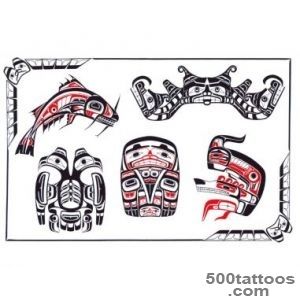
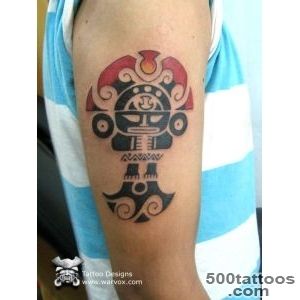
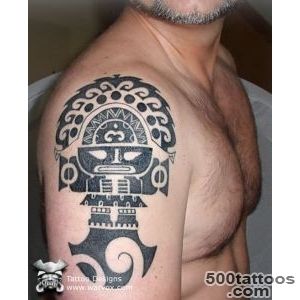
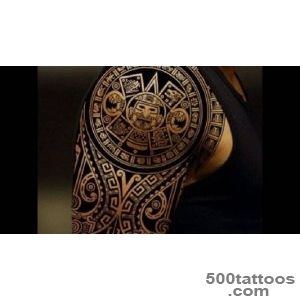
Traditional Inca art favored bold contrasts, especially black and red on stone or textile backgrounds. A tattoo that echoes these two colors can look strikingly authentic. Full-color versions can add gold and turquoise to reference Inca metalwork and textiles. Black-and-grey interpretations work well for a more modern graphic feel, especially when combined with dotwork or geometric fill patterns that mimic the stonework texture.
Design composition ideas
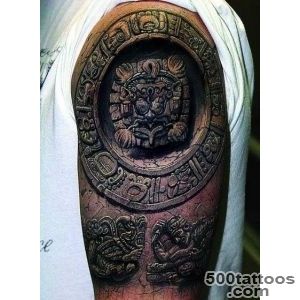
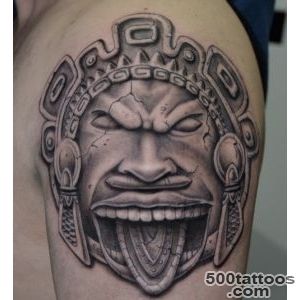
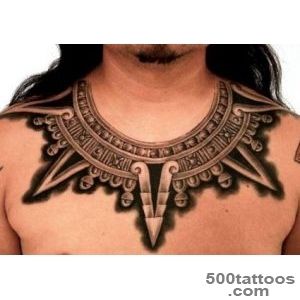
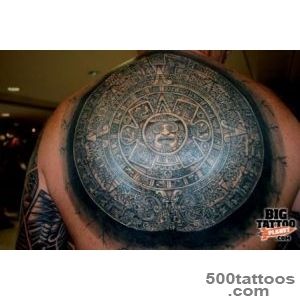
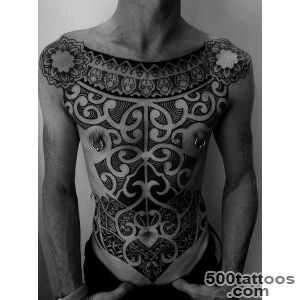
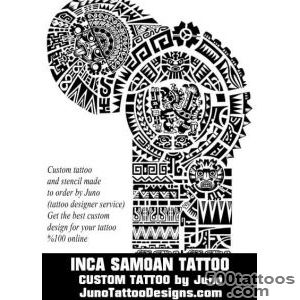
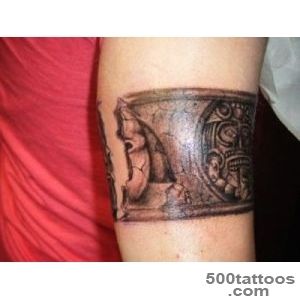
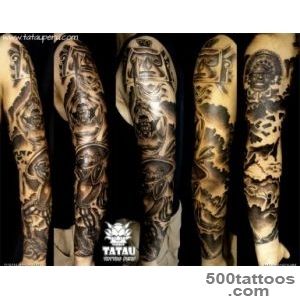
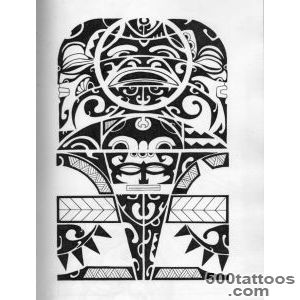
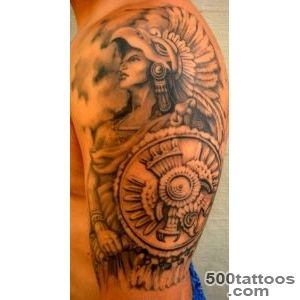
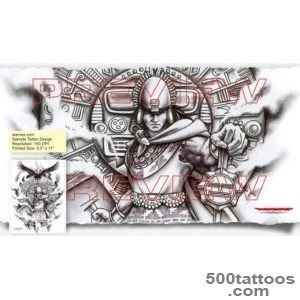
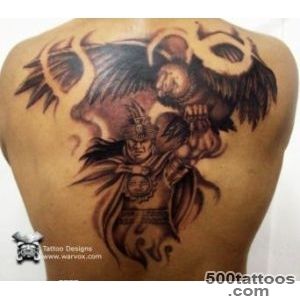
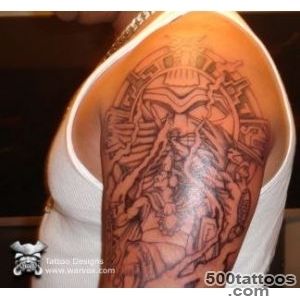
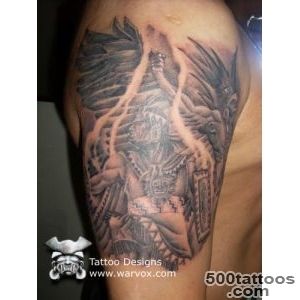
A single Inti face or chakana cross works as a focused, mid-sized piece on the upper arm, chest, or calf. Larger compositions can combine a central figure with border patterns inspired by Inca textiles, creating a panel-style layout that suits the forearm, back, or thigh. Symmetrical designs look especially clean on the sternum or spine. Adding an animal guardian such as a condor above and a serpent below frames the central symbol and reinforces the three-realm cosmology.
Respectful design approach
Inca imagery belongs to a living cultural heritage in Peru, Bolivia, and Ecuador. If you choose an Inca-inspired tattoo, research the specific symbols you want so you understand their meaning, avoid mixing unrelated indigenous traditions into one design, and work with an artist who has experience with geometric and cultural tattoo styles. Authentic intention and accurate execution make the difference between a respectful tribute and a superficial borrowing.
Inca tattoos designs and images